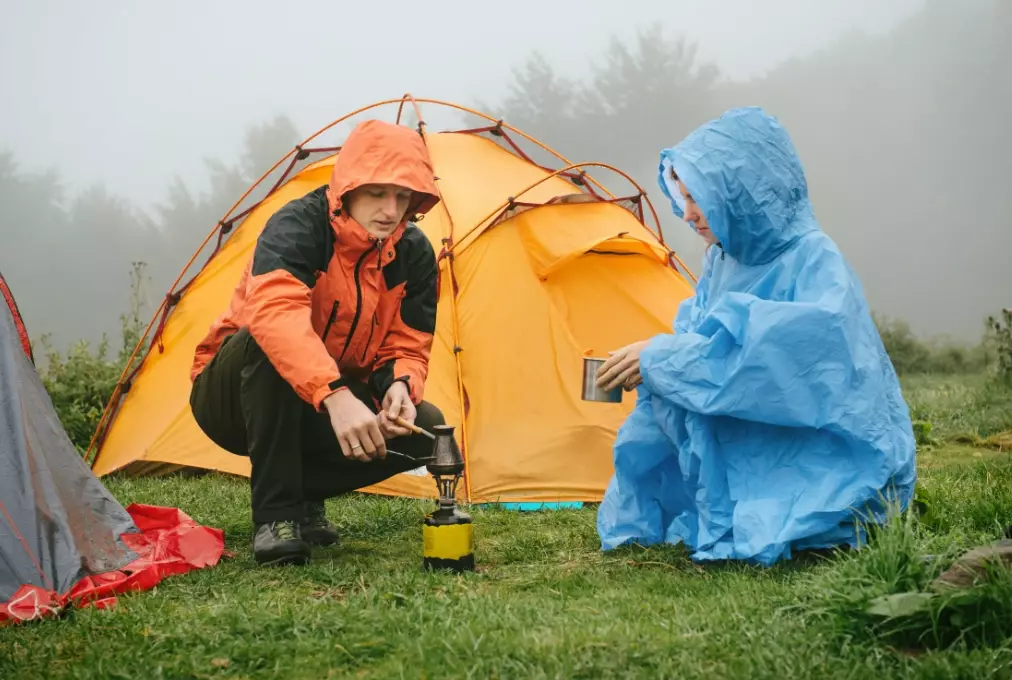
The world changes under a blanket of snow. The familiar becomes silent, pristine, and profoundly beautiful. Camping in snow isn't just summer camping with a coat on; it's a different sport entirely. It's about trading buzzing mosquitoes for the crunch of your boots, swapping crowded trails for absolute solitude. But is it safe? Is it miserable? Not if you do it right. I've spent over a decade winter camping in the Rockies and the Sierra Nevada, and I'm here to tell you that with the right knowledge, it can be the most rewarding outdoor experience you'll ever have.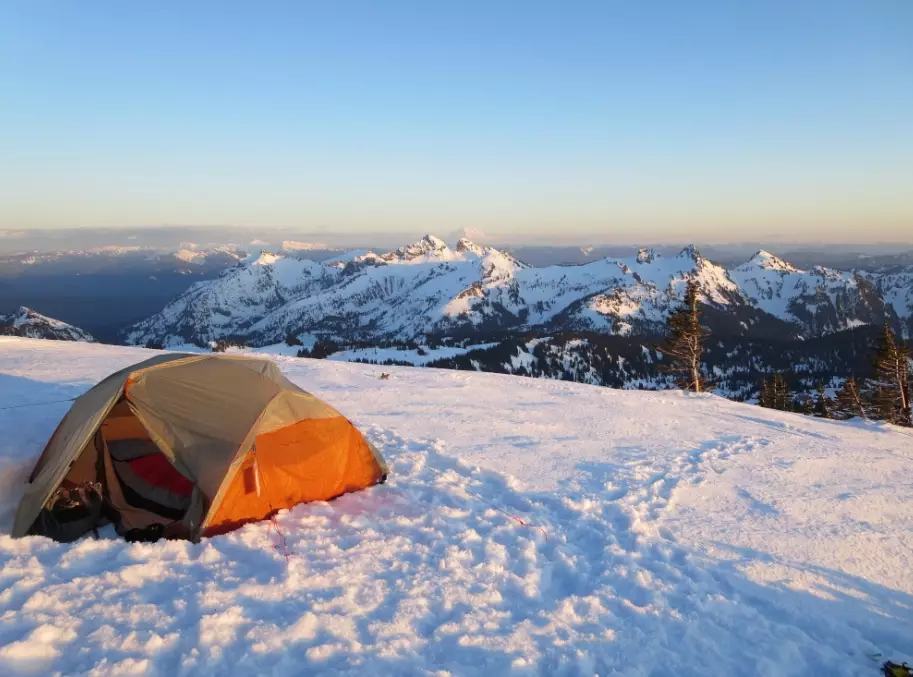
Let's cut to the chase: the magic is real, but so are the stakes. This guide won't just list gear. It will explain the why behind every piece of equipment and every action, drawing from hard-learned lessons and conversations with park rangers from the U.S. Forest Service and experts at outfitters like REI.
What's Inside This Guide?
- The Non-Negotiable Winter Camping Gear List
- How to Stay Warm and Safe: It's More Than a Good Sleeping Bag
- Three Stunning Destinations for Your First Snow Camping Trip
- Planning Your Trip: A Sample 3-Day Winter Camping Itinerary
- The 5 Most Common (and Dangerous) Beginner Mistakes
- Pro Tips You Won't Find in the Manual
How to Choose the Right Winter Camping Gear
Forget your summer kit. Winter demands specialization. The core principle is managing moisture—both from the outside (snow) and the inside (your sweat). A failure here leads to hypothermia.
Here’s a breakdown of the absolute essentials, with specific examples to get you started.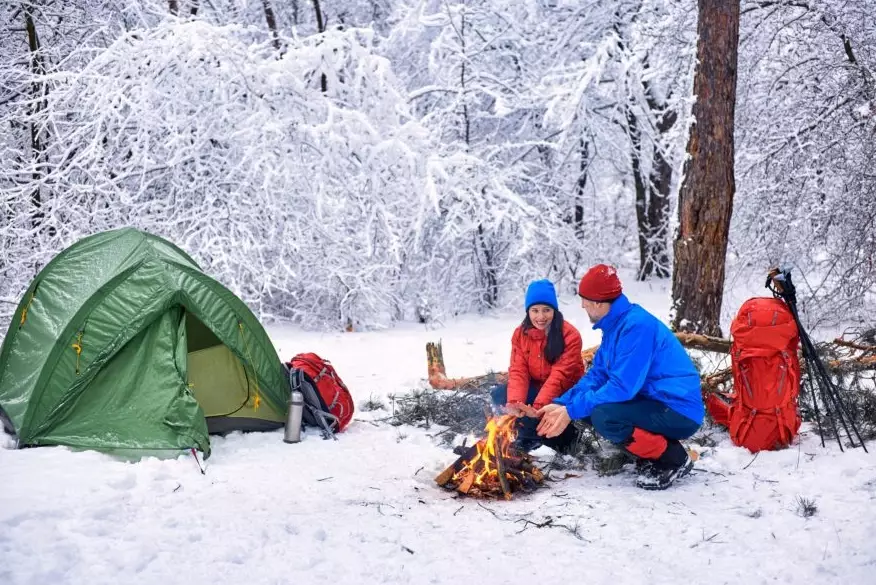
| Item | Winter-Specific Requirement | Example/Brand & Why It Matters | Price Range |
|---|---|---|---|
| Shelter | 4-Season Tent | MSR Access, Hilleberg Soulo. These have stronger poles to handle snow load, minimal mesh, and a rainfly that goes nearly to the ground to block wind-blown snow. | $500 - $1000+ |
| Sleep System | Sleeping Bag + Insulated Pad | Bag: Western Mountaineering Versalite (-10°F). Down fill for warmth-to-weight. Pad: Therm-a-Rest NeoAir XTherm (R-value 6.9). Ground cold is a major heat thief. | $400-$700 (Bag) $200-$250 (Pad) |
| Stove | Liquid Fuel or Canister with Regulator | MSR WhisperLite Universal. Works with white gas (reliable in cold) and canisters. Canister stoves alone fail below freezing unless you use a special regulator like on the MSR Reactor. | $100 - $200 |
| Footwear | Insulated Winter Boots + Gaiters | Baffin Impact or Sorel Caribou. Look for removable liners. Pair with Outdoor Research Expedition Crocodile Gaiters to keep snow out. | $150 - $300 |
| Layers | Merino Wool or Synthetic Baselayers | Smartwool Merino 250 Base Layer. Stays warm when damp, doesn't hold odor. Avoid cotton at all costs—it's a death fabric in winter. | $80 - $150 (set) |
The sleeping bag rating is where most people underspend. If the forecast says 20°F (-7°C), you need a bag rated for 0°F (-18°C) or lower. Your summer 35°F bag will leave you shivering violently by midnight. I learned this the hard way on an early trip in Colorado, spending a night so cold I vowed never to skimp again.
Staying Warm and Safe: The Science of Not Freezing
Warmth is a system, not a single item. It's about managing heat production, retention, and moisture.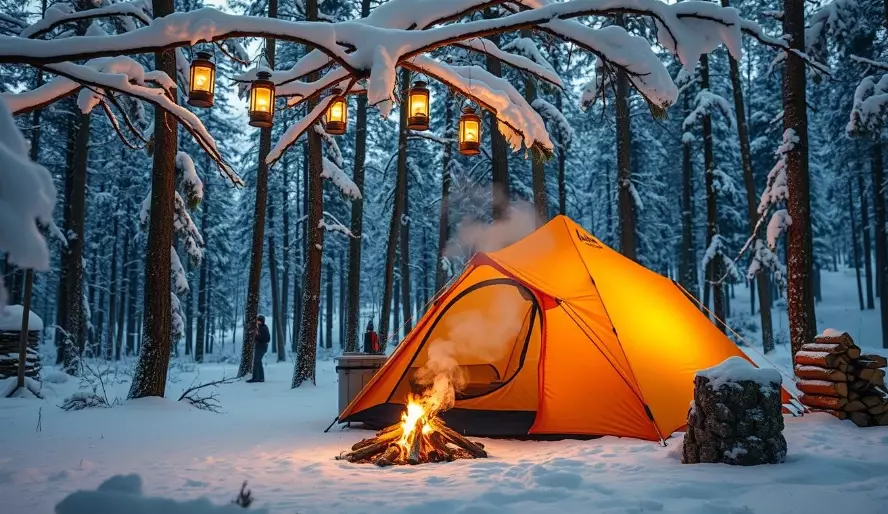
The Layering System, Deconstructed
Base Layer: Moisture management. Merino wool is king. It moves sweat away from your skin and retains 80% of its insulating power even when wet. Synthetic works too, but it stinks faster.
Mid Layer: Insulation. A puffy jacket filled with down (warmer, lighter) or synthetic (works better when wet). The Arc'teryx Atom LT is a versatile hero here.
Shell Layer: Protection. A waterproof, breathable hardshell jacket and pants (like Gore-Tex) to block wind and snow.
The Campsite Heat Hack Everyone Misses
Before you even pitch your tent, spend 20 minutes stomping out a platform in the snow with your skis or snowshoes. Let it sinter (set) for 15 minutes. This creates a firm, flat base. A soft base allows your sleeping pad to sink, creating cold spots. It’s backbreaking work, but it's the difference between a cold night and a comfortable one.
Critical Safety Note: Always check avalanche conditions for your area. Resources like the Colorado Avalanche Information Center (CAIC) or Northwest Avalanche Center (NWAC) provide daily forecasts. If you're camping in avalanche terrain (slopes steeper than 30 degrees), you need training, a beacon, probe, and shovel. Most developed winter campgrounds are in safe zones, but always verify.
Three Breathtaking Spots for Snow Camping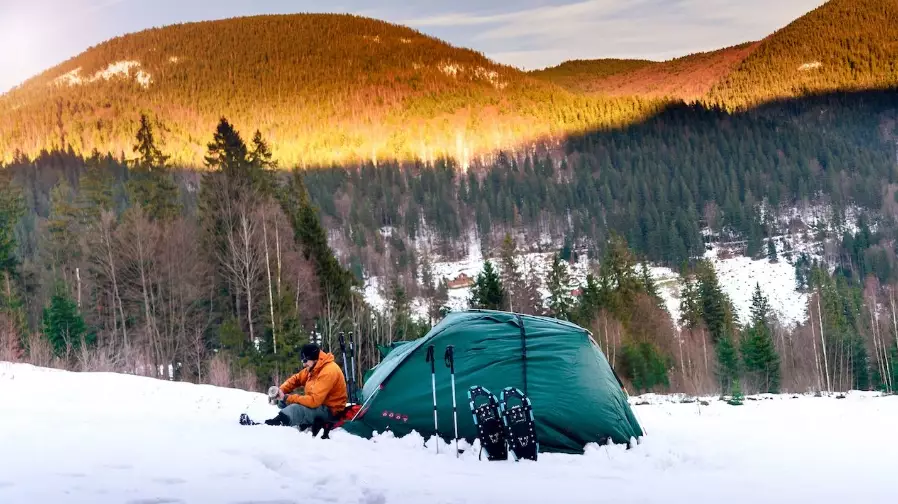
Ready to go? Here are three accessible yet stunning destinations perfect for a first or second winter camping trip. I've personally camped at two of these.
1. Mount Rainier National Park, Washington - Paradise Area
Why it's special: Iconic views of the massive volcano, relatively easy access, and ranger-led snowshoe walks on weekends. The Paradise Snow Play Area has designated backcountry camping zones (get a free permit at the Henry M. Jackson Visitor Center).
Best Time: January - March for deep, stable snow.
Camping Tip: Camp at least 300 feet from roads and trails. The winds can howl, so use your snow shovel to build a windbreak wall around your tent.
Getting There: Drive to the Nisqually Entrance (open year-round), then up to Paradise (State Route 706). Chains are often required.
2. Banff National Park, Alberta - Lake Louise Area
Why it's special: A winter wonderland straight off a postcard. The Great Divide Trail near Lake Louise offers marked winter routes. You can camp in the backcountry (permit required) or stay at the nearby Lake Louise Campground, which has winter facilities for RVs/hard-sided trailers only.
Best Time: February for cold, clear days.
Camping Tip: Wildlife is less visible but present. Use bear-proof food storage lockers where provided or hang your food barrel.
Getting There: Fly into Calgary, drive 2 hours west on Trans-Canada Highway 1.
3. Fuji Five Lakes (Fujigoko), Japan - Lake Kawaguchiko
Why it's special: Camp with a view of the snow-capped Mount Fuji. Several campgrounds like Lake Saiko Campground remain open in winter. It's a more civilized winter camping experience, often with nearby onsens (hot springs) to thaw in.
Best Time: January - February for the clearest Fuji views.
Camping Tip: Rent gear locally. Shops in Kawaguchiko offer winter camping packages. Check if your chosen campsite has running water in winter; many turn it off.
Getting There: From Tokyo's Shinjuku Station, take the Fuji Excursion limited express train to Kawaguchiko Station (about 2 hours).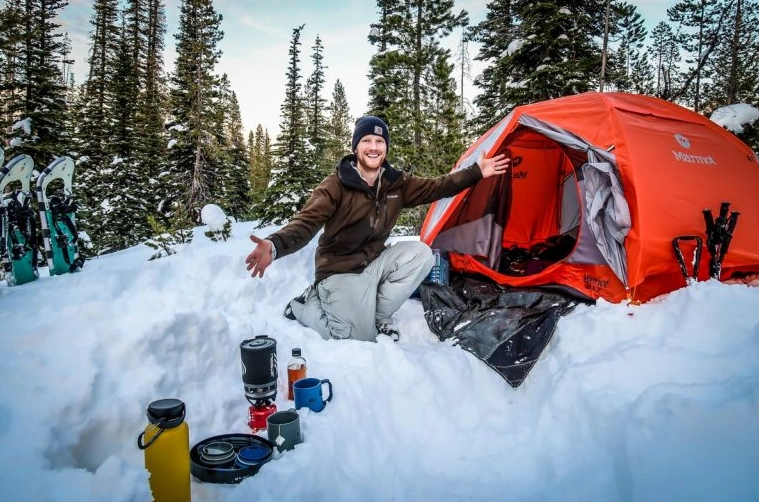
A Realistic 3-Day Winter Camping Itinerary
Let's assume you're headed to a place like Mount Rainier's Paradise. Here’s how a successful trip flows.
Day 1: Arrival & Setup
Morning: Final gear check. Drive to trailhead. Eat a big lunch.
Afternoon (by 2 PM): Snowshoe or ski 1-2 miles to your chosen zone. Daylight is short. Stomp your platform, set up tent, and gather snow for melting.
Evening: Melt snow for water (it takes longer than you think). Cook a hearty, one-pot dinner like dehydrated chili. Change into dry sleeping clothes immediately after dinner. Boil water, put it in a Nalgene, and toss it in your sleeping bag 15 minutes before you get in.
Day 2: Exploration & Enjoyment
Morning: Relight stove inside vestibule (never in the tent!). Make hot oatmeal and coffee. Pack a day bag with layers, food, and a thermos.
Day: Explore without your heavy pack. Do a ranger-led snowshoe hike or summit a small peak. Be back at camp with at least 90 minutes of daylight left.
Evening: Repeat camp chores. This is when you relax, maybe with a hot chocolate, and watch the stars in the silent, frozen world.
Day 3: Breakdown & Exit
Morning: Pack everything inside the tent. Take down tent last. Fill in your stomped platform to leave no trace. Ski/snowshoe out.
Pro Move: Have a change of clothes and a thermos of hot soup waiting in your car.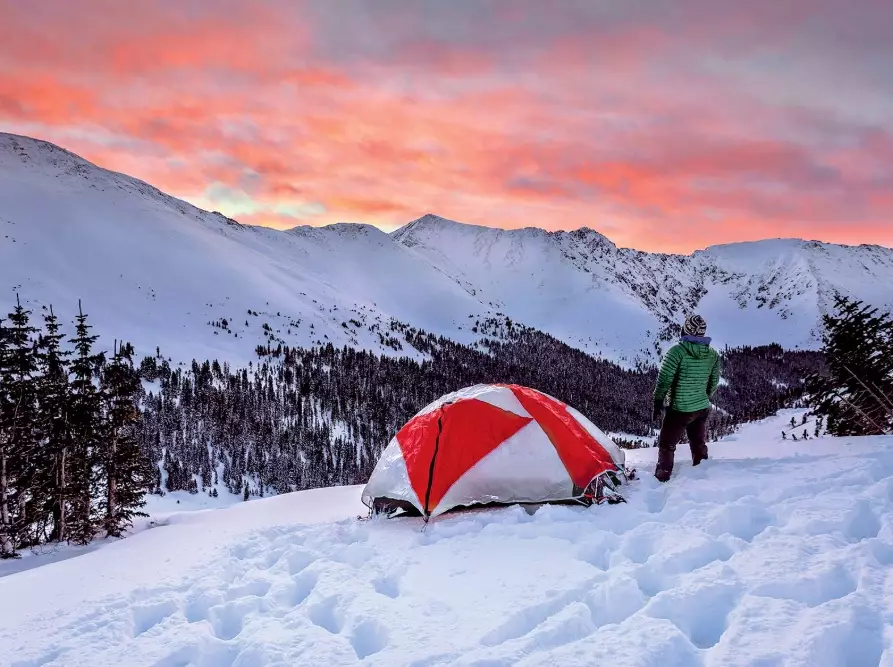
The 5 Most Common (and Dangerous) Beginner Mistakes
- Underestimating Hydration: You don't feel as thirsty in the cold, but you're losing moisture through respiration. Drink at least 3 liters a day. Dehydration accelerates hypothermia.
- Going to Bed Cold: Your sleeping bag is a warmth retainer, not a heater. Do some jumping jacks before you zip up. If you're shivering, you're already behind.
- Letting Gear Freeze: Boot liners, stove fuel, water filters. Keep critical items in your sleeping bag or inside layers. A frozen boot liner is a trip-ender.
- Venting the Tent: It's counterintuitive, but you must crack a vent. Four people breathing put out over a gallon of water vapor overnight. Without venting, it condenses and freezes on the tent walls, then falls on you as snow.
- Assuming Snow is an Insulator: It is, but only when it's fluffy and dry. Compacted snow (like a trail or your platform) is highly conductive. That's why the insulated sleeping pad is non-negotiable.
Pro Tips You Won't Find in the Manual
These come from a decade of trial, error, and shared wisdom around winter campfires.
Bring two pairs of gloves: a thin, dexterous pair for camp tasks (like Outdoor Research PL400 Sensor Gloves) and a massive, waterproof pair for when you're not moving. Lose dexterity, and you can't light your stove.
Pre-cook and freeze your first night's meal. It acts as an extra ice block in your cooler on the drive up, and you just need to reheat it, saving fuel and time when you're most tired.
Use a closed-cell foam pad (like a Z-Lite Sol) under your inflatable pad. It adds R-value, and if your inflatable pad pops, it's a lifesaving backup.
Line your backpack with a heavy-duty trash compactor bag. It's the cheapest, most effective waterproofing you can buy. Everything inside stays dry.
Finally, embrace the slowness. Everything takes twice as long. Melting snow, putting on boots, packing up. That's not an inconvenience; it's part of the experience. It forces you to be present.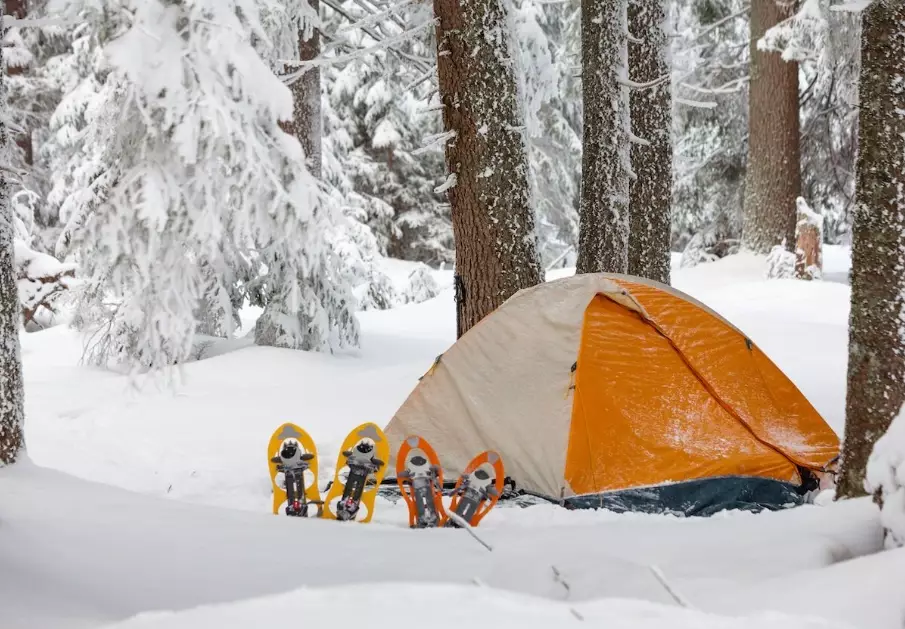
Quick Answers to Your Snow Camping Questions
How do I prevent my water from freezing while camping in snow?
Store your water bottle upside down in your tent's vestibule. Ice forms at the top first, so when you flip it right-side up, you can access unfrozen water. For longer trips, use an insulated bottle sleeve or keep a Nalgene bottle in your sleeping bag at night. Boiling water in the morning and pouring it into a thermos ensures hot drinks all day.
Is a regular 3-season tent okay for snow camping?
It's a common and dangerous mistake. Three-season tents lack the structural strength to handle snow load and their ventilation is insufficient, leading to massive condensation that turns to ice inside. You need a true 4-season tent with stronger poles, a robust rainfly that goes close to the ground, and strategic venting options to manage moisture.
 What's the biggest mistake beginners make with sleeping bags in winter?
They buy a bag rated to the expected temperature. That's a comfort rating for an average man. You need a bag rated 10-15 degrees Fahrenheit LOWER than the coldest temperature you expect. If you anticipate 20°F (-7°C), get a 0°F (-18°C) bag. Women typically need an even warmer bag. Always pair it with an insulated sleeping pad with an R-value of at least 5.
How do I go to the bathroom in deep snow?
Pack a small lightweight shovel. Dig a cathole at least 6-8 inches deep through the snow AND into the soil beneath. Snow melts. In popular winter camping areas, some parks require you to pack out solid human waste in designated wag bags—always check regulations. Mark your spot with a ski pole away from camp and water sources.
Camping in snow strips away distractions and amplifies the basics: warmth, water, shelter, food. Getting it right delivers a sense of accomplishment and connection to nature that's hard to find anywhere else. It's not about conquering the cold, but learning to thrive within it. Start with a single overnight close to your car, nail your systems, and then venture deeper. The silent, star-filled winter world is waiting.