You've packed the tent, the sleeping bags, the perfect marshmallow sticks. The campsite is booked, the trails are calling. Then, a few days after you get home, it starts: the maddening, blistering, sleep-robbing itch. Poison ivy. It's the uninvited guest that can ruin a perfect trip and leave you miserable for weeks. I've been guiding camping trips for over a decade, and I've seen more people sidelined by this plant than by bad weather or lost gear combined. The good news? With the right knowledge, avoiding poison ivy while camping isn't just luck—it's a skill you can master. This guide isn't about generic advice; it's the deep-dive, from-the-field strategy I wish every camper knew before they hit the woods.
Your Quick Trail Map to a Poison Ivy-Free Trip
- What Makes Poison Ivy Such a Camping Menace?
- How to Identify Poison Ivy: Leaves, Colors, and Lookalikes
- Poison Ivy Prevention Strategies for Every Camping Scenario
- Your Ultimate Poison Ivy Protection Kit & Checklist
- "I Think I Touched It!" Your Step-by-Step Response Plan
- Treating the Rash: From Calamine to Cortisone
- Poison Ivy & Camping: Your Tough Questions Answered
What Makes Poison Ivy Such a Camping Menace?
Let's clear something up first. The villain isn't the plant itself, but an oil it produces called urushiol. This clear, sticky oil is on the leaves, stems, and roots. It bonds to your skin, clothing, gear, and even your dog's fur in minutes. The rash is an allergic reaction, and sensitivity can increase with each exposure. That's why someone who "never got it before" suddenly has a terrible case.
Camping puts you right in its territory. You're not just walking on a cleared path; you're gathering firewood, setting up a tent in a semi-cleared spot, brushing against vegetation to get that perfect photo. Urushiol is incredibly stable. It can stay active on surfaces for years if not washed off. That's the scary part—you can get it from your backpack that brushed a vine last season.
How to Identify Poison Ivy: Leaves, Colors, and Lookalikes
The old rhyme "Leaves of three, let it be" is a good start, but it's kindergarten level. To really protect yourself, you need the graduate course.
Beyond the Basics: Leaf Shape, Texture, and Growth Habit
Poison ivy leaves are almond-shaped, with the middle leaflet on a longer stalk. The edges can be smooth, toothed, or lobed—this variability trips people up. The leaves often have a slight sheen, especially in spring and early summer. In fall, they turn brilliant red, orange, or yellow. A common mistake is thinking it's only a threat in summer. Those colorful fall leaves are just as toxic, if not more so because they're brittle and the oil is exposed.
It can grow as a low ground cover, a shrub up to 3 feet tall, or a hairy vine climbing trees. Those hairy vines are a dead giveaway. They look like rough rope clinging to the tree trunk. Never, ever use a tree with a hairy vine as a support for your hammock or tarp.
Common Lookalikes (and How to Tell the Difference)
This is where most online guides stop. Let's go further. Virginia creeper and box elder seedlings are often mistaken for poison ivy. Virginia creeper has five leaflets, not three. Box elder seedlings have opposite leaf arrangement (leaves directly across from each other on the stem), while poison ivy leaves are alternate (staggered). Blackberry and raspberry canes might have three leaves, but they have thorns. Poison ivy does not.
Poison Ivy Prevention Strategies for Every Camping Scenario
Prevention is about creating layers of defense. Think of it like setting up a rainfly—you want multiple barriers between you and the problem.
Setting Up Camp: The Site Survey
Before you unload a single bag, do a slow walk-around of your campsite. Look for low plants with three leaves, and scan tree trunks for those hairy vines. Pay special attention to the perimeter of the cleared area and any woodpiles. If you see any, do not burn it. Inhaling urushiol smoke can cause a severe reaction in your lungs, which is a medical emergency. Mark it with a bright bandana if you have to, and avoid that area completely.
On the Trail: The Art of Clean Hiking
Stay on the center of maintained trails. When you step off-trail to let others pass, look down first. Wear long pants and tall socks, tucking your pants into your socks. It looks dorky, but it creates a physical barrier. I prefer synthetic hiking pants over cotton denim. The slicker surface seems to allow oils to be washed off more easily than absorbent cotton.
Use trekking poles. They keep your hands from instinctively grabbing vegetation for balance on steep sections.
Around Camp: Pet, Gear, and Firewood Protocol
Your dog can get the oil on its fur and transfer it to you when you pet it. Consider keeping them on a lead near known problem areas. When gathering firewood, pick up only dry, dead wood that's off the ground. Don't break branches off living shrubs or saplings. Assume any unidentified vine on a log is poison ivy.
Your Ultimate Poison Ivy Protection Kit & Checklist
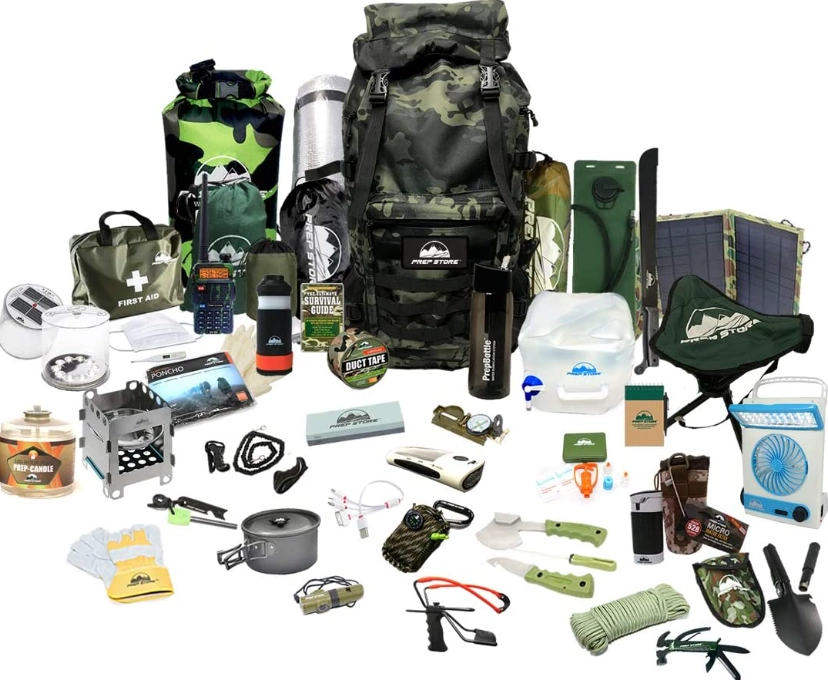
Don't just hope for the best; pack for it. Here’s the non-negotiable gear that lives in my pack every single trip.
| Item | Specific Type / Brand Example | Why It's Critical |
|---|---|---|
| Barrier Cream | IvyX, Tecnu Pre-Contact | Creates a clay-like layer that binds urushiol before it touches skin. Apply to exposed skin (ankles, wrists, neck) before you head out. |
| Poison Ivy Cleanser | Tecnu Original, Zanfel | These are specifically formulated to dissolve and remove urushiol oil. Much more effective than soap and water alone, especially after the first 10 minutes. |
| Heavy-Duty Gloves | Disposable nitrile or thick gardening gloves | For handling potentially contaminated gear, firewood, or your dog's leash. Dispose of or wash them carefully after use. |
| Plastic Bags (Ziploc) | Gallon and quart size | To isolate contaminated clothing before washing. Seal them up until you can deal with them properly. |
| Rubbing Alcohol Pads | Individual first-aid pads | Alcohol can break down urushiol. Great for a quick wipe of gear, knife handles, or trekking pole grips if you suspect contact. |
| Cold Pack | Instant chemical cold pack | If a rash starts, cold is your best immediate friend for reducing inflammation and itch. |
"I Think I Touched It!" Your Step-by-Step Response Plan
Time is everything. Urushiol penetrates the skin within 10-15 minutes. Your actions in the first hour dictate the severity of the reaction.
Step 1: Stop and Isolate. Don't touch your face, eyes, or any other part of your body. If you were wearing gloves, keep them on.
Step 2: Wash, Don't Scrub. Get to your cleanser (Tecnu) or, if you have nothing else, cool running water and soap. Use a cloth, not your bare hands. Gently wash the area for at least two minutes. Hot water opens your pores and can let the oil in deeper—use cool or lukewarm.
Step 3: Contain the Contamination. Carefully remove your clothing, turning it inside out to avoid touching the outer surface. Place everything—clothes, shoes, backpack, hat—into a plastic bag. Wash your hands again after handling the bagged items.
Step 4: Decontaminate Gear. Wipe down hard items (water bottles, knife, trekking poles) with rubbing alcohol pads or soapy water. Do this outside, not in your tent or car.
Treating the Rash: From Calamine to Cortisone
If, despite your best efforts, the red, itchy streaks or blisters appear, here's how to manage it.
The rash itself is not contagious. The blister fluid does not contain urushiol. You can't spread it by scratching, unless you still have oil under your fingernails.
For Mild to Moderate Itch: Calamine lotion, colloidal oatmeal baths (Aveeno makes great packets), and cold compresses are classic for a reason—they work by soothing and drying the weepy blisters. Over-the-counter hydrocortisone cream (1%) can reduce inflammation. Take an oral antihistamine like Benadryl at night to help with sleep-disrupting itch, but be aware it causes drowsiness.
When to See a Doctor Immediately: If the rash covers a large area of your body, is on your face or genitals, or if you have signs of a systemic reaction like swelling (especially of the eyes), difficulty breathing, or fever. A doctor can prescribe a strong oral steroid (like prednisone) which is the most effective way to stop a severe reaction in its tracks. Don't hesitate on this.
Poison Ivy & Camping: Your Tough Questions Answered
Poison ivy doesn't have to be a rite of passage for campers. It's a predictable hazard you can outsmart with preparation. Pack the right tools, train your eyes, and have a clear plan. That way, the only thing you'll bring back from the woods are great memories and maybe a few pine needles in your socks.