That first night in a tent is a mix of excitement and a hundred tiny worries. Will I be cold? What if it rains? Did I pack the right stuff? I remember my first solo trip, wrestling with tent poles in the fading light, convinced I'd forgotten something crucial. It gets easier. Much easier. This guide cuts through the noise and gives you the straight talk on tent camping, focusing on the practical steps that turn anxiety into enjoyment.
What You'll Learn in This Guide
How do you choose the right tent and campsite?
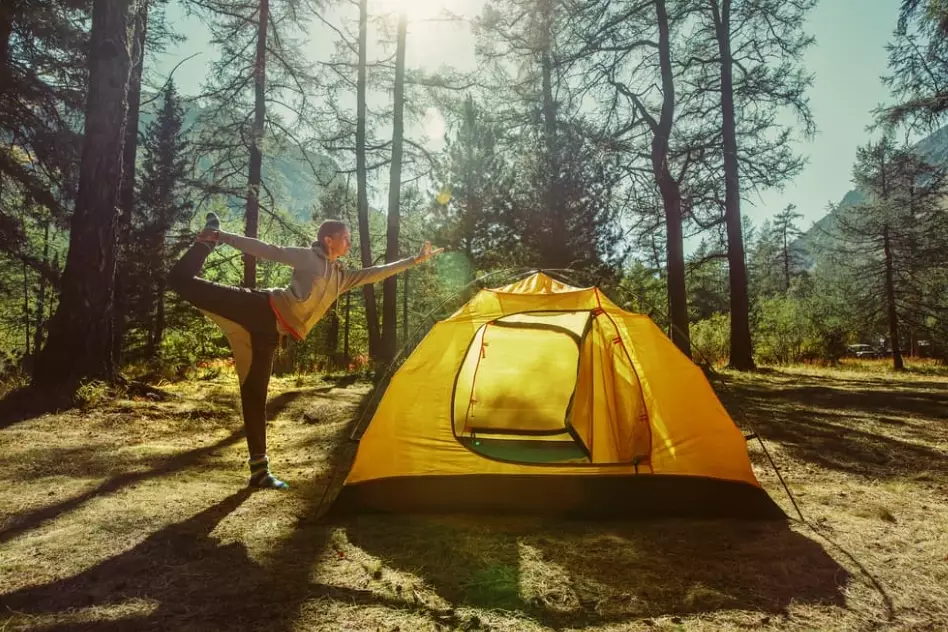
Start simple. A common mistake is buying a 2-person tent for two people. That rating is for sleeping bags side-by-side with zero gear. For comfort, add one or even two to the person count. A 3-person tent for two is perfect.
Look for a tent with a full-coverage rainfly (not a "partial" one) and a bathtub floor—the floor material extends up the sides a few inches. This is your first line of defense against ground moisture.
When you roll into a campground, don't just take the first spot. Walk around. You're looking for three things:
- High and Flat Ground: Avoid dips and valleys where water pools. A slight slope is okay if you sleep with your head uphill.
- Natural Windbreak: A line of trees or bushes can buffer strong winds, but don't camp directly under dead branches ("widowmakers").
- Sun Exposure: Morning sun can warm a chilly tent fast. Afternoon shade keeps it from becoming an oven.
Always, always book in advance for popular parks. Recreation.gov is the portal for US federal lands, but state parks have their own systems. A last-minute drive-up spot is a gamble.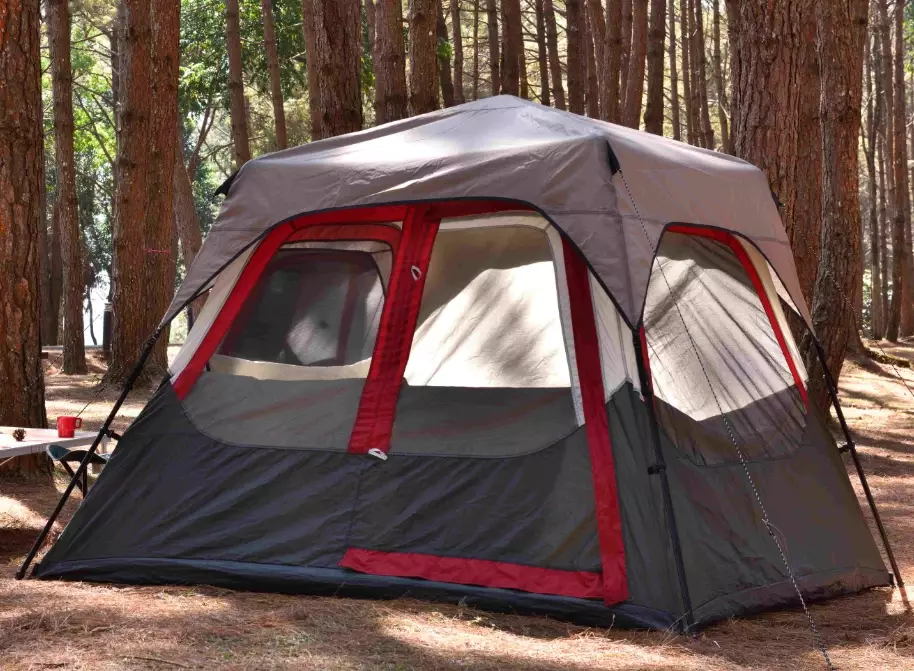
Mastering Your Tent Setup: A Stress-Free Method
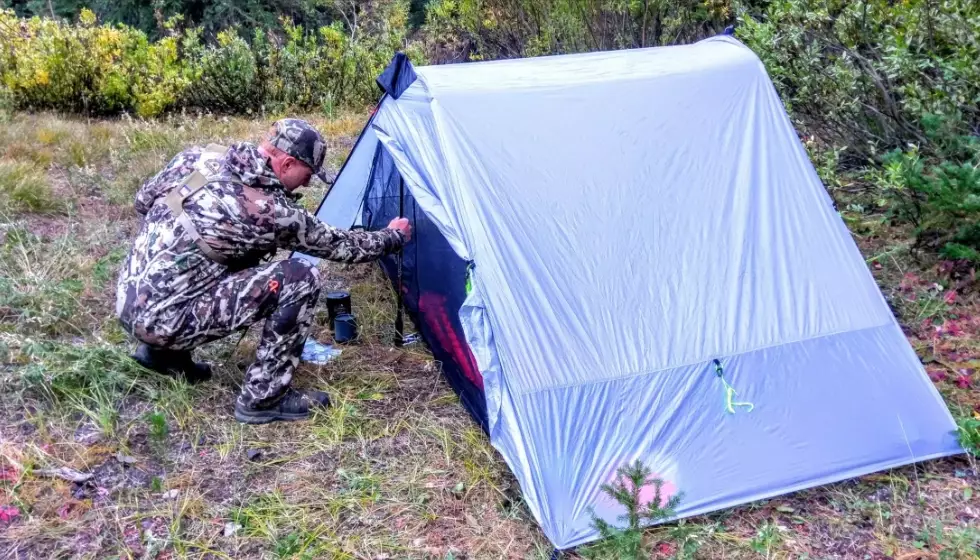
Practice in your backyard or living room first. I'm serious. It demystifies the process and lets you spot missing parts. Lay the footprint (a ground cloth) first. It protects the tent floor. Make sure it's slightly smaller than the tent's base—if it sticks out, it will channel rainwater under you.
The Golden Rule of Tent Assembly
Assemble the poles and clip or sleeve them into the tent body before you stake anything down. This gives you a stable structure to adjust. Once it's standing, orient the door away from the prevailing wind (check the campsite's orientation or feel the breeze). Then stake it out, starting with the corners. Pull the guylines taut on a rainy or windy day; you can leave them slack on calm nights.
How do you stay warm, dry, and organized?
Cold doesn't come from the air above you; it comes from the ground below. Your sleeping bag's insulation gets compressed under your body. A good sleeping pad is not optional—it's your most important piece of gear for warmth. An inflatable pad with a high R-value (insulation rating) beats a thin foam one every time for comfort and heat retention.
Organization is sanity. Use a headlamp with a red light mode to preserve night vision and avoid blinding your camp mates. Keep a dedicated "wet bag" for muddy shoes and soggy clothes. A simple plastic tub or bag for your kitchen items keeps critters from smelling food in your main pack.
Your Non-Negotiable Camping Checklist
Forget something once, and you'll never forget it again. Here’s a core list. Adapt it for car camping (where you can bring more) versus backpacking (where weight matters).
| Shelter & Sleep | Kitchen & Food | Clothing & Personal | Tools & Safety |
|---|---|---|---|
| Tent, rainfly, footprint/ground cloth | Stove, fuel, lighter/matches | Moisture-wicking base layers (no cotton!) | Headlamp (with extra batteries) |
| Sleeping bag (rated for expected lows) | Pot, pan, spork, mug | Insulating mid-layer (fleece/puffy) | Multi-tool or knife |
| Sleeping pad (check the R-value) | Biodegradable soap, small scrubber | Rain jacket and pants | First-aid kit |
| Pillow (or stuff sack with clothes) | Water storage & treatment (filter/tabs) | Warm hat, gloves (even in summer) | Map & compass (not just phone) |
| Earplugs & sleep mask (trust me) | Bear canister or bag (if required) | Extra socks (wool or synthetic) | Duct tape (wrap some around a water bottle) |
Food storage is critical. In bear country, use the provided metal lockers or a certified bear canister. Everywhere else, a simple rope and bag to hang food between two trees works, or at minimum, keep all food and toiletries sealed in your car overnight. A racoon trashing your cooler is a miserable way to end a trip.
Leaving No Trace: It's More Than Just Packing Out Trash
This is the expert mindset shift. We want the place to look untouched when we leave. The Leave No Trace Center for Outdoor Ethics outlines seven principles, but for tent camping, focus on these actions: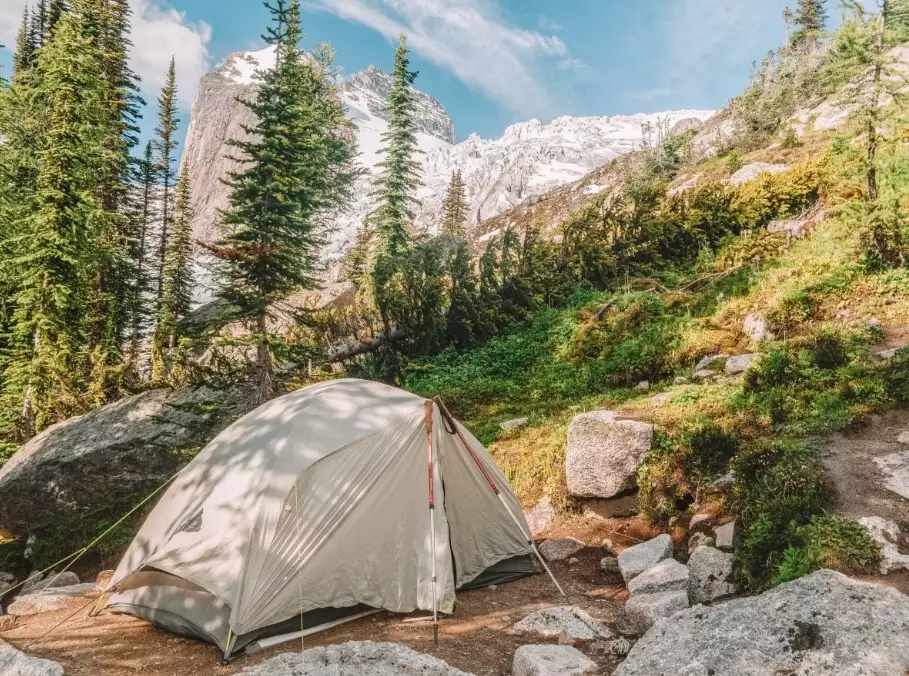
- Camp on Durable Surfaces: Use established sites. Don't create new tent pads or clear vegetation.
- Dispose of Waste Properly: Pack out all trash, including food scraps and toilet paper. Use designated facilities or dig a cathole 6-8 inches deep at least 200 feet from water.
- Minimize Campfire Impacts: Use a camp stove. If you must have a fire, keep it small in an existing ring, use only small sticks from the ground, and burn it to ash. Drown it completely.
- Respect Wildlife: Observe from a distance. Never feed animals. It alters their behavior and can be dangerous.
It's about being a good guest in nature's home.
Tent Camping FAQs: Beyond the Basics
 Is camping safe in stormy weather?
 The goal isn't to survive the night in your shelter; it's to enjoy it. Start with a short, easy trip close to home. Each time you go, you'll refine your system, learn what you truly need, and shed the gear that just adds weight. The sounds of the woods will become familiar, the routine of setting up will feel satisfying, and that initial anxiety will be replaced by the deep, simple pleasure of a night under the stars.