Let's cut to the chase. A campfire is the soul of camping, but it's also the single biggest responsibility you have outdoors. Most articles give you the same old list: keep water nearby, don't leave it unattended. That's kindergarten stuff. Real camping fire safety isn't about memorizing rules; it's about understanding the why behind them and developing a mindset that prevents disaster before the first spark flies. I've spent over a decade guiding trips and have seen the subtle mistakes that turn a cozy evening into a frantic, dangerous mess. This guide is about building, enjoying, and killing a fire with absolute confidence.
Quick Navigation: What You'll Learn
- The Non-Negotiable Pre-Trip Checklist
- Choosing and Preparing Your Fire Site: More Than Just a Ring
- Building Your Fire: Technique Over Luck
- Managing and Enjoying the Fire Safely
- Extinguishing the Fire: The Step Everyone Rushes
- 5 Common Mistakes Even Experienced Campers Make
- Your Campfire Safety Gear Checklist
- Your Burning Questions Answered (FAQs)
The Non-Negotiable Pre-Trip Checklist
Safety starts before you pack the marshmallows. Your first task is intelligence gathering.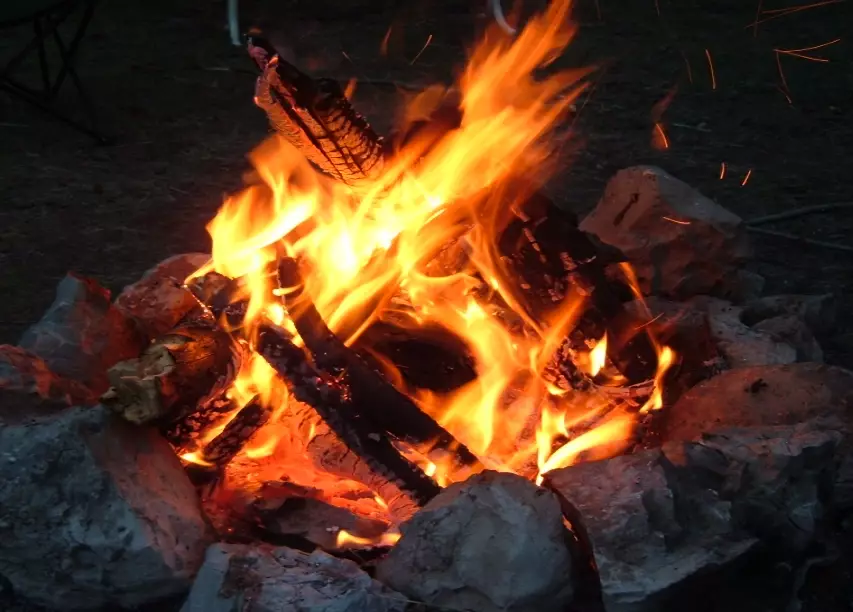
Check Fire Restrictions and Bans. This is the most critical step, and it's dynamic. A park that allowed fires last week might have a total ban today due to dry conditions. Don't rely on hearsay or last year's memory. Go directly to the official source:
- Visit the website of the specific national park, state park, or national forest you're visiting. Look for "Alerts" or "Fire Danger" sections.
- For broader regional info in the US, consult resources like the US Forest Service or state Department of Natural Resources fire restriction pages.
- Call the ranger station. A two-minute call can clarify local rules, like whether elevated fire pans are required in dispersed camping areas.
Understand the Terms:
- Stage 1 Restrictions: Usually means fires only in designated, agency-built fire rings.
- Stage 2 Restrictions: Typically means no wood or charcoal fires at all. Propane stoves with an on/off switch may be allowed.
- Total Fire Ban: No flames of any kind, period.
Ignoring a ban isn't just a fine; it's a potential felony if your fire escapes. I've seen campsites evacuated because one person decided the rules didn't apply to their "small" fire.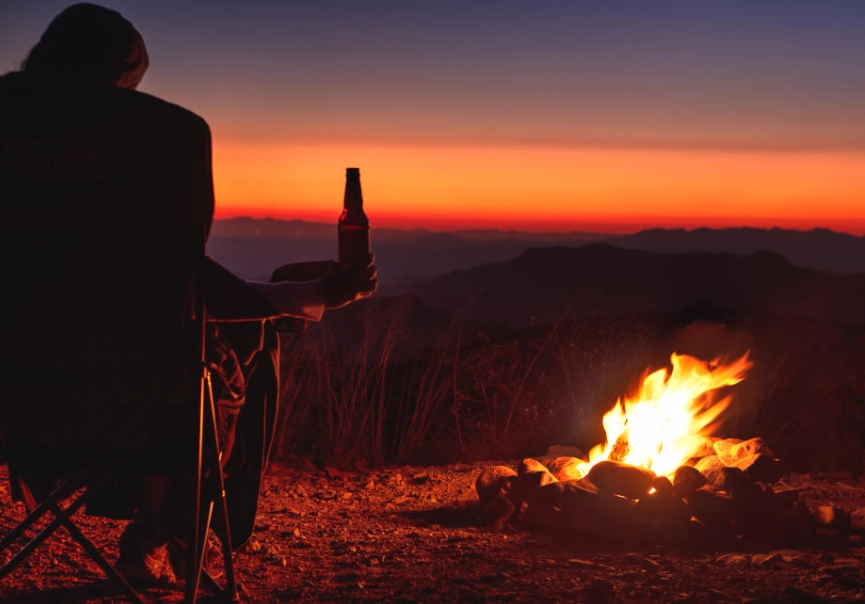
Pro Tip: If there's any doubt about a ban or if conditions are extremely dry and windy, just skip the fire. A lantern and good company are better than a wildfire. I've made this call dozens of times, and never once regretted it.
Choosing and Preparing Your Fire Site: More Than Just a Ring
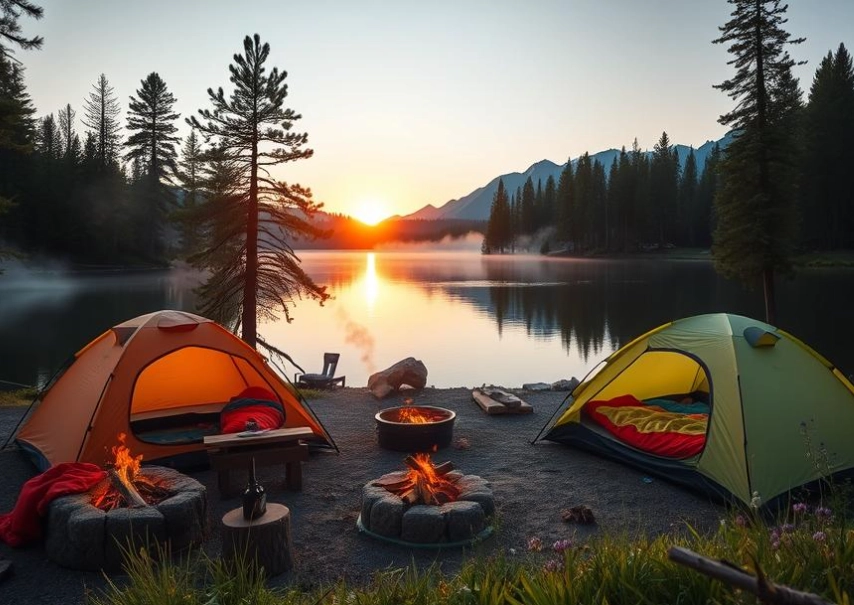
You've got the green light for fires. Now, where do you put it? If you're at a developed campground, use the existing metal or stone fire ring. Don't build a new one. Those rings are placed with safety in mind.
For backcountry or dispersed camping where you must create a site, here's the process most people mess up.
Location, Location, Location
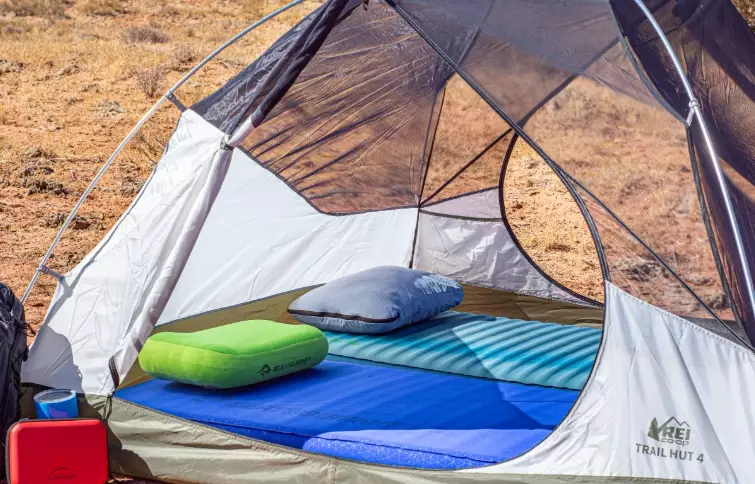
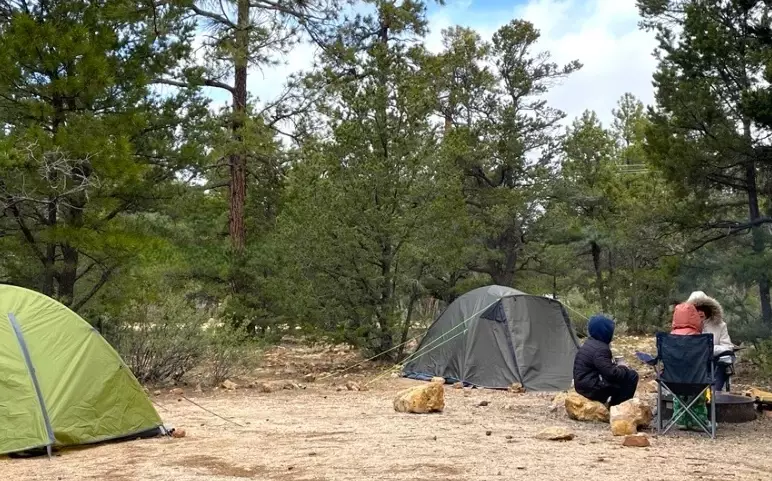
Find a spot at least 15 feet away from tent walls, shrubs, trees, low-hanging branches, logs, and your gear. Look up, down, and all around. That cute, sheltered nook under a pine tree is a terrible idea. Embers can float surprisingly far.
Choose mineral soil—sand, gravel, or bare dirt. Avoid grassy areas or areas thick with pine needles and duff. This organic matter can smolder underground for days, traveling along roots and popping up far away (a "root fire"). I once had to help extinguish one that traveled 20 feet from a seemingly dead fire pit from the night before.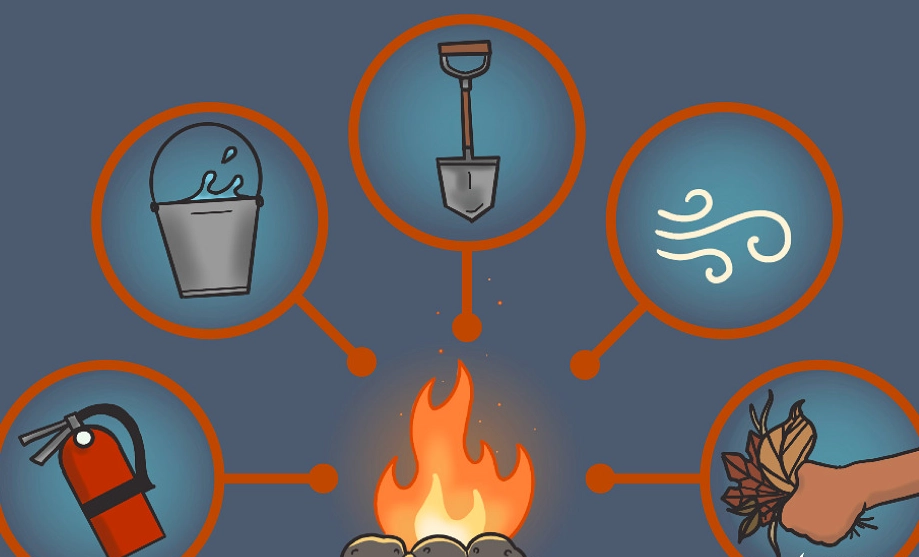
Building Your Fire Pit (The Right Way)
If no ring exists, don't just pile rocks in a circle. Scrape away all flammable material in a 10-foot diameter circle, down to bare soil. Pile that debris well outside the circle.
Now, dig a shallow pit about 6-8 inches deep in the center. Place the removed mineral soil in a mound nearby—you'll need it later. Use rocks from a dry riverbed or already exposed areas to line the pit. Never pull rocks from a live stream or vegetated area; it damages the ecosystem. And avoid porous or wet river rocks, which can trap moisture, heat up, and explode.
The Big Mistake: Building a fire directly on a flat rock slab. The heat can crack the rock, and the scorch mark lasts for decades. It's a classic sign of a careless camper.
Building Your Fire: Technique Over Luck
Forget the teepee vs. log cabin debate for a second. The real secret is in your tinder, kindling, and fuel wood.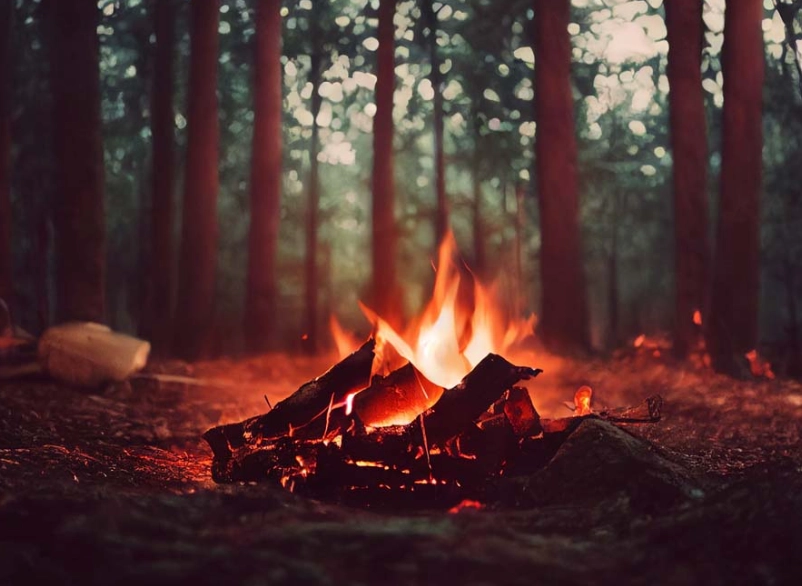
- Tinder: This catches the initial spark. Use bone-dry, fluffy material like commercial fire starters, dryer lint in a wax paper bag, birch bark, or fine wood shavings. Don't rely on finding dry grass.
- Kindling: Small sticks, from pencil-width to thumb-width. They must be dead and snapped crisply, not bent. This is your fire's engine. Gather way more than you think you need—at least two big armfuls.
- Fuel Wood: Larger logs. Use only local, dead, and downed wood. Never cut live trees or branches. Transporting firewood spreads invasive insects like the emerald ash borer. Buy it near your campsite or gather it responsibly on-site where permitted.
Start small. Build a loose pile of tinder, add kindling in a teepee shape, and light it. Let that small fire grow hot before even thinking about adding a thumb-sized stick. Gradually increase size. A common failure is smothering the infant flame with a log that's too big, too soon.
Managing and Enjoying the Fire Safely
Your fire is crackling. Now, the maintenance phase.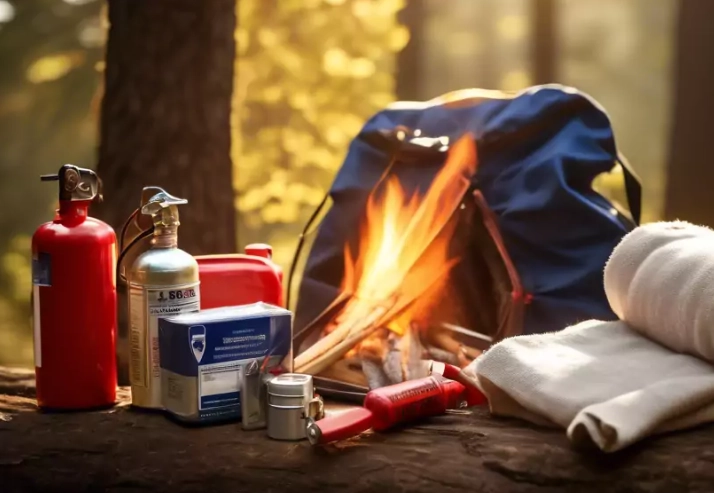
Keep it manageable. A roaring bonfire is for movies, not camping. A fire knee-high is more than enough for heat, light, and cooking. It's easier to control and uses less wood.
Never leave it unattended. Not for a bathroom break, not to grab something from the car. If everyone is leaving the immediate area, the fire must be out. Wind can appear out of nowhere and send sparks flying.
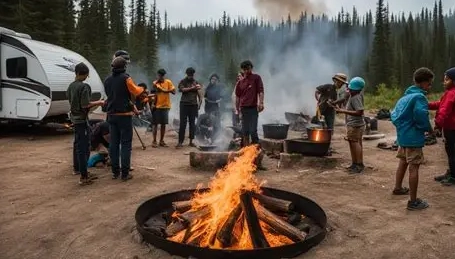
Watch the kids and pets. Establish a "fire circle"—a visible boundary (like a ring of larger rocks) that they cannot cross. Assume every piece of wood has a hidden, sharp point aimed at an eyeball. No running or horseplay nearby. Ever.
What to burn (and what NOT to burn): Only untreated, natural wood. Never burn: plastic, foil, food scraps (especially greasy ones), batteries, or aerosol cans. They release toxic fumes and can cause dangerous flare-ups or explosions. That trash bag is not a fire starter.
Extinguishing the Fire: The Step Everyone Rushes
This is where 90% of campers fail. Pouring a water bottle over some red coals and calling it a night is a recipe for disaster. You need to be methodical.
Start extinguishing at least 30-45 minutes before you plan to go to bed or leave. Don't wait until you're tired and want to crash.
- Let it Burn Down. Stop adding fuel. Let the fire reduce to mostly white ash and red embers.
- Drown It. Slowly pour water over the entire fire area, not just the center. Use more water than you think is necessary. Have that dedicated water bucket ready.
- Stir It Up. Use a long, sturdy stick (or your shovel) to stir the ashes and embers. Break apart any large chunks. You're exposing hidden hot spots.
- Feel It. This is the non-negotiable step. Carefully place the back of your hand close to the wet ashes and any remaining wood chunks. If you feel any residual heat, it's not out. Go back to step 2.
- Drown and Stir Again. Add more water and stir again until you can confidently place your hand directly on the wet ashes.
The goal is cold, wet, lifeless mush. If water is scarce, use dirt (mineral soil, not the flammable duff you scraped away), but you must still stir and feel for heat. Dirt insulates, so this method requires even more diligence.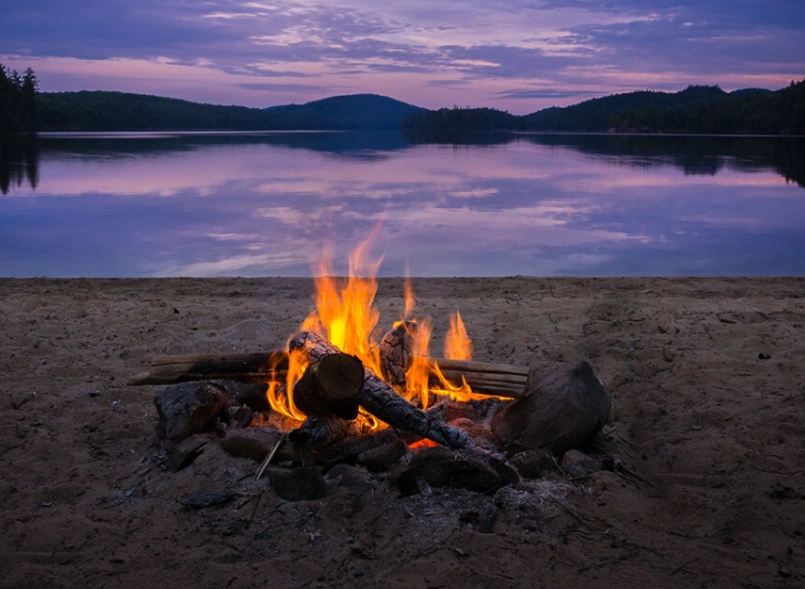
5 Common Mistakes Even Experienced Campers Make
- Using the Wrong Extinguishing Method: Throwing sand or dirt on top without stirring. This just buries hot coals, creating an insulated oven that can reignite hours later.
- Misjudging Wind: Building a fire on a seemingly calm evening without checking the forecast for later wind shifts. A gust can turn embers into projectiles.
- Burying or Scattering Ashes Incorrectly: In the backcountry, once the ashes are completely cold, you can scatter them widely over mineral soil away from camp. Never dump a warm ash pile in one spot. In a campground, leave cold ashes in the fire ring.
- Ignoring the "Leave No Trace" Principle for Fire Scars: If you built a new fire ring in a pristine area, you must dismantle it before you leave. Scatter the cool rocks, fill in the pit with the saved mineral soil, and camouflage the area with natural debris. Make it look like you were never there.
- Forgetting About Footwear: Wearing synthetic camp shoes or sandals too close to the fire. A single floating ember can melt a hole right through them in seconds. I've lost a good pair of Crocs this way.
Your Campfire Safety Gear Checklist
Don't Leave Home Without This
- A Large Water Bucket (5-gallon): Not a bottle. A bucket. Fill it at the water source before you light the fire.
- A Long-Handled Shovel: For digging the pit, stirring ashes, and moving coals. A small camping trowel is not enough.
- Leather Work Gloves: Protects your hands when adding wood, moving logs, or stirring hot ashes.
- A Reliable Fire Starter: Matches in a waterproof container and a backup butane lighter. Don't rely on friction methods unless you're a true expert.
- Headlamp or Flashlight: For seeing what you're doing when lighting or extinguishing after dark.
Your Burning Questions Answered (FAQs)
What's the very first thing I should do if my campfire starts to spread beyond the pit?
Shout to alert everyone. Immediately douse the escaping flames with your pre-filled water bucket. Use your shovel to throw dirt on the flames and to cut a line in the vegetation to stop the spread. If it grows beyond your ability to control it in seconds, call 911 immediately, provide your exact location, and evacuate to safety. Don't try to be a hero.
Is it safe to build a campfire on a beach?
It can be, but with major caveats. Check local ordinances—many beaches prohibit fires. If allowed, dig your pit below the high tide line in wet, packed sand. The rising tide will obliterate it. Never build on dry dune grass. Be extra cautious with wind coming off the water, which can be strong and unpredictable. Remove all traces before leaving.
How can I tell if downed wood is dry enough to burn safely?
Look for wood that is off the ground, grayish, and without bark. Snap a branch. It should break with a sharp, clean crack, not bend. A dull thud or flexibility means it's still green or rotten. Dead wood on the forest floor is often damp. The best wood is "standing deadwood"—still upright but clearly dead. Always break it to check inside; the center should be dry, not damp or punky.
My campground has a grill grate over the fire ring. Can I just build the fire under it?
Yes, but you still need to follow all the same prep and safety steps. The grate doesn't replace a proper fire bed. Build your fire small and hot underneath it. Be careful when adjusting the grate; use gloves as the metal gets extremely hot. Don't overload the grate with heavy cookware that could tip into the fire.
What's the deal with propane fire pits? Are they safer?
They're often allowed during Stage 2 wood-fire bans because they have an instant on/off switch. They're generally safer in terms of wildfire risk—no flying embers. You still need to place them on a stable, non-flammable surface (not a wooden picnic table) and keep a safe distance from tents and flammable materials. The surface and the unit itself get very hot, so the same kid and pet rules apply. They're a great low-impact option.