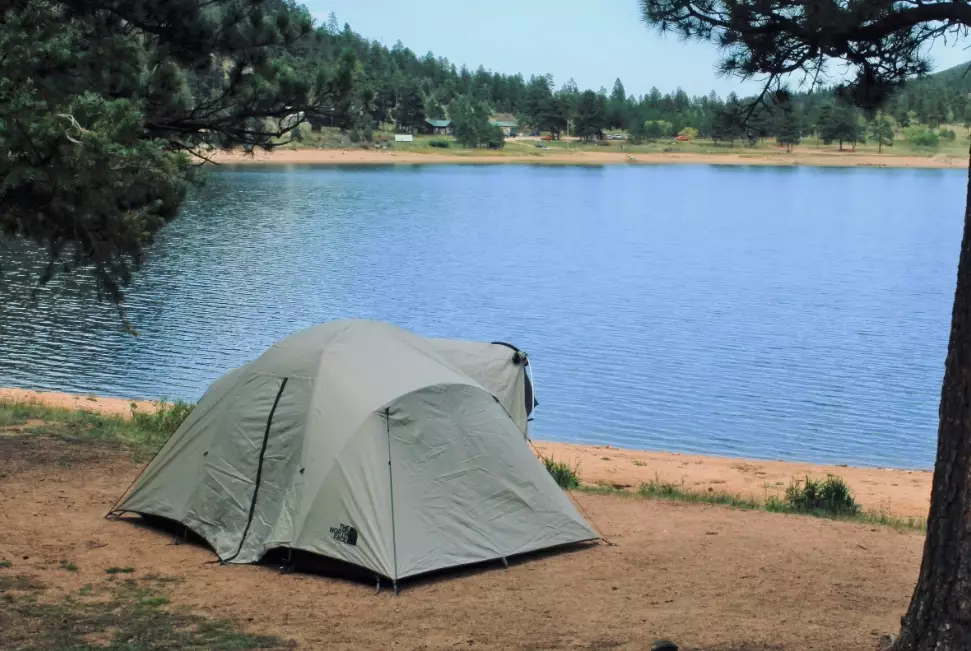
Summer. That word alone brings a feeling of freedom, long days, and the perfect excuse to get outdoors. But when you type "summer camping ideas" into Google, you get a thousand results that all start to look the same: "pitch a tent, make s'mores, sleep under the stars." That's fine for the first trip. Maybe the second. But by the third, you're looking at your kids asking "what are we doing today?" and scrolling through your phone for the tenth time.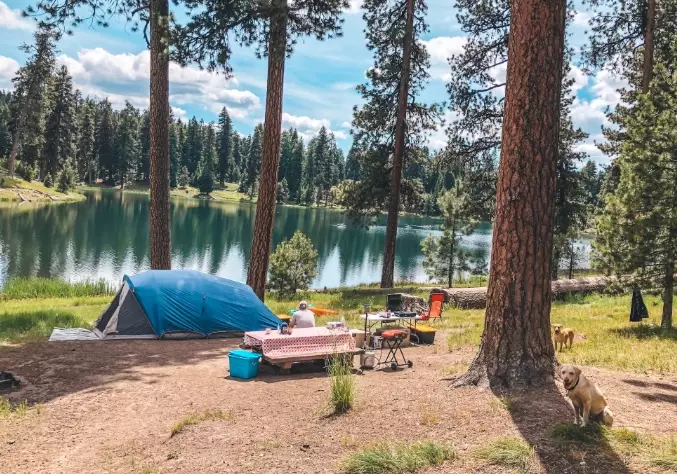
I've been organizing camping trips for my family and local scouting groups for over a decade. The biggest mistake I see new campers make? They plan the trip, not the experience. They focus on the destination and the gear, but forget that camping, especially in summer, is about creating memories through shared activities and a little bit of clever planning.
This guide is my attempt to fix that. We're going to move beyond the basics and dive into 20 creative summer camping ideas. These aren't just a list; they're full-fledged concepts with specific details you can actually use. Some are simple, some require a bit more planning, but all are designed to spark that sense of adventure and keep everyone, from toddlers to teenagers to adults, genuinely engaged.
What You'll Find in This Guide
A quick look at what we're covering. Think of it as your menu for an amazing summer.
1. Destinations That Feel Like a Discovery
Where you camp sets the stage. National parks are iconic, but don't overlook state parks, national forests, or even Bureau of Land Management (BLM) areas which often offer more solitude and flexibility. I made the mistake early on of only chasing famous names.
One of my favorite summer camping discoveries was a little-known state park near a river. It had no fancy facilities, just a basic campground with pit toilets. But the ranger station ran a weekly "Junior Ranger" program that was hands-down better than any I've seen at larger parks. The key is to look for programs, not just pretty views.
Here are three destination categories to consider, each with a specific example you can actually book or visit:
Coastal State Park Camping
Example: Cape Disappointment State Park, Washington (not actually disappointing!)
Why it works for summer: Ocean breezes keep temperatures comfortable, and there's a built-in activity list the ocean provides. This specific park has something most don't: two historic lighthouses you can tour within walking distance of each other.
Specifics to plan your trip:
- Address: Cape Disappointment State Park, 244 Robert Gray Dr, Ilwaco, WA 98624, USA.
- Fees: A Discover Pass is required for vehicle access. You can purchase a one-day or annual pass. The standard camping fee for summer 2024 is $30-$45 per night depending on the site (hookups cost more).
- Summer Hours (Memorial Day to Labor Day): The park is open 6:30 AM to dusk. The Lewis and Clark Interpretive Center has specific hours, usually 10 AM to 5 PM.
- Pro Tip: Book exactly 6 months in advance at 7 AM Pacific Time when reservations open for summer weekends. Sites with even partial shade are gone within minutes. If you miss out, check for cancellations regularly—people's plans change.
National Forest Dispersed Camping
This is my personal favorite for beating the heat. You're often at higher elevations, among dense trees that provide constant shade. The real advantage? It's usually free or very low-cost, and you have more privacy. The trade-off is there are no services like running water or flush toilets. You need to be self-sufficient.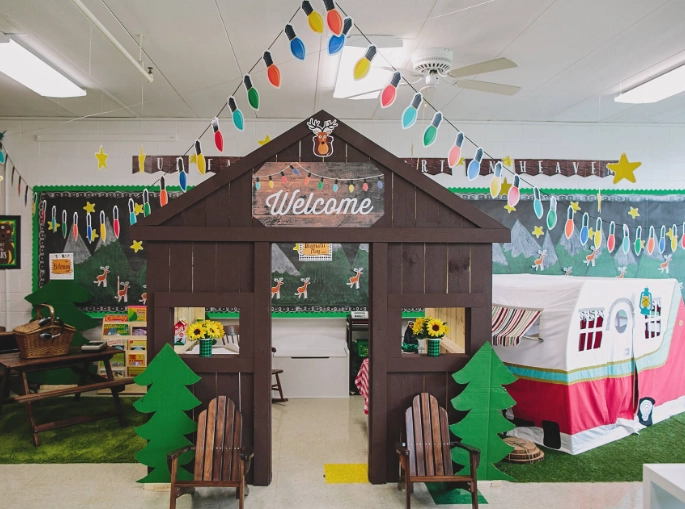
Example: Dispersed camping along Forest Road 52 in the Arapaho National Forest, Colorado.
How to find a site:
- Visit the Recreation.gov website or use their app.
- Search for the specific national forest you're targeting.
- Look for the "Dispersed Camping" filter or map layer. It will show areas where dispersed camping is allowed.
- Call the local ranger district office for the most current information on road conditions, fire restrictions, and bear activity. This is a step most online guides gloss over, but it's crucial for safety and avoiding a closed road.
BLM (Bureau of Land Management) Camping in the Desert
Now, hear me out on this one for summer. Desert camping in summer sounds insane, but in places like the Alvord Desert of Oregon or higher elevations of the Mojave, the temperatures can actually be quite mild at night. The key is elevation and timing.
Example: Joshua Tree National Park area (outside the park on BLM land).
Specifics for a summer trip:
- Address: There's no specific address for dispersed camping. You'll need a map. A good starting point is the Joshua Tree National Park BLM Map available at the BLM website or at the Joshua Tree Visitor Center.
- Fees: None. This is the definition of free camping.
- Summer Hours: Accessible 24/7, but check for fire restrictions which can change daily during peak summer.
- Pro Tip from a local: The secret to desert camping in summer is to find a site with a natural windbreak like a rock formation or a dry wash (avoid during rain!). Arrive well before sunset to set up camp in the remaining light. The temperature drops rapidly, and you'll want to be settled in. And bring at least one gallon of water per person, per day, plus extra for emergencies. I learned this the hard way on a trip where we underestimated and had to cut a hike short.
2. Activities That Go Beyond Hiking and Fishing
Let's be honest. Hiking and fishing are great, but they're passive. Summer camping allows for activities that are either only possible or significantly more enjoyable in the warmer weather. Here's a breakdown of two categories:
Water-Based Activities (The Obvious Choice)
This is where most people stop thinking. But it's not just about swimming. Consider these:
- Stand-Up Paddleboard (SUP) Camping: Rent SUPs for a day and explore a calm lake or inlet. Many rental companies near popular lakes will even deliver the boards to a nearby campground.
- Kayak or Canoe Camping: Plan a trip down a slow-moving river. You can paddle during the day and camp on riverbanks at night. This requires more planning (shuttle services for your vehicles) but offers a completely different perspective.
- Floating Camp Trip: This is a hidden gem. On a hot day, there's nothing better than a slow float down a river on inner tubes or a raft. You stop for lunch on a sandbar, swim in cool pools, and let the current do the work. It requires a designated "float trip" route and knowing where the public access points and camps are.
Land-Based Activities (Beyond the Trail)
If you're not near water, don't worry. The heat of summer opens up other possibilities:
- Geocaching: Turn a hike into a treasure hunt. There are millions of geocaches hidden worldwide. Use a free app like Geocaching or Cachly to find them.
- Camping Olympics: Create a series of silly, low-stakes competitions. Think three-legged races, water balloon tosses (if water is available), or a scavenger hunt for natural items (a specific shaped pinecone, a smooth rock, etc.). This works for any age group.
- Nighttime Activities: This is where summer truly shines. The warm evenings allow for activities that are miserable in colder seasons:
3. Themed Camping Nights to Remember
A theme gives the entire trip a sense of purpose and excitement. It's not just about decorating (though that can be fun). It's about structuring activities and even meals around a central idea. Here are three themes that have been massive hits with groups I've taken out: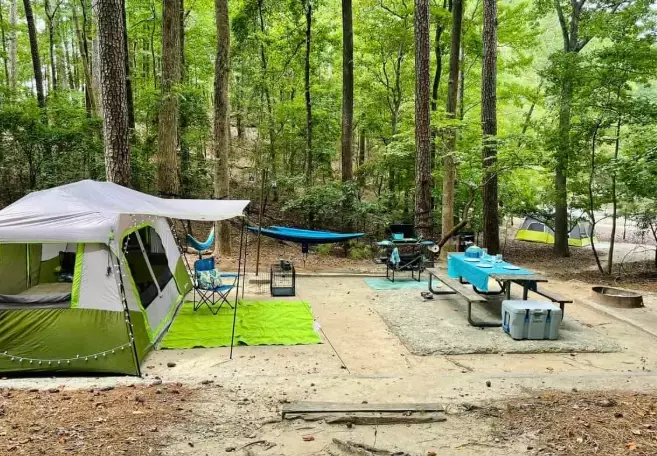
"Pirate Treasure Hunt" Camp
This one is perfect for families with younger kids. The premise is simple: you're a crew of pirates searching for buried "treasure."
How to set it up:
- Pre-Trip: Buy a small, waterproof treasure chest (or make one from a painted box). Fill it with "treasure"—think chocolate coins, small toys, or even a "map" to the next activity's location.
- At Camp: Create a series of clues that lead from one location to another around your campsite. Use natural landmarks ("the big twisted pine tree") or simple drawings on paper for non-readers.
- Cost: Minimal. The treasure chest is the biggest investment at maybe $10-$20. The contents can be dollar store items.
- Why it works: It combines a short hike with a puzzle-solving activity that keeps kids engaged and moving.
"Astronomy Night" Camp
Summer offers some of the clearest night skies, especially if you get away from city lights. This theme turns camping into a learning experience.
- Pre-Trip: Download a free stargazing app like Star Walk 2 or SkyView that lets you point your phone at the sky and identify constellations.
- At Camp: Wait until full darkness. Lie on blankets or sleeping pads and use the app to identify major constellations like the Big Dipper or Orion. See who can spot the first shooting star.
- Pro Tip: Bring a red-light flashlight (or cover a regular flashlight with red cellophane) to preserve your night vision. White light ruins your ability to see the fainter stars.
"Historical Reenactment" Camp (for Older Kids or Adults)
This one requires a bit more research but can be incredibly rewarding. Choose a historical period that interests your group, like the "Wild West" or "Medieval Times."
- Wild West Example: Plan your trip around an old ghost town or mining area. Cook meals over an open fire (safely!), tell stories about outlaws, and learn a bit about the local history.
- Medieval Example: Find a campground near a Renaissance Faire or even just a forest with a large, open clearing. Have a "feast" of hearty stews and breads, tell tales of knights and dragons, and maybe even build a simple "fort" out of branches.
4. Food and Drink Ideas That Upgrade Campfire Classics
Food is a huge part of the camping experience, and summer allows for more fresh, no-cook, or simple-to-cook options. It's also the time when a cold drink is most appreciated. Here's where many campers go wrong: they pack the same heavy, canned meals they use in colder weather.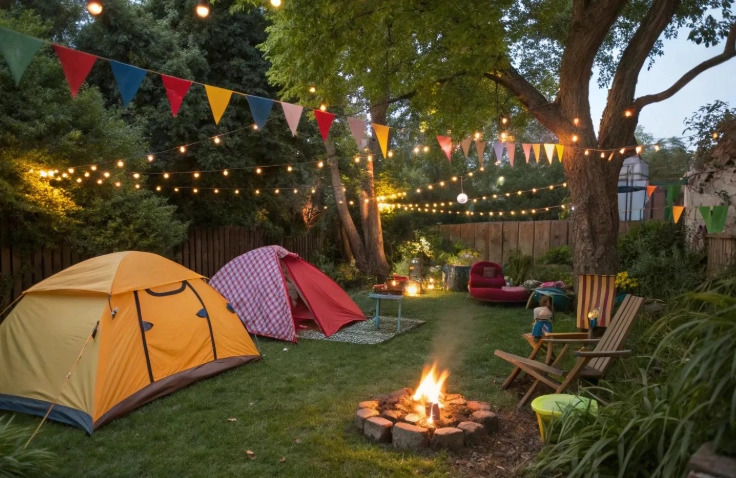
Summer-specific food tip: Embrace foods that require no cooking or minimal heat. The last thing you want is to be standing over a hot stove for hours.
No-Cook or Cold Prep Ideas
Breakfast: Overnight oats are your best friend. Prep them in a sealed jar before you leave. Add nuts, dried fruits, and a dollop of yogurt or milk at camp. They're refreshing and require zero effort in the morning.
Lunch: Wraps are king. Pre-cook some chicken or use canned tuna. Bring a variety of chopped vegetables, cheeses, and spreads. Let everyone assemble their own at the picnic table. It's interactive and keeps the mess contained.
Dinner: This is where a common mistake happens. People think they need a full three-course meal. In summer, consider a build-your-own approach. Pre-marinate kebabs and keep them on ice in a cooler. They cook quickly over the fire. Or go for a cold pasta salad made ahead of time.
My non-consensus view on campfire cooking: Stop trying to cook everything over the open flame. Use the fire to create heat, then use that heat in a more controlled way. I bring a small, lightweight cast iron griddle that sits right over the coals. It provides an even cooking surface and prevents food from falling into the fire. This one simple tool has saved more meals than I can count.
Summer Drink Station Idea
This is a game-changer for both keeping everyone hydrated and adding a fun activity. Set up a dedicated drink station.
- What you need: A small folding table.
- What you put on it: A large dispenser of water infused with fruits (cucumber and mint is incredibly refreshing).
- What you add: Small paper cups, a second dispenser with a simple lemonade or iced tea, and a sign that says "Hydration Station."
It sounds trivial, but having a designated spot for drinks stops people from rummaging through the cooler every five minutes and lets you keep track of your cold drink supply.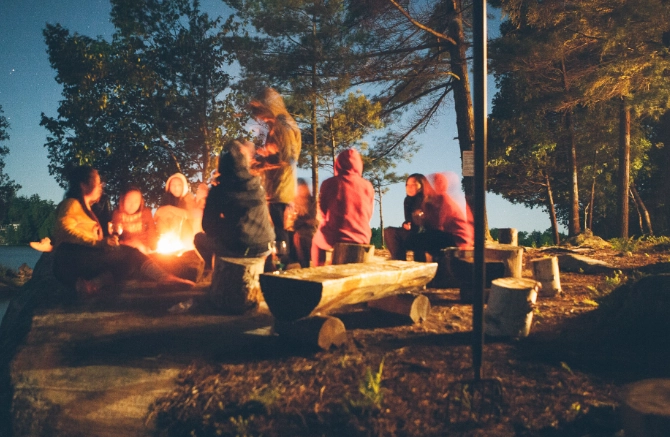
5. Logistics and Safety Tips You Won't Find in a Standard Guide
Here's where that decade of experience comes in. Most guides tell you to pack sunscreen and a hat. I'm going to assume you already know that. Here are the subtle, often-overlooked things that can make or break a summer camping trip:
The #1 Overlooked Item for Summer Camping
It's not a better tent or a fancier stove. It's shade. And not just any shade—movable shade. The sun's angle changes throughout the day. A common mistake is to set up your camp in a spot that's shaded in the morning but gets full sun in the brutal afternoon heat.
How to avoid it: Pack a pop-up canopy or a large tarp and the poles to create a shaded area. Don't just rely on the trees. Have a plan B. I learned this the hard way on a trip where the only tree at our site was a small pine that provided zero shade after 11 AM. We spent the afternoon huddled under a tarp strung between our car and a tree, which was less than ideal.
Water Management is Not Just About Drinking
You need water for drinking, yes. But also for cleaning (both yourself and your dishes), and potentially for evaporative cooling if you're in a very hot, dry climate.
My rule of thumb: I now plan for one gallon of water per person, per day, plus an extra 2 gallons per campsite as a reserve. This covers drinking, basic cleaning, and putting out a campfire completely. Running out of water is not an option.
The Food Safety Mistake Everyone Makes
It's not about the mayonnaise in the potato salad (though that's important too). It's about how you store your food in a bear-safe way. In summer, the smell of food is even more potent and travels farther. But the subtle mistake I see is with coolers.
People pack their coolers wrong. They put ice on the bottom, then food, then more ice on top. What happens? The cold air sinks. The food at the top gets warm first.
How to pack a cooler correctly for summer:
- Step 1: Pre-chill your cooler. If possible, leave it in a cold place overnight or fill it with ice for a few hours before you pack it.
- Step 2: Use block ice if you can. It melts slower than cubed ice.
- Step 3: Create a cold base layer. Put a solid layer of ice or frozen gel packs on the bottom.
- Step 4: Pack your items in reverse order of use. The things you'll need last (like drinks for the evening) go on the bottom. The things you'll need first (like lunch items) go on top.
- Step 5: Use a divider or separate items with more ice. Don't just throw everything in. Group similar items together and surround them with ice.
- Step 6: Fill every air gap with more ice. The goal is to have as much ice in contact with your food as possible, not to have a lot of food with a little ice.
And finally, the most important non-consensus point I'll make:
Your Campfire is Not Just for Cooking or Warmth
In summer, you often don't need the heat. But a fire serves another critical purpose: light to keep away insects. Many insects are attracted to the darkness and will avoid a well-lit area. A fire creates a zone of light and heat that can deter mosquitoes and other flying bugs from your immediate sitting area. It's not foolproof, but it helps.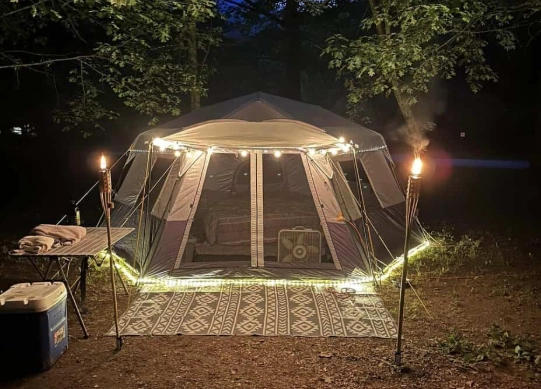
Putting It All Together: A Sample 3-Day Summer Camping Itinerary
Let's assume you're a family with two kids, aged 8 and 12, and you've decided to try the "Pirate Treasure Hunt" theme at a state park with a river. Here's how a three-day trip could realistically look:
Day 1: Arrival and Setup with a Twist
Morning (Arrive by 11 AM): Check into your campsite. Set up the tent and pop-up the canopy for shade immediately. This is non-negotiable. Then, instead of just unpacking, have the kids help set up the "Drink Station" and the "Pirate Flag" (which can be an old sheet you've drawn a skull and crossbones on).
Afternoon (After Lunch): This is when you launch the treasure hunt. Give out the first clue that leads to a nearby natural feature. Keep the clues short and the distances manageable in the heat. The goal is to get them exploring the immediate area around camp, not to exhaust them on a long hike.
Evening: Cook dinner. After dinner, as the sun sets, gather around and tell a pirate story. Have the treasure chest hidden nearby and let the kids "discover" it after the story. It contains glow sticks for later and the ingredients for s'mores.
Day 2: Full Activity Day
Morning: After a breakfast of overnight oats, launch the main treasure hunt. This is a series of clues that leads them on a longer adventure, perhaps to the river's edge for a "secret message in a bottle" (which is just a waterproof container with the next clue).
Afternoon: After the treasure hunt, it's time for the water activities you planned. This is the reward for completing the hunt.
Evening: This is the perfect time for the "Astronomy Night" theme if you're doing both. After dinner, when it's fully dark, break out the stargazing apps.
Day 3: Morning of Fun and Departure
Morning: Have a relaxed breakfast. Then, hold your "Camping Olympics" with the silly, low-stakes games you planned. They'll burn off energy before you need to pack up.
Afternoon: Pack up and leave. But the key is, everyone leaves tired, happy, and already talking about the next trip because you've created a shared experience, not just a place you slept.
Conclusion: The Real Goal of Summer Camping
Summer camping isn't just about escaping the heat. It's about using the longer days, warmer weather, and that feeling of freedom to create a shared story. It's about the inside jokes that start when you're trying to decipher a poorly drawn treasure map, the shared triumph of finding the next clue, and the collective groan when someone steps in a hidden mud puddle.
It's about moving beyond the routine of daily life and into a rhythm dictated by nature, play, and shared purpose. The ideas in this guide are starting points. Mix them, match them, and adapt them to your own group's interests and ages. The goal isn't to check every box; it's to spark that initial idea that gets you excited to start planning.
So, the next time you're planning a summer camping trip, don't just ask "where should we go?" Ask "what story do we want to tell?" Then use the ideas above to start writing it.