I remember cresting a ridge in the Sierra Nevada, expecting a pristine alpine vista. Instead, I found a campsite littered with orange peels, a makeshift log bench, and a fire ring overflowing with half-burned trash. That moment, years ago, shifted my entire approach to the outdoors. It wasn't just about being tidy; it was about a fundamental respect for the land. This is what Leave No Trace (LNT) is really about—a proactive ethic, not a reactive cleanup duty.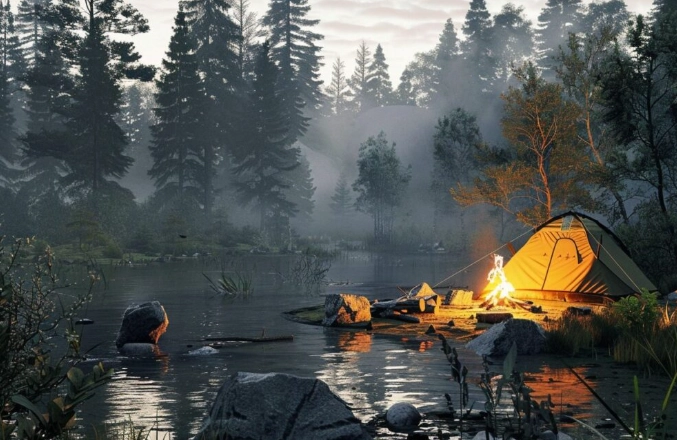
The goal isn't to make camping a joyless set of rules. It's the opposite. It's about ensuring the person who comes after you gets to experience the same sense of discovery and solitude you did. It's about the subtle art of passing through a place without imposing yourself on it.
What’s Inside This Guide?
The 7 Leave No Trace Principles, Decoded
The Leave No Trace Center for Outdoor Ethics, the leading authority on this, frames the philosophy around seven core principles. Think of them not as commandments, but as a mindset toolkit.
| Principle | What It Really Means | Your Action Plan |
|---|---|---|
| 1. Plan Ahead & Prepare | This is the most overlooked one. Poor planning leads to poor decisions—like cutting switchbacks or camping on fragile vegetation because you're exhausted. | Check regulations, weather, and terrain. Repackage food to minimize waste. Bring a map and compass (not just a phone). Know where established campsites and water sources are. |
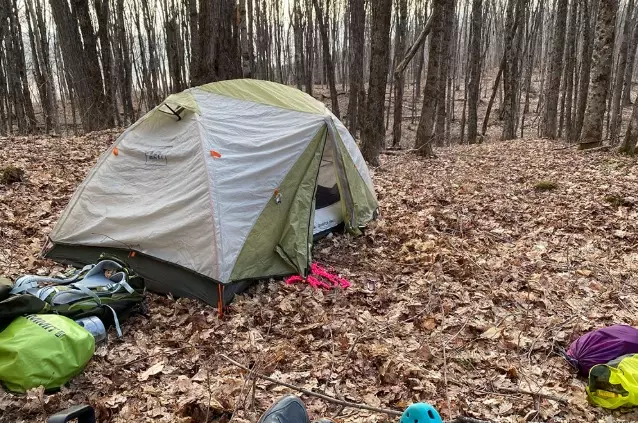
| 2. Travel & Camp on Durable Surfaces | Concentrate your impact. A single footprint on meadow grass can kill plants and start erosion. | On trail: walk single file in the middle, even if it's muddy. Off-trail: stick to rock, gravel, dry grass, or snow. For camping, use established sites. If in pristine areas, camp at least 200 feet from water and spread out your tents to avoid creating a new "site." |
| 3. Dispose of Waste Properly | "Pack it in, pack it out" applies to everything. This includes food scraps, hygiene products, and yes, toilet paper. | Carry trash bags. For human waste, dig a cathole 6-8 inches deep, 200+ feet from water. Pack out TP in a zip-lock. For dishwater, strain food bits (pack those out) and scatter grey water widely. |
| 4. Leave What You Find | Let others experience the same sense of discovery. That includes rocks, plants, historical artifacts, and even cool-looking bones. | Take only photos. Don't carve into trees or build rock cairns for fun. Avoid introducing non-native species by cleaning gear between trips. |
| 5. Minimize Campfire Impacts | A campfire is a luxury, not a necessity. Its impact is massive and long-lasting. | Use a camp stove for cooking. If you must have a fire, use an established ring, keep it small, burn only small sticks from the ground, and burn it completely to ash. Put it out with water, not dirt. |
| 6. Respect Wildlife | Observe from a distance. Feeding animals alters their natural behavior, makes them sick, and can be dangerous. | Store food and trash securely (bear canister or hang). Never approach or follow animals. Control pets at all times. |
| 7. Be Considerate of Other Visitors | Sound and visual pollution are also forms of "trace." | Keep noise down, especially at night. Yield to others on the trail. Step aside to let others pass. Avoid bright lights and loud music. |
Here's a personal take most guides won't mention: principle #1 (Plan Ahead) is the keystone. I've seen groups arrive late to a popular lake, find all the durable sites taken, and end up pitching tents on a meadow because they didn't have a backup plan. That damage lasts for years. Your LNT practice starts at home, studying the map.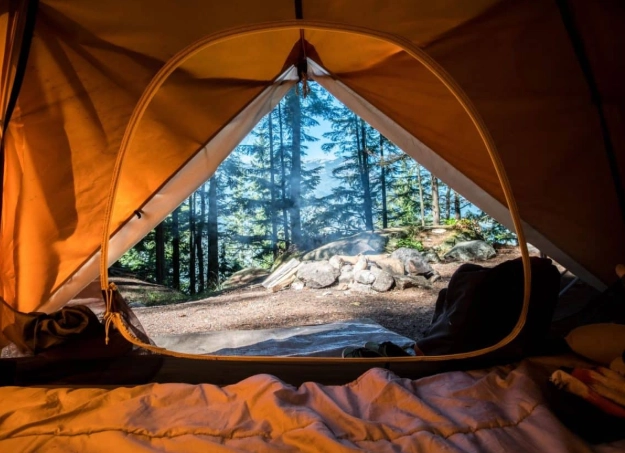
Beyond the Basics: LNT for Different Environments
LNT isn't one-size-fits-all. The desert demands different care than a rainforest or an alpine zone.
Camping in Arid and Desert Regions
Water is life, and everything revolves around it. Never wash dishes, yourself, or anything else in a desert spring or pothole—these are critical wildlife watering holes. Cryptobiotic soil is that black, crusty soil that looks dead but is actually a living community of organisms preventing erosion. A single footprint can destroy decades of growth. Stay on rock or sand.
Camping in Alpine and High-Use Areas
Vegetation is sparse and grows painfully slow. Above the treeline, the ground is fragile. In places like the summit of a popular peak, the best practice is often to walk on rock only, even if it means a less direct route. In super-high-use backcountry areas, some land managers now recommend packing out all human waste, as the volume of catholes is becoming a problem. Always check specific regulations.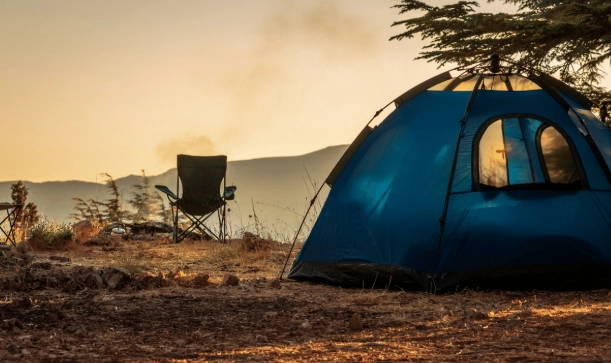
Camping Near Rivers, Lakes, and Coasts
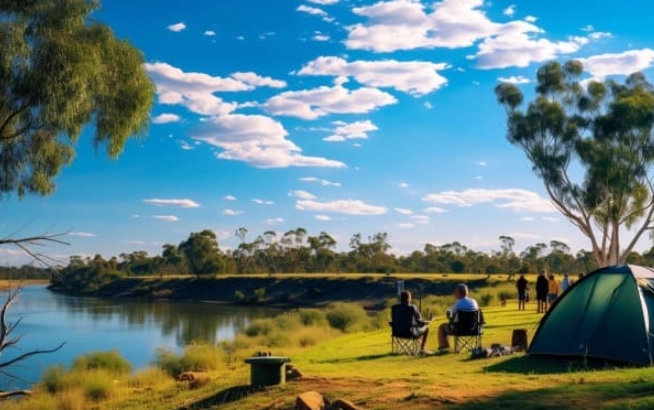
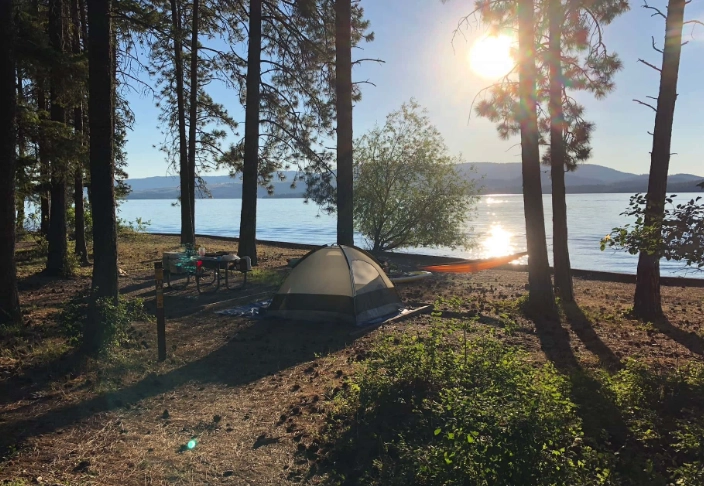
The 200-foot rule (about 70 adult paces) for camping and waste disposal from water is non-negotiable. This protects water quality and gives wildlife access. On coasts, be aware of tides—don't camp where you'll be trapped or force animals to detour.
The Subtle Stuff: Common Mistakes Even Experienced Campers Make
We all start with the big stuff: pack out your trash. But the deeper you go, the more nuances you see.
The "Biodegradable" Soap Trap: You bought biodegradable soap, so it's fine to wash your hands in the stream, right? Wrong. Even biodegradable soap needs soil to break down. Wash 200 feet away from any water source, using a splash of water in a bowl.
Feeding Wildlife, Indirectly: It's not just about handing a chipmunk a peanut. Leaving crumbs at your picnic table, or pouring out greasy dishwater near camp, is just delayed feeding. It draws animals into human areas, with bad outcomes for them.
The Good-Intentioned Cairn: Stacking rocks for fun or to "mark a spot" disrupts insect and small animal habitats and can confuse other hikers following official trail markers. Leave the rocks where you found them.
"It's Just an Orange Peel": Organic matter like fruit peels, nut shells, and eggshells can take years to decompose in a dry climate and are unsightly. They are still trash. Pack them out.
The underlying theme here? It's about thinking beyond your immediate action to its long-term consequence. It's asking, "If every camper did what I'm about to do, what would this place look like in five years?"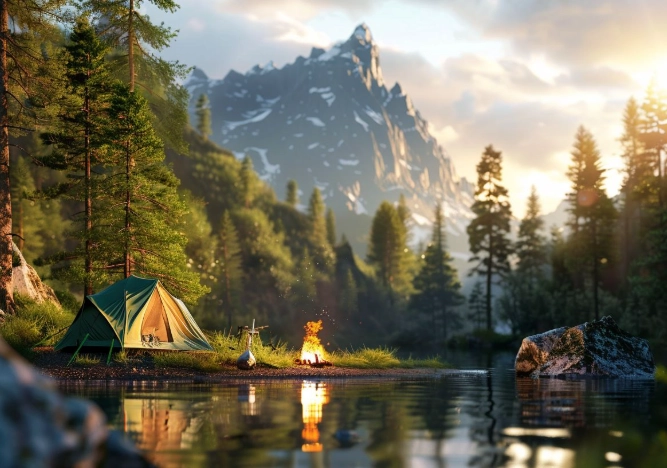
Your Leave No Trace Questions, Answered
How do I practice Leave No Trace camping in a fragile desert environment?
What's the best way to dispose of human waste when camping in the backcountry?
Does Leave No Trace mean I can't have a campfire?
How can I teach my kids about Leave No Trace principles without it feeling like a lecture?
Adopting Leave No Trace isn't about achieving perfection. It's about continuous, thoughtful effort. It's the difference between being a visitor in nature and being a guest. A guest who cleans up after themselves, treads lightly, and leaves the home ready for the next guest. That's how we keep the wild, wild.
For the most current and detailed guidelines, always refer to the official source: the Leave No Trace Center for Outdoor Ethics.