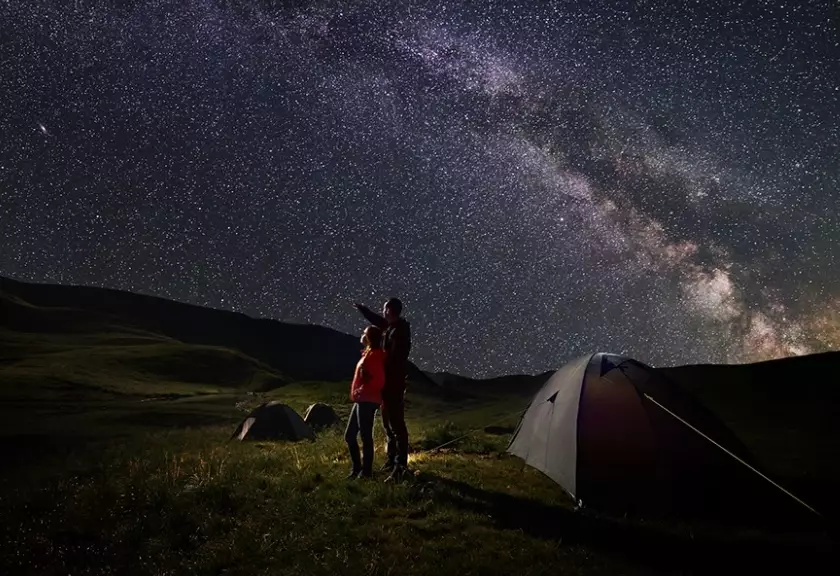
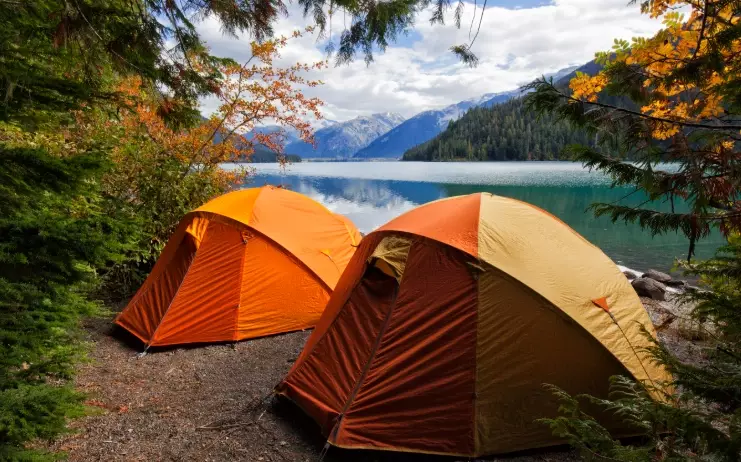
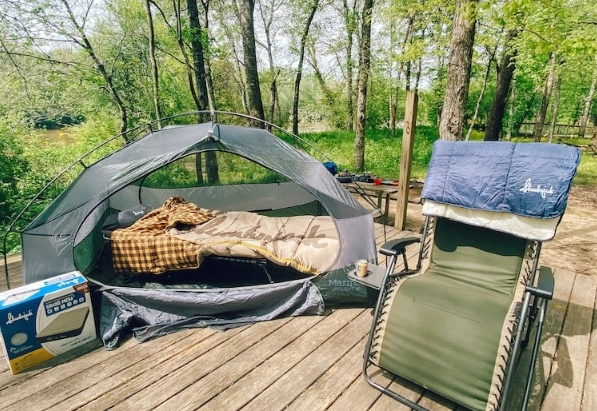
Camping star gazing isn't just another item on a bucket list. It's a full-body reset. You trade screen glare for the Milky Way's soft glow, traffic noise for the profound silence of a dark sky preserve. But pulling off a successful trip requires more than just hoping for clear skies. After a decade of chasing dark skies from the deserts of Utah to the mountains of Scotland, I've learned what separates a magical night from a frustrating one. This guide cuts through the generic advice and gives you the actionable, specific details you need to plan your escape.
Your Stargazing Adventure Roadmap
Why Camping is the Best Way to Stargaze
You can stargaze from your backyard. But light pollution drowns out 80% of the celestial show. Camping gets you out there. The real magic happens when you're immersed. You set up camp as the sun sets, your eyes slowly adjust, and then the universe unveils itself layer by layer. You see satellites, meteor showers with clarity, and the Milky Way so bright it casts shadows. It's immersive astronomy.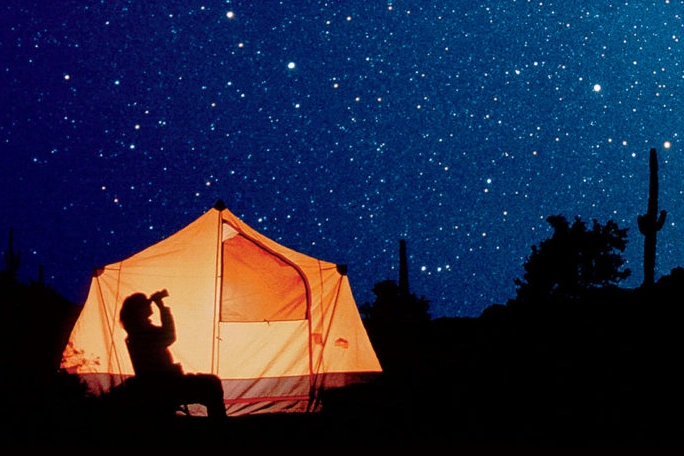
Most observatories or star parties end at midnight. When you're camping, the show is yours all night. You can nap and catch the pre-dawn planets. You're on nature's schedule.
Top 5 Dark Sky Campsites in North America
Location is everything. A true dark sky site, certified by the International Dark-Sky Association, is your goal. Here are five that deliver, with concrete details to help you book.
| Campsite Name & Location | Dark Sky Status & Key Feature | Best Time to Visit & Booking Tip |
|---|---|---|
| 1. Cosmic Campground Gila National Forest, New Mexico |
IDA International Dark Sky Sanctuary (the first in the U.S.). Zero light fixtures, pure natural darkness. | April-October. No reservations, first-come-first-serve. Arrive by Thursday for a weekend spot. Spring for Milky Way core; Fall for clearer skies. |
| 2. Death Valley National Park - Texas Spring Furnace Creek, California |
Gold Tier Dark Sky Park. Jaw-dropping desert panoramas with minimal atmospheric interference. | October-April (Summer is dangerously hot). Reserve on Recreation.gov 6 months in advance. Winter offers the longest nights. |
| 3. Cherry Springs State Park Potter County, Pennsylvania |
Gold Tier Dark Sky Park. Premier East Coast site with an dedicated astronomy field. | Year-round, but late spring to early fall is most comfortable. Reservations for the astronomy field sell out in minutes. The rustic campground is easier to book. |
| 4. Grand Canyon National Park - Desert View South Rim, Arizona |
Silver Tier Dark Sky Park. Stargazing with a canyon backdrop is unreal. | March-May, Sept-Nov. Desert View Campground is first-come-first-serve. The alternative, Mather Campground, takes reservations but has more ambient light. |
| 5. Newport State Park Ellison Bay, Wisconsin |
Dark Sky Park. One of the best in the Midwest, right on Lake Michigan. | July-Oct for warmer nights, but also great in winter for aurora chances. Reserve a backpacking site for the most secluded, dark experience. |
I made the mistake once of picking a "scenic" campground near a small town. The glow on the horizon ruined the deep-sky objects. Now I only trust IDA-certified parks or use light pollution maps religiously.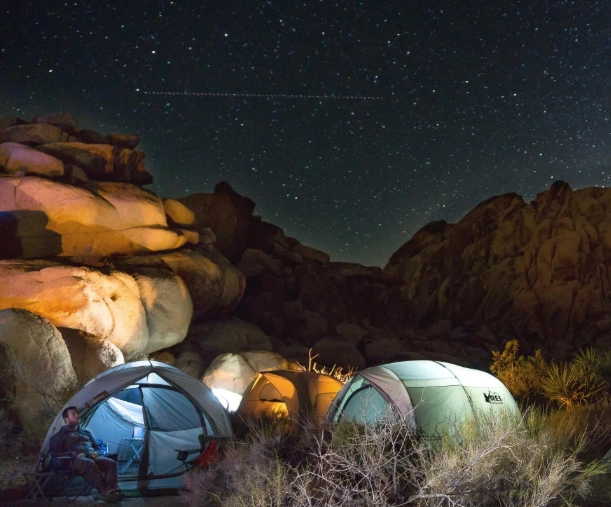
Essential Stargazing Gear (Beyond the Tent)
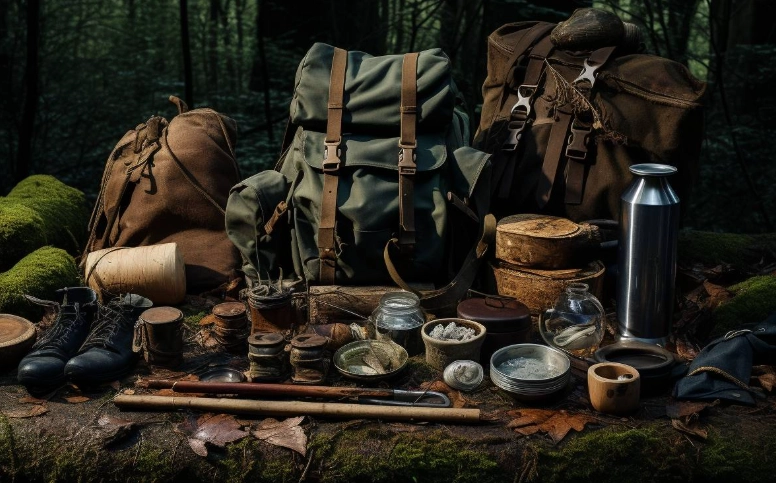
Your standard camping kit gets you halfway. These items bridge the gap to astronomer.
The Non-Negotiable Basics
A Red Light Headlamp: Not just any red light. One with a deep, true red LED (around 650nm). White light destroys your night vision for 30 minutes. I use the Black Diamond Spot 350-R. It's perfect.
Warmth, Times Two: You'll be stationary. The cold seeps in. A high-quality sleeping bag rated 10°F colder than the forecast, plus a insulated camp chair with a blanket. Therm-a-Rest makes great chair kits.
Star Chart App: SkySafari or Star Walk 2. Download the maps for offline use. Turn your screen brightness to minimum and use the red screen mode.
Taking It to the Next Level
Binoculars (Your Best First Investment): Forget a cheap telescope. A pair of 7x50 or 10x50 binoculars opens up moons of Jupiter, star clusters like the Pleiades, and the Andromeda Galaxy. They're easy to use from a reclining chair.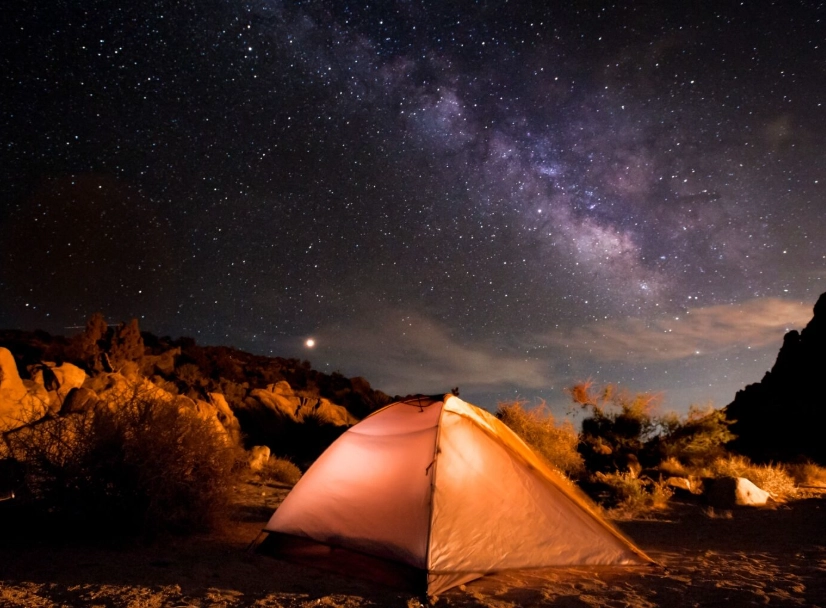
A Wide-Angle Lens: If you want astrophotos, a fast lens (f/2.8 or lower) and a sturdy tripod are mandatory. Start with simple star trail shots before diving into deep-sky imaging.
Comfort is King: A reclining lawn chair or an inflatable pool lounger. Craning your neck upwards for hours is a surefire way to end the night early.
How to Plan Your Perfect Stargazing Camping Trip
Let's build a hypothetical trip to Cosmic Campground in late May.
Phase 1: The Moon is Your Enemy (Scheduling)
Check a moon phase calendar. You want the nights around the New Moon. In May 2024, the New Moon is on the 8th. Plan for the weekend of the 10th-12th. A bright moon washes out faint stars.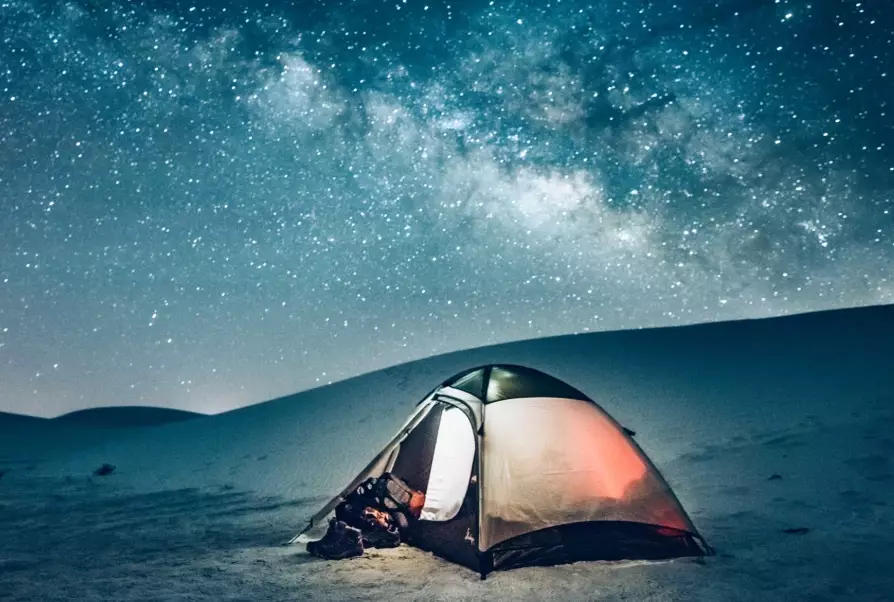
Phase 2: The Sky Forecast (Conditions)
Don't just check the weather for "clear." Look at transparency and seeing on astronomy forecasts like ClearDarkSky. High humidity or haze can ruin transparency even without clouds.
Phase 3: The Nightly Itinerary (Sample)
- 7:00 PM: Arrive, set up camp, cook dinner. Use minimal white light.
- 9:00 PM: Full dark. Let your eyes adjust for 20 minutes. No phones!
- 9:30 PM: Start naked-eye. Find the Big Dipper, trace to Polaris. Look for the Milky Way rising as a faint cloud in the East.
- 10:30 PM: Break out binoculars. Scan along the Milky Way. Find the Lagoon Nebula (M8), a fuzzy patch.
- Midnight: The Milky Way core is high. This is prime viewing and photography time.
- 2:00 AM: Consider a nap if you're chasing the pre-dawn sky.
- 5:00 AM: Get up to see Venus and Jupiter lined up on the eastern horizon.
Pack meals that require no cleanup in the dark. Think wraps, pre-made salads. The last thing you want is to be scrubbing a pan when the stars are out.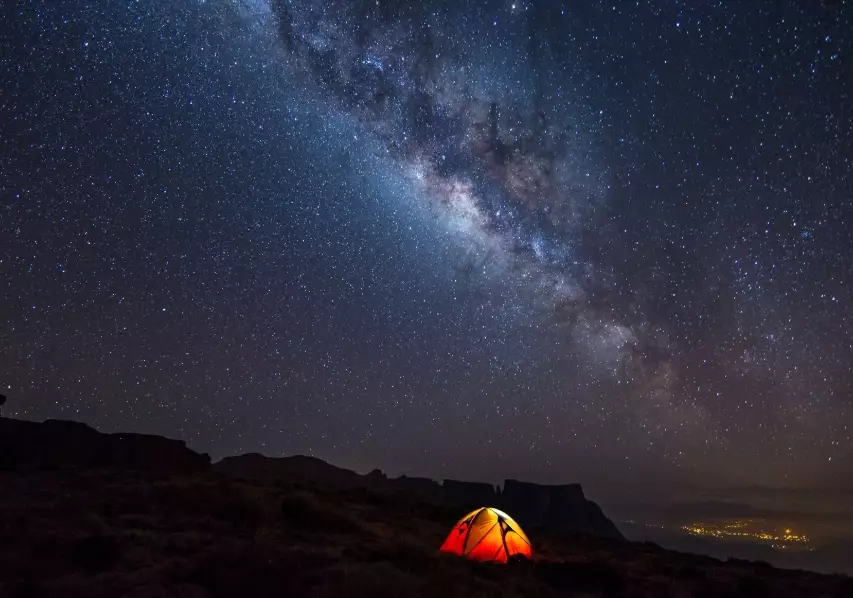
Pro Stargazing Tips They Don't Tell Beginners
Here's where experience pays off.
Averted Vision: Your eyes' rod cells (for low light) are concentrated off-center. To see a faint nebula, look slightly next to it, not directly at it. It will suddenly pop into view.
The 30-Minute Rule: It takes a full 30 minutes for your eyes to reach maximum dark adaptation. One glance at a bright phone screen resets the clock. Be patient.
Dew is the Enemy: Optics fog up fast in the cool night. Keep lens caps on until equipment acclimates. A simple hair dryer (if you have power) or chemical hand warmers rubber-banded to the binoculars can prevent dew.
My biggest early mistake? Using a "low" white light to check a star chart. It was like a flashbang. Now, it's deep red light only, or nothing.