Let's be honest. When most people think of camping, they picture pine trees and mountain lakes. The desert? That sounds like a survival challenge. But after a decade of chasing clear skies and profound silence, I've come to see desert camping not as an ordeal, but as the ultimate reward. It's where you trade the noise for a billion stars and find a solitude so deep it recalibrates your sense of scale. Forget the generic lists. Here’s a deep dive into the world's most transformative desert camping destinations, built on miles of sand in my boots and more than a few lessons learned the hard way.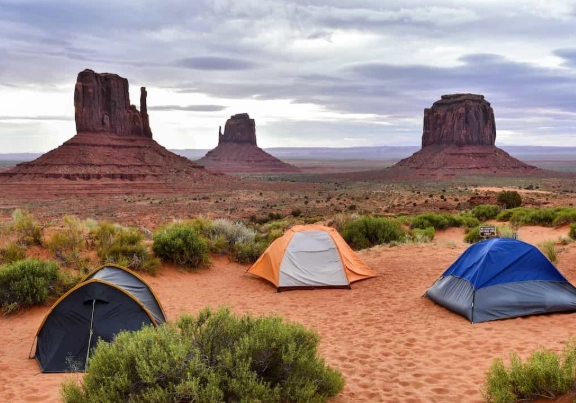
Your Quick Guide to Desert Camping Destinations
The Top 5 Desert Camping Destinations for an Unforgettable Night
This isn't just a ranking. It's a menu of experiences. Each of these spots offers something radically different, from easy-access wonder to true frontier expedition.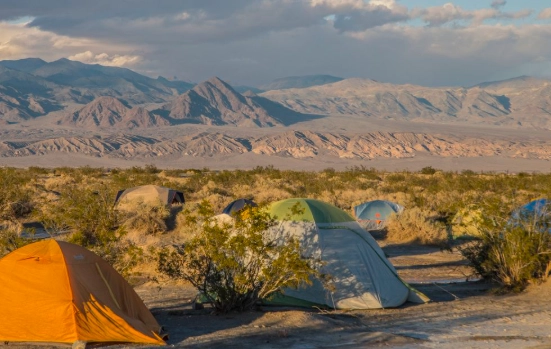
| Destination | Location / Address | Best Time to Visit | Permit & Fees | Core Experience |
|---|---|---|---|---|
| 1. Death Valley National Park - Mesquite Flat Sand Dunes | California, USA. Access via CA-190. Stargaze Campground is a specific, first-come-first-serve spot near the dunes. | October to April. Summer is dangerously hot. | $30 vehicle entry (valid 7 days). Campground fee $16-$36/night. Backcountry camping is free but requires a permit from visitor centers. | Camping at the foot of iconic dunes with the darkest skies in the contiguous U.S. The silence is otherworldly. |
| 2. Wadi Rum Protected Area | Southern Jordan. Main entrance near the village of Rum. | March-May, September-November. | 5 JD (≈$7) entry fee. You must camp with a licensed Bedouin guide/company. Camp prices vary (≈$50-$150/person). | Living like Lawrence of Arabia in a Martian landscape. It's a guided cultural immersion, not a solo venture. |
| 3. Joshua Tree National Park - Belle or White Tank Campground | California, USA. Park entrances at Twentynine Palms & Joshua Tree. | Fall, Winter, Spring. Weekdays are less crowded. | $30 vehicle entry. Campgrounds are $20-$25/night, mostly reservable on Recreation.gov. High demand. | Bouldering by day, stargazing through surreal Joshua Tree silhouettes by night. A rock-climber's paradise. |
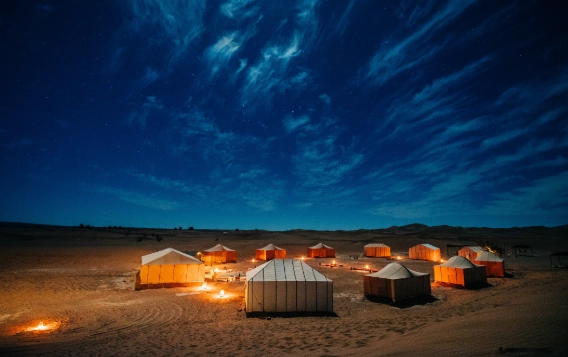
| 4. The Sahara Desert - Merzouga Dunes (Erg Chebbi) | Near Merzouga, Morocco. Tours depart from Merzouga or Rissani. | October to April, though nights can be very cold in Dec/Jan. | No direct permit. Access is via guided camel trek or 4x4 tour from a local auberge. All-inclusive tours common. | The classic, epic desert image. Riding camels into endless golden dunes to a prepared Berber camp. |
| 5. Atacama Desert - Valle de la Luna | Near San Pedro de Atacama, Chile. Tours from San Pedro, or self-drive with a valid permit. | Year-round, but April-November (dry season) is best. | CLP 15,000 (≈$15) park entry. Camping within the park is restricted. Most camp in designated areas near San Pedro or on guided astronomy tours. | Otherworldly geology and the clearest skies on Earth. This is a prime spot for astrophotography. |
Now, let's get into what these places really feel like.
Death Valley: More Than Just Heat
Most visitors drive through, snap a photo at Badwater Basin, and leave. The magic happens when you stay. Camping at Mesquite Flat lets you watch the dunes turn blue in the evening light, then pitch a tent under a sky so dense with stars it feels like a dome. A common mistake? Underestimating the cold. Even in spring, temperatures can plummet once the sun sets. That 120°F (49°C) daytime reputation fools people into packing light sleeping bags. Don't be one of them.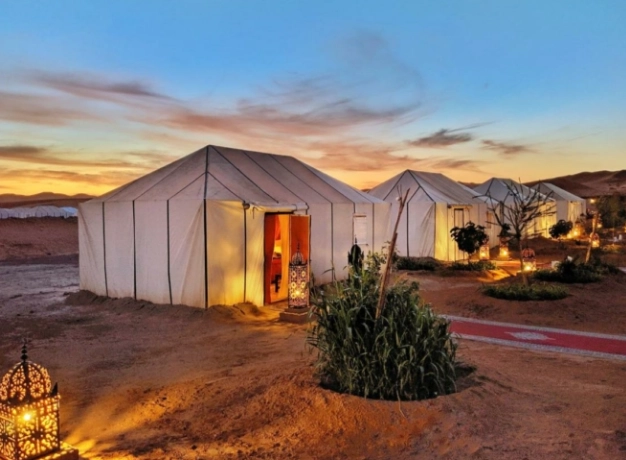
Wadi Rum: The Guided Wilderness
You can't just show up and camp solo here. The protected area mandates you go with a licensed Bedouin guide. This isn't a limitation—it's the point. My guide, Mahmoud, showed me ancient petroglyphs no map marks and brewed sweet tea over a fire as the sun set. It's a social, culturally rich experience. If you're seeking total solitude, this isn't it. But for a connection to place and people, it's unmatched.
Joshua Tree: The Accessible Wonder
Its proximity to LA makes Joshua Tree popular, often frustratingly so. Belle Campground fills up months in advance. The secret? Look at White Tank or, better yet, the park's backcountry boards. These free, self-registration sites let you hike a mile into a boulder-strewn landscape and have it all to yourself. I spent a night at the Geology Tour Road board once and didn't see another soul. The silence, broken only by the wind, was worth the extra water I had to carry.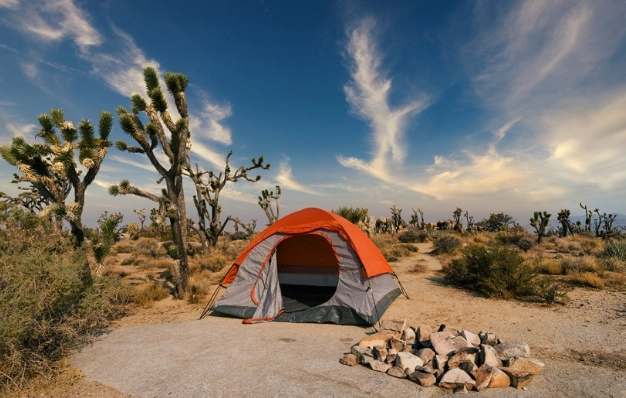
How to Choose Your Perfect Desert Camping Spot
Picking a destination isn't just about the prettiest photo. It's about matching the trip to your experience and desire for comfort.
Ask yourself: Do I want a maintained campground with a pit toilet (like Death Valley's Furnace Creek), a remote backcountry site I hike to (Joshua Tree's boards), or a fully serviced glamping experience (common in Wadi Rum and the Sahara)? Your answer dictates your packing list and planning timeline.
Beyond that, research is key. Always check the official park or protected area website for current conditions, fire restrictions, and permit rules. For US National Parks, that's the National Park Service (NPS) site. A permit system that seems bureaucratic is often there to protect fragile ecosystems from being loved to death.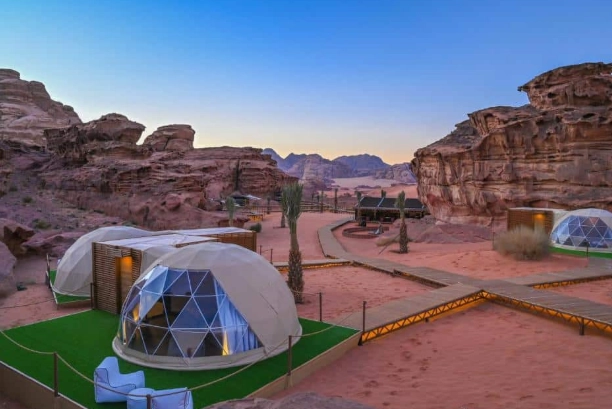
The Non-Negotiable Desert Camping Gear List
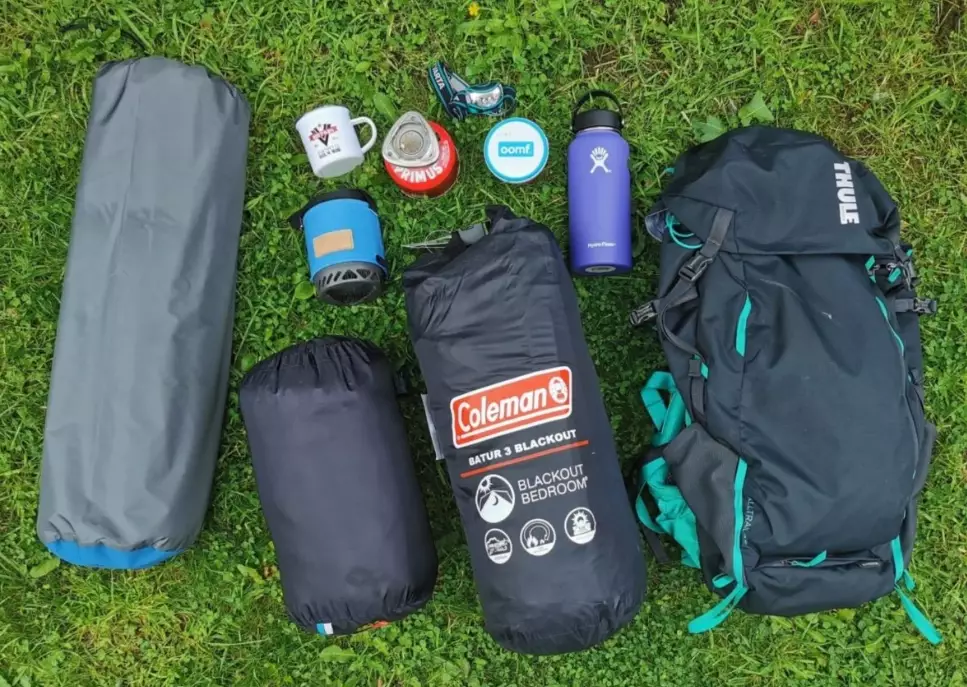
You can get away with a subpar tent in the forest. In the desert, your gear is your lifeline. Here’s where I see people cut corners, followed by regret.
Water Management is Everything: The rule of thumb is one gallon (3.8 liters) per person, per day. For a weekend trip, that's 2 gallons minimum. I bring a 6-gallon Reliance jug for base camp and a hydration bladder for hikes. A common misstep is relying on small plastic bottles—they're inefficient and create waste.
Shelter from the Sun AND Cold: A four-season tent is overkill, but a quality three-season tent with excellent ventilation is crucial. Condensation can be a surprise issue in cold desert nights. Pair it with a sleeping bag rated at least 10°F (6°C) colder than the expected low. A sleeping pad with a high R-value (insulation) is non-negotiable; the ground sucks heat fast.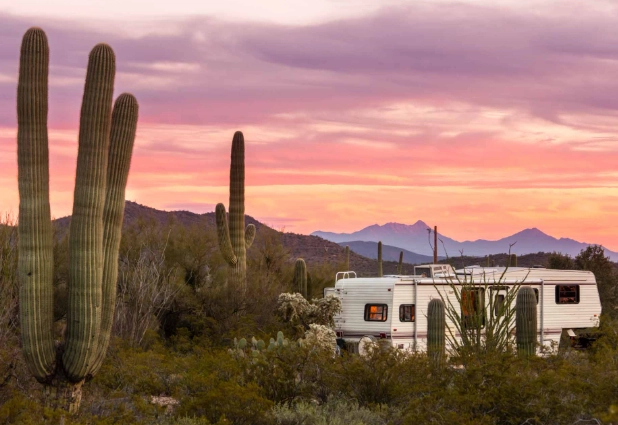
The Overlooked Essentials:
- Sun Shade/Tarp: A separate pop-up canopy or tarp is worth its weight in gold for creating daytime shade outside your tent.
- Headlamp with Red Light: Preserves your night vision and is courteous to other stargazers.
- Paper Maps & Compass/GPS: Cell service is a myth in these places. Download offline maps on your phone, but have a physical backup.
- Wide-Brimmed Hat & Sunglasses: Not just for comfort—for preventing sunstroke.
- Duct Tape & Multi-tool: For gear repairs you didn't see coming.
Desert Camping: Your Questions Answered