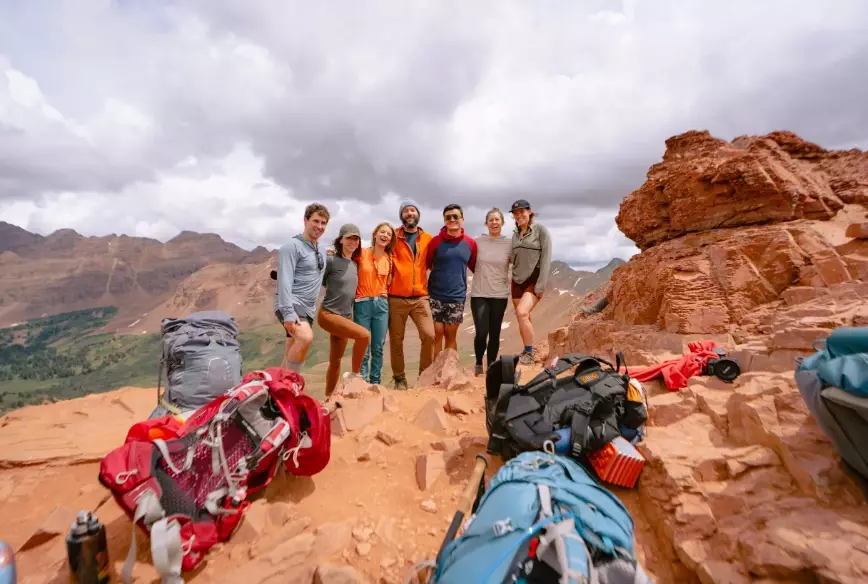
Mountain camping is different. The air is thinner. The weather is less predictable. The views, however, are absolutely worth it. But that feeling of awe when you crest a ridge and see your campsite for the night? That's what keeps us coming back. This isn't about just any campsite; it's about finding the right mountain camping location for you.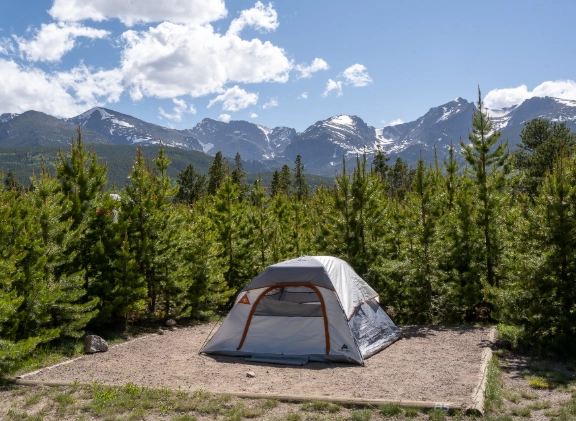
Your Mountain Camping Journey Starts Here
Why Mountain Camping?
Let's be real. It's harder than car camping at a state park. You carry everything on your back. So why do it? For the silence. The kind of quiet you only get miles from a road. For the night skies, unpolluted by city lights, where the Milky Way is a bright smear across the black. And for the challenge. There's a unique satisfaction in reaching a campsite under your own power.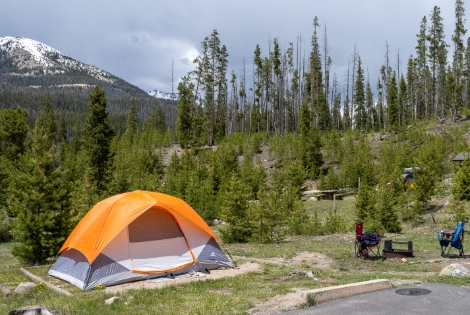
How to Choose Your Mountain Camping Location
Picking a spot on a map is easy. Picking the right spot is what separates a great trip from a miserable one. Forget just looking for pretty lakes. You need to think like a mountain guide.
Factor #1: Your Skill Level (Be Brutally Honest)
Are you a backpacking novice? Don't pick a location 10 miles in with 3,000 feet of elevation gain. You'll hate it. Look for spots with a gentle incline and a reliable water source within a mile or two of the trailhead. Experienced? You can target those high-alpine lakes, but remember the air is thinner and weather changes fast.
Factor #2: Water, Water, Water
This is the single most important factor. A spot might have a stunning view, but if it's a mile from the nearest stream, you're hauling heavy water uphill. Always camp at least 200 feet from water sources to protect them, but know where they are. I use tools like the USGS National Map to trace blue lines (streams) on my route.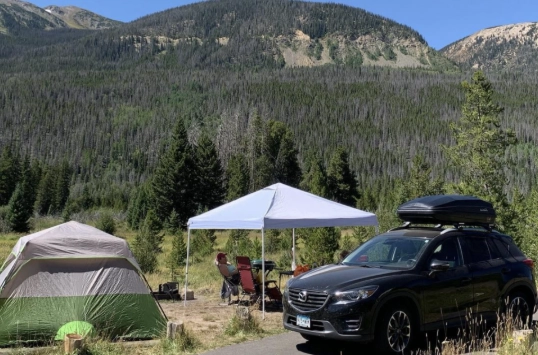
Factor #3: Exposure & Weather
A ridge-top site has 360-degree views. It also has 360-degree exposure to wind and lightning. A valley site is more protected but can be colder (cold air sinks) and buggier. Check the typical wind direction for the area. I learned this the hard way in the Wind River Range, spending a sleepless night holding my tent poles.
Pro Tip: Use a resource like the National Weather Service's mountain weather forecasts religiously. Conditions at the trailhead can be sunny and 75°F, while your campsite at 9,000 feet is dealing with 40°F and sleet.
Top Mountain Camping Locations in the US
Here are a few of my favorites, broken down by what makes them special. This isn't just a list; it's a cheat sheet based on years of personal trips and guiding.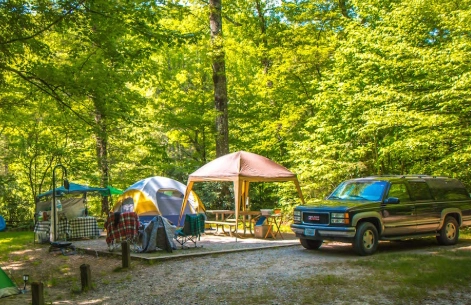
| Location | Best For | Key Feature & Access | My Personal Take |
|---|---|---|---|
| Rocky Mountain National Park, CO | High-alpine scenery, wildlife | Bear Lake Corridor; many sites require a permit. Book early via Recreation.gov. | Stunning, but crowded. Go for the less-traveled Wild Basin area for more solitude. |
| Great Smoky Mountains National Park, TN/NC | Lush forests, waterfalls, beginner-friendly trails | Over 100 backcountry sites & shelters. Free permit required, available online. | The humidity is real. Your gear will feel damp. But the green tunnels of forest are magical. |
| Sierra Nevada, CA (Inyo National Forest) | Experienced backpackers, dramatic granite landscapes | Quota systems for popular zones like the John Muir Trail. Check with the Inyo NF Wilderness Permit Office. | This is my personal favorite. The scale is humbling. Be prepared for significant altitude. |
| White Mountains, NH | Challenging terrain, East Coast accessibility | AMC hut system for a hybrid experience, or rugged tent sites. Be prepared for rapidly changing, often harsh weather. | Don't underestimate these "smaller" mountains. The weather is notoriously fierce and can turn in minutes. |
Planning Your Mountain Camping Trip
Once you've chosen your location, the real work begins. A successful trip is in the details.
Get Your Permits Sorted. Most iconic mountain locations require a backcountry permit. These aren't just bureaucracy; they're a conservation tool to prevent overcrowding. Apply as soon as the window opens, sometimes 6 months in advance.
Check the Weather, Then Check It Again. Mountain weather is its own beast. Look at the forecast for the nearest town, but also seek out mountain-specific forecasts. Understand the signs of incoming bad weather: increasing winds, building clouds (especially lenticular clouds), and a sudden drop in temperature.
Pack for the Worst, Hope for the Best. Your packing list needs to be ruthless. Every ounce counts when you're climbing. But never skimp on the essentials: a reliable shelter (a 3-season tent is a minimum), a sleeping bag rated at least 10°F colder than the expected low, a sleeping pad with a good R-value, and a stove that works in wind.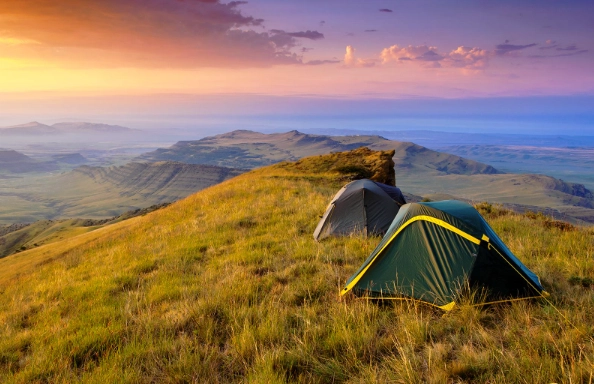
Mountain-Specific Safety & Leave No Trace
This goes beyond the basics.
Altitude Sickness: It can affect anyone. Headache, nausea, dizziness. The only cure is to descend. To prevent it, ascend slowly, spend a night acclimatizing at a moderate elevation if possible, and stay hydrated.
Leave No Trace in the Alpine: In fragile mountain environments, this is critical. Use established campsites on durable surfaces like rock or gravel. Pack out all waste, including toilet paper. For human waste, dig a cathole 6-8 inches deep at least 200 feet from water, trails, and camp. In many alpine areas, you must pack out solid human waste too—check regulations.
Wildlife: Proper food storage is non-negotiable. In bear country, use a bear canister or hang your food properly. Mice and marmots are notorious for chewing through tents and packs to get to salty sweat or food crumbs.
Quick Mountain Camping Q&A
What is the biggest mistake beginners make when choosing a mountain camping location?
Beginners often choose a location that is too far from a reliable water source. They see a beautiful spot on a map and don't consider the physical challenge of hauling gallons of water uphill. Always prioritize campsites with a known, accessible water source or plan your route to pass by streams or lakes where you can filter water.
How does altitude affect my choice of mountain camping location?
Altitude is a silent factor many overlook. For every 1,000 feet you climb, the temperature can drop 3-5 degrees Fahrenheit. A location at 8,000 feet will have significantly colder nights than one at 5,000 feet, even in the same mountain range. It also increases the risk of altitude sickness. If you're new to mountain camping, start with locations below 7,000 feet to acclimate.
Can I rely on my phone's GPS to find remote mountain camping spots?
Absolutely not. Cell service is notoriously unreliable in the mountains. I've seen too many campers stranded because their digital map failed. Always carry a detailed physical map and a compass, and know how to use them. Download offline maps to your phone as a backup, but treat your paper map as your primary navigation tool.