Let's be honest. The idea of camping with kids can feel equal parts exciting and terrifying. You picture serene nature, bonding by the fire... and then you remember the potential for boredom-induced mutiny after the novelty of the tent wears off. I've been there. I've watched my own kids go from thrilled explorers to whining critics in the time it takes to boil water for hot chocolate.
The secret isn't packing more toys. It's about tapping into the camp environment itself. Good camping activities for kids aren't just time-fillers; they're bridges to curiosity, confidence, and a genuine love for the outdoors. This guide skips the generic lists and dives into the how and why, with activities that adapt from toddlers to tweens.
What You'll Find in This Guide
The Mindset Shift: Planning Activities That Actually Work
Most parents start by googling "games," but the prep begins way before that. Your first activity is at home: getting them invested. Have them help pack their own small backpack. Let them choose a special snack. Show them pictures of the campsite or the kind of trees you might see. This builds anticipation and gives them a sense of ownership.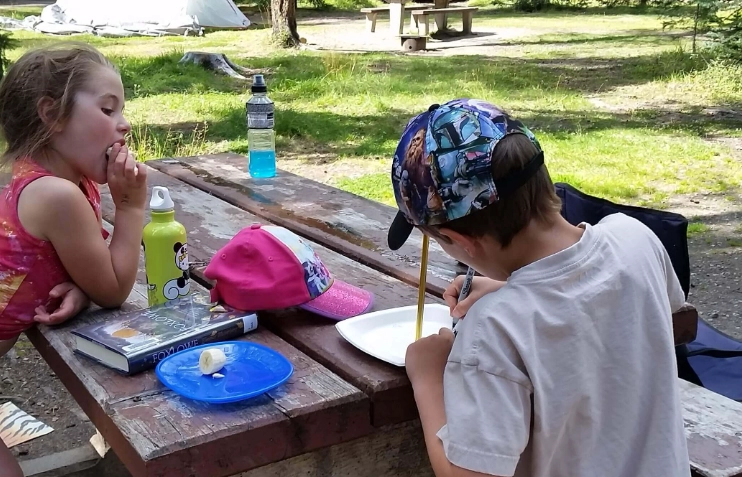
Location matters more than you think. A campground with a creek or a rocky shoreline is a built-in activity hub. Check the National Park Service or Recreation.gov site for your destination—many list junior ranger programs or guided family walks you can book in advance. These are goldmines for structured, educational fun.
Pack a dedicated "Activity Kit." This isn't a toy box. It's a small, waterproof bag with:
- A magnifying glass (the sturdy, plastic kind).
- A couple of cheap binoculars.
- A small notepad and colored pencils (crayons melt).
- A lightweight guidebook for local birds or leaves.
- A multi-tool for you (not them!).
This kit signals adventure is on and provides tools for discovery.
Daytime Adventures (That Aren't Just Hiking)
Hiking is great, but call it "exploring" or a "mission." The framing changes everything. Here are layered activities that grow with your child's interest.
1. The Ultimate Nature Scavenger Hunt (Adaptable for All Ages)
Forget simple checklists. Create a sensory hunt:
- Find something: smoother than your palm, louder than a bird, that makes a crunch sound, that smells like Christmas, that's a home for a bug.
This encourages observation, not just collection. For older kids, add a photography challenge: take a picture of something green, something beginning with 'S', a pattern in nature.
2. Shelter Engineering 101
This is a crowd-pleaser. The goal isn't a waterproof structure, but the process. Find a spot with some fallen branches (never break live ones). Can you make a lean-to? A tiny fort for a stuffed animal? It's STEM in disguise—physics, teamwork, problem-solving. I once spent a whole afternoon with my niece and nephew trying to roof their stick fort with ferns. It failed spectacularly when a light drizzle hit, and the laughter was worth more than any successful build.
3. Campsite Art Studio
Nature provides the materials. Leaf and bark rubbings are a classic. Try "rock stacking" (cairn building) in a designated spot—it's meditative and teaches balance. For a mess-free option, use a shallow box or tray as a "frame" and let them create a temporary landscape inside it using pinecones, acorns, and flowers. Take a photo, then return the materials.
| Activity | Best For Age | Prep Needed | Core Skill |
|---|---|---|---|
| Sensory Scavenger Hunt | 3-10 | 5-min brainstorm | Observation, Vocabulary |
| Shelter Building | 5-13 | Find a branch spot | Problem-Solving, Teamwork |
| Nature Weaving (stick frame & grasses) | 6+ | Yarn/String | Fine Motor, Patience |
| Mini Creek Dam Engineering | 7+ (with supervision) | Access to shallow water | Physics, Creative Play |
The Magic of Camp After Dark
This is where camping separates itself from a backyard sleepover. The dark is your ally, not the enemy.
Glow Stick Games: Before dusk, hand out glow sticks. Play a simple game of nighttime tag where you can only "tag" someone's glow stick. Hide a couple of activated glow sticks in nearby bushes (within a strict, small boundary) for a twilight treasure hunt.
Constellation Stories: Don't just find the Big Dipper. Download a free app like Star Walk 2, point it at the sky, and learn the myth behind one constellation. Make up your own story about the shapes you see. "That cluster of stars looks like our dog chasing a squirrel..."
The Sound Map: Give each child a paper plate and a pencil. Have them draw an 'X' in the center to represent themselves. As they sit quietly for 5 minutes, they draw a symbol or mark on the plate in the direction they hear a sound—a chirp, rustling leaves, the distant fire crackle. It's incredibly calming and heightens awareness.
The Non-Negotiables: Safety & Keeping Them Engaged
No activity works if kids are cold, hungry, or scared. Always layer clothing. Pack more snacks than you think humanly possible—granola bars, fruit, trail mix. Hunger is the fastest trip-ruiner.
Bug & Sun Protection: This isn't just a spray-and-forget. Reapply sunscreen every two hours, more if swimming. For bugs, permethrin-treated clothing is a game-changer for ticks. A head net can save the day for a bug-sensitive kid. A common mistake? Only putting bug spray on at the campsite. Do it before you get out of the car for a hike.
The "Boredom" Backup: Have one simple, surprise activity in reserve for a meltdown moment. A new deck of cards, a pack of glow-in-the-dark bracelets, a puzzle book. The moment you pull it out, you've reset the mood.
Finally, lower your expectations. The goal isn't a perfect, Instagram-ready trip. It's about shared moments. If all you do is eat s'mores and watch the fire, but your kid points out three different bird calls, that's a massive win.