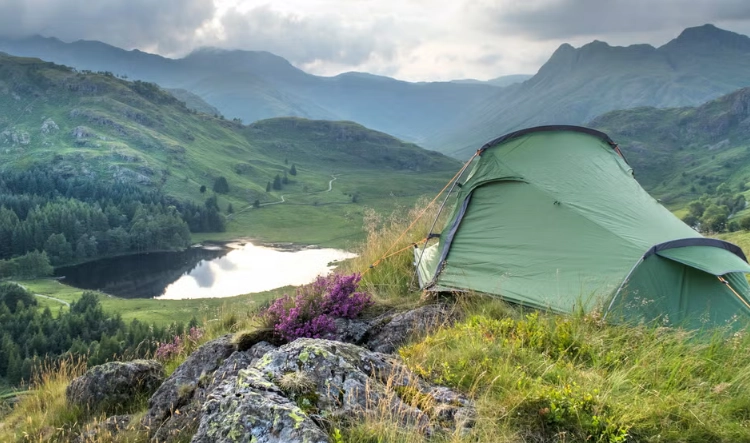
You've seen the alluring videos. A lone van or a discreet tent tucked away in a scenic corner of a public park or national forest, the camper enjoying a sunset in perfect solitude. This is stealth camping, also called covert camping or ninja camping. The idea is simple: camp somewhere you're not explicitly allowed to, leaving no trace so no one knows you were there. It promises ultimate freedom and zero cost. So why is stealth camping illegal almost everywhere? It's not just about bureaucrats wanting to spoil your fun. The reasons are rooted in property rights, environmental protection, public safety, and the simple, often overlooked reality of human impact.
I learned this the hard way years ago. I thought if I was careful, packed out all my trash, and was gone by dawn, I was doing no harm. A conversation with a frustrated park ranger changed my perspective completely. He wasn't angry about me; he was dealing with the cumulative damage of dozens of people with the same idea. Let's unpack the real story.
What You'll Find in This Guide
The Core Legal Reasons Stealth Camping is Prohibited
At its heart, stealth camping is illegal because it's a form of trespassing. You are using land you do not own and do not have permission to use for overnight accommodation. This applies whether it's public or private land.
Trespassing on Private Property
This one is straightforward. Camping in a farmer's field, behind a shopping mall, or in a neighborhood park without permission is trespassing. Landowners have a legal right to control access to their property. Beyond the legal issue, it's a major violation of trust and can create genuine security fears for the owner.
Violating Public Land Regulations
This is where many people get confused. "It's public land, paid for by my taxes! I should be able to camp anywhere." Not quite. Public land is managed by agencies like the U.S. Forest Service (USFS), National Park Service (NPS), or the Bureau of Land Management (BLM). These agencies create specific rules—where you can camp, for how long, and with what facilities—to manage millions of visitors and protect resources.
Stealth camping in a "Day Use Only" area, within 200 feet of a trailhead, or in a protected habitat directly violates these regulations. You're not just breaking a minor rule; you're bypassing the entire management plan designed to keep that place healthy.
| Land Type & Manager | Typical Rule on Overnight Stays | Consequence of Stealth Camping |
|---|---|---|
| National Parks (NPS) | Camping only in designated campgrounds (permits often required). | Heavy fines ($100+), possible court appearance, eviction. |
| National Forests (USFS) | "Dispersed camping" often allowed in most areas, but with specific rules (distance from water, roads). | Fine for violating dispersed camping rules (e.g., camping too close to a stream). |
| State Parks | Almost always restricted to designated sites. | Similar to National Parks: fines and eviction. |
| City/County Parks | Almost universally prohibited except in designated campgrounds. | Trespassing citation, potential misdemeanor charge. |
| BLM Land | Very permissive for dispersed camping, but still has restrictions (e.g., near developed areas). | Fine for camping in a prohibited zone (e.g., a posted wildlife area). |
Environmental Impact: The Unseen Damage
"But I practice Leave No Trace!" This is the most common defense. Here's the non-consensus, expert view: True Leave No Trace (LNT) ethics require prior planning and permission. Skipping the "permission" part means you're starting on the wrong foot. Even a careful stealth camper causes impact.
How Does Stealth Camping Harm the Environment?
Concentrated Impact in Sensitive Areas: Stealth campers often seek flat, soft, scenic spots—precisely the areas most vulnerable to damage, like meadows, riverbanks, or fragile soil near water sources. One person might not kill the grass, but repeated use creates a barren patch, leads to erosion, and pollutes water.
Waste Management is a Guessing Game: Without a designated fire ring, you risk creating a new scar. Without a proper toilet, you force others to discover human waste. I've seen beautiful groves ruined by TP flowers. Even burying waste correctly (6-8 inches deep) isn't always possible or appropriate in high-traffic stealth spots.
Disturbance to Wildlife: Animals habituate to human patterns. A designated campground is a known disturbance zone. A stealth camper setting up in a new area every night spreads that disturbance deeper into wildlife habitat, disrupting feeding and breeding.
The ranger I spoke to put it bluntly: "For every one of you who's careful, there are ten who aren't. We can't manage based on best-case scenarios. The rules are for the worst-case, to prevent irreversible damage."
Safety Concerns: Risks to Yourself and Others
This is the part many stealth camping advocates downplay. The risks are real and multi-layered.
Your Personal Safety: When you camp illegally, you are off the grid. If you get injured, sick, or encounter a threatening person, no one knows where you are. Search and Rescue will have a much harder time finding you. In a legal dispersed site or campground, there's at least a known area where someone might notice your car hasn't moved.
Creating a Safety Issue for Land Managers: Your hidden campfire can spark a wildfire. Your presence in an area closed for habitat restoration or hunting season puts you in direct danger. You become a liability.
Eroding Public Trust: When landowners or rangers repeatedly find evidence of illegal camping—even if it's "clean"—it breeds resentment. It leads to stricter rules for everyone, gates being installed on previously accessible roads, and a loss of goodwill. This is a silent but massive cost.
What Are the Real Risks of Getting Caught?
It's not just a slap on the wrist. Penalties can include hefty fines (from $100 to over $500), having your vehicle towed (adding hundreds more in costs), a court summons, and a ban from the park or forest. A trespassing charge on your record can have unforeseen consequences. Is a free night's sleep worth that?
How to Find Legal (and Often Free) Camping Alternatives
The good news? The desire behind stealth camping—affordable, spontaneous, secluded time in nature—can be met legally. You just need to know where to look.
Master Dispersed Camping on Public Lands: This is the legal version of "wild camping." The USFS and BLM allow it on millions of acres. The key is to research the specific district's rules. Call the local ranger station or visit their website. Ask: "Where is dispersed camping permitted? Are there any current fire restrictions?" They'll tell you the rules about distance from water and roads. This is camping with permission and knowledge.
Utilize Public Lands Campgrounds: Many USFS and BLM campgrounds are incredibly cheap ($5-15 per night) and far less crowded than state or national parks. Websites like Recreation.gov are a start, but also look for smaller, first-come-first-served sites.
Consider Overnight Parking Programs: Some businesses like Cabela's, certain casinos, and some truck stops allow overnight parking for self-contained vehicles (no tent pitching). Always ask for permission from a manager. Apps like iOverlander can show user-reported spots, but verify the legality yourself—the app isn't a legal shield.
Network with Private Landowners: Platforms like Hipcamp or Harvest Hosts connect you with landowners who welcome campers for a fee. Sometimes, a polite, direct ask to a farmer (offering to pay a small fee) can yield a perfect, legal spot.
The bottom line: Planning is the trade-off for legality. Spend an hour researching instead of an hour driving around looking for a hideout. You'll sleep better, literally and figuratively.
Your Stealth Camping Questions, Answered
 I always pack out all my trash and leave the spot pristine. Doesn't that make it okay?