Jump to What Matters
I still remember my first camping trip as a kid. We brought hot dogs, buns, and a cheap grill. Everything tasted like lighter fluid. Fast forward fifteen years and dozens of trips later, I've learned that camping cooking isn't about surviving on trail mix—it's about enjoying good food without the hassle. Let's cut through the noise and get to what actually works.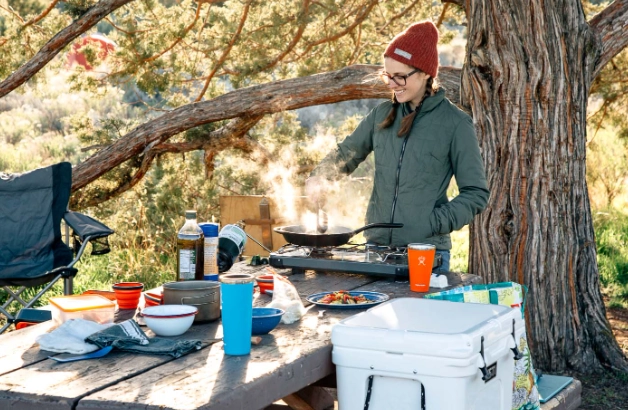
This guide isn't a list of obvious tips. It's based on my own mistakes and victories, from soggy pancakes in the rain to perfect campfire steaks. We'll cover gear that lasts, recipes that don't require a culinary degree, and safety stuff most blogs gloss over.
Picking Your Camping Kitchen Gear: Less Is More, But Smart Is Key
You don't need a full kitchen in your backpack. The goal is efficiency. I've seen people haul giant coolers and fancy sets only to use half of it. Start with the essentials.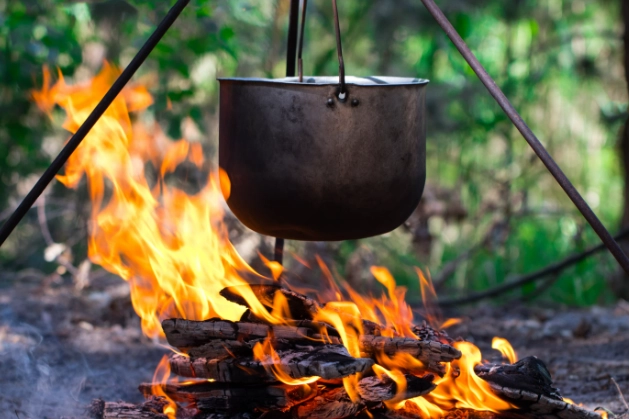
Camping Stoves: The Heart of Your Operation
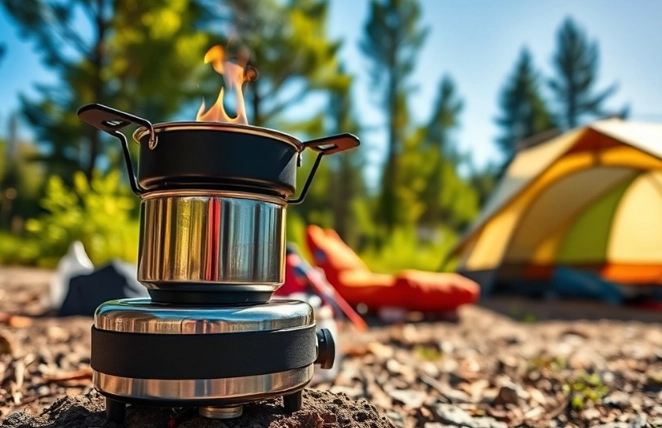
Forget the one-size-fits-all advice. Your stove choice depends on where you're going. Car camping? A two-burner propane stove like the Coleman Classic is reliable and cheap. Backpacking? Weight matters. Here's a quick comparison based on my experience.
| Stove Type | Best For | Pros | Cons | My Pick |
|---|---|---|---|---|
| Canister Stove | Backpacking, quick trips | Lightweight, easy setup, fast boil | Canister disposal issues, performance in cold | MSR PocketRocket 2 |
| Liquid Fuel Stove | Winter camping, long expeditions | Works in extreme cold, fuel efficient | Heavy, requires priming, maintenance | MSR WhisperLite Universal |
| Propane Stove | Car camping, family trips | Stable, consistent heat, easy control | Bulky, not for backpacking | Coleman Triton Series |
A common mistake: buying a stove based on brand hype alone. Test it at home first. I once bought a trendy integrated canister stove that tipped over with a full pot—wasted money.
Cookware and Utensils: The Unsung Heroes
Skip the fancy titanium sets unless you're an ultralight purist. A decent non-stick pot and pan combo, like from GSI Outdoors, works for 90% of meals. Add a spatula, a sharp knife (not a flimsy multi-tool one), and a cutting board. That's it.
For utensils, I prefer stainless steel over plastic—they don't melt near heat. Pack a couple of large mixing bowls for prep. And always bring extra fuel. The National Park Service reports that running out of fuel is a top reason for campfire misuse, so plan ahead.
Pro Tip: Use a plastic tub to store all kitchen gear. It keeps things organized, doubles as a wash basin, and prevents leaks in your car. I learned this after a bottle of olive oil ruined my sleeping bag.
How to Whip Up Easy Camping Meals That Actually Taste Good?
Camping food doesn't have to be bland. The secret is prep work at home. Chop veggies, marinate meats, and pre-measure spices. It saves time and reduces mess.
Breakfast: Fast and Filling
Forget complicated eggs Benedict. Go for oatmeal with dried fruit and nuts—just add hot water. Or, if you have a stove, make breakfast burritos with pre-scrambled eggs (carry them in a sealed bottle) and sausage. I once cooked for a group of eight this way in under 20 minutes.
Pancakes from scratch? Too messy. Use a mix like Kodiak Cakes; just add water. Cook them on a lightly oiled griddle. They're hearty and won't fall apart.
Dinner: One-Pot Wonders Are Your Best Friend
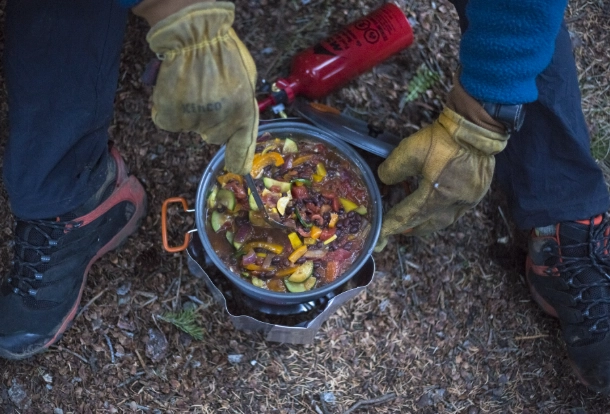
After a long day hiking, you want minimal cleanup. One-pot meals are the answer. Think chili, pasta with pre-cooked sauce, or stir-fry with instant rice.
Here's my go-to recipe for a hungry crowd: Campfire Jambalaya. Sauté pre-cut onions and sausage in a pot, add canned tomatoes, instant rice, and Cajun seasoning. Pour in broth, simmer for 10 minutes. Done. It's scalable, uses shelf-stable ingredients, and tastes like home.
Another winner: foil packet meals. Wrap fish or chicken with veggies and herbs in foil, toss it on coals. But be careful—timing is tricky. Overcook it, and you get a dry mess. I recommend practicing in your backyard first.
What Are the Non-Negotiable Safety Rules for Camping Cooking?
Safety isn't just about avoiding burns. It's about protecting the environment and your health. I've seen too many campsites littered with food scraps, attracting bears.
Fire Safety: Beyond the Basics
Always check local fire regulations. In dry areas, campfires might be banned. Use a stove instead. If you have a fire, keep it small and in a designated pit. Never leave it unattended.
A subtle point: position your stove or fire away from tents and overhanging branches. Wind can shift suddenly. I once had a gust tip a pot, sending boiling water dangerously close to my gear.
Food Storage and Hygiene: Avoid the Bears and the Bugs
Store food in bear-proof containers or hang it from a tree. In areas like Yosemite, it's required. Even in non-bear country, raccoons and mice are clever. Use airtight containers.
For hygiene, bring biodegradable soap and a separate sponge for dishes. Wash hands with sanitizer before handling food. According to the CDC, foodborne illnesses can spike outdoors due to poor hygiene. Don't skip this.
Clean your cooking area thoroughly. Pack out all trash, including food scraps. Leave No Trace principles aren't just guidelines—they're essential for preserving wild spaces.
Personal Story: On a trip in the Rockies, I ignored food storage advice. A curious marmot chewed through my backpack to get to a snack wrapper. Lesson learned: never underestimate wildlife.
Your Burning Questions Answered
Camping cooking is a skill that improves with practice. Start simple, invest in reliable gear, and always prioritize safety. Your taste buds—and your camping buddies—will thank you. Now get out there and cook something delicious under the stars.