In This Guide
Let's be honest. The idea of hunting while camping sounds like the ultimate outdoorsman fantasy, right? Waking up in your tent to the smell of pine, stepping out into the quiet dawn, and heading out from your own basecamp to hunt. No long drive home in the dark. Just you, the wilderness, and a real shot at success.
But here's the thing—it's not as simple as just throwing your rifle in the car with your sleeping bag. Combining a hunting trip with a camping trip is a whole different beast. It takes more planning, more gear, and a different mindset. I've had trips where everything clicked perfectly, and I've had trips that were, well, learning experiences (read: miserable). The difference was knowing how to do it right.
This guide is for anyone who's searched for "how to hunt while camping" and wants the straight story. We're going to walk through everything, from the gear you absolutely need to the stuff you can probably leave at home, and how to actually make it work out there. This isn't about trophy hunting from a luxury lodge; it's about self-sufficient, backcountry hunting where your camp is your home base.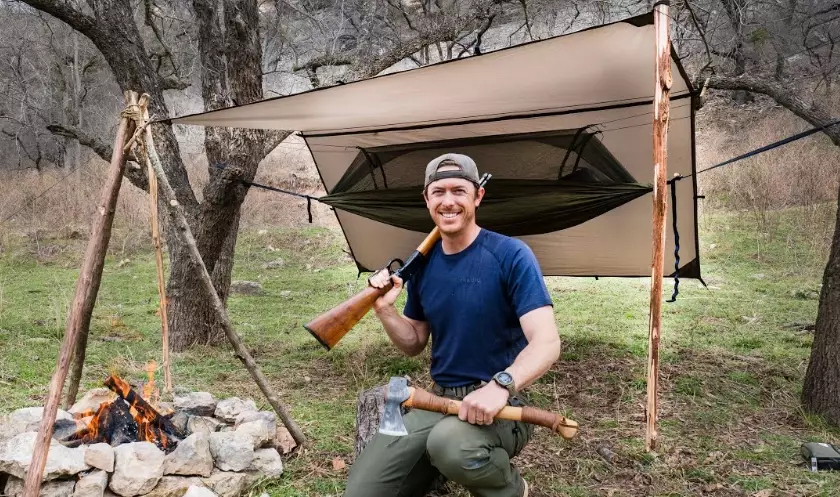
Getting Your Head and Your Gear Right: The Foundation
Before you even look at a map, you need to shift your thinking. A hunting camp isn't a leisure camping site. Every piece of gear serves a dual purpose: it must support your survival and comfort at camp and not hinder your hunt. Weight matters. Noise matters. Smell matters. A lot.
The Non-Negotiable Gear List
Forget the 50-item generic camping lists. When you're figuring out how to hunt while camping, your kit gets specialized. Here’s the core breakdown:
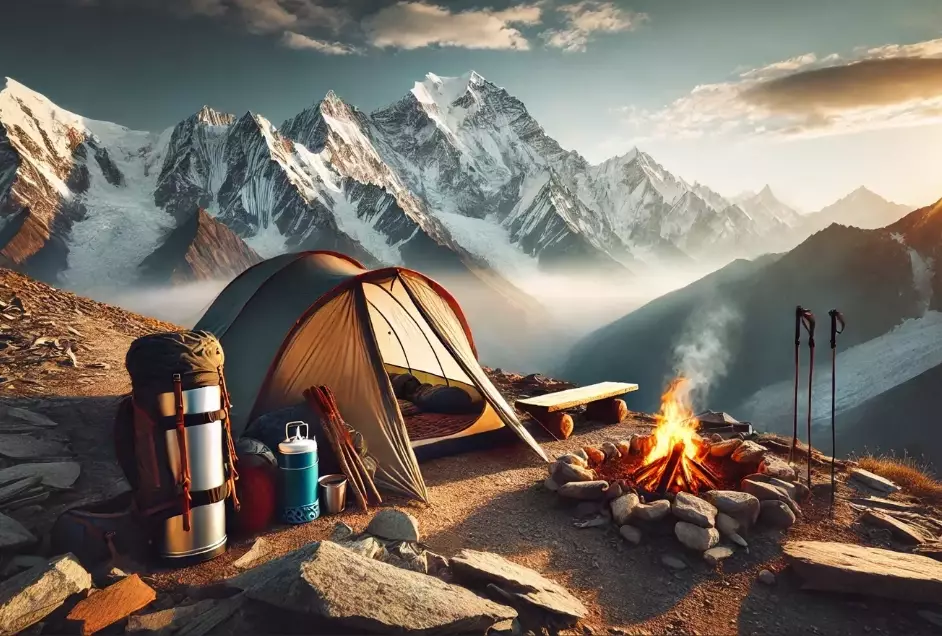
- The Shelter & Sleep System: This is your recovery zone. A quality 3-season tent is fine for most, but consider a bivy sack or tarp setup for ultralight, mobile hunts. Your sleeping bag should be rated at least 10 degrees lower than the expected low. A sleeping pad isn't just comfort; it's insulation from the cold ground. I made the pad mistake once. Never again.
- The Kitchen (Minimalist Style): A small, reliable backpacking stove (canister or white gas), a single pot, a spork, and a durable mug. Dehydrated meals are your friend. Forget the cast iron skillet. The goal is hot calories and coffee, not a gourmet feast. Pack all food in a bear-proof canister or use a proper bear hang system—non-negotiable in most wilderness areas.
- Hunting-Specific Camp Gear: This is where most first-timers fail. You need a way to process game at camp. This means a sharp, sturdy knife (or two), a small bone saw, game bags (the cheesecloth kind, not the nylon ones for carrying), and 50+ feet of paracord for hanging meat. A small headlamp with a red light mode is crucial for pre-dawn prep and post-sunset work without ruining your night vision or attracting bugs.
The Clothing Conundrum: Packing for Two Jobs
You have two modes: camp mode and hunt mode. Your clothing system must work for both.
At camp, you want warm, comfortable, and smell-contained clothes. A dedicated set of base layers and socks that never see the hunting field. Keep them sealed in a plastic bag. Your hunting clothes—think merino wool or quiet, scent-controlled synthetics—stay in a separate bag. The moment you get back to camp, change out of your sweaty hunting clothes. Hang them to air out downwind of your tent. This simple habit does more for scent control than any spray.
Layering is everything. A moisture-wicking base layer, an insulating mid-layer (fleece or puffy), and a weatherproof, quiet outer shell. Avoid anything that swishes or rustles loudly. I'm not a fan of overly bulky camouflage for backcountry trips; it packs poorly. Opt for patterns that blend with your specific environment (grey rock and pine, brown oak leaves, etc.) and focus more on fit and function.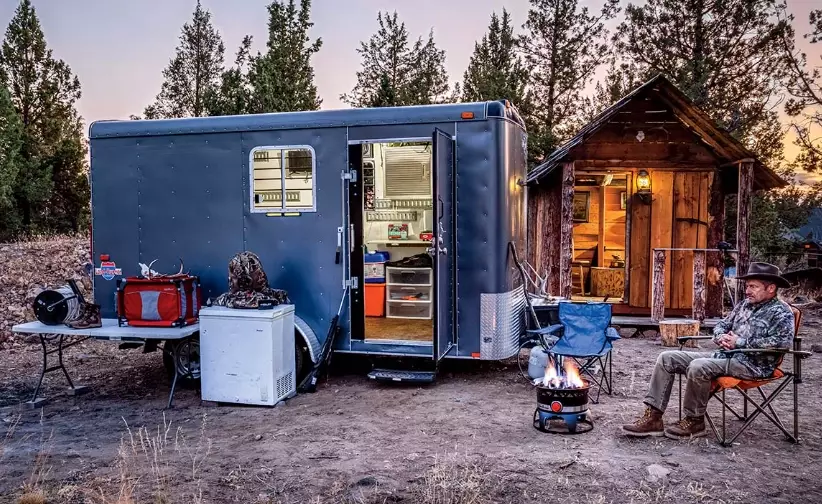
Choosing Your Spot: The Most Important Decision
Where you set up camp will make or break your hunt. It's not about the prettiest view.
First, legality and access. This is paramount. You must know the land ownership (public like National Forest or BLM land, or private with permission), the specific hunting unit boundaries, and any camping restrictions. Some areas allow dispersed camping anywhere, others require designated sites. The U.S. Fish & Wildlife Service and state wildlife agency websites are your best friends here. Don't guess.
The strategy for picking the perfect camp location involves a balancing act:
- Water Source: You need water. A clean stream or lake within a reasonable distance is ideal. But never camp right on the bank. It disturbs wildlife corridors and often violates Leave No Trace principles. Camp at least 200 feet away.
- Wind & Topography: Set up camp downwind of where you expect to hunt. Your camp will have food and human smells. You don't want those smells drifting into your hunting area all day. A sheltered spot in a small depression or tucked against a tree line is better than an exposed ridge top, both for stealth and weather protection.
- Access to Hunting Ground: Your camp should be a launchpad. You want to be able to slip into your hunting area at first light without a brutal hike that leaves you sweaty and exhausted. Sometimes this means a longer hike in to camp to position yourself perfectly. It's worth it.
I once spent two days hiking into a gorgeous, remote basin only to realize the prevailing wind funneled all my camp smoke and scent directly into the only decent deer meadow. I saw exactly zero deer. Lesson painfully learned.
The Hunt From Camp: Tactics and Mindset
This is the core of how to hunt while camping. Your daily rhythm changes.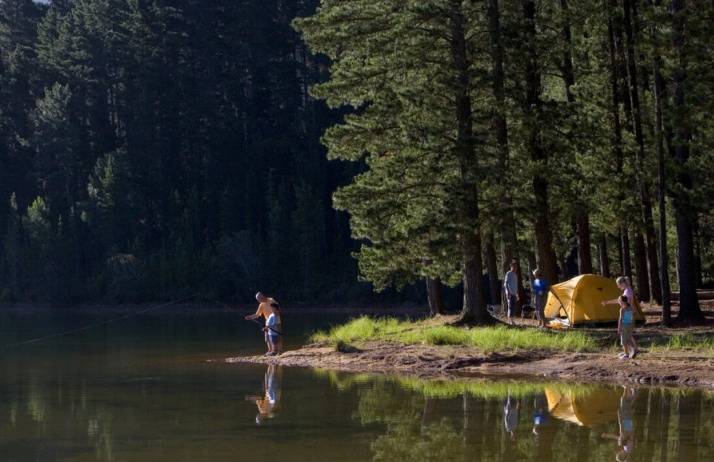
The Daily Rhythm of a Hunting Camp
Your days start early, but they're structured differently. You're not commuting. Pre-dawn is for silent preparation: dressing in your hunting layers, a quick, cold breakfast or energy bar, and quietly leaving camp while it's still dark. You want to be in position at your glassing point or stand before legal shooting light.
The midday lull isn't for a nap back at the tent (usually). It's for slow, still-hunting through thick cover, or glassing from a shaded spot. You return to camp in the late afternoon for a hot meal, to refill water, and to rest before the evening hunt. The evening hunt ends at last light, and then you have the hike back to camp in the dark—so know your route.
Hunting Methods That Shine From a Basecamp
Some styles are better suited to the camping hunter than others.
| Method | Why It Works for Camping | The Big Challenge |
|---|---|---|
| Spot-and-Stalk | Perfect for vast, open country. You can glass huge areas from high points near camp and plan stalks. Highly mobile. | Requires excellent optics and physical fitness for long stalks, often in variable terrain. |
| Still-Hunting | Ideal for thick timber. You move slowly and silently from camp, hunting as you go. Low pressure on the area. | Demands extreme patience and woods skills. Easy to blow out game if you're noisy. |
| Setting a Strategic Ambush | Great if you find a clear funnel, trail, or water source. You can hunt close to camp with minimal movement. | Requires excellent pre-season scouting or time to scout at the start of your trip. Can be boring. |
| Using a Tree Saddle or Lightweight Stand | Offers great visibility and scent control. Modern saddles pack down incredibly small. | Carrying and setting up takes time and effort. Not ideal for long sits in very cold weather. |
The biggest advantage you have? Time. You're immersed. You learn the patterns of the animals in that specific patch of woods over days, not hours. You see where they move after the first morning of pressure, where they bed at noon. This intel is gold.
The Moment of Truth: Game Recovery and Camp Processing
This is the part most articles gloss over, but it's the most critical skill set for learning how to hunt while camping successfully. You've got an animal down. Now what? You're miles from your truck, and it's getting dark.
First, tag the animal immediately according to your local regulations. Then, the real work begins. Field dressing is step one, and you need to be efficient and clean. Get the internal organs out to cool the carcass rapidly. This is where that sharp knife and saw come in.
Now, you have a decision: quarter and pack, or drag? For anything larger than a coyote and any distance over a few hundred yards of rough terrain, quartering is the way. It's more work upfront but saves your body and gets the meat cooling faster. You'll bone out the meat (remove it from the bones) to save even more weight. The NRA often sponsors hunter education courses that include game processing—worth looking into.
You'll pack the meat into game bags. Then, you need to get it back to camp and deal with it. At camp, you need to get the meat cooled and protected. If temperatures are below 40°F, you can hang it in the shade. If it's warmer, you need to create airflow. Hanging it in a breezy spot is good. Some hunters will even pack in a lightweight mesh meat hammock to keep flies off.
The hardest trip I ever had was packing out a deer by myself in early season warmth. I had to make multiple trips, and keeping the meat cool was a constant, stressful battle. It taught me to always have a solid plan for meat care before I even take a shot.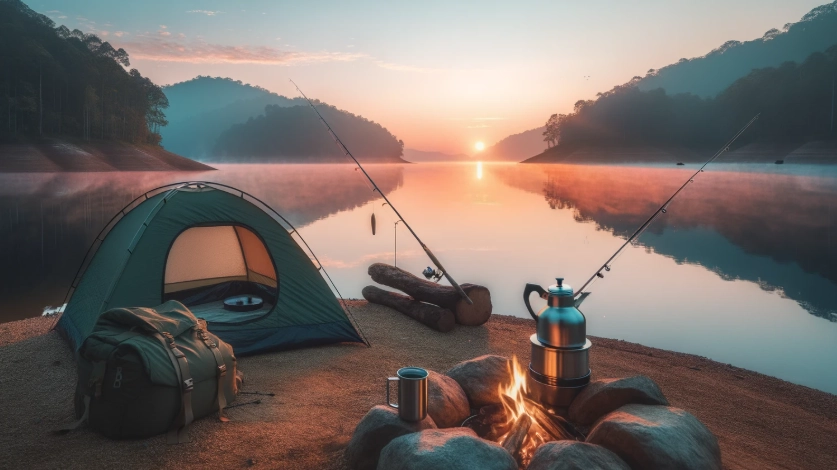
Safety, Ethics, and Leaving No Trace
Hunting from a camp comes with amplified responsibility.
Food Storage: This is safety and ethics. A bear or raccoon getting into your food isn't just a nuisance; it's dangerous for you and creates a problem animal. Use a bear canister or a perfect PCT-style bear hang. Store all food, trash, and smelly items (toothpaste, deodorant) away from your tent.
Fire Safety: Know the current fire restrictions. Use existing fire rings if possible. Keep fires small and manageable. Drown them dead out with water, not dirt, before leaving camp or sleeping. A single ember can undo a thousand acres.
Leave No Trace: Pack out EVERYTHING you pack in. This includes spent shell casings, fruit peels, toilet paper (use a WAG bag or bury it deeply 200+ feet from water), and all garbage. Leave the place cleaner than you found it. Our hunting privileges depend on public perception and land health.
Answers to the Questions You're Probably Asking
Look, the goal of learning how to hunt while camping isn't just to bag an animal. It's about the deepest form of engagement with the wild. It's self-reliance. It's waking up in the middle of the woods and hunting right from your doorstep. It's hard, sometimes frustrating, but unbelievably rewarding. It connects you to the process in a way a day trip never can.
Start small. Do a weekend scouting trip where the goal is just to practice camping in the area you want to hunt. Then go for a 3-day hunt. You'll learn more each time. You'll forget things, you'll bring things you don't need, and you'll refine your system.
But when it all comes together—when you're eating backstrap cooked over a small fire at your own camp after a long day—you'll understand why people keep searching for this knowledge. It's the real thing.