What You'll Learn in This Guide
Let's talk about something most campers hope they'll never need: emergency signals. You pack the tent, the sleeping bag, the fancy stove. But how much thought do you give to your plan for shouting "HELP!" across a mountain valley or through a dense forest? Probably not enough. I learned the hard way on a solo hike years ago when a twisted ankle turned a simple trail into a long, cold ordeal. My phone was a brick—no signal. I knew about SOS, but my frantic waving felt useless. That experience changed how I prepare. This guide isn't about scaring you; it's about empowering you with the knowledge to turn a potential disaster into a manageable situation where rescue can find you.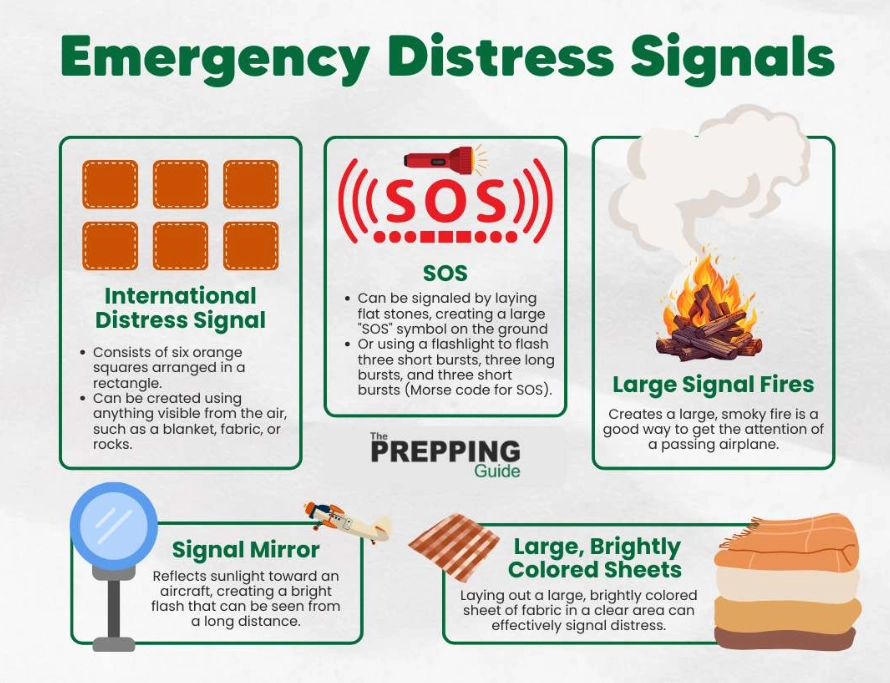
Why Knowing These Signals Isn't Optional
Think of emergency signals as your backup communication system. When your primary system (your voice, your phone) fails, these signals become your lifeline. Search and rescue teams are trained to look for specific, intentional patterns. A random flicker of light is ignored. Three flashes, a pause, three more? That gets attention. The goal is to create a clear, unmistakable contrast with the natural environment that says "human in trouble here." It bridges the gap between you being lost and you being found.
The Universal Distress Signals You Must Know
These are the non-negotiable ones. Memorize them.
The International Distress Signal: SOS
Forget what you saw in the movies. SOS in Morse code is three short, three long, three short (··· --- ···). It's the gold standard. You can send it with light (a flashlight, mirror), sound (whistle, horn), or even by arranging rocks in a clearing. The rhythm is what matters. Practice the timing: short flash/beep, short, short, long, long, long, short, short, short. Pause. Repeat.
The Visual Mountain Distress Signal
This one is purely visual and recognized globally by aviators and mountain rescuers. The signal is simple: six of anything in a regular, timed sequence. That could be six flashes of light, six waves of a bright jacket, or six puffs of smoke. After the six signals, pause for one minute, then repeat. It's less about a specific code and more about the consistent, repeated group of six.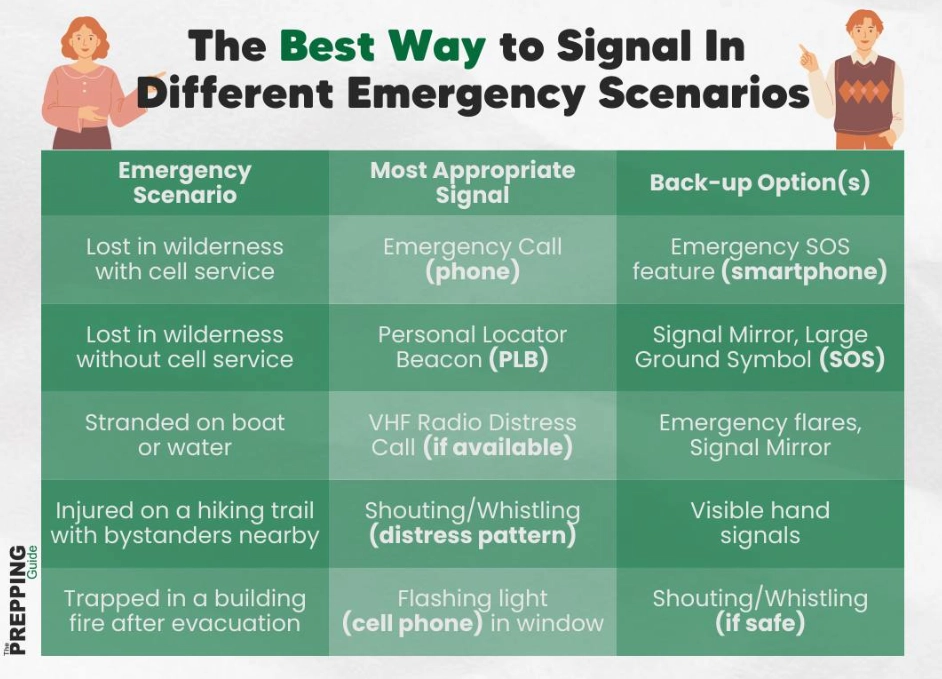
The Audible "Three-of-Anything" Rule
Sound travels in tricky ways outdoors. The rule for audible distress is three loud, clear signals in succession. Three blasts on a whistle. Three shouts. Three honks of a car horn. Then wait. Listen for a response (often two signals means "message received" or "help coming"). If no response, repeat after a few minutes. This pattern helps rescuers distinguish your call for help from random natural noise.
How to Create Improvised Signals with Gear You Have
You don't need special gear. You need creativity. Here’s how to use what's in your pack.
| Gear Item | Improvised Signal Method | Pro Tip / Watch Out |
|---|---|---|
| Flashlight or Headlamp | Use the lens cover or your hand to create the SOS flash pattern. At night, aim it at cloud bases for greater visibility. | Conserve battery. Use it only when you hear or see potential rescuers. Strobe functions are useless—they look like lightning or camera flashes. |
| Space Blanket | Spread it out in an open area. The metallic side is a giant mirror for aerial signals. Weigh down the corners. | On a sunny day, you can use a smaller piece as a signaling mirror. The reflection can be seen for miles. |
| Whistle | Three loud, piercing blasts. The sound carries much farther than your voice and uses less energy. | Attach one to your backpack strap. A pea-less whistle works in wet conditions. Don't use it for fun—its meaning is serious. |
| Bright Clothing | Lay out a bright jacket, rain fly, or pack cover in a large "X" or "SOS" on the ground or against a dark background. | Orange, red, and fluorescent yellow are best. Avoid greens and browns that blend in. |
| Fire & Smoke | Three fires in a triangle is a classic ground-to-air signal. Green vegetation on a fire creates thick white smoke. | Fire Danger: Only use if conditions are safe and you can absolutely control it. A rescue signal shouldn't start a wildfire. |
I once saw a hiker use a CD from their car's visor as a makeshift signaling mirror. It worked. The point is to think about reflective, contrasting, and loud uses for ordinary items.
When to Signal and When to Conserve Energy
This is a critical judgment call many guides gloss over. Signaling non-stop will exhaust you and drain your resources. You need a strategy.
Signal Actively When:
- You hear an aircraft, see a vehicle in the distance, or hear voices.
- You are in a high-visibility location (a ridge, a clearing, a lakeshore).
- It is a time of day when signals are most effective (sunlight for mirrors, darkness for lights).
Conserve Energy and Stay Put When:
- You have established a visible signal (like a giant SOS made of logs).
- Visibility is poor (thick fog, heavy rain). Sound signals may still work.
- You are in a sheltered location for safety. It's better to be a slightly harder-to-find alive person than an easy-to-find hypothermia victim.
The U.S. National Park Service advises that if you are lost, staying in one place (after moving to a safe, open area if possible) greatly increases your chances of being found. Your prepared signals work for you while you rest.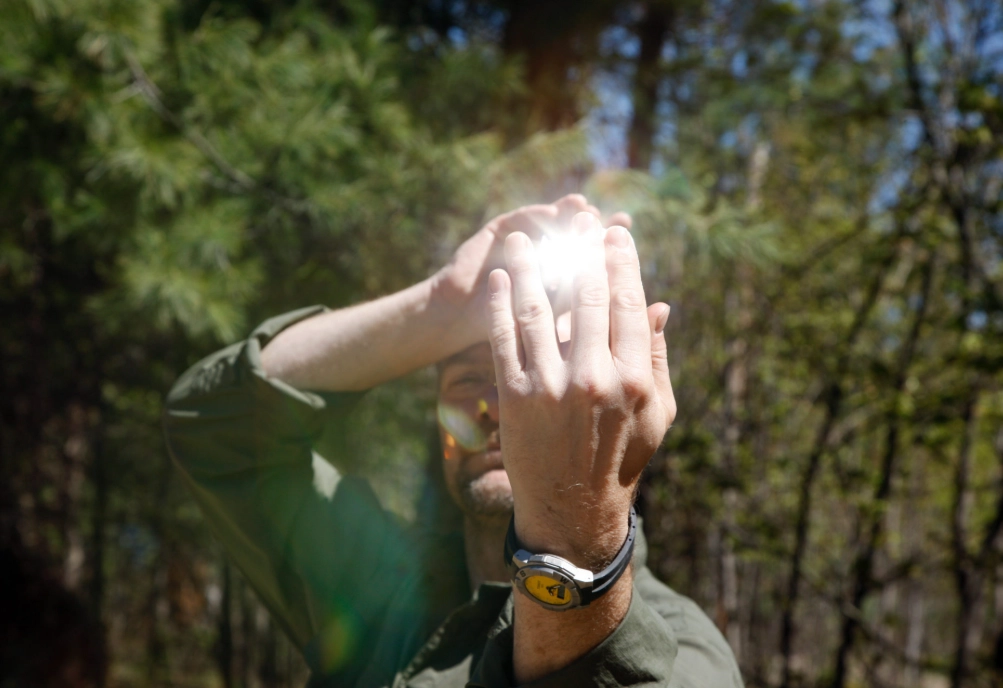
Common Mistakes That Make Your Signals Invisible
After talking with SAR volunteers, a few errors come up constantly.
Inconsistency. People get frantic and send random flashes or shouts. Rescuers dismiss this as animal activity or natural noise. Stick to the patterns: three or six.
Using a Strobe Light. It seems logical, but strobes are terrible. From a distance, they blend with lightning bugs, camera flashes, or reflective surfaces. A deliberate, coded flash is far more recognizable as human.
Signaling from a Concealed Spot. You're cold, so you signal from under a tree canopy. No one can see you. Move to the edge of a clearing, a beach, or a rock outcrop. Visibility trumps minor comfort.
Giving Up Too Soon. A plane might not see you on the first pass. Keep signaling. They often circle back.
The biggest mistake? Not having a whistle. Your voice gives out after an hour. A whistle works for days. It's the single most effective, cheapest piece of safety gear you can own.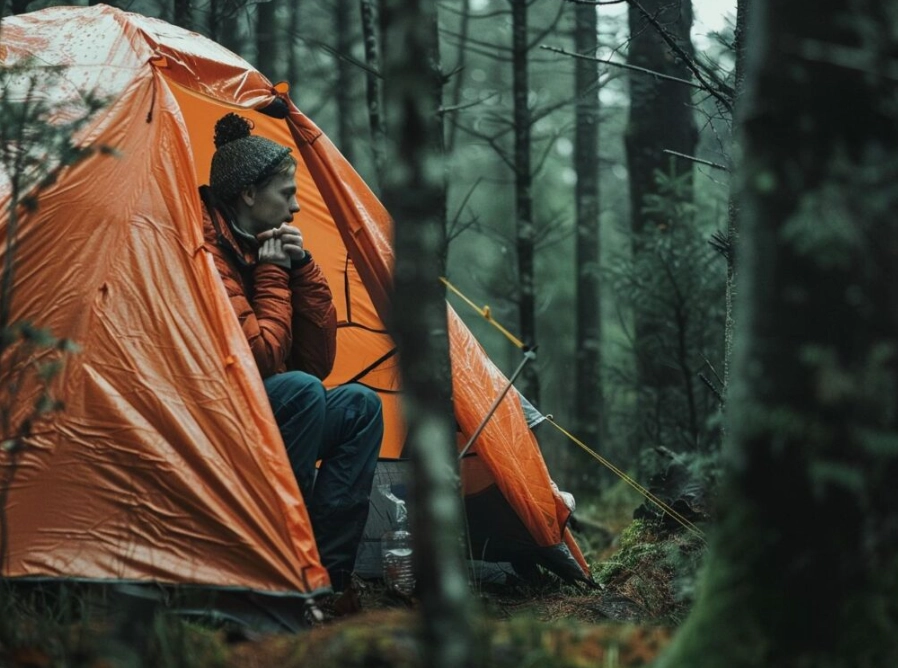
Your Emergency Signals Questions Answered
 Are there any emergency signals that could be mistaken for something friendly or normal?