Packing for a camping trip is one thing. Packing for a camping trip where you plan to fish is a whole different ball game. Get it right, and you’re rewarded with fresh dinner and unforgettable memories. Get it wrong, and you’re staring at a pristine lake with a tangled mess of line and a sinking feeling. I’ve been combining camping and fishing for over a decade, from Appalachian trout streams to Midwestern lakes, and I’ve made every mistake in the book so you don’t have to. This isn’t just a list of things to buy. It’s a curated system for choosing camping fishing gear that works together, saves space, and actually catches fish.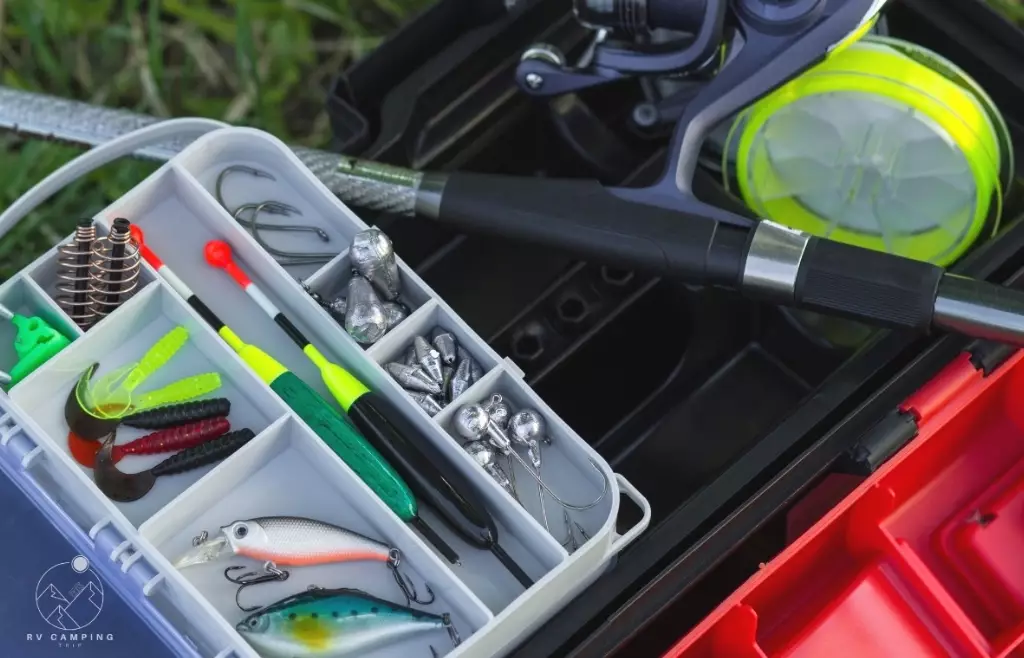
What’s Inside: Your Quick Guide
The Core Camping Fishing Gear Checklist
Forget dragging your entire garage setup into the woods. Camping fishing is about efficiency. Every item must justify its weight and space. Here’s the non-negotiable foundation, broken down by function.
1. The Rod & Reel Combo: Your Primary Tool
This is your biggest decision. A surfcasting rod is useless on a mountain stream. I see people bring giant, two-piece baitcasting rods for backpacking. It’s comical and a sure way to have a bad time.
| Type | Best For | Key Feature for Camping | My Personal Take |
|---|---|---|---|
| Travel / Multi-Piece Rod (4-6 pieces) | Backpacking, air travel, compact storage. | Packs down to 16-24 inches. Fits inside or strapped to your pack. | The ultimate for mobility. Modern ones cast nearly as well as one-piece rods. Don’t cheap out here. |
| Two-Piece Spinning Rod (6-7 ft, Light/Medium power) | Car camping, kayak fishing, short hikes to shore. | Balances versatility and packability. The “goldilocks” choice for many. | My go-to for 80% of trips. A 6’6" medium-light rod can handle panfish, bass, and trout. |
| Tenkara Rod (Collapsible fly rod) | Small streams, alpine lakes, ultralight backpacking for trout. | Extremely light, simple (no reel), and incredibly fun in tight spaces. | Not for everyone, but if you’re in trout country with small water, it’s a game-changer. Less gear to manage. |
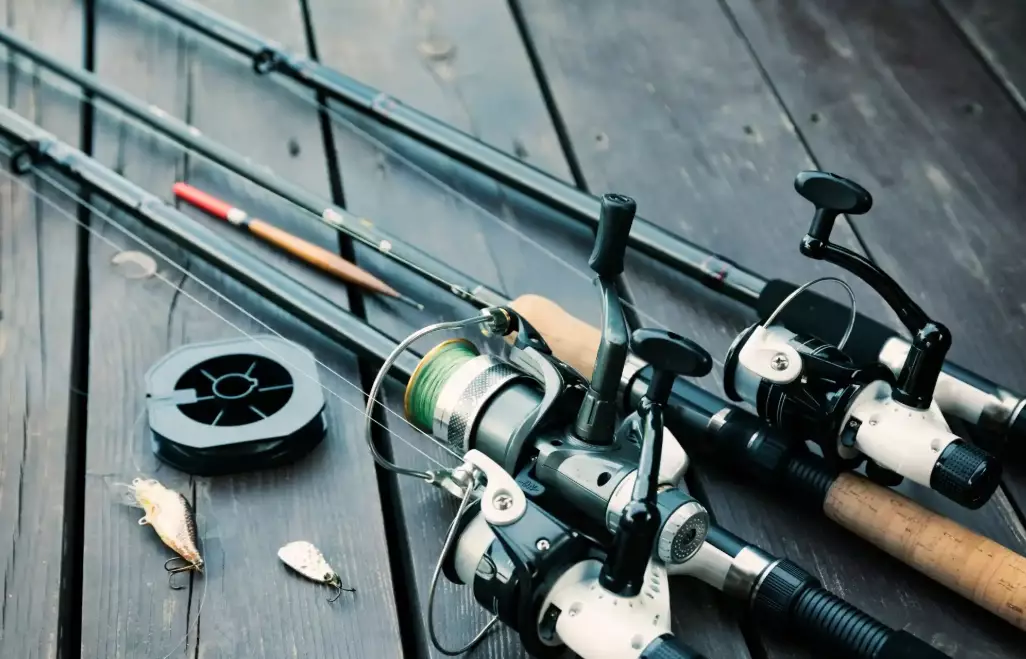
Pair your rod with a size 2500 or 3000 spinning reel. It’s the sweet spot. Smaller is too weak, larger is overkill. Spool it with 6-10 lb braided line before you go. Braid is thinner, stronger, and doesn’t have memory like monofilament, which means fewer tangles after being stuffed in a pack. Add a 3-4 foot fluorocarbon leader (8-12 lb test) tied with a double uni knot for invisibility near the hook.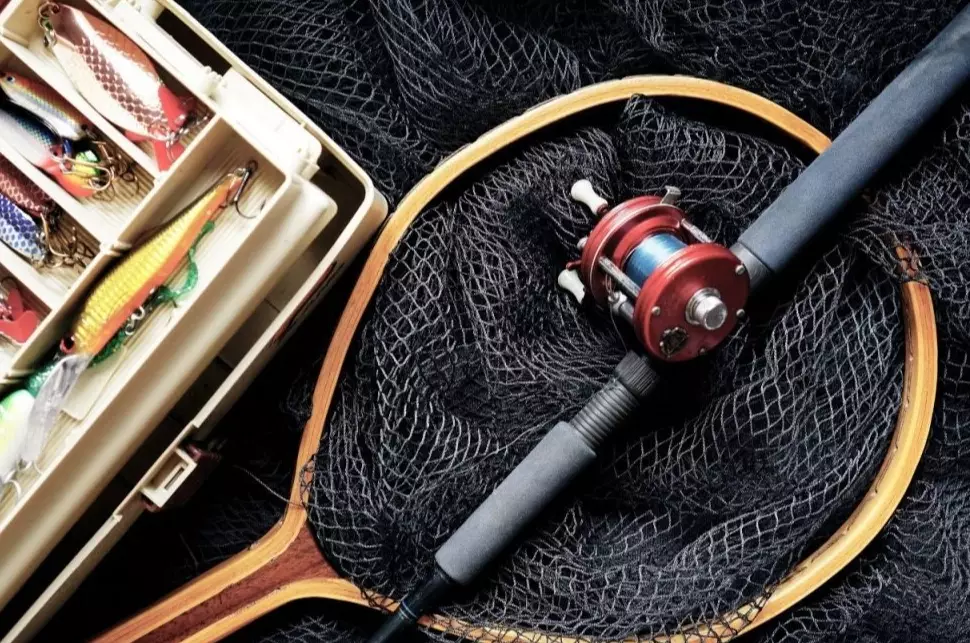
2. The Tackle Box: Small, Smart, and Organized
Your home tackle box is a luxury you can’t afford. You need a slim, waterproof, compartmentalized box. I use a Plano Edge 3600 Stowaway. It’s about the size of a thick paperback.
Here’s what actually goes in mine for a generic freshwater trip:
- Hooks: Size 6 and 8 baitholder hooks for worms. Size 1/0 and 3/0 EWG hooks for soft plastics.
- Weights: A few split shot sinkers and some 1/8 oz & 1/4 oz bullet weights.
- Bobbers: A couple of slip bobbers. They’re adjustable for depth and pack flat.
- Lures: This is where people overpack. I bring five, max: 1) A 1/4 oz inline spinner (rooster tail). Catches everything. 2) A shallow-diving crankbait. 3) A 3" curly tail grub on a jig head. 4) A topwater popper for fun at dusk. 5) A spoon for casting distance and depth.
- Soft Plastics: A handful of 4" senko-style worms (weedless) and some 3" twister tails. They’re lightweight and deadly.
3. The “Camping” Part of Camping Fishing Gear
This is what separates the day-tripper from the overnight angler. These items solve problems you only encounter when you’re staying put.
- Headlamp with Red Light Mode: Crucial for pre-dawn fishing or dealing with a snag after dark. The red light preserves your night vision and attracts fewer bugs.
- Multi-Tool with Pliers: Not just any multi-tool. You need one with needle-nose pliers for hook removal. The knife, scissors, and file are bonuses.
- Compact Landing Net: A folding net with a rubberized mesh bag. Rubber is gentler on fish you plan to release and doesn’t tangle hooks like nylon.
- Fish Gripper/Lip Grabber: For safe handling, especially of toothy fish like pike or bass. Better than your fingers.
- Portable Scale & Measure: A small, tape-style measure. Satisfies curiosity and helps with local regulations.
- Dry Bag (5-10 liter): This is your on-the-water kit bag. Keeps your phone, keys, lighter, and a snack dry if you’re in a canoe or kayak, or if rain pops up.
How to Choose the Right Gear for Your Trip
The checklist above is your template. Now you need to edit it based on your specific mission. Asking these three questions will prevent you from carrying useless weight.
Question 1: How are you getting there?
Backpacking 5+ miles? Every ounce screams. Prioritize a 4+ piece travel rod, a tiny tackle selection (maybe just hooks, weights, and a few lures in a pill bottle), and leave the heavy net at home. A Tenkara rod is worth serious consideration here.
Car camping at a lakeside site? You have luxury. Bring the two-piece rod, a slightly larger tackle box, a folding camp chair for the shore, and a cooler for your catch (and drinks).
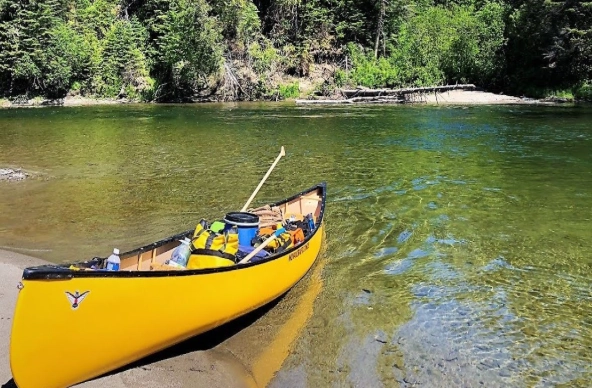
Paddling in (Canoe/Kayak)? Durability and tethering are key. Rod leashes are a must unless you want to watch $200 sink. A shorter rod (under 7') is easier to manage. Your dry bag is non-negotiable.
Question 2: What are you fishing for?
Research the water body. The U.S. Forest Service or state park websites often have fishing guides. Targeting stocked trout in a high lake? Pack small spinners and light line (4-6 lb test). Going for largemouth bass in a weedy pond? You’ll need those weedless hooks and heavier line to pull them out of cover. Don’t bring saltwater gear to a freshwater pond.
Question 3: What’s the primary goal?
Is this a “fish for dinner” trip or a “relax and maybe catch something” trip? For food, focus on simplicity and reliability: live bait (if allowed and feasible to keep alive) or sure-fire lures like nightcrawlers under a bobber. For relaxation, you can experiment with fun techniques like fly fishing or topwater lures.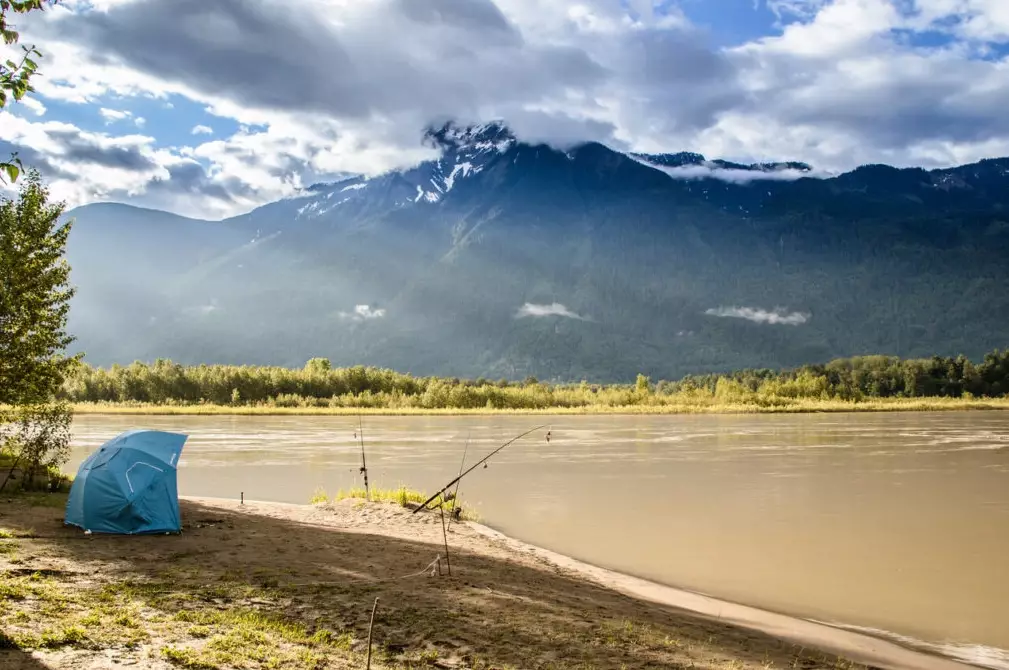
The 3 Most Common (and Costly) Camping Fishing Mistakes
I’ve learned these the hard way. You don’t have to.
Mistake 1: The “Just in Case” Packer. You throw in every lure you own. Not only does this add weight, but it wastes precious time at the water. You’ll spend 20 minutes digging through junk instead of fishing. Pick a strategy (topwater, finesse, etc.) and pack for that.
Mistake 2: Ignoring Rod Protection. Throwing a loose rod in the back of the car or strapping it to your pack without a tube is asking for a broken tip. A simple PVC pipe tube with end caps is cheap and bombproof. For backpacking, a padded rod case that straps to your pack is worth its weight.
Mistake 3: Forgetting the “Camp” in Camping Fishing. You remembered the rod but forgot a way to cook the fish. Or a way to store it safely overnight if you catch it in the evening. Plan the full cycle: Catch → Clean → Cook/Store. That means a sharp fillet knife, a small cutting board, seasoning, and a reliable camp stove or grill grate. Check local regulations on cleaning fish at the water’s edge.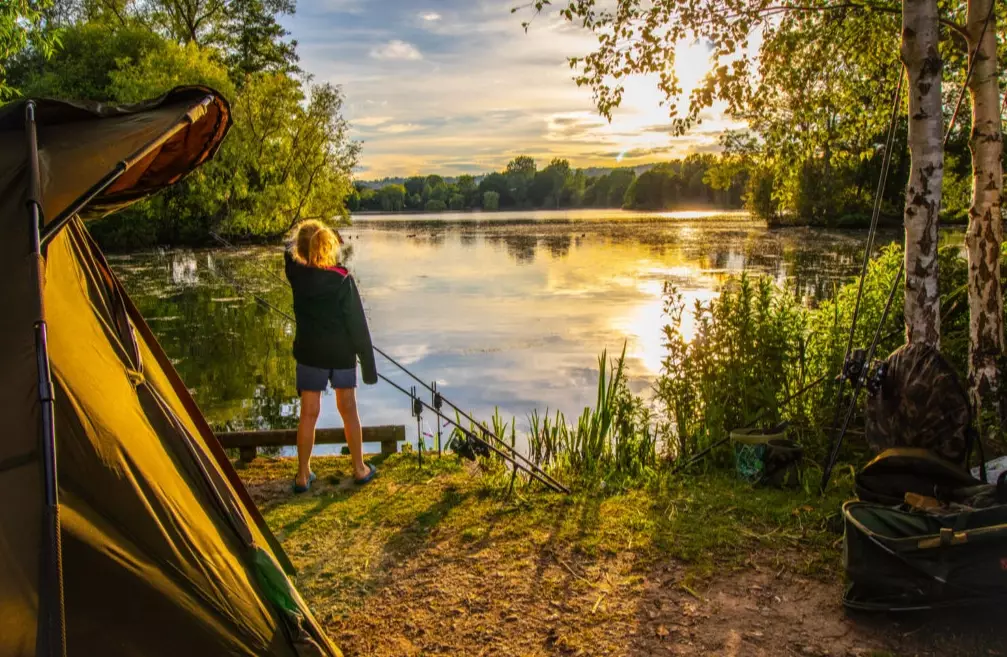
Your Camping Fishing Questions, Answered
 I’m backpacking into a remote alpine lake. Is live bait a good idea, or should I stick to lures?