Let's get this out of the way first. Talking about camping safety tips doesn't mean we're preparing for disaster. It's the opposite. Good safety practices are what give you the confidence to truly relax, explore further, and enjoy the wilderness without that nagging worry in the back of your mind. I've spent over a decade guiding trips and camping solo, and the most common mistakes I see aren't about facing down bears—they're about overlooking simple, preventable things that turn a great weekend into a miserable one.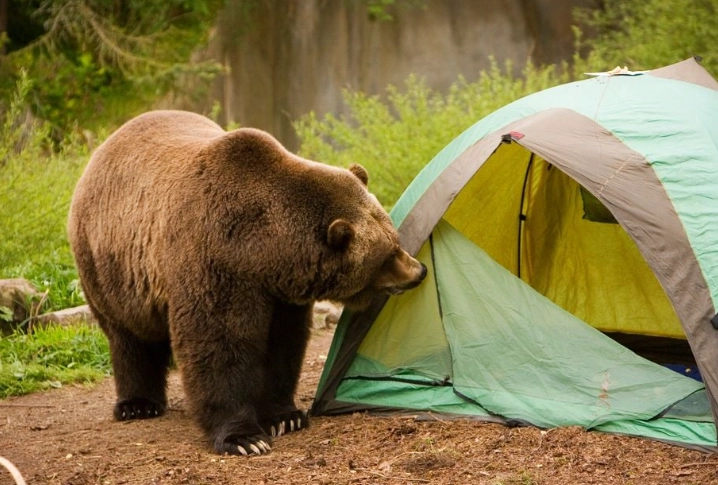
This guide isn't a scary list of everything that can go wrong. It's a practical blueprint for everything that can go right. We'll move beyond the obvious "tell someone where you're going" (though you absolutely should) and dig into the nuances that separate a prepared camper from a vulnerable one.
What’s Inside: Your Safety Guide
Phase 1: The Foundation - Planning & Navigation
Your safety trip starts days before you leave your house. Rushing this phase is mistake number one.
Research Like a Local, Not a Tourist
Don't just look at pretty pictures of the campground. Visit the official park or forest service website. Read the alerts and conditions page. Is there a bear activity warning? Are certain trails closed due to fire damage or flooding? This is live intel. For example, checking the National Park Service site for a park like Yosemite will tell you about current food storage requirements, road closures, and permit availability that a generic blog post from last year won't.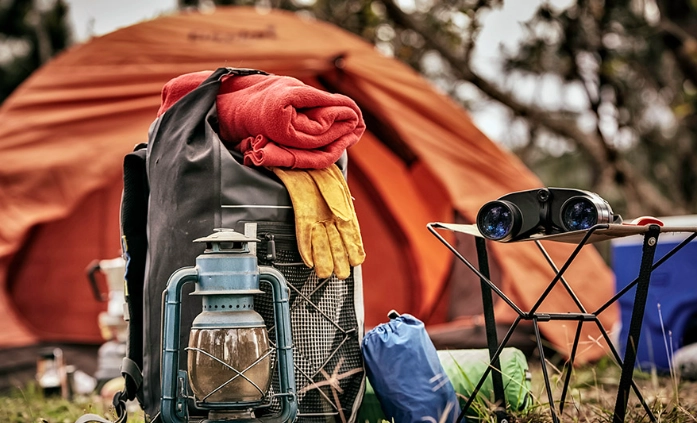
Call the ranger station. Seriously. They'll tell you about the mosquito hatch that just started, or the spring that's running dry, or the recent cougar sighting near trailhead B. This call takes five minutes and gives you information you can't get anywhere else.
The Navigation Sin Almost Everyone Commits
You have Google Maps on your phone. Great. Now forget about it as your primary tool. Batteries die. Phones break. Service disappears a mile down any interesting trail.
Your non-negotiable backup is a physical topographic map and a compass. And crucially, knowing how to use them. I've seen too many groups huddled around a dead phone, trying to guess which drainage leads back to the car. Buy a map specific to the area (Green Trails, USGS), familiarize yourself with the legend, and practice identifying terrain features in a local park before you go. Stick your planned route on the map with a highlighter. This isn't old-school nostalgia; it's your guaranteed ticket home.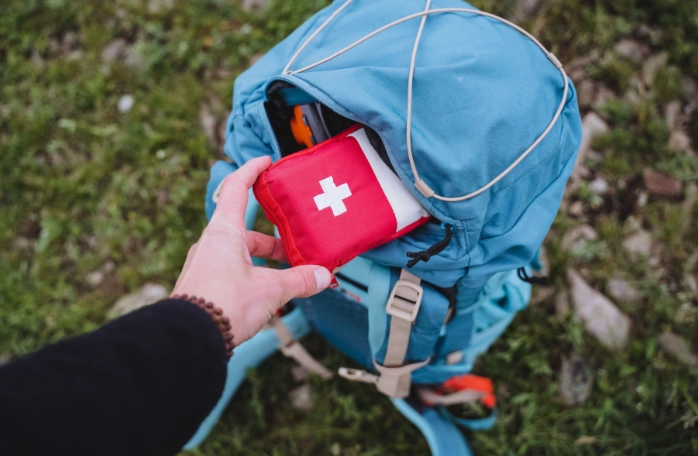
Phase 2: On the Ground - Campsite Setup & Wildlife
You've arrived. Where you pitch your tent and how you organize your camp is your second major safety decision.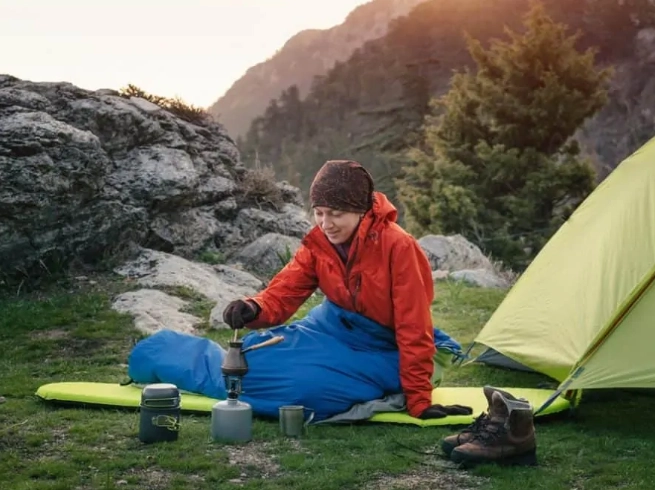
Choosing Your Spot: Look Up, Down, and Around
Established sites in campgrounds are usually vetted, but backcountry requires your own judgment. Follow the 200-foot rule from water sources (to protect fragile ecosystems), but also look for these hazards:
- Widowmakers: Dead branches or whole dead trees hanging overhead. Wind can bring them down silently.
- Drainages & Flash Flood Zones: A dry creek bed is a creek bed waiting for rain. Camp well above it.
- Ant Hills & Insect Nests: A quick scan saves you from being overrun.
- Rock Fall Zones: Look for scree slopes or unstable boulders above.
Bear Safety Isn't Just About Bears
Proper food storage protects you from all wildlife—raccoons, skunks, mice, and yes, bears. Mice chewing through your pack to get a granola bar can ruin your trip faster than a bear.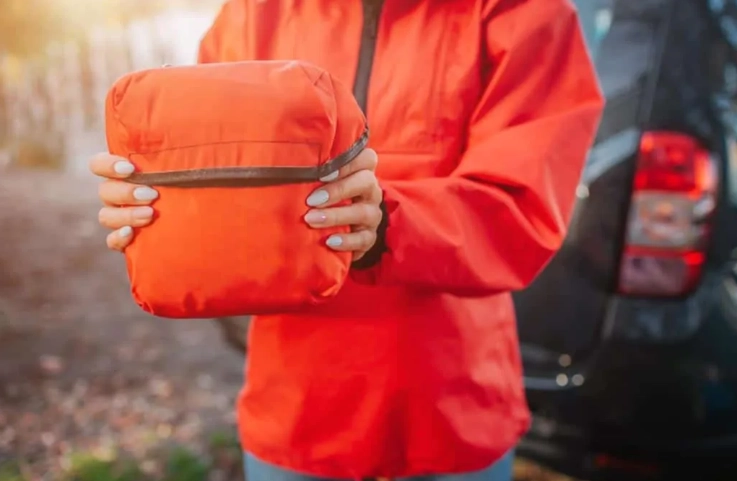
Bear hangs are tricky and often done wrong. The classic "PCT hang" requires a perfect branch. Most campsites don't have one. The best practice is to use a bear-proof container. If hanging, remember:
- Use two 50-foot ropes.
- Hang at least 100 feet from your tent and cooking area.
- The bag must be 10 feet off the ground and 4 feet from the trunk.
- Use a counterbalance (rock in a sock) for heavy loads.
Most failures happen because the bag is too close to the trunk or too low. Mice can climb, and bears can reach.
Phase 3: Core Camp Life - Fire, Food & Water Safety
This is where daily habits define your safety.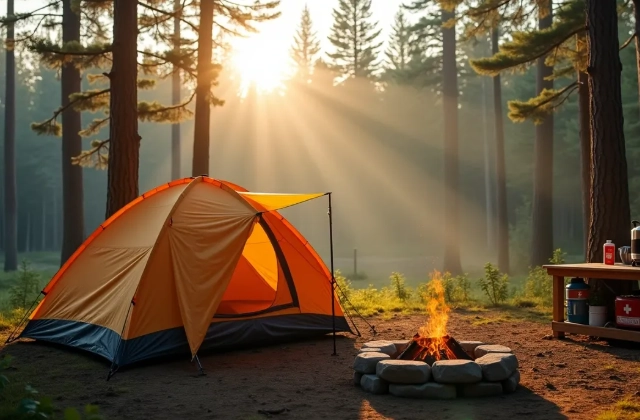
Fire: Your Warmest Friend and Biggest Foe
First, know the fire restrictions. Many areas have seasonal bans. Never assume. If fires are allowed:
- Use existing fire rings.
- Clear a 10-foot radius of all flammable material.
- Keep it small—you're cooking marshmallows, not signaling for rescue.
- Never leave it unattended, not for a second.
Extinguishing is a ritual, not a suggestion. I've seen "cold" pits reignite hours later. Here's the drill:
- Drown it. Pour water, not dirt (dirt insulates hot coals).
- Stir it. Mix the ashes and coals with a stick to expose hidden embers.
- Feel it. Hold the back of your hand close to the ashes. If you feel any heat, repeat steps 1 and 2.
If it's too hot to touch, it's too hot to leave.
Water: The Silent Priority
Dehydration creeps up. Headaches, fatigue, poor decisions. Drink before you're thirsty. For water treatment, you have options:
| Method | Pros | Cons | Best For |
|---|---|---|---|
| Filter (Pump/Squeeze) | Quick, removes protozoa & bacteria. Improves taste/sediment. | Doesn't kill viruses. Can clog. Mechanical parts can fail. | Most North American backcountry. |
| Chemical (Drops/Tablets) | Ultralight, simple, kills viruses. No moving parts. | Wait time (30 mins - 4 hrs). Can leave taste. Doesn't remove particles. | International travel, ultralight trips, backup. |
| UV Light (SteriPEN) | Fast, effective against all microbes. | Requires batteries. Doesn't work in murky water. Glass can break. | Clear water sources, car camping with power. |
| Boiling | 100% effective if done right. No cost. | Fuel intensive, time-consuming, have to cool water. | Surefire backup, cooking water. |
My system? A Sawyer Squeeze filter for speed, and iodine tablets as a foolproof backup in my first aid kit.
Phase 4: Be Ready For Anything - First Aid & Weather
You can't prevent every scrape, but you can be ready to handle it.
Building a Smart First Aid Kit
Forget the tiny pre-made kits with 100 band-aids and nothing useful. Build your own around common camping injuries:
- Blisters: Moleskin, leukotape, antiseptic wipes. Treat hot spots before they blister.
- Cuts & Scrapes: Gauze pads, adhesive tape, antibiotic ointment.
- Sprains & Strains: Athletic tape, elastic bandage.
- Pain & Allergies: Ibuprofen, antihistamine (like Benadryl).
- Tools: Tweezers (for splinters & ticks), scissors, safety pins.
- The Game-Changer: A compact emergency blanket. It's for shock, hypothermia, or just an extra layer. Weighs nothing.
Add personal meds. Know how to use everything. Take a basic wilderness first aid course—it changes how you see risks.
Reading the Sky
Weather changes fast. Learn the signs of trouble:
- Thunderstorms: If you can hear thunder, you're in range of lightning. Get off ridges, away from solitary trees, and into a low forest. Crouch on your sleeping pad.
- Hypothermia: It can happen in 50°F (10°C) weather if you're wet and windy. Signs: Uncontrollable shivering, slurred speech, clumsiness. Treatment: Get dry, add layers, warm drinks, share body heat.
- Heat Exhaustion: Heavy sweating, dizziness, nausea. Get to shade, drink water with electrolytes, cool the skin.
Check the forecast, but trust your eyes more than the app once you're out there.
Safety isn't a checklist you finish. It's a mindset you carry. It's about paying attention—to the weather, to your body, to the landscape. It's the quiet confidence that lets you sit by the fire, listen to the owls, and know you've done what you can to ensure this story has only good endings.
Now go enjoy your trip.