In This Guide
- Why Go Solo Camping in the First Place?
- The Mental Prep: Your First and Most Important Piece of Gear
- Planning Your First Solo Camping Trip
- The Non-Negotiable Solo Camping Gear Checklist
- The Solo Camping Packing List: A Final Walk-Through
- At the Campsite: Setting Up for Success and Safety
- Dealing with Loneliness and Fear at Night
- Safety Protocols You Cannot Ignore
- Advanced Tips for Your Next Solo Camping Adventures
- Frequently Asked Questions About Solo Camping
Let's be honest, the idea of solo camping can be intimidating. Your mind races with questions. What if I get lonely? Is it safe? What gear do I really need, and what can I leave behind? I remember my first time. I spent more time worrying about every crackle in the woods than I did enjoying the stars. But here's the thing—once you get past that initial hump, solo camping unlocks a kind of freedom and self-reliance that's hard to find anywhere else. It's not just about sleeping in a tent alone; it's a journey into your own capabilities.
This guide isn't a fluffy piece about "finding yourself." It's a practical, step-by-step manual born from experience(and a few mistakes). We'll cover the mental game, the essential gear you can't skip, safety protocols that actually work, and how to handle the quiet moments. Whether you're a complete newbie or have some group camping under your belt, this is your roadmap to a successful solo trip.
Why Go Solo Camping in the First Place?
People don't just wake up and decide to camp alone on a whim. There's usually a pull. For some, it's the chaotic schedule that never aligns with friends. For others, it's a deep-seated need for uninterrupted quiet. I started because I was tired of coordinating with five people who all had different ideas of "fun"—one wanted to hike 15 miles, another just wanted to drink by the fire.
It's also a massive confidence builder. Navigating a trail, setting up camp, cooking a meal—all by yourself—gives you a tangible sense of accomplishment. You learn to rely on your own judgment. That skill seeps into everyday life. Sure, it can be lonely at times, but that's part of the process. You learn to be comfortable with just your own thoughts, which is a rare thing these days.
But let's not romanticize it completely. Solo camping has its downsides. There's no one to share the heavy load (literally, you carry all the gear). If you forget the lighter, you're the one figuring out how to make a fire. The silence can be overwhelming before it becomes peaceful. It's not for everyone, and that's okay. But if you're curious, the rewards far outweigh these hurdles.
The Mental Prep: Your First and Most Important Piece of Gear
Your mindset is more critical than your tent. If you're anxious the whole time, you won't enjoy it. Start by acknowledging the fear. It's normal. The wilderness is unfamiliar, and being alone amplifies that.
To combat anxiety, knowledge is your best weapon. Research your chosen campground thoroughly. Knowing the area, the typical wildlife (are there just squirrels, or also black bears?), and the weather patterns removes the "unknown" factor. Tell a detailed itinerary to at least two trusted people. Include your planned route, campsite location, and when you expect to check in. This simple act lifts a huge mental burden.
Start small. Don't attempt a week-long backcountry trek for your first solo camping trip. Choose a well-maintained, front-country site, maybe even one with a park ranger station nearby. A single overnight is a perfect start. The goal is to build positive experiences, not test your survival limits right away.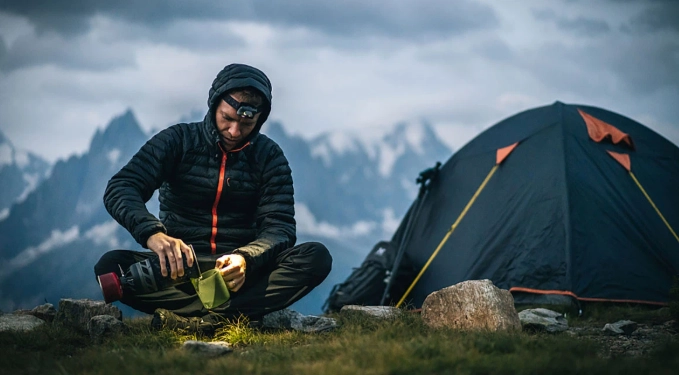
Planning Your First Solo Camping Trip
Where you go sets the tone. For beginners, I strongly recommend developed campgrounds in state or national parks. They offer a safety net—other campers are nearby, and park staff are around. Websites like Recreation.gov for US federal lands or your state's park website are goldmines for finding and reserving spots. Look for sites labeled as good for "tents" and read recent reviews. A reviewer mentioning "friendly hosts" or "good cell service" is a green flag.
Consider the season. Late spring through early fall offers the most forgiving weather for a first-timer. Check the specific climate of your chosen park. A coastal site can be windy, a mountain site can get cold at night even in summer. The National Weather Service provides detailed forecasts, including for wilderness areas.
Permits and rules—don't skip this. Many popular areas require permits for overnight stays, even for solo campers. Research "Leave No Trace" principles for your region. Some areas have strict rules about bear canisters (not just bags) for food storage. Ignorance isn't an excuse and can ruin the environment or get you fined.
Choosing the Right Campsite (Once You're There)
If you have a choice of specific sites within a campground, here's what to look for. Avoid low spots that can turn into puddles if it rains. Look for flat ground free of large rocks and roots—your back will thank you. Check for "widowmakers"—dead branches or trees that could fall. Proximity to the water source and bathroom is a personal trade-off between convenience and privacy.
I prefer a site with a little more walk to the bathroom if it means more seclusion. When you're solo camping, that feeling of being in your own little world is part of the magic.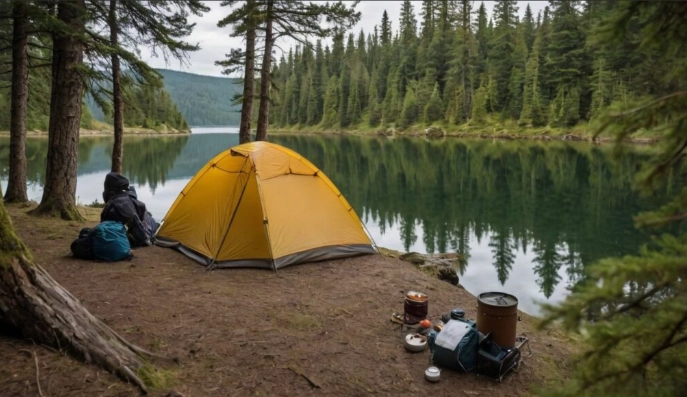
The Non-Negotiable Solo Camping Gear Checklist
Packing for one is different. You can't split shared items like a tent or stove. You need everything, but you also need to keep weight manageable. This list focuses on essentials, prioritizing safety and self-reliance. Forget the fancy gadgets for your first trip.
| Category | Essential Items | Why It's Crucial for Solo Camping |
|---|---|---|
| Shelter & Sleep | Tent (practice setting it up at home!), sleeping bag rated for expected lows, sleeping pad, ground tarp. | Your entire comfort and protection from elements relies on these. A good pad is not a luxury; it's for insulation and rest. |
| Navigation & Safety | Detailed paper map, compass (and know how to use them), fully charged power bank, headlamp with extra batteries, whistle, basic first-aid kit. | No one is there to help you if you get lost or hurt. Redundancy (paper + digital) is key. A whistle carries farther than your voice. |
| Food & Water | Water bottles/ hydration bladder, water filter or purification tablets, simple stove + fuel, lighter/matches in waterproof case, easy-cook food, bear-resistant food container. | You're responsible for all hydration and meals. Simplicity reduces stress. A bear can is non-negotiable in many areas—it protects you and wildlife. |
| Clothing | Moisture-wicking base layers, insulating mid-layer (fleece), waterproof/windproof shell, extra socks, hat, sturdy broken-in boots. | Cotton kills (it retains moisture). Dress in layers to adapt to changing conditions. Always pack a dry set of clothes to sleep in. |
| Tools & Misc. | Multi-tool or pocket knife, 50 feet of paracord, duct tape (wrap some around a water bottle), sunscreen, insect repellent, small towel. | For quick repairs, setting up a clothesline, or a dozen unexpected uses. Duct tape can fix a torn tent or blister. |
See that "Navigation & Safety" row? That's where most first-timers cut corners. Don't. Your phone GPS is great until the battery dies or there's no signal. A physical map and compass don't need batteries. Spend an afternoon watching tutorials on YouTube from channels like REI on basic map and compass use. It's easier than you think.
The Solo Camping Packing List: A Final Walk-Through
Lay everything out on the floor at home. Check it off this mental list: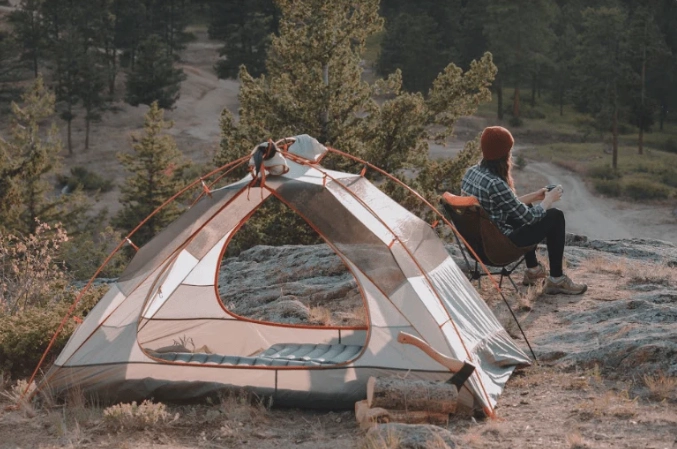
- Shelter: Tent, poles, stakes, rainfly, ground cloth, mallet.
- Sleep System: Sleeping bag, sleeping pad, pillow (or stuff sack with clothes).
- Kitchen: Stove, fuel, lighter, pot, spork, mug, biodegradable soap, small scrubby, food, bear canister.
- Water: Bottles/bladder (filled for the drive), filter/tablets.
- Clothing: Packed by outfit/layer system. Include a dedicated set of clean, dry sleep clothes.
- Safety/Nav: First aid kit, headlamp + batteries, map, compass, whistle, power bank + cords, pocket knife.
- Personal: Toothbrush, medications, sunscreen, bug spray, toilet paper + trowel (for cat holes if no facilities).
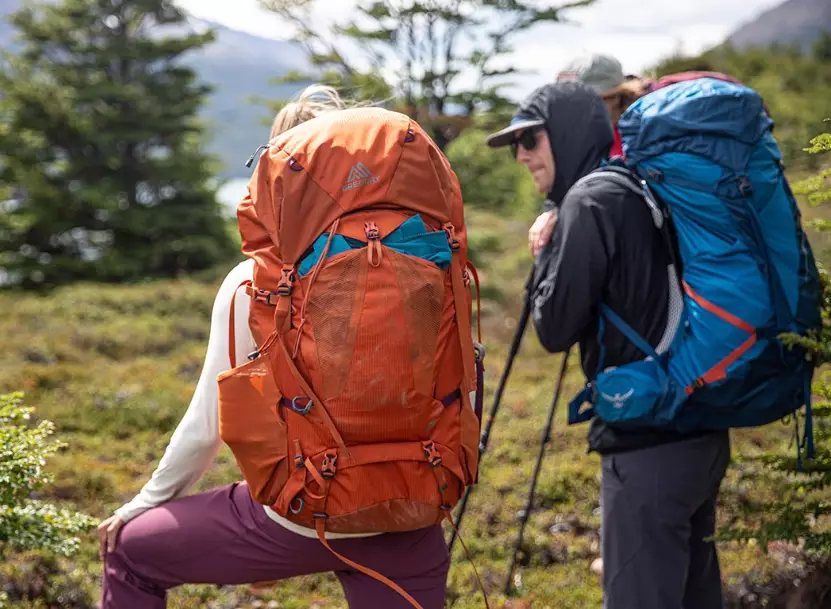
Pack your backpack in this order: Sleeping bag at the bottom. Then tent. Heavy items (food, water, stove) close to your back and centered. Frequently needed items (rain jacket, snacks, map) in top or side pockets.
At the Campsite: Setting Up for Success and Safety
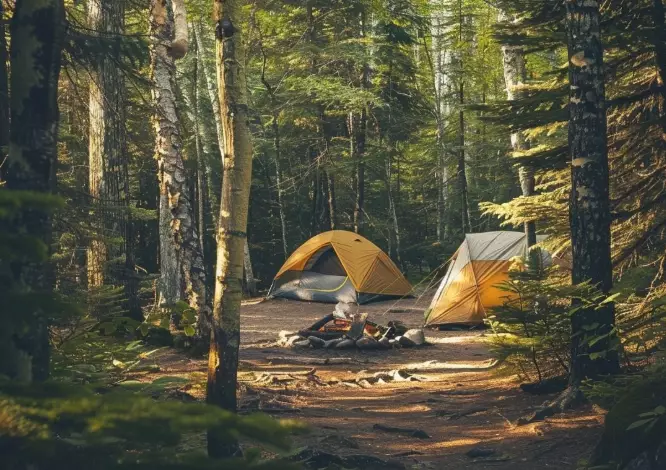
You've arrived. Now what? First, park and just observe for a few minutes. Get a feel for the spot. Then, establish your core areas before it gets dark:
- Sleeping Area: Pitch your tent on that flat, high ground. Use the ground cloth underneath to protect the tent floor.
- Cooking Area: Set this up downwind from your tent, at least 100 feet away if possible (especially in bear country). You don't want food smells drifting into your sleeping space.
- Food Storage: The moment food is not being prepared or eaten, it goes into the bear-resistant container. Place this container another 100 feet from your tent and cooking area, if regulations allow.
This "triangle" method minimizes wildlife attraction to where you sleep. It's a core solo camping safety practice.
Fire Basics (If Permitted)
Campfires are lovely but optional. If you have one, keep it small and manageable. Never leave it unattended. Have water nearby to fully extinguish it—drown it, stir the ashes, drown it again. It should be cool to the touch before you walk away. Honestly, on many solo trips, I skip the fire. It's less work, and I enjoy the deeper darkness and clearer star-gazing.
Dealing with Loneliness and Fear at Night
This is the big one. The sun goes down, and the world shrinks to the circle of your headlamp. It's normal to feel vulnerable.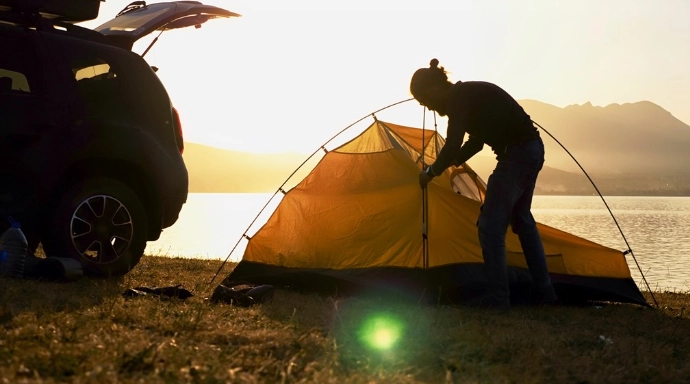
Embrace the routine of making a warm drink. The process of boiling water, steeping tea, and sipping it slowly is meditative. Look up. The night sky without light pollution is a spectacle you rarely see in a group, where someone is always talking.
If you hear a noise, don't immediately panic. Most are harmless—raccoons, deer, the wind. Shine your light toward it and speak firmly. Usually, it scampers away. Knowing you have your safety tools (whistle, phone if there's signal) within arm's reach in the tent adds peace of mind.
Safety Protocols You Cannot Ignore
Solo camping safety isn't paranoid; it's prudent. Let's break it down.
Wildlife Encounters
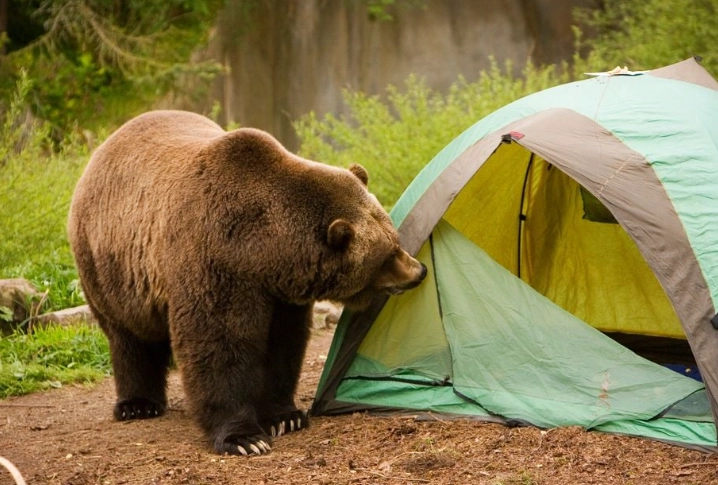
Research the wildlife in your area. For most of North America, the biggest concerns are black bears and, in some regions, mountain lions or moose. The strategy is almost always the same: store food perfectly, make noise while hiking (talk to yourself, clap occasionally) to avoid surprising an animal, and know how to react.
For black bears, do not run. Make yourself look big, speak firmly, and back away slowly. Carry bear spray where you can reach it instantly, not buried in your pack. The National Park Service has excellent, detailed guidance on bear safety that's worth reading before any trip.
Weather Preparedness
Check the forecast right before you leave. Be prepared for it to change, especially in mountains. Your rain shell should always be accessible. If a storm rolls in, avoid tall trees and open ridges. Stay in your tent if it's a lightning storm—it's safer than being outside.
The Emergency Plan
What if you twist an ankle? Your primary tool is your communication plan with your contacts back home. If you don't check in by the pre-arranged time, they know to alert authorities with your detailed itinerary. For remote trips, consider renting a satellite messenger like a Garmin inReach. It seems like a splurge, but for true solo wilderness camping, it's a lifeline.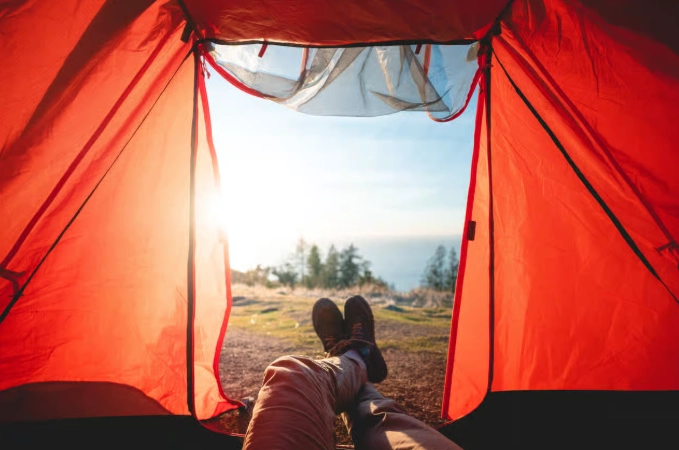
Advanced Tips for Your Next Solo Camping Adventures
Once you've got a successful trip or two under your belt, you can start refining.
- Go Lightweight: Swap heavy items for lighter alternatives. A lighter pack makes hiking more enjoyable and gives you more options.
- Try Dispersed Camping: Move away from developed campgrounds to designated dispersed sites on national forest or BLM land (where allowed). This offers more solitude. The U.S. Forest Service website has information on rules and areas.
- Learn a New Skill: Use your solo time to practice something, like identifying birds by call, night photography, or perfecting a new knot.
The beauty of solo camping is that it evolves with you. Your confidence grows, your pack gets lighter, and you start seeking out more challenging, rewarding experiences.
Frequently Asked Questions About Solo Camping
Let's tackle those lingering doubts head-on.
This is a huge and valid concern. Many women, including experienced outdoorswomen, solo camp successfully by employing extra layers of caution. The principles are the same: research safe locations (often well-traveled state parks are a good start), trust your intuition (if a spot feels off, leave), keep your plans private from strangers you meet, and consider bringing a personal safety alarm. The community is vast, and resources like blogs and groups dedicated to women's outdoor adventures offer tremendous support and specific advice.
Boredom is often just the uncomfortable transition from constant stimulation to stillness. Lean into it. Bring a sketchbook, a book of poetry, a star chart. Practice mindfulness—just sit and observe five things you can see, four you can hear, three you can feel. Boredom often unlocks creativity and deep relaxation you didn't know you needed.
Stick to these criteria: A drive-in, designated campsite in a popular state or national park. Read recent reviews that mention "family-friendly" or "host on site." Pick a location within 2-3 hours of home for your first time. Short drive, easy exit if you need it. That's the smart way to start your solo camping journey.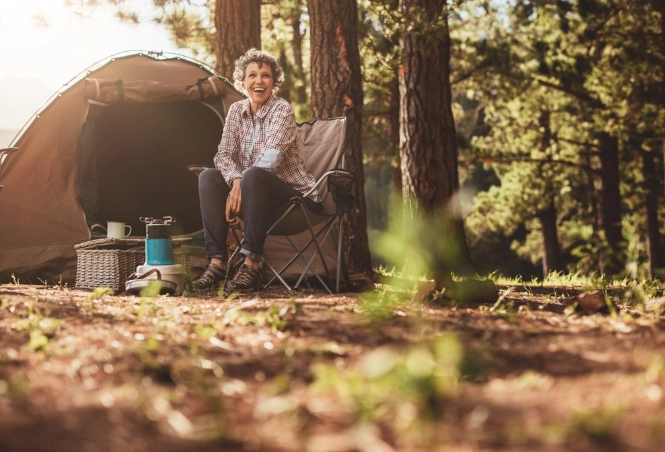
Absolutely! A dog can be a wonderful companion for solo camping, offering both company and an added sense of security. Critical checks first: Ensure the campground allows dogs (many do, but some don't). Your dog must be under control at all times, on a leash as required, and you must pack out all waste. Bring their food, water, bowl, and a familiar bed or pad for them to sleep on. Test their comfort with camping in your backyard first.
Besides the obvious (tent, water), my answer is a reliable headlamp with fresh batteries. When you're alone and it gets dark, having two hands free while having bright, directed light is invaluable for cooking, reading, or just navigating around camp. The mental comfort it provides is immense.
So, there you have it. Solo camping is a skill, and like any skill, it gets easier and more rewarding with practice. It asks for preparation and respect, but in return, it gives you quiet, freedom, and a strong dose of self-confidence. Start small, plan thoroughly, and go enjoy your own company under the open sky. You might just find that the person you get to know best on the trip is yourself.