Survival camping isn't about checking into a scenic campground with a cooler full of beer. It's a deliberate, skills-forward practice where your comfort and safety depend entirely on what you know and what you can do with basic tools. It's the difference between visiting nature and engaging with it on its terms. Forget the Instagram filters; this is about friction fire, water purification, and sleeping under a shelter you built with your own hands. The goal isn't just to get by, but to develop a competence that lets you feel at home in the wilderness.
What You'll Learn in This Guide
What Survival Camping Really Is (And Isn't)
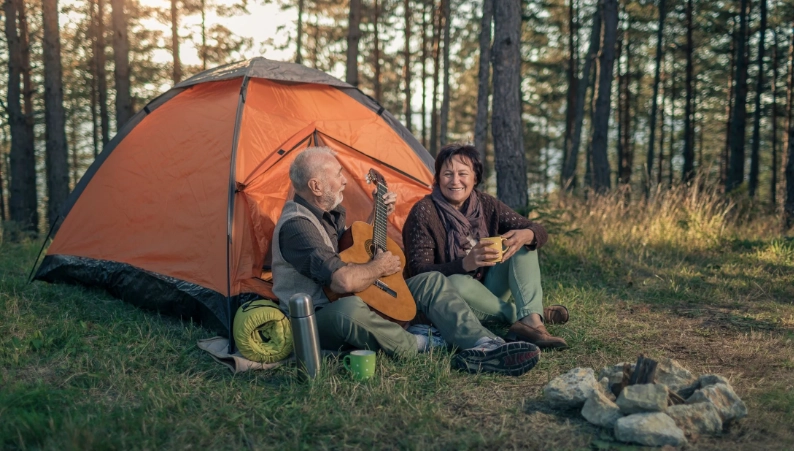
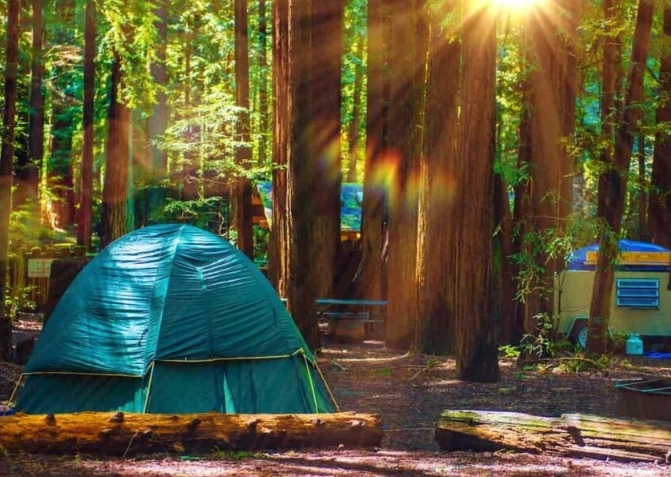
Let's clear something up. If you're carrying a tent, a sleeping bag rated for the weather, a camp stove, and three days of food, you're not survival camping. You're backpacking, which is fantastic, but it's a different activity.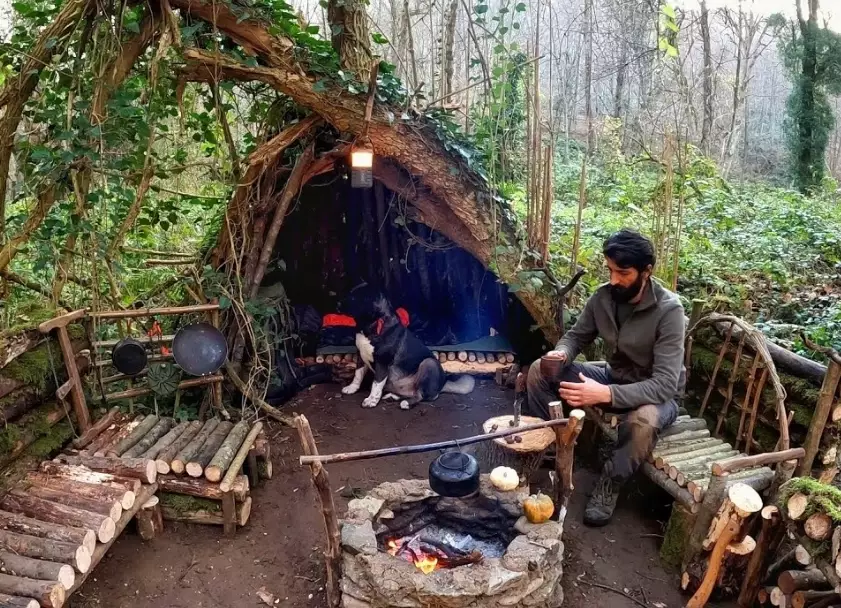
Survival camping strips away the guarantees. You might bring a tarp instead of a tent. You'll source and purify your water. Your fire is for cooking and warmth, not ambiance. The mindset shifts from consumption to participation. You're not a spectator; you're an active participant in the ecosystem, using resources mindfully.
The U.S. Forest Service and National Park Service manage millions of acres of backcountry perfect for this practice, but always under strict Leave No Trace principles. The point is to test yourself, not to trash the place.
The Gear Mindset Shift: In survival camping, gear is a facilitator, not a solution. A knife helps you process wood for a shelter. A ferro rod gives you a reliable spark. But the gear doesn't build the shelter or nurture the fire into a sustainable blaze—you do. This focus on skill over gadgetry is the core of the experience.
The Three Non-Negotiable Core Skills
You can have the fanciest pack in the world, but without these three skills, you're just a tourist with cool stuff. Mastery here is more valuable than any piece of equipment.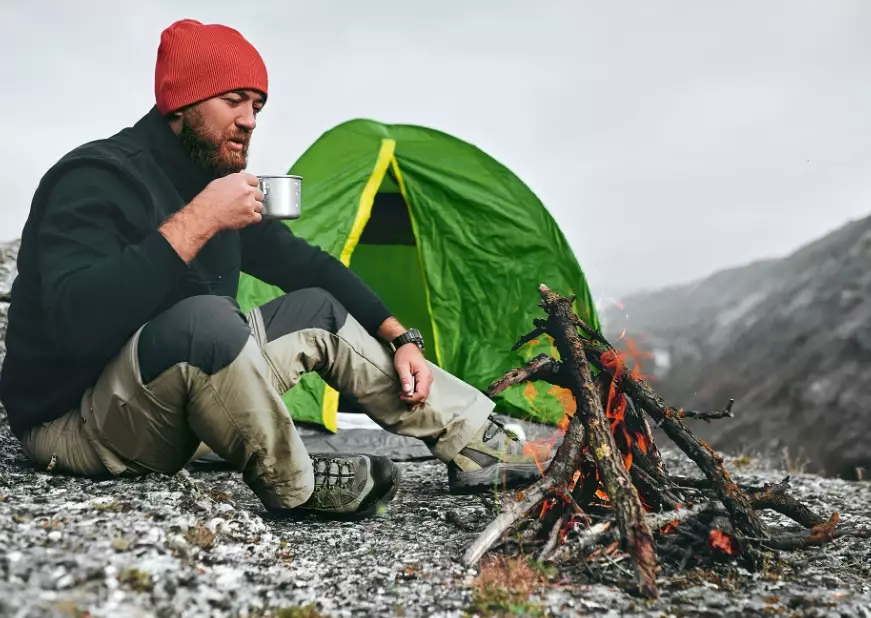
1. Shelter: Your Primary Defense
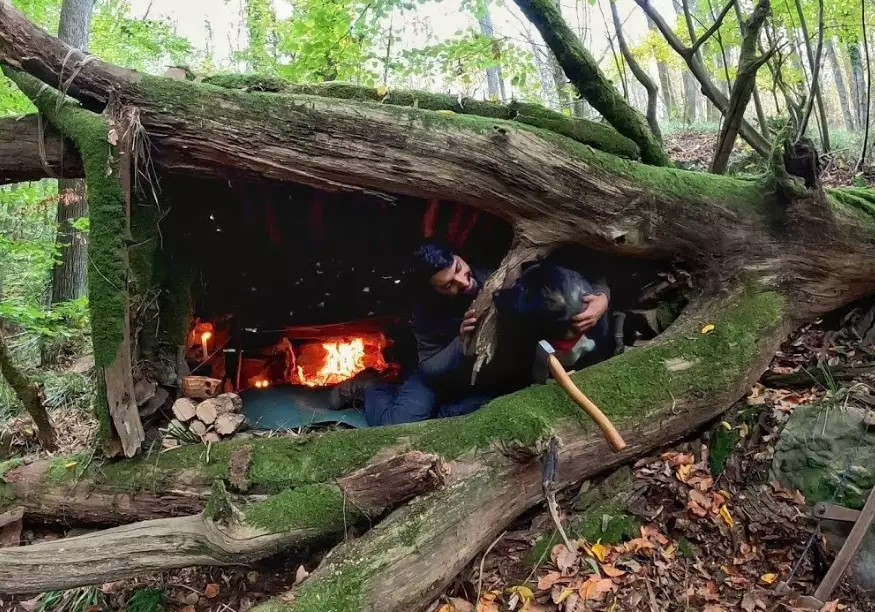
A shelter isn't just about rain. It's about wind, heat loss, and psychological security. The classic debris hut or a well-pitched tarp shelter are your best friends.
Most beginners pick a spot that's flat and clear. That's fine, but the expert move is to read the land for natural advantages. A fallen tree can be your ridgepole. A rock face reflects heat. Look for these gifts. I once spent an hour building a frame only to realize a perfect, dry overhang was ten feet away. Lesson learned: scout for at least 20 minutes before committing.
Insulation from the ground is non-negotiable. A pile of dry leaves, pine needles, or ferns six inches thick works better than you'd think. That thin sleeping pad? It's not enough on its own in a true survival scenario.
2. Fire: The Multi-Tool of Survival
Fire provides warmth, light, safety, a way to cook, and a huge morale boost. The mistake isn't failing to start one—it's failing to sustain it.
You need three types of fuel, processed and ready before your first spark:
- Tinder: Bone-dry, fluffy material (birch bark, fatwood shavings, bird nest).
- Kindling: Pencil-thin sticks, dead and snapped from trees, not picked off the wet ground.
- Fuel: Wrist-thick branches and logs. Split them to access the dry interior.
Practice with a ferro rod until you can get an ember in one strike. But also practice in the rain. That's the real test.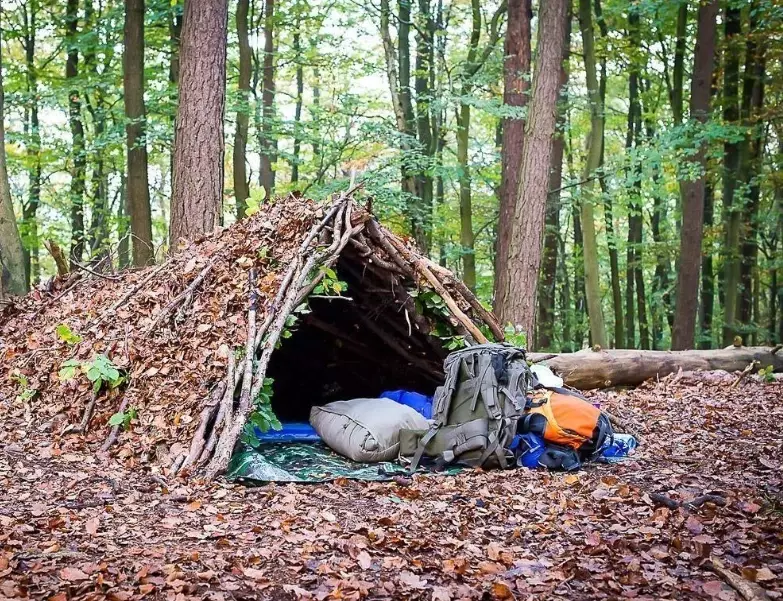
3. Water: The Silent Priority
You can last weeks without food, but only days without water. Finding clear, flowing water is step one. Step two is making it safe.
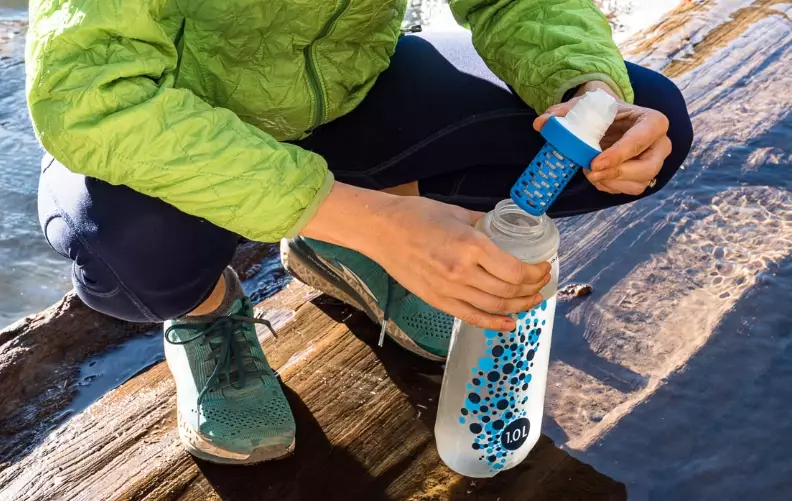
Boiling is the gold standard—a rolling boil for 1 minute (3 minutes at high altitude). Chemical treatments likeiodine or chlorine dioxide tablets are light and effective, but they need time and make the water taste funky. A quality filter like a Sawyer Squeeze or Katadyn BeFree is my personal choice for speed and taste.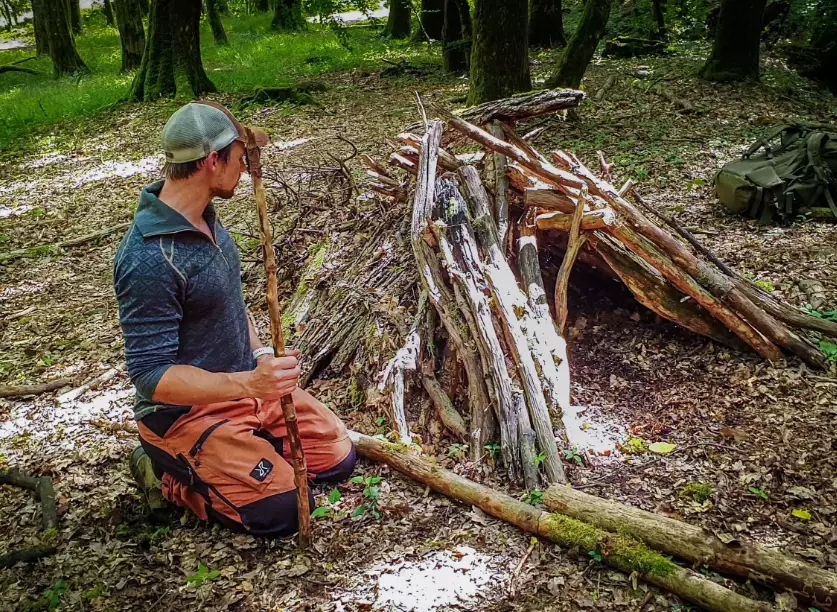
Don't Guess: Never drink from a stagnant pond or any water source near obvious animal carcasses. Giardia and other parasites are a miserable souvenir. The clarity of mountain streams can be deceiving; always treat.
A Real-World Scenario: 3 Days in the Pacific NW
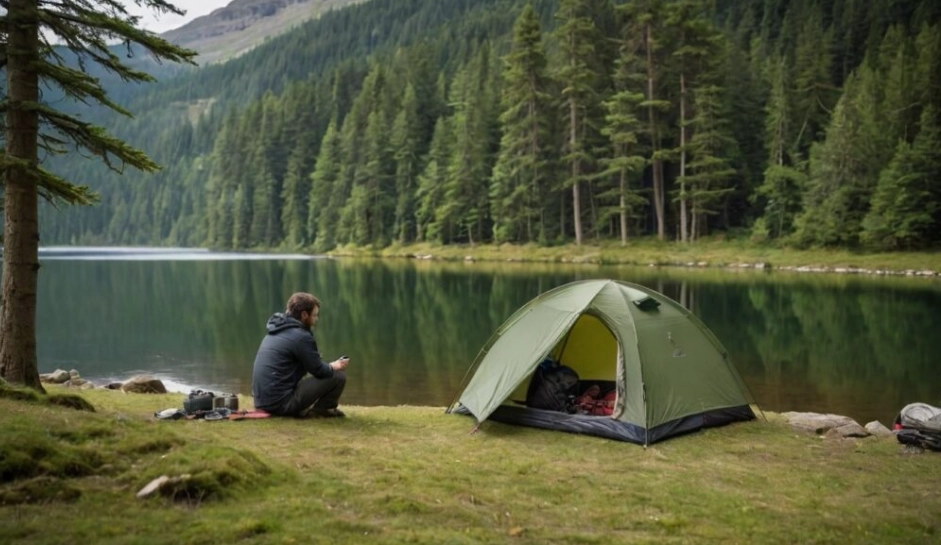
Let's get specific. Theory is fine, but how does this look on the ground? Imagine a three-day, two-night solo trip in the Olympic National Forest in Washington state, late September.
Location & Permits: I'd target a dispersed camping area in the Quinault Valley. No developed sites, just forest. A Northwest Forest Pass is required for parking. You can get one online or at local ranger stations. Always file a trip plan with someone reliable.
The Core Goal: Practice skills, not mileage. My basecamp would be within a 2-mile hike from the car, chosen for proximity to a reliable stream and ample deadfall (standing dead trees are plentiful here).
Day 1: Establish & Secure
Hike in by mid-afternoon. Scout for 30 minutes to find the optimal shelter site—slightly elevated, protected by tree cover, close to water but not in a floodplain. Build a sturdy A-frame tarp shelter with a deep bed of fir boughs for insulation. Gather and process a full night's worth of firewood before dark. Purify 3 liters of water. Simple meal (dehydrated or foraged). Bed down early.
Day 2: Skill Refinement & Exploration
Morning spent on fire craft without a lighter, using only my ferro rod and natural tinder found on-site. Attempt to build a small debris hut for fun/backup. Practice notching and lashing techniques for improving the shelter. Hike the immediate area to identify resources: cedar trees (great for tinder and cordage), potential animal trails, different rock types. Focus on observation.
Day 3: Breakdown & Exit
Dismantle the shelter completely, scattering the boughs and leaving no trace. Drown the fire pit, stir the ashes, and cover with native soil. Pack out everything. The hike out is a time for reflection—what worked, what felt shaky, what would I do differently next time?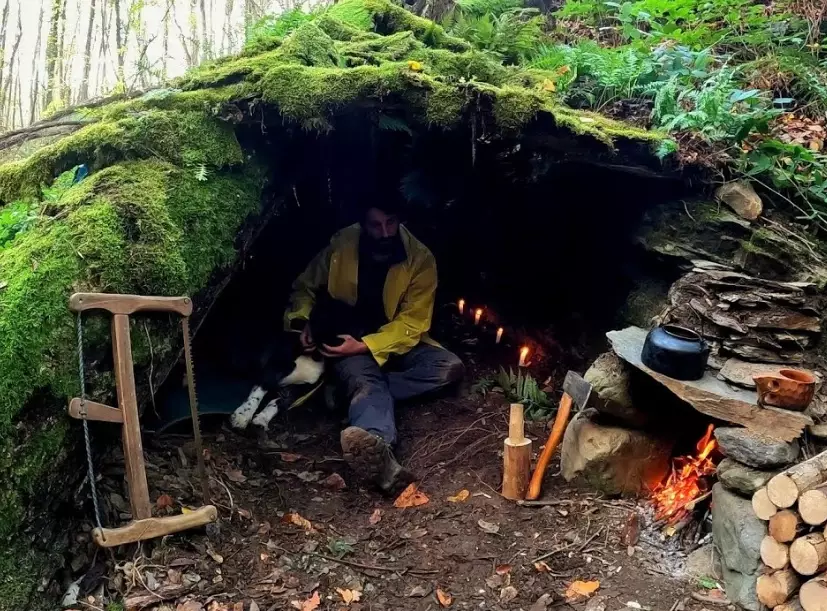
The Subtle Mistakes That Get Beginners in Trouble
Beyond the obvious (no water, no shelter), here are the nuanced errors I've seen—and made myself—over the years.
Over-reliance on Gear: Carrying a $300 firestarter but not knowing how to identify dry tinder in a damp forest. The tool is useless without the knowledge. Practice the skill with the tool, then practice without it.
Ignoring the Weather Forecast's Fine Print: "20% chance of rain" doesn't mean it probably won't rain. It means there's a one-in-five chance it will rain somewhere in the forecast area. In the mountains, that "somewhere" is often right on top of you. Prepare for the worst-case scenario, not the most optimistic.
Not Practicing at Home: Your first time trying to pitch that tarp configuration or use a water filter should not be when you're cold, tired, and thirsty at dusk. Set up your shelter in your backyard in the rain. Purify water from a muddy ditch. Make it a game. The muscle memory will save you.
The "I'll Figure It Out" Mindset: This isn't a movie. Real wilderness problems compound. Being a little cold leads to poor decisions. Being a little thirsty saps your energy for other tasks. Proactive, systematic action is everything. Have a plan for each core need before you feel the need acutely.