In This Guide
- Where Can You Actually Do This? The Lands That Welcome You
- Why Bother? The Good, The Bad, and The Real
- How to Find a Dispersed Campsite: Moving Beyond Theory
- The Non-Negotiables: Gear and the Leave No Trace Mindset
- Answering Your Burning Questions
- Making the Leap: Your First Time Checklist
- The Bottom Line
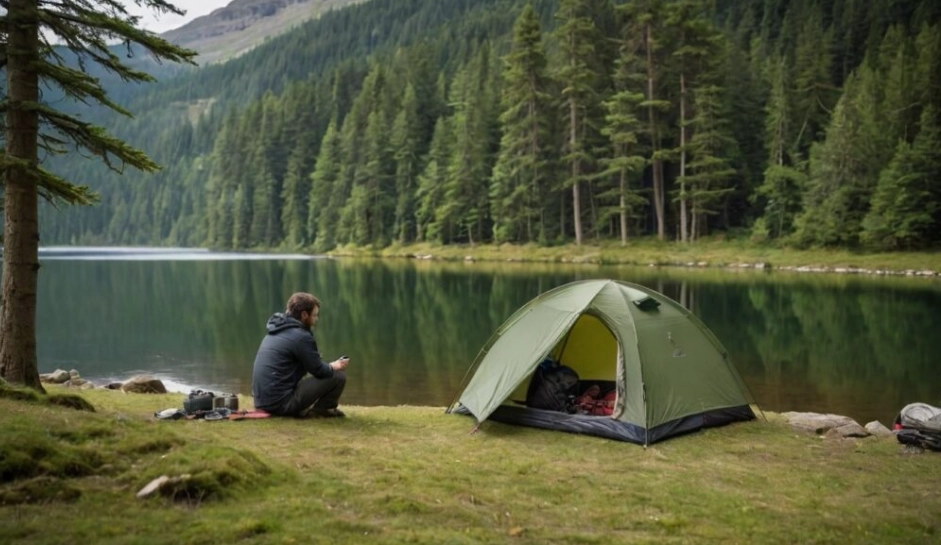
So you've heard the term thrown around in camping circles or seen it pop up on a map legend. What is meant by dispersed camping, really? If you're picturing a designated spot with a fire ring, a picnic table, and neighbors within earshot, you're thinking of a campground. Dispersed camping is the opposite of that. It's the art of finding your own piece of wilderness, away from developed facilities, and setting up camp for the night. No reservations, no fees (usually), and no numbered plots. Just you, your gear, and a whole lot of quiet.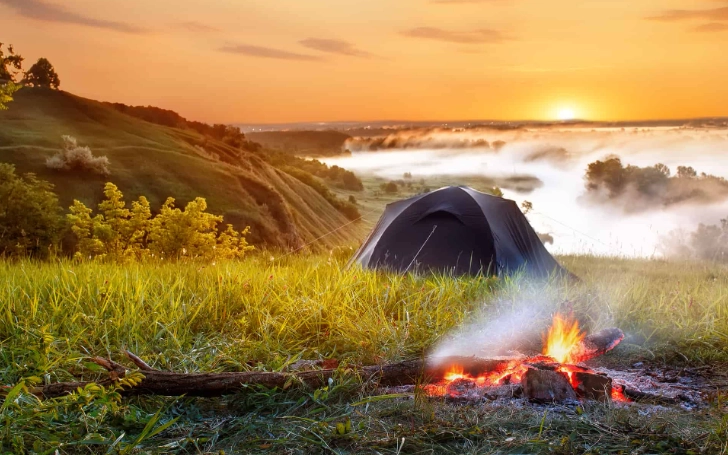
I remember my first real attempt at it. I'd read all the blogs, felt confident, and drove down a forest service road looking for the "perfect spot." Two hours later, I was frustrated, unsure if I was even allowed to be where I was, and ended up in a dusty pull-off that was far from ideal. That experience taught me that understanding what dispersed camping means in practice is more than just a definition. It's about knowing where you can go, how to be responsible, and what you truly need to bring. Let's cut through the romanticized versions and talk about the real deal.
At its core, dispersed camping means camping outside of a designated, developed campground on public land. It's often called boondocking, dry camping, or primitive camping. The "dispersed" part refers to how campers are spread out across the landscape, rather than concentrated in one managed area.
Where Can You Actually Do This? The Lands That Welcome You
This is the most critical piece of the puzzle. You can't just pull over anywhere that looks pretty. Dispersed camping is a privilege granted on specific types of public land. Private land is a firm no unless you have explicit permission (and I mean explicit, not just a guess).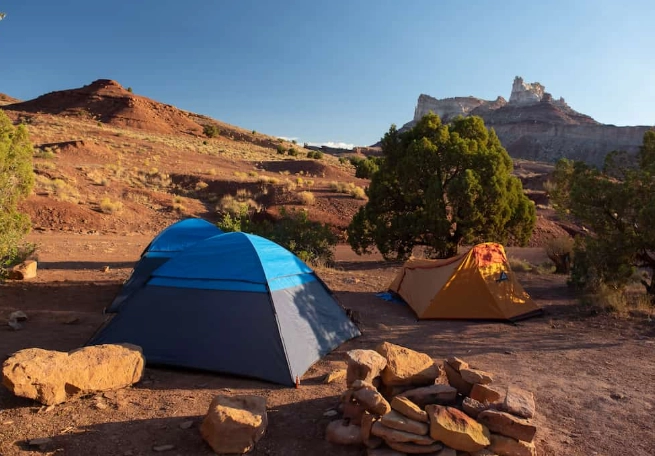
The big players are federal land management agencies. Their rules are the bible for this activity.
- National Forests (US Forest Service): This is often the holy grail for dispersed campers. Most National Forests allow it widely, as long as you're following the general guidelines (like being a certain distance from water and roads). You need to check the specific rules for the individual forest district you're targeting, though. Some popular areas have restrictions. The US Forest Service website is your starting point.
- Bureau of Land Management (BLM) Land: Huge swaths of the American West are managed by the BLM, and they are generally very friendly to dispersed camping. The same principles apply: check local area regulations. The BLM's site has state-specific info.
- Some National Grasslands and Wildlife Management Areas: Rules vary drastically. Always, always check ahead.
Critical Exception: Dispersed camping is typically NOT allowed in National Parks and most State Parks. These areas are managed for high-impact visitation and ecological protection, and they require you to stay in designated campgrounds. Trying to camp off-trail in a National Park is a great way to get a hefty fine. Don't be that person.
So the first step in answering "what is meant by dispersed camping?" is understanding it's a public land activity. Your county or city might have rules for certain areas, but the vast, classic experience is on federal lands.
Why Bother? The Good, The Bad, and The Real
Why would anyone give up a flat, guaranteed spot with a bathroom for this? The benefits are compelling, but they come with trade-offs. Let's be honest about both.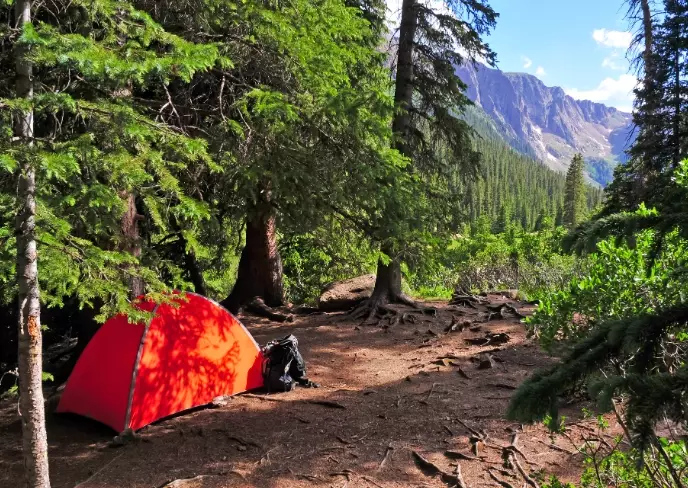
The Three Big Wins
- Solitude and Connection: This is the number one draw. You can find a spot where you see no other lights, hear no generators, and feel genuinely immersed. The sunset is yours alone. The silence is profound. It’s the antidote to our noisy, connected world.
- Freedom and Spontaneity: No booking six months in advance at 8 AM. See a beautiful lake on the map? You can often find a spot nearby. Your schedule is your own. This flexibility is liberating.
- Cost: It's free. Let's not downplay this. Campsite fees are climbing everywhere. Dispersed camping lets you have an incredible outdoor experience without the nightly charge.
The Not-So-Glamorous Side
- Zero Amenities: No water, no trash service, no toilet, no picnic table, no firewood delivery. You bring everything in, and you pack everything out, including all your trash and human waste. This is non-negotiable.
- Uncertainty: That perfect meadow on the map might be gated, flooded, or already occupied. You need a Plan B and C. It requires more scouting and adaptability.
- Self-Reliance: Help is far away. If you get a flat tire on a rough road, forget a critical piece of gear, or have a medical issue, you are on your own for a while. Cell service is usually non-existent.
Is it for everyone? No. If you need a guaranteed flat spot and easy access to facilities, stick to campgrounds. But if the trade-offs sound like a fair price for the rewards, you're on the right track.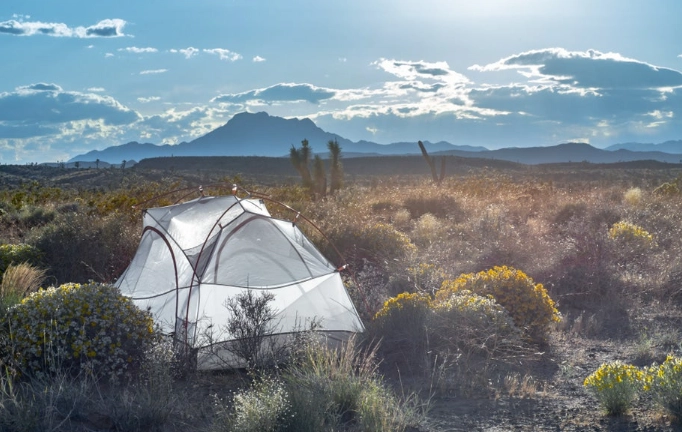
How to Find a Dispersed Campsite: Moving Beyond Theory
Okay, so you're on board. Now, how do you actually find a site? This is where online forums and old-fashioned legwork combine. Simply knowing what is meant by dispersed camping isn't enough; you need to know how to locate it.
Start with the managing agency's website for the area. Look for "dispersed camping" pages or motor vehicle use maps (MVUMs). These maps show exactly which forest roads are open for travel and often indicate general areas where camping is permitted.
My process usually looks like this:
- Map Recon: I scour Gaia GPS or OnX Offroad (these apps are worth their weight in gold) looking for National Forest or BLM land adjacent to a maintained dirt or gravel road. I look for spur roads (short dead-ends off the main road) that might lead to a clearing.
- Look for the Signs: Not official signs, but natural ones. Existing fire rings (which you may or may not use, more on that later), flat spots clear of vegetation, and pull-offs wide enough for your vehicle are good indicators a spot has been used before. Please use existing sites to minimize new impact!
- The Scouting Drive: You have to be willing to drive slowly down roads and look. The perfect spot rarely appears at the first mile marker. I've found some gems just around a bend after passing several already-taken spots.
Pro Tip: Arrive early, especially on weekends or in popular areas. The good spots go quickly. Aim to start looking for a site at least 2-3 hours before you think you'll want to set up camp. Nothing is more stressful than searching for a spot at dusk.
And remember the golden rules of site selection: Camp at least 100-200 feet away from lakes, streams, and trails to protect water quality and others' experience. Don't drive over meadows or fragile vegetation. If a spot looks like it's recovering, leave it be and move on.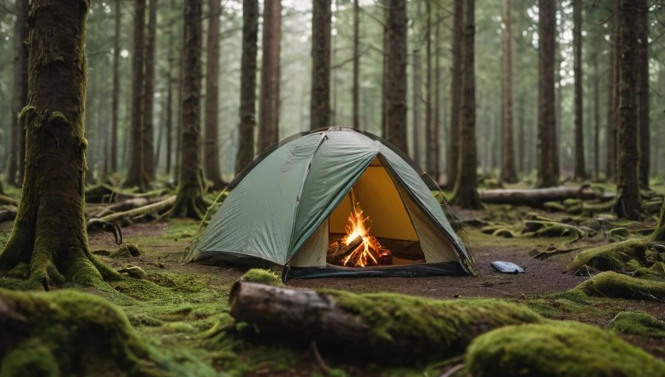
The Non-Negotiables: Gear and the Leave No Trace Mindset
Your packing list changes when you move from a campground to the backcountry. Forget the giant cooler and string lights. Dispersed camping gear is about self-sufficiency and minimal impact.
| Essential Category | What You Need & Why | Common Mistakes |
|---|---|---|
| Water | All your water for drinking, cooking, and cleaning. Plan for 1-2 gallons per person per day. A large jerry can or water bladder is key. A reliable filter or purification method (like Aquatabs) for treating natural water sources is a must-have backup. | Underestimating needs. Assuming you'll find a stream. Never drink untreated water. |
| Waste Management | This is critical. A portable toilet system (like a simple bucket with WAG bags or a dedicated portable toilet) and cat-hole trowel. You must pack out ALL solid human waste in many high-use areas (check regs!), and it's a best practice everywhere. Toilet paper goes in a zip-lock bag. | Burying waste improperly (not 6-8 inches deep, too close to water) or leaving toilet paper. This is a major environmental and social issue. |
| Navigation & Communication | Detailed offline maps (Gaia GPS, OnX). A physical map and compass as backup. A satellite communicator (like a Garmin inReach) is the gold standard for safety in remote areas. | Relying solely on Google Maps, which doesn't show land ownership or most forest roads. Having zero plan if phone dies. |
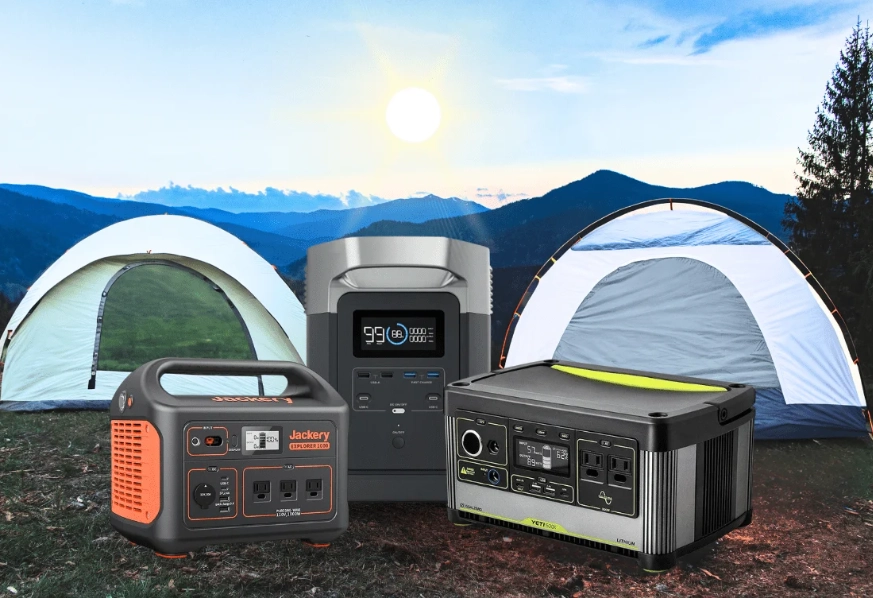
| Power | Solar panel, large power bank, or dual-battery system for your vehicle. You have no electrical hookup. | Draining your car battery to charge devices. |
This brings us to the heart of it all: Leave No Trace (LNT). For dispersed camping, LNT isn't just a nice idea; it's the ethical foundation. The Leave No Trace Center for Outdoor Ethics outlines seven principles, but for us, a few are paramount:
- Plan Ahead and Prepare: We just covered this.
- Dispose of Waste Properly: We really just covered this. Pack it in, pack it out. All of it.
- Leave What You Find: Don't dig trenches, build furniture, or carve your initials into trees. The goal is to leave the site looking like you were never there.
- Minimize Campfire Impacts: This is a huge one. Many areas have seasonal fire bans—always check. If fires are allowed, use an existing fire ring if one is present. Keep it small. Burn wood to ash completely. Never leave a fire unattended. Personally, I often bring a small propane fire pit. It leaves no trace, works during fire bans, and is way easier.
If we abuse these lands, they will be closed to us. It's that simple.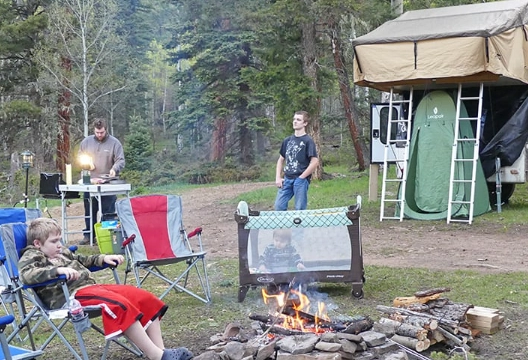
Answering Your Burning Questions
Most National Forests and BLM lands have a 14-day stay limit within a 28-day period. After 14 days, you must move at least 25-30 miles away. This prevents semi-permanent residency. Always verify the limit for your specific area, as some have shorter limits (like 5 days).
It has different risks than a campground. Wildlife encounters (bears, rodents) are more likely because you're in their home. Secure all food and smelly items (toothpaste, trash) in a bear-proof container or locked in your vehicle. Crime is statistically very low, but being isolated means help is far. Tell someone your plans and expected return. A satellite communicator is the best safety investment you can make.
Maybe. You must check current fire restrictions with the local ranger district. During dry summer months, fires are often banned entirely. Even if allowed, be ultra-responsible. Use existing rings, keep it small, have water nearby, and drown it until it's cold to the touch. Consider a propane alternative.
Yes, many people go "boondocking" in RVs. The key is access. You need a vehicle and site that can accommodate your rig's size and weight. A 40-foot Class A motorhome won't fit down most forest service roads. Smaller vans, truck campers, and trailers are ideal. You must be totally self-contained (have holding tanks for waste). Dumping waste on the ground is illegal and disgusting.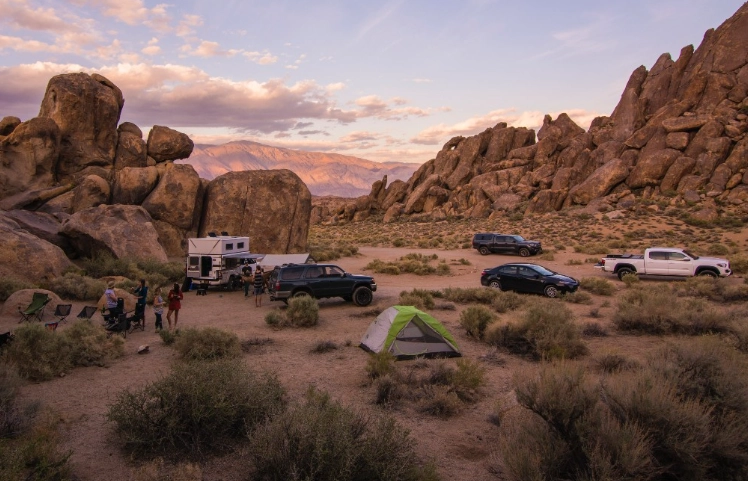
Making the Leap: Your First Time Checklist
Feeling overwhelmed? Don't be. Start simple. Your first trip shouldn't be a week-long expedition 50 miles from the nearest town.
- Pick a Familiar Area: Choose a National Forest you know, maybe one you've driven through. This reduces the "unknown" factor.
- Make it an Overnighter: Just one night. It's a low-commitment way to test your gear and your comfort level.
- Go with a Buddy: Having another vehicle and person provides a safety net and makes the experience more fun as you learn.
- Double-Check Your Gear: Use the table above as a checklist. Do you have a water plan? A waste plan? Offline maps?
- Set Up Camp Early: Give yourself plenty of daylight to find a site, set up, and relax. Fumbling with a tent in the dark is no fun.
- Embrace the Simplicity: Read a book. Watch the stars. Listen. The goal is to unwind, not to replicate your home routine in the woods.
When you get home, think about what worked and what didn't. Did you bring too much? Forget something critical? That's how you learn.
The Bottom Line
So, what is meant by dispersed camping? It's more than a definition. It's an invitation to a deeper, more self-reliant form of outdoor travel. It's freedom with responsibility. Solitude with preparation. It's about trading convenience for connection and understanding that the price of a free, stunning campsite is your commitment to leaving it pristine.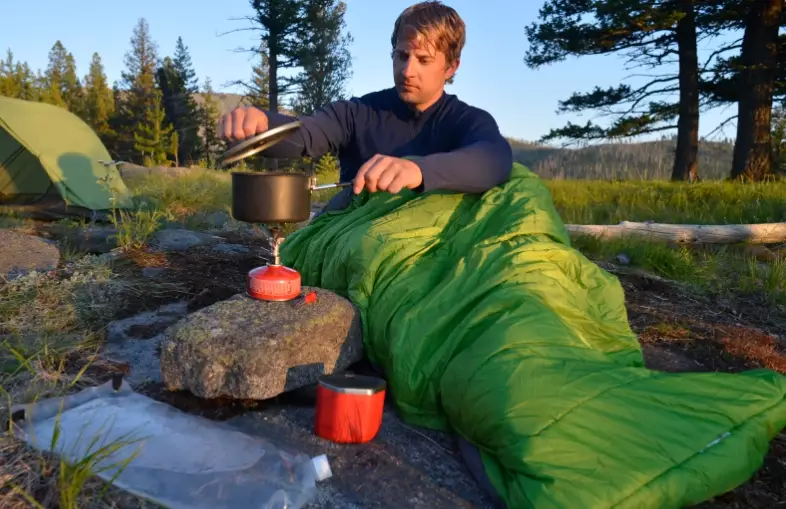
It's not for every trip or every person. Some days, I still love rolling into a campground, knowing exactly what I'm getting. But when I need to really disconnect, to feel the scale of the landscape without the buzz of generators, I start looking at those forest service road maps. It's a different pace. A different mindset.
It can seem daunting at first, but start small. Do your research—really dig into the Forest Service or BLM websites for your chosen area. Pack thoughtfully, especially for waste. And then go. Find that quiet pull-off, listen to the wind in the trees, and enjoy the profound simplicity of a night spent truly out there. That's what it's all about.