Imagine this. You're on a camping trip, miles from the nearest store. Instead of another freeze-dried meal, you gather fresh, peppery watercress from a clean stream to toss into your pasta. You pick a handful of wild blueberries for your morning oats. That's the magic of camping food foraging. It's not about surviving in the wilderness. It's about enhancing your outdoor experience with free, flavorful, and incredibly fresh ingredients. It connects you to the landscape in a way that just hiking through it never could.
But let's be clear. I've seen too many beginners get excited, pick the wrong thing, and end up with a stomachache that ruins their trip. Or worse. This guide isn't about romanticizing eating random plants. It's a practical, safety-first roadmap from someone who's spent a decade slowly (and sometimes messily) learning to do this right.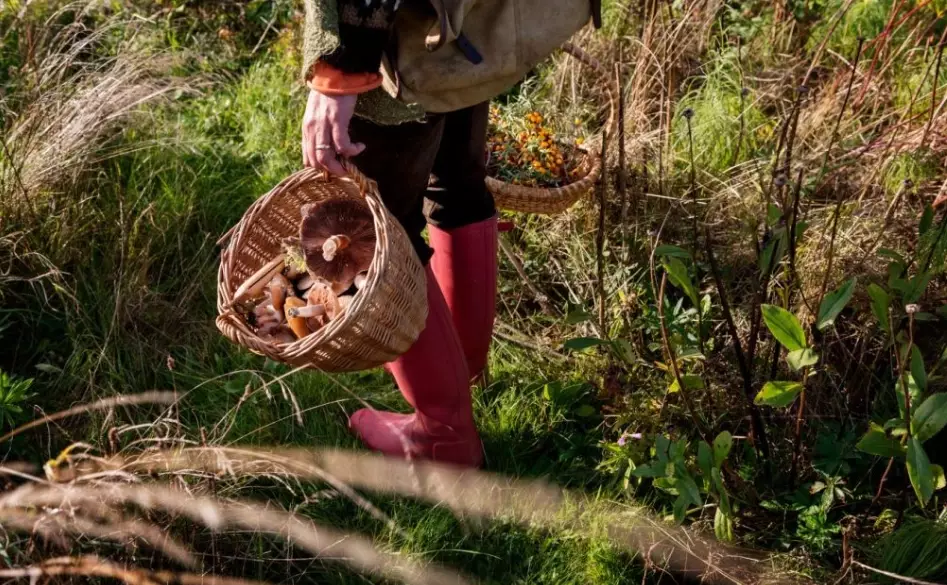
Your Foraging Trail Map
Why Forage on Your Camping Trip?
Beyond the obvious “free food” appeal, foraging does a few subtle things. It slows you down. You start noticing the difference between an oak and a maple, between a safe stream and a stagnant pond. Your campsite stops being just a place to sleep and becomes a source of discovery. The flavor is also a huge draw. A wild strawberry has a perfume and intensity a supermarket berry lost decades ago. Dandelion greens have a bitter punch that makes a simple salad interesting.
It also solves a practical camping problem: adding fresh greens and vitamins to your diet. After a day or two of packaged food, a handful of foraged sorrel or chickweed feels like a superfood boost.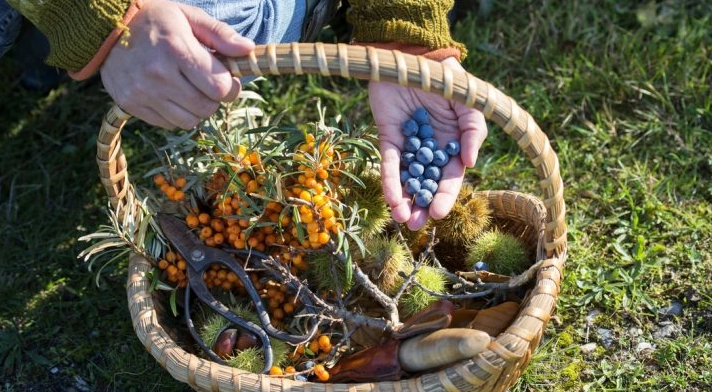
The Non-Negotiable Safety Rules for Foraging
This is the part most articles gloss over. They'll say “be 100% sure of your identification,” which is useless advice if you don't know how to get there. Here's the real process.
First, get a good regional field guide. Don't rely on a generic “North American” book. Get one for your specific state or bioregion. Cross-reference every plant with at least two reliable sources. I use a physical guide and a reputable app like iNaturalist to confirm observations, but the book is my primary source—phone batteries die.
A mistake I made early on was not learning the poisonous look-alikes for the plants I wanted. Now, I study the deadly ones just as hard. Know that the tasty wild carrot (Queen Anne's Lace) has a toxic twin called poison hemlock. The difference is in the stems and smell. You have to know both.
Location matters. Never forage within 100 feet of a road (exhaust fumes, road salt). Avoid areas that may have been sprayed with herbicides. Steer clear of downstream from farms or industrial areas. The cleanest water sources are your friends.
Essential Foraging Gear for Your Pack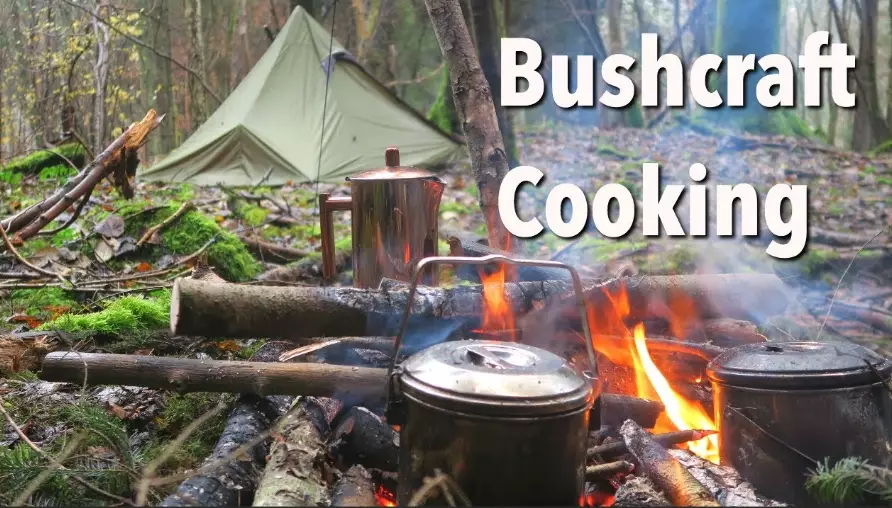
You don't need much, but these items turn foraging from a chore into a pleasure.
- A Quality Field Guide: Not your phone. A waterproof, pocket-sized guide for your region. Peterson or Audubon guides are classics for a reason.
- Small Collection Bags or Baskets: Mesh bags let spores disperse if you're foraging mushrooms (helping future growth). A basket prevents delicate berries from getting crushed.
- Sharp Pocket Knife or Scissors: Clean cuts are better for the plant and for you. Don't rip plants out by the roots unless you're harvesting roots (and even then, sustainably).
- Gardening Gloves: For handling nettles, thistles, or plants you're unsure about.
- Notebook and Pencil: Jot down locations, what you saw, the date. This builds your personal knowledge base faster than anything.
- Phone (for camera and GPS): Take clear pictures of the plant, its leaves, stem, flowers, and surrounding habitat. GPS tag the spot if you find a great berry patch for next year.
Top 5 Foolproof Plants for Camping Foragers
Start with these. They're widespread, have few dangerous look-alikes, and are easy to use.
| Plant | Key Identification Features | Where to Find It | Camping Kitchen Use |
|---|---|---|---|
| Dandelion (Taraxacum officinale) | Basal rosette of toothed leaves, hollow flower stem with a single yellow flower head, milky sap in stem. | Lawns, meadows, disturbed ground. Almost anywhere. | Young leaves in salads (bitter), flowers battered and fried, roots roasted for a coffee substitute. |
| Wild Blackberries/Raspberries (Rubus spp.) | Thorny canes, compound leaves with 3-5 leaflets, unmistakable aggregate berries (blackberries are solid, raspberries are hollow). | Sunny edges of forests, roadsides (but forage back from the road!), clearings. | Eaten fresh, mixed into oatmeal, pancake batter, or simmered into a quick campfire syrup. |
| Pine Trees (Pinus spp.) | Evergreen needles in bundles (2-5), familiar cones. Avoid Yew trees (which have single needles and red berries—toxic!). | Coniferous forests. A staple of many campgrounds. | Inner bark (cambium) can be dried and ground into flour. Young, green pine needles steeped in hot water make a vitamin C-rich tea. |
| Wood Sorrel (Oxalis spp.) | Clover-like appearance, but with heart-shaped leaflets. Often has small yellow or pink flowers. Tastes distinctly lemony. | Shaded, moist forest floors, often near logs or rocks. | Perfect fresh garnish. Adds a bright, citrusy zing to fish, soups, or salads. Use sparingly (contains oxalic acid). |
| Cattail (Typha latifolia) | Tall, brown, cigar-shaped seed head. Stiff, blade-like leaves. Unmistakable in wetlands. | Ponds, marshes, slow-moving streams. | **The supermarket of the swamp.** Pollen (yellow male part) for flour. Young shoots (peeled) eaten raw or cooked like asparagus. Rhizomes can be processed for starch. |
Where to Look: Prime Foraging Habitats Near Campsites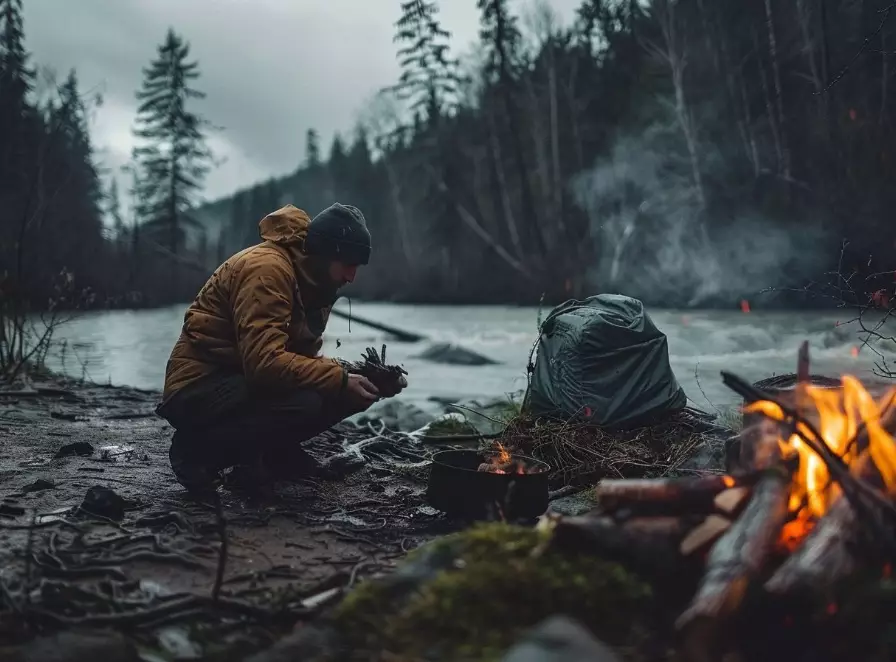
You don't need to trek for miles. The best spots are often in the ecotones—the transition areas.
The Forest Edge: Where trees meet a meadow or road. More sunlight means more berries (blackberries, raspberries) and flowering plants.
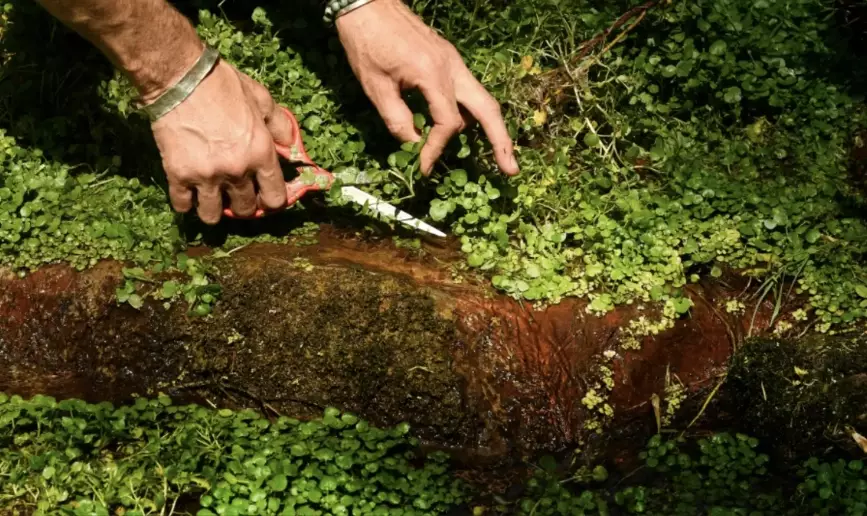
Stream and River Banks: Look for watercress (only from fast-moving, clean water), wild mint, and cattails. Soil is fertile and moist here.
Old Logging Roads or Trails: Disturbed soil invites pioneer species like dandelions, plantain, and chickweed.
Your Actual Campsite Clearing: Seriously. Look around your picnic table. You might find plantain (great for bug bite poultices), clover, or wild strawberries in the grass.
How to Plan a Foraging-Enhanced Camping Meal
Let's get concrete. Don't plan to survive on foraged food. Plan to supplement. Here’s a sample day on a weekend camping trip in a mixed forest near a lake.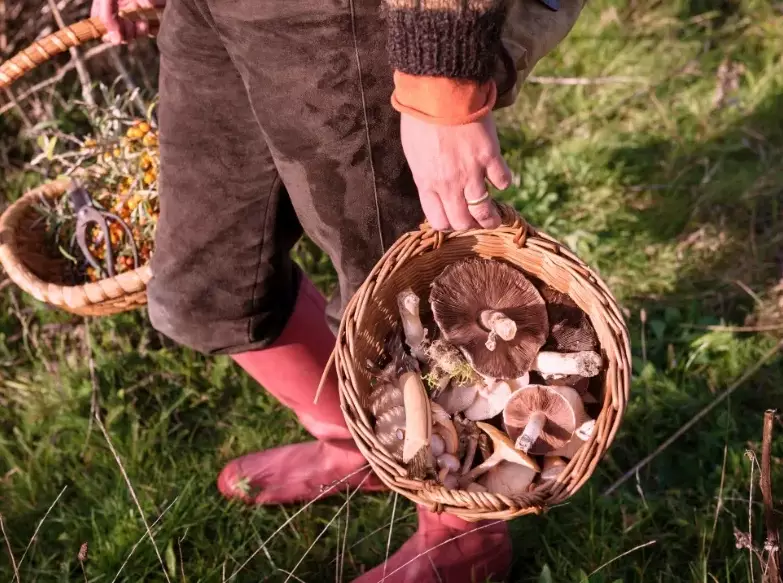
Morning Forage & Breakfast
After waking up, take a short walk with your mug. Spot a pine tree. Snip a small handful of bright green, new-growth needles. Back at camp, pour boiling water over them in your mug. Let steep 5-7 minutes. You now have pine needle tea, packed with vitamin C. Forage along the sunny edge of the campground for a few wild strawberries or black raspberries. Stir them into your oatmeal or yogurt.
Afternoon Recon & Dinner Prep
On your afternoon hike, carry a small mesh bag. You're not hunting a big haul, just looking for garnishes. Near a stream, you find clean, fast-running water and spot watercress (remember: only from clean, moving water). Take a few sprigs. In a damp, shaded spot, you see wood sorrel. Take a small handful. That's it.
Dinner is simple: you brought dehydrated pasta and a packet of pesto. Just before the pasta is done, toss in the washed watercress for the last 30 seconds to wilt. Drain, mix with pesto. Plate it up and sprinkle the fresh, raw wood sorrel leaves on top. The meal transforms from standard camping fare to something restaurant-chefs call “wildcrafted.” The peppery watercress and lemony sorrel cut through the richness of the pesto.
That's the goal. Small additions, huge impact.
Your Camping Foraging Questions Answered
Can I forage in any national park or forest?
Regulations differ drastically. Most US National Parks forbid any foraging of plants. Your best bets are National Forests (USFS) and Bureau of Land Management (BLM) land, which often allow foraging for personal use. Always check the specific website or contact the ranger station for the area you're visiting. The US Forest Service website has general guidelines, but local rules prevail.
What's the one plant I should absolutely avoid when starting out?
Wild mushrooms. Full stop. Mushroom identification requires an extremely high level of expertise because deadly look-alikes are common and mistakes are severe. Stick to leafy greens and berries for your first few years. The plants listed in the table above have very distinct features and are a much safer learning ground.
 How do I wash foraged plants safely at a campsite without running water?
This is a great practical question. I use a two-basin method. I have two collapsible camping sinks or even clean zip-top bags. In the first, I do a rough rinse with filtered or treated water to remove dirt and bugs. I then transfer the plants to the second container with a final rinse of treated water. For delicate berries, a gentle swish in a bowl of water and a pat dry with a clean cloth or paper towel works. The key is using water you'd be willing to drink.
I found a huge patch of berries. Can I take a lot home?
Think ecologically. That berry patch is a food source for birds, bears, and countless insects. Taking a gallon for yourself is greedy and disrupts the local ecosystem. Take only what you can reasonably eat in a day or two, following the 10-20% rule. If you want more, remember the location and visit next year. Sustainable foraging ensures the patch is there for future you and for the wildlife that depends on it.
Camping food foraging opens a new layer to the outdoors. It turns a walk into a scavenger hunt, a meal into a story. Start slow, start safe, and let the landscape surprise you. Your taste buds—and your camping stories—will thank you.