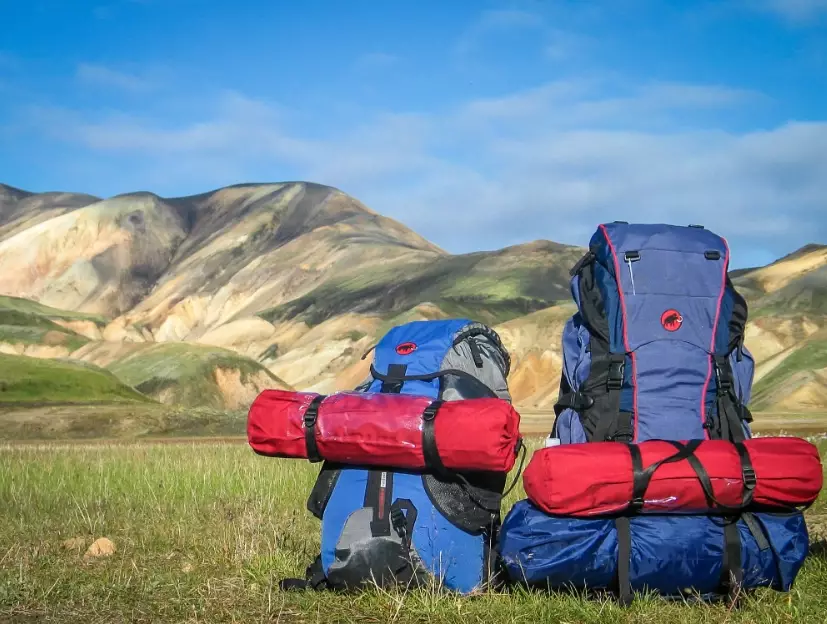
Let's be honest. We go camping to escape, to find peace. The last thing on our minds is needing a rescue. But that's the trap. Thinking "it won't happen to me" is the first mistake. I've been guiding trips for over a decade, and the common thread in every close call wasn't a lack of bravery, but a gap in preparation. Camping rescue isn't just about what to do when everything goes wrong. It's a mindset that starts before you even pack your bag.
This isn't a scare tactic. It's the opposite. Knowing you're prepared lets you actually relax out there. So let's ditch the vague advice and talk specifics.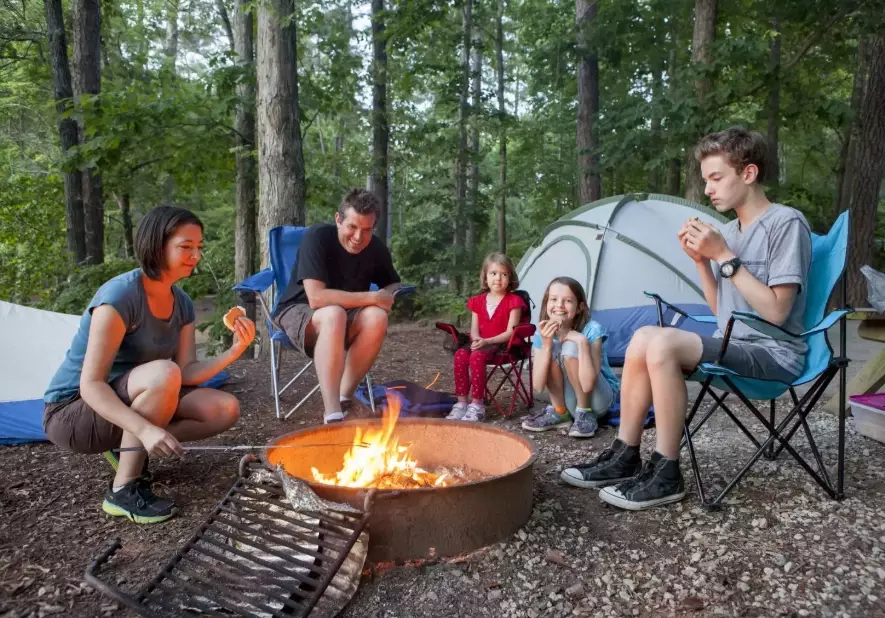
What's Inside: Your Rescue Roadmap
Prevention Beats Rescue: The 80% Solution
Most situations that require rescue are preventable. This is where you have the most control.
Tell Someone. Every. Single. Time. I don't care if it's a two-hour hike. Text a friend or family member your exact plan: trailhead name, route (e.g., "taking the Blue Loop clockwise"), and when you expect to be back. Give them a hard deadline to call for help if they don't hear from you. The National Park Service calls this a "trip plan," and it's the number one thing searchers ask for.
Here’s a real example. Last fall, a solo hiker sprained an ankle on a low-traffic trail. Because he'd left a detailed plan, his roommate knew exactly where to tell rangers to start looking. They found him in under three hours. Without that plan, he might have spent a cold, painful night out there.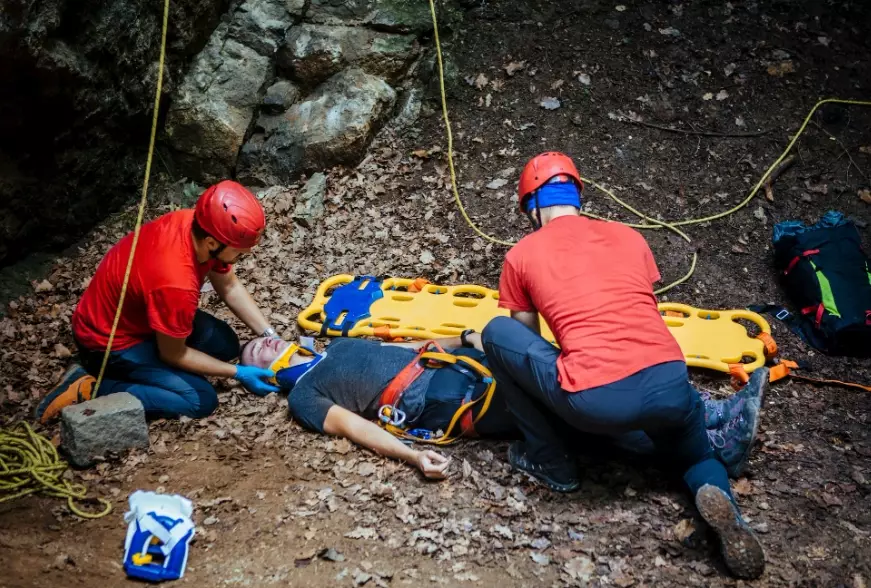
Navigation: Don't Be a Slave to Your Phone
Phones die. Screens crack. Service vanishes. A physical map and compass are your lifelines that never need a battery. The subtle mistake? People buy them but never practice. Spend an afternoon in a local park learning to orient the map and take a bearing. It feels silly until you're at a confusing trail junction in the fog.
Download offline maps on your phone, sure. Gaia GPS or OnX are fantastic. But treat them as a primary tool with a critical, non-digital backup.
Weather Wisdom: Checking the forecast isn't enough. Understand what it means for your terrain. A "chance of afternoon showers" in the mountains can mean sudden white-out conditions, hypothermia risk, and flash floods in washes. A resource like the National Oceanic and Atmospheric Administration's (NOAA) weather forecasts for wilderness areas provides more nuanced, location-specific risks.
What's Actually in a Rescue Kit? (Beyond the Band-Aids)
A first-aid kit is for treating problems. A rescue kit is for surviving them until help arrives. You should carry both, but know the difference.
Your rescue kit is for the big three: Shelter, Signal, Sustenance. It stays packed and goes on every trip, no matter how short.
| Category | Essential Items | Why It's Critical |
|---|---|---|
| Shelter & Warmth | Emergency bivvy sack, heavy-duty trash bag, extra wool socks | Hypothermia is a silent, fast killer. An emergency bivvy reflects 90% of your body heat. A trash bag is a instant rain poncho or ground cloth. |
| Signaling | Whistle, signal mirror, Personal Locator Beacon (PLB), bright bandana | A whistle carries farther than your voice and takes less energy. A mirror can flash rescuers from miles away. A PLB is your "get out of jail free" card. |
| Fire | Waterproof matches, lighter, firestarter cubes (in a separate bag) | Fire provides warmth, light, a signal, and a psychological boost. Have multiple, foolproof ways to start one. |
| Water & Food | Iodine tablets/purifier, metal cup, high-calorie bar (200+ calories) | You can survive weeks without food, but the calories boost morale and energy for self-rescue. Water is non-negotiable. |
| Light | Headlamp with extra batteries (stored separately) | Prevents falls and allows you to signal or set up camp in the dark. Check batteries before every trip. |
That PLB or satellite messenger (like a Garmin inReach or SPOT) warrants its own discussion. It's the single biggest advancement in personal camping rescue. It works where phones don't. If you venture beyond reliable cell coverage regularly, it's not an accessory; it's essential insurance.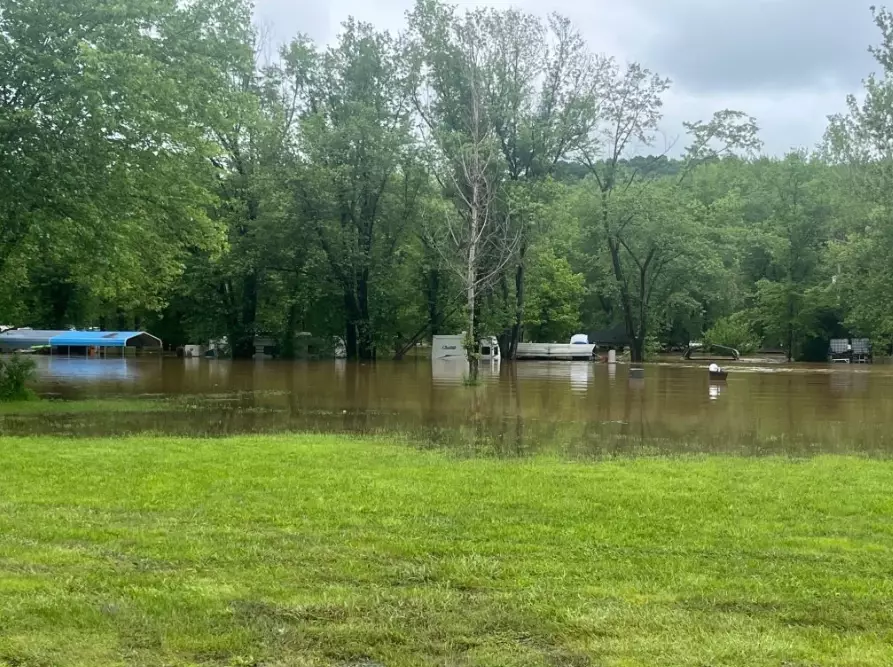
Step-by-Step: What to Do in an Emergency
Panic is your enemy. Having a mental checklist is your weapon. Remember S.T.O.P.
Sit down. Force yourself to stop moving. Physical activity fuels panic.
Think. Assess the situation calmly. Are you lost? Injured? What resources do you have?
Observe. Look around. Can you retrace your steps? Do you see a landmark? What's the weather doing?
Plan. Only now, make a decision based on your assessment.
Scenario: You're Lost
After you STOP, if you cannot confidently identify your location on the map, staying put is often the best plan. Moving aimlessly expends energy, increases injury risk, and makes you harder to find. If you left a trip plan, searchers will be looking for you on your intended route.
Improve your position if needed—move to higher ground for a potential cell signal or a better visual for signaling, or find a safer spot away from wind or water. Then, hunker down. Conserve energy. Use your shelter. Start signaling if you hear or see aircraft.
Scenario: Someone is Injured
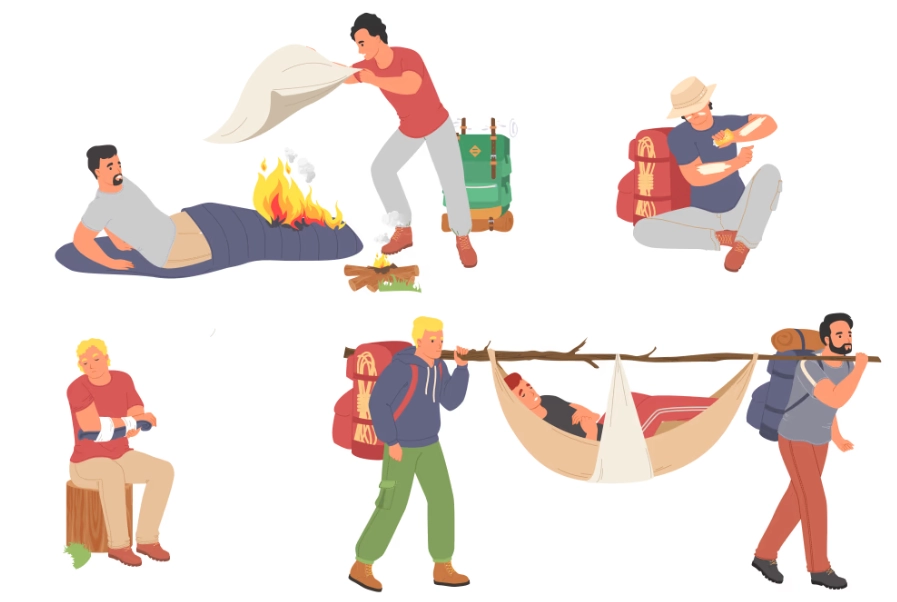
Your priorities shift. First, ensure the scene is safe for you (no falling rocks, dangerous wildlife). Then, provide immediate first aid to stop life-threatening issues: severe bleeding, blocked airway. Only then, assess the need for evacuation.
Can the person walk out with assistance? If not, you must call for professional help. This is where that satellite device pays for itself a thousand times over. If you must leave the injured person to get help, leave them with as much shelter, water, and warmth as possible, and note their exact location (GPS coordinates if possible).
Signaling for Help: From Whistles to Satellites
If rescuers are looking, you need to be seen or heard.
- Auditory: Three of anything is the universal distress signal. Three whistle blasts. Three shouts. Pause. Repeat.
- Visual: A signal mirror is brutally effective on sunny days. Aim the reflection at the target (plane, distant hiker). Wave brightly colored clothing. At night, use your headlamp in a flashing pattern (three flashes).
- Ground-to-Air: Create large symbols in an open area. An "X" means "require medical assistance." An arrow points in the direction you traveled. Use rocks, logs, or colored gear.
- Electronic: Activate your PLB/satellite messenger. These devices send your GPS coordinates to a monitoring center, which alerts local search and rescue. It's the most direct line to help you can carry.
One pro tip I learned from a SAR team leader: if you have a fire and hear a aircraft, add green vegetation to create thick, white smoke. It's more visible against most backgrounds than dark smoke.
Your Burning Rescue Questions Answered
What is the single most important piece of camping rescue gear for areas with no cell signal?
A Personal Locator Beacon (PLB) or a satellite messenger with SOS function is non-negotiable. Unlike a phone, it uses satellite networks to send your GPS coordinates and a distress signal directly to search and rescue authorities. It's the most reliable way to call for help when you're truly off-grid. Everything else in your kit supports you while you wait for the help it summons.
How is a camping rescue kit different from a basic first aid kit?
A basic first aid kit treats cuts and headaches. A rescue kit is designed to keep you alive and locatable until help arrives. It adds critical signaling tools (whistle, mirror, PLB), emergency shelter (space blanket, bivvy), fire-starting gear, water purification, and high-calorie food. It's for survival, not just minor injuries. You need both, but they serve distinct purposes.
 What's the first thing I should do if I realize I'm lost while hiking?
Stop. Immediately. The acronym is STOP: Sit down, Think, Observe, Plan. Do not panic and start running. Conserve energy. Check your map and compass if you have them. If you're on a trail, backtrack carefully to the last known point. If you're truly disoriented, staying put is often safer than wandering deeper into unfamiliar terrain, making it harder for rescuers to find you.
Can I rely on my smartphone's GPS for navigation and rescue in the backcountry?
You can use it, but you cannot rely on it solely. Phones die, break, lose signal, and apps crash. Always carry a physical map and compass and know how to use them. For rescue, a phone is a good tool if you have signal, but a dedicated satellite device is far more reliable. Think of your phone as a helpful backup, not your primary lifeline. I've seen too many people stranded with a 0% battery.
Camping rescue knowledge isn't about fear. It's about freedom. It's the confidence that comes from knowing you've done what you can to prevent trouble, and you have a solid plan if it finds you anyway. Pack that knowledge alongside your gear. It's the lightest and most important thing you'll carry.