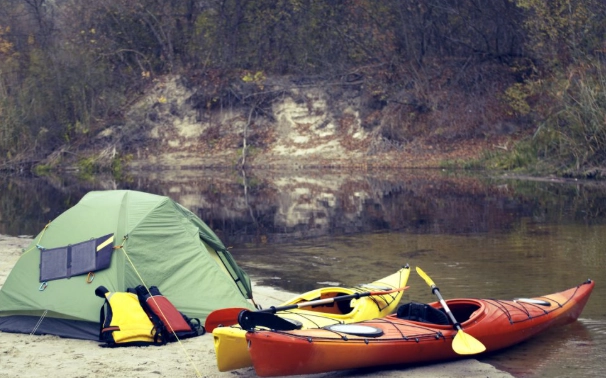
You know that feeling when you pull your kayak onto a secluded beach, the only sound being the lap of waves and the call of a loon? That's the magic of kayak camping. It's not just camping, and it's not just kayaking. It's a hybrid adventure that lets you access places no car or hiking boot can reach. I remember my first multi-day trip on the Maine Island Trail—overpacked, nervous, and utterly hooked by sunset. This guide is everything I wish I'd known then, distilled from a decade of packing, paddling, and perfecting the art of sleeping by the shore.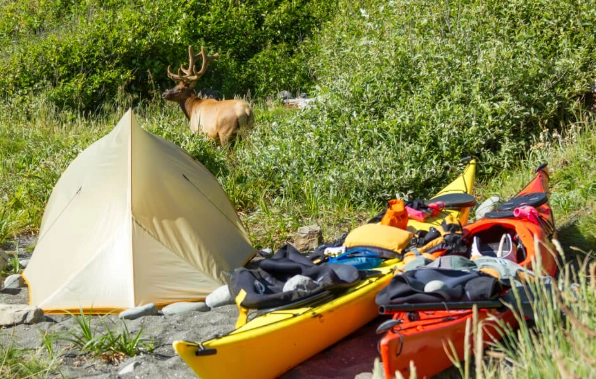
What's Inside This Guide
The Non-Negotiable Kayak Camping Gear Checklist
Forget the 50-item backpacking lists. Kayak camping gear is about balancing necessity with the luxury of space. You can carry more, but every ounce still counts when you're fighting a headwind.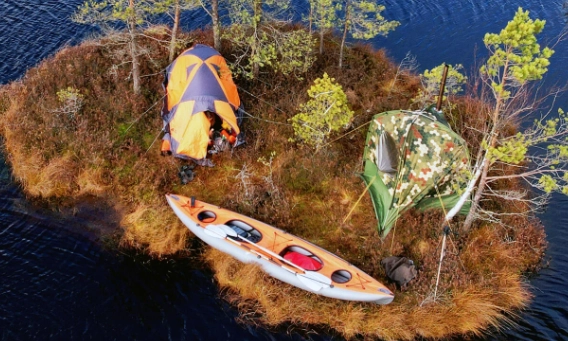
The Kayak and Paddling Core
Your boat is your lifeline. A recreational kayak from a big-box store won't cut it. You need a sea kayak or touring kayak with sealed bulkheads—those watertight compartments at the front and back. They store your gear and provide critical flotation. I made the mistake of using a cheap sit-on-top once; a rogue wave soaked my sleeping bag, and that was a miserable lesson. A proper spray skirt, a comfortable PFD (wear it, always), and a paddle leash are just as vital as the kayak itself.
Shelter and Sleep System
Coastal and lakeside campsites are often exposed and rocky. A freestanding tent is a godsend. Look for a lightweight backpacking tent with a small footprint. Your sleeping bag should be rated at least 10 degrees lower than the expected low—dampness by the water makes it feel colder. A closed-cell foam pad is better than an inflatable one here; it can't pop and provides insulation even if wet.
Kitchen and Hydration
A compact backpacking stove, a single pot, and a long-handled spoon. Dehydrated meals are the standard, but you have the space for a few luxuries—maybe some fresh onions or a block of cheese for the first night. Water is heavy. Plan to carry 1 gallon per person per day, and bring a reliable filter or purification tablets for refilling from known safe sources. I never leave without my trusty Sawyer Squeeze filter.
| Category | Essential Items | Pro-Tier Upgrade / Note |
|---|---|---|
| Paddling | Sea/Touring Kayak, PFD, Paddle, Spray Skirt, Bilge Pump, Paddle Float | Carbon fiber paddle for less fatigue on long days. |
| Shelter | Freestanding Tent, Sleeping Bag (synthetic recommended), Sleeping Pad | Bivy sack for ultra-minimalists on fair-weather trips. |
| Storage | Multiple Dry Bags (5L, 10L, 20L), Deck Bag for quick-access items | Color-coded dry bags to find gear instantly. |
| Safety & Nav | Marine VHF Radio/PLB, Compass, Waterproof Maps/Chart, Headlamp | A personal locator beacon (PLB) for remote trips. |
| Clothing | Quick-Dry Layers, Paddling Jacket, Fleece, Rain Gear, Water Shoes | Merino wool base layers—warm even when damp. |
How to Pack Your Kayak for Camping (The Right Way)
Packing is a puzzle that affects stability and safety. Heavy items (water, food, stove fuel) go low and centered, close to your seat. This keeps the kayak's trim balanced. Lighter, bulkier items (sleeping bag, clothes) go in the ends.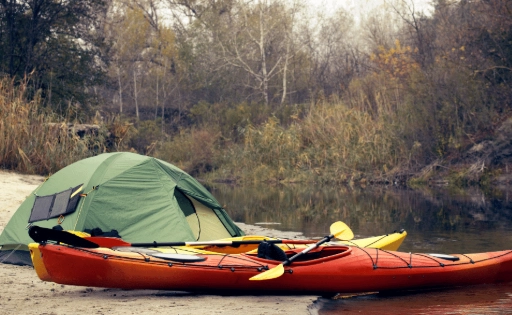
Use multiple small dry bags, not two giant ones. It makes organization and weight distribution easier. Your tent poles can slide along the side of a bulkhead. Always pack your emergency kit and a day's worth of water and snacks in your deck bag or cockpit within easy reach. You don't want to dig through a hatch in rough conditions.
The final test? Your kayak should sit level in the water when you're geared up and seated. If the stern is dragging, you've put too much weight in the back. Shift some forward.
Planning Your Route: Distance, Safety & Permits
This is where most first-timers trip up. They look at a map, see 15 miles of coastline, and think "easy day." Water doesn't work like that.
Calculating Realistic Daily Distance
On flat water with no wind, a loaded kayak might average 2.5-3 knots. Now factor in rest breaks, lunch, exploring, and weather. A 10-nautical-mile day is a solid, enjoyable goal for most paddlers. For your first trip, plan for 6-8 miles. Wind is your biggest enemy. Paddling into a 15-knot wind can reduce your speed to a crawl and exhaust you. Always check the forecast and have a sheltered Plan B campsite.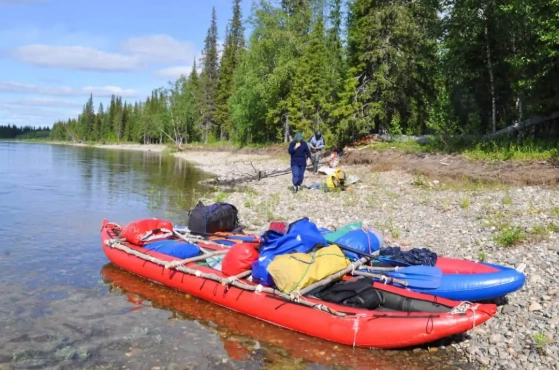
Navigating and Permits
Paper charts or waterproof GPS maps are essential. Know how to read them—identify potential landing spots, hazards, and protected areas. Many premier kayak camping destinations require permits, often booked months in advance. For example, the iconic Everglades Wilderness Waterway or campsites in Channel Islands National Park have strict quotas. Check with the managing agency, like the National Park Service or state Department of Natural Resources, the moment you start planning.
5 Top Kayak Camping Destinations in the US
Ready to go? Here are five spots that offer the full kayak camping experience, from beginner-friendly to expedition-level.
1. The Maine Island Trail (MIT): A 375-mile water trail with over 200 islands and mainland sites. It's a paddler's paradise. You need a MITA membership for guidebook and access. Campsites are primitive—pack in, pack out. The waters can be cold and foggy, even in summer.
2. Apostle Islands National Lakeshore, Wisconsin: Paddle to sandstone sea caves and historic lighthouses. Designated campsites on several islands. Lake Superior is powerful and cold; paddling skills and weather awareness are critical. Permits are required.
3. Everglades National Park, Florida: The Wilderness Waterway is a 99-mile route through mangroves and open bays. It's remote, with chickee platforms (raised wooden campsites over water) and ground sites. Permits are highly competitive. Mosquitoes are a legendary force from April to November.
4. San Juan Islands, Washington: Orca whales, forested state park campsites, and a mix of protected passages and exposed crossings. Currents are significant here—trip planning must involve tide charts. Multiple state marine parks offer beautiful sites.
5. Lake Powell, Utah/Arizona: Paddle among towering red rock canyons and camp on endless sandy beaches. It's a desert paddling experience. Water is the main concern—bring all you need, as the lake water is not suitable for filtering without extensive treatment. No permits needed for dispersed camping.
Pro Tips They Don't Tell Beginners
A few hard-won insights from the water.
**Your first night's dinner and a change of clothes go in the most accessible dry bag.** After a long, potentially wet paddle, the ability to get warm and fed without unpacking your entire kayak is priceless.
**Practice a deep-water self-rescue with all your gear loaded.** The weight distribution changes everything. Do this in a safe, warm environment before your trip.
**Bring a small tarp or footprint for your tent.** Beach sand and fine gravel are abrasive and can wear through a tent floor. The tarp also gives you a dry "porch" area outside your tent.
**Leave the cotton jeans at home.** I see this all the time. Cotton kills—it absorbs water, loses insulation, and takes forever to dry. Stick to synthetic or wool layers from skin out.