Let's be honest—camping in hot weather can feel less like a getaway and more like a test of endurance. I remember a trip to the Utah desert where the shade vanished by 10 AM, and my tent turned into a solar oven. The mistake? I packed like I was heading to the mountains in spring. The right approach to hot weather camping isn't just about surviving; it's a complete rethinking of your gear, your schedule, and your campsite strategy. It's about finding comfort when the sun is relentless and the air feels thick. This guide pulls from two decades of sweating it out in places like Death Valley and the Florida Everglades to give you the non-obvious tips that make all the difference.
Your Quick-Read Guide to Beating the Heat
- Understanding the Heat Challenge
- Campsite & Tent Setup for Maximum Cool
- Essential Cooling Gear You Might Overlook
- Hydration & Electrolytes: Beyond Just Water
- Clothing and Sun Protection Strategy
- Cooking and Food Safety in the Heat
- Activity and Schedule Planning
- Hot Weather Camping: Your Questions Answered
Understanding the Heat Challenge
Heat isn't just about feeling uncomfortable. It's a physiological stressor. Your body works overtime to cool itself, leading to rapid dehydration and electrolyte loss, even if you're just sitting in a camp chair. The real danger zones are often overlooked: inside your tent at noon, or during physical activity in high humidity, where sweat doesn't evaporate. The Centers for Disease Control and Prevention (CDC) highlights heat-related illnesses as a significant outdoor risk. Ignoring these factors is the first mistake many campers make. Success lies in planning for heat as actively as you'd plan for cold.
Campsite & Tent Setup for Maximum Cool
Where and how you set up camp is 50% of the battle. This isn't just about a nice view.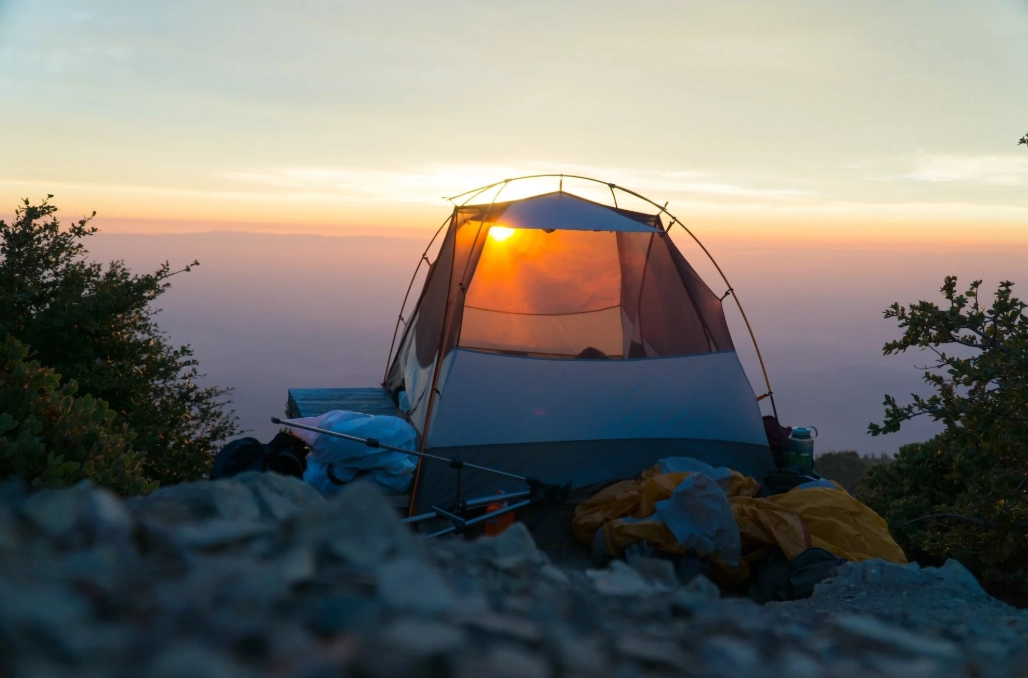
Site Selection is Everything
Look for natural shade first—deciduous trees are better than pines, as they provide a denser canopy. Proximity to a body of water (lake, river) can mean a natural breeze and a place to cool off, but be mindful of insects. Consider elevation; even a small hill can catch a breeze that the valley floor misses. I always scout sites in the morning or late afternoon; a shady spot at 5 PM might be a sun-trap at noon.
The Art of the Tent Pitch
Orientation matters more than you think. Pitch your tent so the door and main vents face the prevailing wind direction (check local forecasts). If there's no natural shade, create your own with a tarp strung a foot or two above the tent. This air gap is crucial—it creates a shaded, ventilated buffer zone that can drop the temperature underneath by 10-15°F (5-8°C) compared to direct sun on the rainfly. And for heaven's sake, use all the vents. Open every mesh panel and vent. A tent needs to breathe.
Essential Cooling Gear You Might Overlook
Forget the heavy sleeping bag and insulated pad. Summer camping requires a different toolkit.
| Gear Category | Hot Weather Priority | Why It Matters | Pro Tip |
|---|---|---|---|
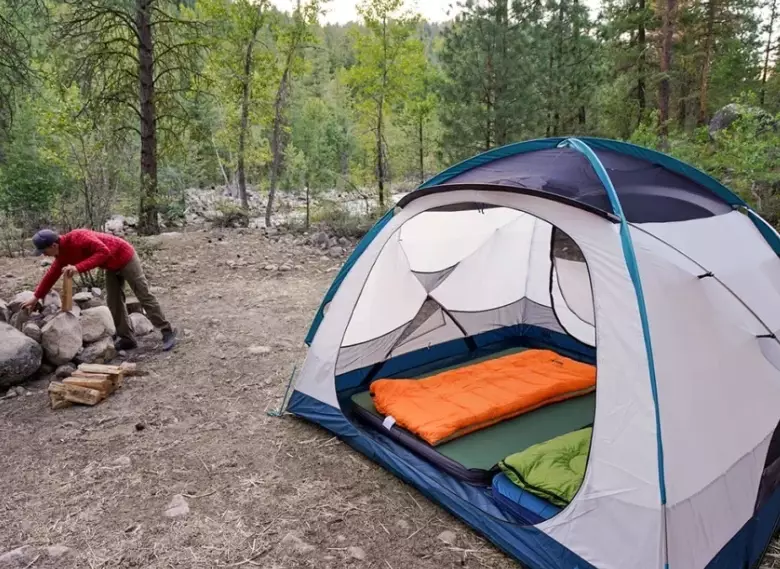
| Tent | Maximum Ventilation | Mesh panels on all sides allow cross-ventilation, pulling hot air out and cool air in. | Choose a tent with a "double-wall" design. The separate rainfly creates a vented attic space that lets hot air escape from the peak. |
| Sleeping Pad | Low R-Value | R-value measures insulation. A high R-value pad (like R-5 for winter) will trap your body heat. You want a pad with an R-value of 1-3 for summer. | Consider a simple foam pad or an air pad with minimal insulation. The ground is often cooler than the air; let that coolness in. |
| Sleeping Bag/Liner | Lightweight & Breathable | A heavy bag will make you sweat. A sleeping bag liner made of cotton or silk is often enough, or use a lightweight summer bag (40-50°F/5-10°C rating). | Use the bag like a quilt. Unzip it completely and just drape it over you for warmth in the cooler pre-dawn hours. |
| Cooling Tech | Active & Passive Cooling | Passive: Battery-powered fans are non-negotiable. Active: Cooling towels (soak in water, wring out) use evaporation to lower skin temperature. | Position a small fan to blow air out of a tent vent. This creates negative pressure, pulling cooler air in through other openings. |
One piece of gear I never camp without in summer is a portable power station or a large battery pack. Fans, phone chargers, and camp lights drain batteries fast, and you don't want your airflow to die at midnight.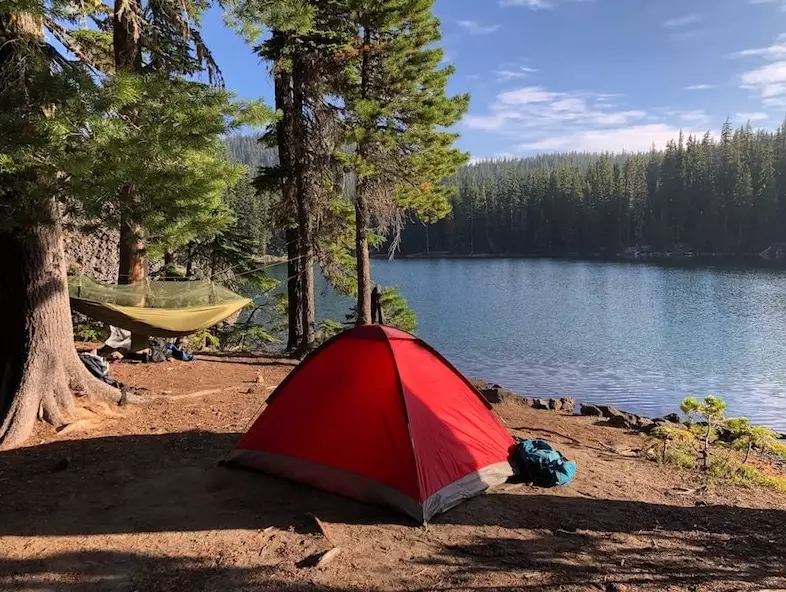
Hydration & Electrolytes: Beyond Just Water
Drinking water is obvious. Managing electrolytes is the subtle skill. When you sweat, you lose sodium, potassium, and other minerals. Replacing them with just water can lead to hyponatremia (low blood sodium), which is dangerous. Symptoms can mimic heat exhaustion: headache, nausea, confusion.
Here's my routine: I start the day with an electrolyte drink mix in my first liter of water. I keep a separate water bottle just for electrolyte-enhanced drinks and sip it throughout the day, alternating with plain water. Don't wait until you're thirsty to drink, and definitely don't wait until you feel cramps. By then, you're already significantly dehydrated.
How much water? In moderate temperatures, one gallon (3.8L) per person per day is a good rule. In hot weather, especially with activity, plan for at least 1.5 to 2 gallons (5.7-7.6L). It sounds like a lot until you're halfway through a hot afternoon and your third liter is already empty.
Clothing and Sun Protection Strategy
Cotton is a common choice, but in humidity, it's a trap. It absorbs sweat, stays wet, and chafes. The modern approach is technical, breathable fabrics.
- Material: Merino wool (surprisingly cool and odor-resistant) or synthetic blends (like polyester or nylon) with moisture-wicking properties.
- Fit: Loose-fitting, light-colored clothes reflect sunlight and allow air to circulate.
- Coverage: A long-sleeved sun hoodie might seem counterintuitive, but it protects your arms from sunburn and can be soaked in water for evaporative cooling.
Sunscreen is mandatory, but so is timing. Apply a broad-spectrum SPF 30+ at least 20 minutes before sun exposure, and reapply every two hours, or immediately after swimming or heavy sweating. A wide-brimmed hat and UV-protection sunglasses protect your face, neck, and eyes.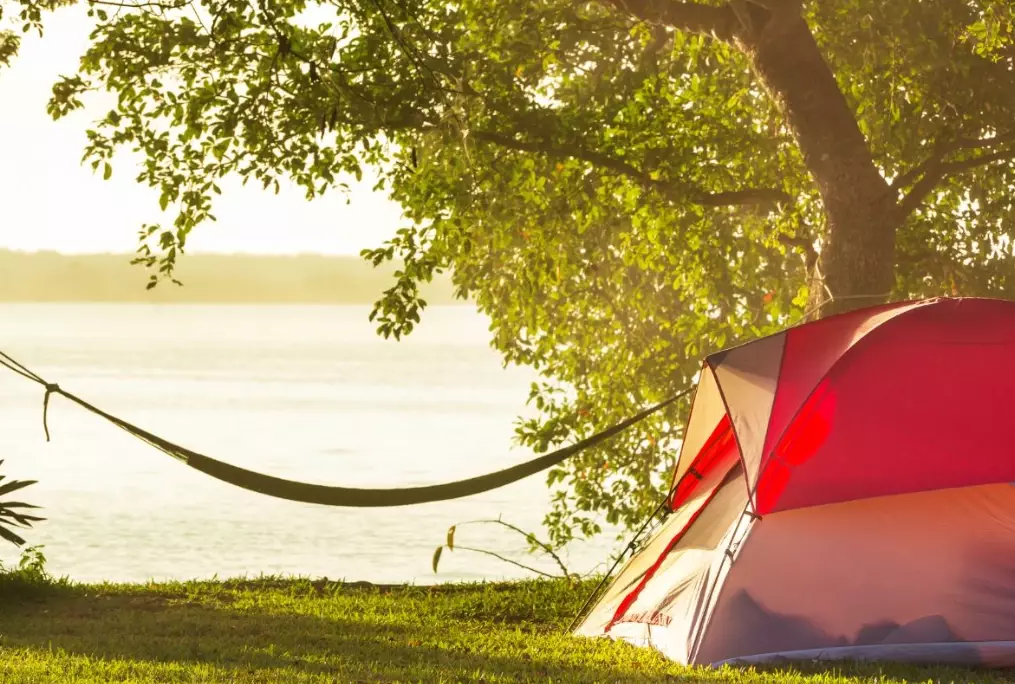
Cooking and Food Safety in the Heat
Standing over a roaring campfire in 95°F (35°C) heat is miserable. Rethink your camp kitchen.
- No-Cook Meals: Embrace them. Salads (pre-chopped veggies), wraps, cold cuts, hummus, nuts, and dried fruits are your friends.
- Cooler Mastery: Your cooler is now your lifeline. Use block ice instead of cubes—it melts slower. Pre-chill the cooler with ice water for an hour before packing. Keep it in the shade, covered with a reflective blanket, and open it as infrequently as possible.
- Food Safety: The "danger zone" for bacterial growth is between 40°F and 140°F (4°C-60°C). Perishable food should not sit in this zone for more than two hours (one hour if it's over 90°F/32°C outside). When in doubt, throw it out.
Activity and Schedule Planning
Camping in hot weather means adapting your rhythm to the sun, not fighting it. The midday sun is your enemy. Plan your day around it.
Early Bird & Evening Owl Schedule: Wake up at dawn. This is the coolest, most beautiful part of the day. Have breakfast, then go for your main hike or activity. By 10 or 11 AM, the heat is building. From noon until about 4 PM, this is siesta time. Retreat to your shaded campsite, nap, read, play cards, or take a dip if water is nearby. This is when you're most vulnerable to heat stress. As the sun dips, activity can resume. Cook dinner, go for an evening stroll, and enjoy the stars.
Listen to your body. If you feel a headache coming on, feel dizzy, or experience muscle cramps, stop. Get into the shade, drink an electrolyte beverage, and cool your skin with a damp cloth. Pushing through it is not brave—it's risky.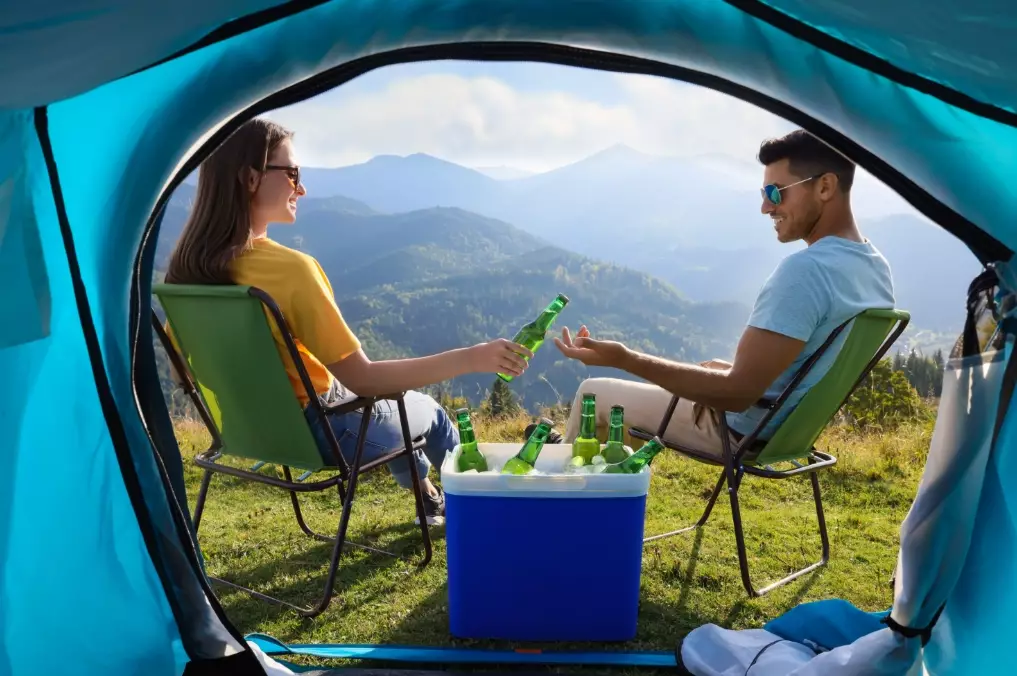
Hot Weather Camping: Your Questions Answered
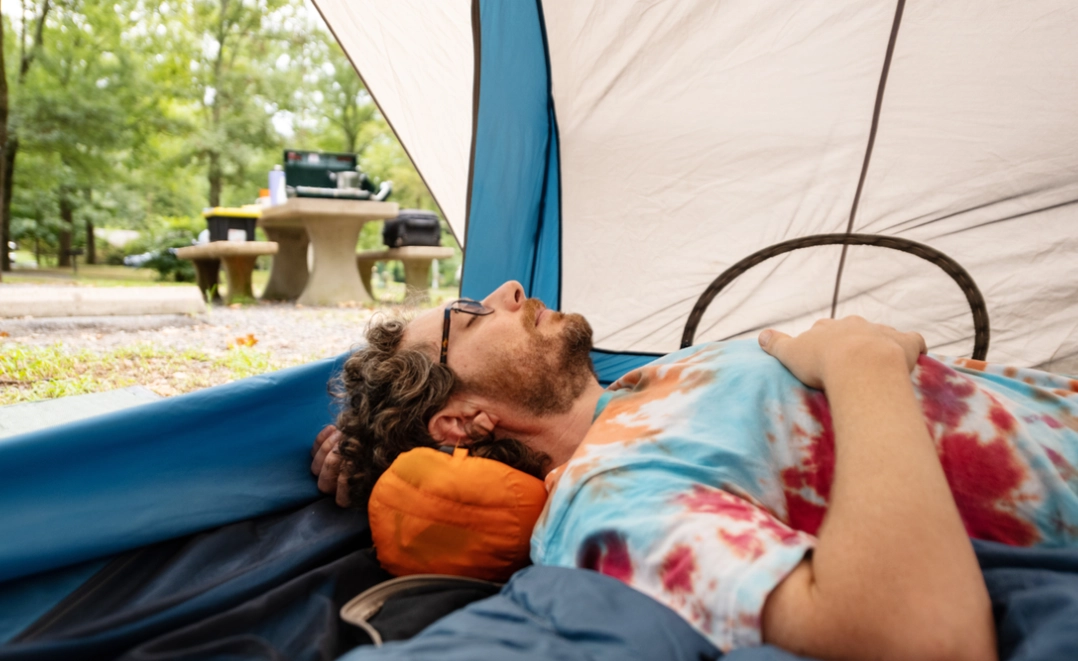 Hot weather camping isn't about enduring discomfort; it's about a smart, strategic approach that lets you enjoy the outdoors when the sun is at its most intense. By focusing on shade, ventilation, smart hydration, and adjusting your schedule, you can transform a potentially grueling trip into a uniquely rewarding summer adventure. Remember, the goal is to come back with stories, not sunstroke.