Let's cut straight to it. The idea of solo female camping sparks something deep—a mix of thrilling freedom and legitimate nerves. I remember my first time, a shaky-kneed weekend at a state park an hour from home. I overpacked, barely slept, and felt a jolt at every rustle. But by sunrise, a quiet, unshakable confidence had settled in. That feeling is why we do this. It's not about being the toughest person in the woods; it's about self-reliance, reclaiming solitude, and discovering you're more capable than you knew. This guide is the one I wish I'd had, stripping away the fluff and focusing on the practical, psychological, and safety steps that actually matter.
What’s Inside This Guide
Safety First: The Non-Negotiables
Safety isn't a list of fears; it's a framework for confidence. We'll move beyond vague advice like "be aware."
How to Choose the Right Campsite for Solo Female Camping
Your campsite is your base. Picking it poorly sets you up for anxiety. For your first few trips, skip the backcountry. Target established campgrounds with a park ranger or host on-site. Use resources like Recreation.gov or ReserveAmerica to read recent reviews. Look for phrases like "well-lit," "friendly host," or "families." Avoid sites described as "isolated" or "party spot."
When you arrive, do a daylight scout. I look for three things:
- Proximity to host/ranger station: Not right next door, but within a 1-2 minute walk.
- Cell service: Check your phone at the actual site.
- Exit route: Is your car pointed towards the exit for a quick departure if needed? Park so you don't have to reverse.
Communication & The Itinerary Lifeline
Someone you trust must know your plans. This isn't optional. Email or text them:
- Exact campground name, site number, and check-in/out dates.
- Your vehicle description and license plate.
- A link to the park's official website.
- The time you'll check in and your planned check-out call time. "If you don't hear from me by 11 AM Sunday, call the ranger station at [number]."
For remote areas, a satellite communicator like a Garmin inReach is worth the investment. For car camping with service, a charged phone and backup battery are fine.
Gear Essentials (Without the Overwhelm)
You don't need the most expensive gear. You need reliable, familiar gear. Test everything in your backyard first.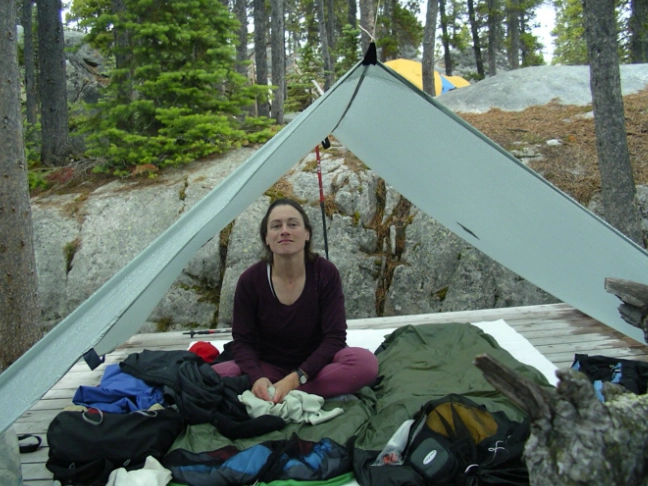
| Category | Essential Items | Why It's Critical for Solo Campers |
|---|---|---|
| Shelter & Sleep | Tent you can pitch alone, sleeping bag, sleeping pad, pillow. | A good night's sleep is everything. Practice pitching your tent blindfolded. A comfy pad isn't luxury; it's necessity. |
| Lighting | Headlamp (with red light mode), lantern. | Hands-free light = control. Red light preserves night vision and is less conspicuous. |
| Safety & Tools | Whistle, multi-tool, firestarter, first-aid kit, paper map. | A whistle carries farther than a shout. A paper map works when GPS fails. Your first-aid kit should include blister care. |
| Comfort & Morale | Camp chair, journal, book, favorite snack, warm layers. | Solo camping has quiet moments. A comfortable chair and a small treat make solitude enjoyable, not daunting. |
A common mistake I see: packing a huge, complicated tarp system. Keep it simple. A well-chosen tent and a basic footprint are enough. Your energy is better spent on site selection than wrestling with guylines in the dark.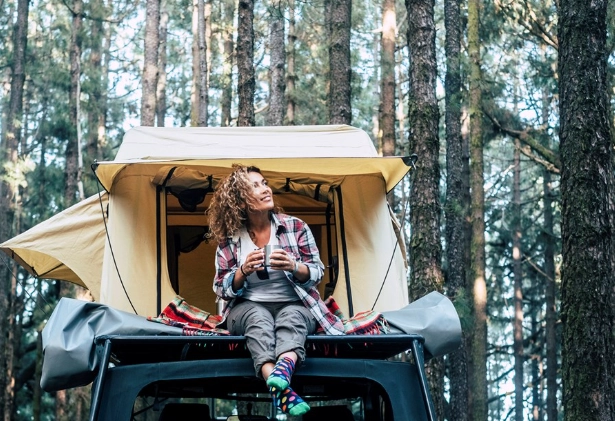
Choosing Your First Destination
Think "training wheels." Your goal is positive reinforcement, not an epic survival test.
The 90-Minute Rule: Pick a campground within a 90-minute drive from home. This reduces travel stress and creates a viable "escape hatch" if you get overwhelmed. You're not trapped.
State Parks are Goldmines: They often have better infrastructure, clear signage, and regular ranger patrols compared to some remote national forest sites. Look for parks with designated hiking trails that start right from the campground loop—easy adventure without driving.
Let's get specific. Imagine you live near Denver.
Not a great first choice: Dispersed camping in the Roosevelt National Forest. No facilities, no host, spotty service, requires more self-sufficiency.
A perfect first choice: Golden Gate Canyon State Park. Why? Reservable sites online, a visitor center, camp hosts, well-maintained facilities, and dozens of hiking trails from easy to challenging. You can have a classic camping experience with a clear safety net. The Colorado Parks and Wildlife website has all the details—fees, maps, alerts.
That's the model. Find your local equivalent.
Mindset & The Mental Game
The gear is easy. The mind is the real frontier.
You will hear noises. Every solo camper does. The trick is to decode them. A rhythmic crunch is probably a deer. A quick scurry is a mouse or chipmunk. A sudden, loud crack? Likely just a tree branch settling (they do that all night). Learn the common sounds. I sometimes listen to a "forest at night" audio track before a trip to recalibrate my ears.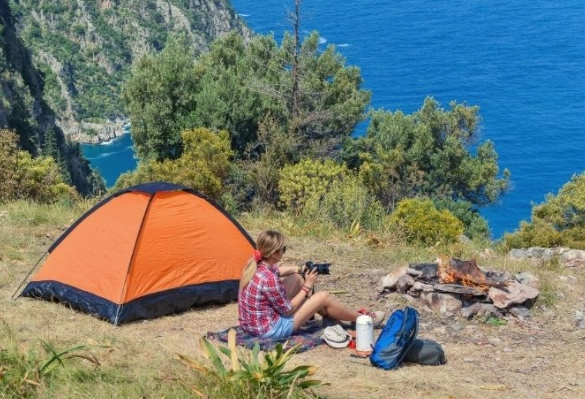
Evening routine is your anchor. Don't just zip yourself in the tent at dark. Cook a hearty meal. Brew tea. Write in your journal by lantern light. This structured wind-down signals to your brain that it's time to relax, not go on high alert.
What if fear wins? Have a backup plan. It's okay to sleep in your locked car. It's okay to drive to a 24-hour diner at 2 AM. I've done it. The point is you solved the problem. That's a win. You build resilience for next time.
Your Questions, Answered
The path to a successful solo trip is paved with small, smart decisions. Start close. Keep it simple. Listen to your gut. That flutter of nerves you feel? It's the same energy as excitement, just viewed through a different lens. Channel it into meticulous planning, then go. The stillness of a morning you earned entirely by yourself—that's your reward.