Explore the Guide
- Why California is a Camper Van Paradise
- First Steps: To Rent or To Buy Your Adventure Van?
- Planning Your California Camper Van Route
- Where to Park Your Van: The Campsite Spectrum
- Essential Gear for California Van Camping
- Navigating Rules, Regulations, and Etiquette
- Budgeting for Your Trip: A Realistic Breakdown
- A Sample 10-Day California Camper Van Itinerary
- Frequently Asked Questions (FAQs)
- Final Thoughts Before You Go
Let's be honest, the idea of camper van camping in California has probably popped into your head more than once. It's that classic image: cruising down Highway 1 with the ocean on one side, your bed and kitchen on wheels just behind you, complete freedom to stop wherever the view takes your breath away. It's not just a trip; it feels like stepping into a postcard. But between that dream and reality lies a bunch of questions. Where do you even start? Rent or buy? Where can you actually park for the night without getting a knock on the door? I've been there, figuring it out through a mix of amazing sunsets and a few frustrating evenings circling for a spot. This guide is everything I wish I'd known before my first big trip.
California is arguably the spiritual home of the camper van movement. The diversity is insane—you can wake up to the sound of Pacific waves, spend the afternoon among ancient redwoods so tall they block the sun, and fall asleep under a blanket of stars in a silent desert, all within a few days' drive. That's the magic. But to unlock it, you need a plan. This isn't about a rigid itinerary; it's about knowing the rules of the road, the hidden gems, and the common pitfalls so you can spend less time worrying and more time living that van life dream.
Why California is a Camper Van Paradise
It's hard to think of another place that packs in so much variety for a road trip. The geography alone makes camper van camping in California a unique experience. You've got over 800 miles of coastline, some of the tallest mountains in the lower 48, vast deserts, and dense forests. The infrastructure for travelers is also, for the most part, really good. You'll find well-maintained roads, plenty of service stations even in remote areas (though don't push it in the desert!), and a culture that's generally welcoming to road trippers.
The weather is a huge factor. You can chase the sunshine pretty much year-round. While the Sierra Nevada might be buried in snow, the Anza-Borrego Desert is perfect. Summer gets crowded on the coast, but that's when the high mountain passes open up. It gives you options.
First Steps: To Rent or To Buy Your Adventure Van?
This is the first big decision. For most people, renting is the way to dip your toes into camper van camping in California. It's a significant upfront cost, but it includes insurance, maintenance, and you hand back the keys at the end. No long-term commitment. The market is flooded with companies, from big outfits like Escape Campervans to countless peer-to-peer rentals on platforms like Outdoorsy. I rented a van once that looked great in photos but had a fridge that wouldn't stay cold. Lesson learned: read the recent reviews, *all* of them, and ask specific questions before booking.
Renting Pro-Tip: Book your camper van rental in California *way* in advance, especially for summer. The good, affordable vans go first. Also, scrutinize the mileage policy. Some have unlimited miles, which is golden for a California road trip, while others have strict daily limits that can really box you in.
Buying is a whole other ballgame. It's for the committed. You're not just buying a vehicle; you're buying a project, a hobby, and a new set of worries (breakdowns, registration, storage). The van life community online makes it look effortless, but the reality involves a lot of time and money. If you're thinking about it, maybe rent a few different models first to see what layout you actually like. Do you really need a shower, or are campground facilities enough?
Key Considerations Table: Rent vs. Buy
| Factor | Renting a Camper Van | Buying a Camper Van |
|---|---|---|
| Upfront Cost | High daily/weekly rate, but all-inclusive. | Very high purchase price + conversion costs. |
| Long-Term Cost | Cost-effective for trips under 2-3 months per year. | Can be cheaper over many years of use. |
| Maintenance & Hassle | Zero. The rental company handles it. | You are the mechanic, insurer, and detailer. |
| Customization | None. You get what you get. | Complete freedom to build your perfect space. |
| Commitment | None. Perfect for a one-off California adventure. | Major life and financial commitment. |
| Best For... | First-timers, vacationers, those testing the lifestyle. | Full-timers, serious enthusiasts, DIYers with time. |
Planning Your California Camper Van Route
You can't just point a van west and go. A little planning makes the difference between a stressful scramble and a smooth adventure. First, be brutally honest about time. Trying to do the coast, the Sierras, and the desert in one week is a recipe for seeing nothing but your windshield. Pick a region.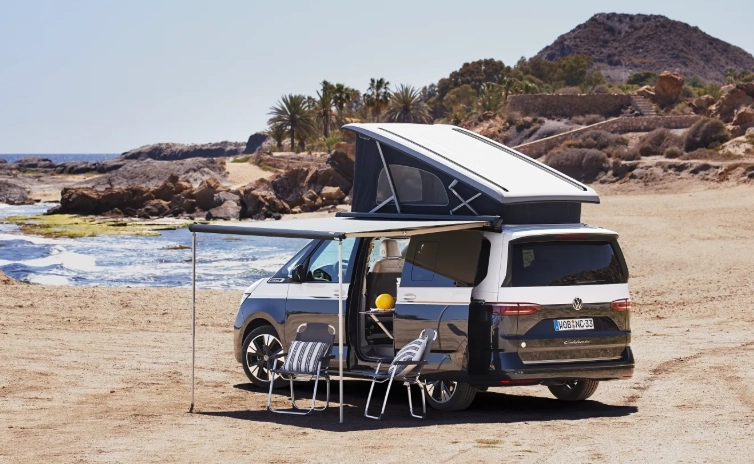
The classic loops are classics for a reason:
- The Pacific Coast Highway (PCH) Loop: LA to San Francisco (or vice versa) via Highway 1. This is the iconic camper van camping California experience. Budget extra time for Big Sur closures and fog.
- The Sierra Nevada & Eastern Sierra Scenic Byway: A mountain lover's dream. Connect Yosemite, Mammoth Lakes, Mono Lake, and maybe sneak into Death Valley if it's not summer. US-395 is one of the most stunning roads in America.
- The Desert Triangle: Joshua Tree National Park, Anza-Borrego Desert State Park, and Death Valley National Park. Winter and spring are the only sane times for this. The solitude out here is profound.
Heads Up: Always, and I mean always, check road conditions and park alerts before you head out. The California Department of Transportation (Caltrans QuickMap) is your best friend for real-time highway info. A rockslide in Big Sur or a snowy pass in the Sierras can ruin your itinerary.
My personal favorite? A hybrid. Start in San Diego, head into Anza-Borrego, then cut west to the coast near Santa Barbara, drive PCH north to maybe Mendocino, then cut inland to the Redwoods. It's ambitious, but you get desert, coast, and forest.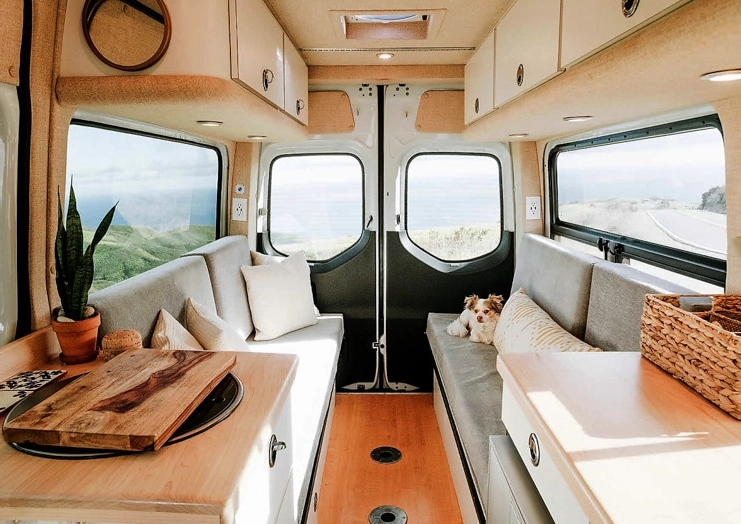
Where to Park Your Van: The Campsite Spectrum
This is the heart of the matter. Understanding the types of camping available is crucial for camper van camping in California.
1. Developed Campgrounds (National/State Parks, Forests)
These are the official, reservable spots with amenities like picnic tables, fire rings, and often flush toilets. They're fantastic, predictable, and safe. But they're also competitive. For popular spots like Yosemite Valley or any beachfront state park, you need to book on Recreation.gov (federal) or ReserveCalifornia.com the minute reservations open (usually 6 months in advance). No joke. It's a sport. The upside? You're guaranteed a gorgeous spot.
2. Bureau of Land Management (BLM) & National Forest Dispersed Camping
This is the holy grail for many van lifers: free, often beautiful, and first-come-first-served camping on public land. The key word is dispersed—no services, just you and nature. You have to be self-sufficient and follow strict Leave No Trace principles. Finding these spots requires research. Apps like iOverlander are crowdsourced goldmines, but always cross-reference with official sources like the BLM visitor site or specific National Forest websites for rules. Some areas have a 14-day stay limit.
3. Overnight Parking (Truck Stops, Casinos, Stores)
The not-so-glamorous but sometimes essential option. Walmart parking lots are famously hit-or-miss (many in CA now prohibit overnighting). Truck stops like Love's or Flying J are more reliable for a single night of safe, legal sleep while in transit. Always ask for permission at the desk. Casinos are often welcoming as they hope you'll come in and spend money. This isn't "camping," it's pragmatic parking. Use it to bridge gaps between destinations.
4. Hipcamp & Private Land Camping
Think Airbnb for campsites. Landowners list unique spots on their property—from vineyards to goat farms. You get more privacy and character than a big campground, often for a similar price. It's a great way to find last-minute availability or a special experience. Just read the reviews about road access; some spots require 4x4, which a standard rental van won't have.
Essential Gear for California Van Camping
Packing wrong can turn a dream into a chore. Beyond your clothes and food, here's the non-negotiable stuff for a smooth camper van camping California trip:
The Absolute Must-Haves:
- Water Containers: Have at least 5 gallons of fresh water in addition to your van's tank. You'll use it for drinking, cooking, and washing up.
- Power Bank/Solar: Your phone is your map, camera, and entertainment. A good large-capacity power bank is essential. If you're doing dispersed camping, a small portable solar panel is a game-changer.
- California Campfire Permit: It's free! Get it online from CAL FIRE. You need it to use a camp stove *or* have a wood fire outside a developed campground. Rangers do ask.
- Leveling Blocks: Nothing ruins sleep like being tilted sideways. A simple set of plastic leveling blocks under your wheels makes all the difference.
- Window Covers: For privacy, insulation, and blocking light. Even simple Reflectix cutouts make the van feel more secure and comfortable.
Also, don't forget a basic tool kit (duct tape fixes many van woes), a headlamp for those late-night bathroom trips, and a paper map. Cell service is nonexistent in huge swaths of the Sierra and desert.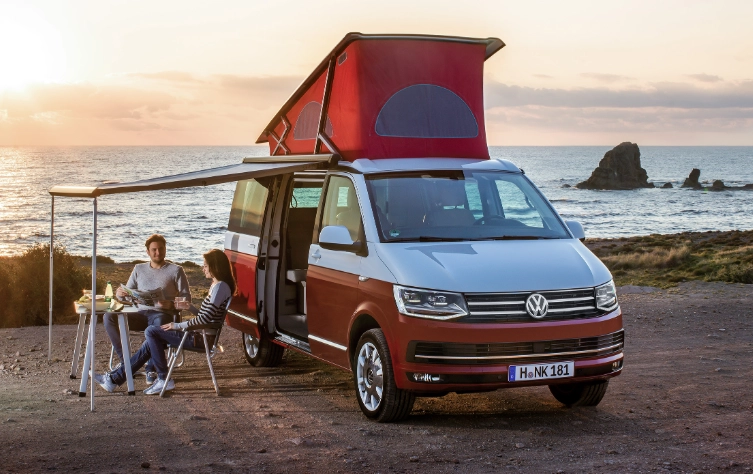
Navigating Rules, Regulations, and Etiquette
This is where you avoid fines and keep the experience good for everyone. California has strict rules, especially around fires and waste.
Waste Water: This is huge. Never, ever dump your gray water (sink/shower water) or black water (toilet) on the ground. It's illegal and gross. Use designated dump stations (find them at many RV parks, some gas stations, and campgrounds). For gray water, use biodegradable soap and scatter it widely over bare soil if you're truly remote, but dumping in a parking lot or campsite is a major faux pas.
Fire Safety: Beyond the permit, know the current fire restrictions. In summer and fall, almost everywhere prohibits wood fires and may restrict gas stoves. Check with the local ranger district. A single spark can cause a catastrophe.
Stealth Camping in Cities: I don't recommend it. Urban camping ordinances are getting stricter due to the homelessness crisis. It's stressful and often illegal. Stick to designated areas or paid RV parks if you need to be near a city.
Budgeting for Your Trip: A Realistic Breakdown
Let's talk numbers. A week of camper van camping in California isn't necessarily cheap, but you can control costs.
| Cost Category | Budget-Friendly Approach | Average Cost (Per Week) |
|---|---|---|
| Van Rental | Book off-season, smaller van, peer-to-peer rental. | $800 - $1,500+ |
| Fuel | Plan efficient routes, drive conservatively. | $250 - $400 (Vans are not fuel-efficient!) |
| Campsites | Mix of free BLM/dispersed camping & occasional paid sites. | $0 - $200 |
| Food | Cook 90% of meals in the van, shop at local groceries. | $150 - $250 |
| Park Fees | America the Beautiful Annual Pass ($80) if visiting >3 National Parks. | $0 - $80 (for pass) |
| Miscellaneous | Laundry, showers (truck stops/state parks), coffee, souvenirs. | $100 - $200 |
| Total Estimated Range | $1,300 - $2,600+ |
The biggest saver? Free camping. The biggest surprise cost? Fuel. Vans, especially loaded ones, might only get 15-18 mpg.
A Sample 10-Day California Camper Van Itinerary
Here's a balanced loop that hits major highlights, mixing paid and free camping. Start and end in Los Angeles.
Days 1-2: Los Angeles to Joshua Tree. Pick up your van, stock up on supplies and water. Drive east to Joshua Tree National Park. Snag a first-come-first-served site at Jumbo Rocks campground (arrive early!) or find BLM land just outside the park entrance. Explore the surreal boulder piles and cholla gardens.
Days 3-4: The Eastern Sierra. A long drive north up US-395. Stop at the bizarre Mono Lake tufa towers. Camp at a developed site in the Inyo National Forest near Mammoth Lakes (reserve ahead) or find dispersed camping off a forest road. Hike or soak in hot springs.
Days 5-6: Yosemite National Park. Enter via the less-crowded Tioga Pass (summer/fall only). This is crown-jewel territory. You must have a reservation if staying in the park. Camp at Tuolumne Meadows. Drive down to the Valley for the iconic views.
Days 7-8: Central Coast & Big Sur. Drive west to the coast. This is pure camper van camping California bliss. Camp at Kirk Creek Campground (booked months ahead) or find first-come spots in Los Padres National Forest. Drive Bixby Bridge, see McWay Falls.
Days 9-10: Hearst Castle & Return to LA. Tour Hearst Castle if you like, then cruise south. Your last night could be at a coastal state park like Carpinteria or a final boondocking spot in Los Padres. Return to LA on Day 10.
Itinerary Tip: This is a fast-paced trip covering big distances. For a more relaxed vibe, cut it in half and focus on either the desert/Sierra leg or the coastal leg. Depth over breadth often leads to better memories.
Frequently Asked Questions (FAQs)
Do I need a special driver's license to rent a camper van in California?
No. A standard driver's license is sufficient for most vans under 26,000 pounds. The rental company will confirm this.
Where do I shower on a long camper van trip?
State park campgrounds often have pay showers. Truck stops (like Pilot/Flying J) sell shower passes ($10-15). Some gym memberships (like Planet Fitness) offer nationwide access. Or, embrace the solar shower bag hung outside your van (privately!).
Is it safe to do camper van camping in California alone?
Generally, yes, especially in established campgrounds and popular dispersed areas. Use common sense: trust your gut, let someone know your plans, lock your doors at night, and avoid isolated urban areas for sleeping. The outdoor community looks out for each other.
Can I bring my pet?
Most rental companies allow pets for a fee. However, many National Parks have severe restrictions on where pets can go (often only paved areas). State parks and BLM land are generally more pet-friendly. Always have a plan for your pet's safety in hot weather (vans heat up fast).
What's the best time of year for a California camper van trip?
There is no single "best" time—it depends on your destination. Coast: Late spring (May-June) or early fall (Sept-Oct) to avoid summer fog and crowds. Mountains: July through September for accessible passes and open campgrounds. Deserts: October through April. Avoid desert trips in summer—it's dangerously hot.
Final Thoughts Before You Go
Camper van camping in California is more than a vacation; it's a way to engage with the landscape on your own terms. The freedom is intoxicating. But the key to that freedom is preparation. Get your van sorted, understand where you can sleep, pack for self-sufficiency, and respect the places you visit.
The memories you'll make—the unexpected whale sighting off the coast, the smell of pine forest in the morning, the silence of the desert at noon—are worth every bit of the planning. It's about the journey as much as the destinations. So start mapping your route, book that van, and get ready. Your California camper van adventure is waiting.
Just don't forget the leveling blocks. Seriously.