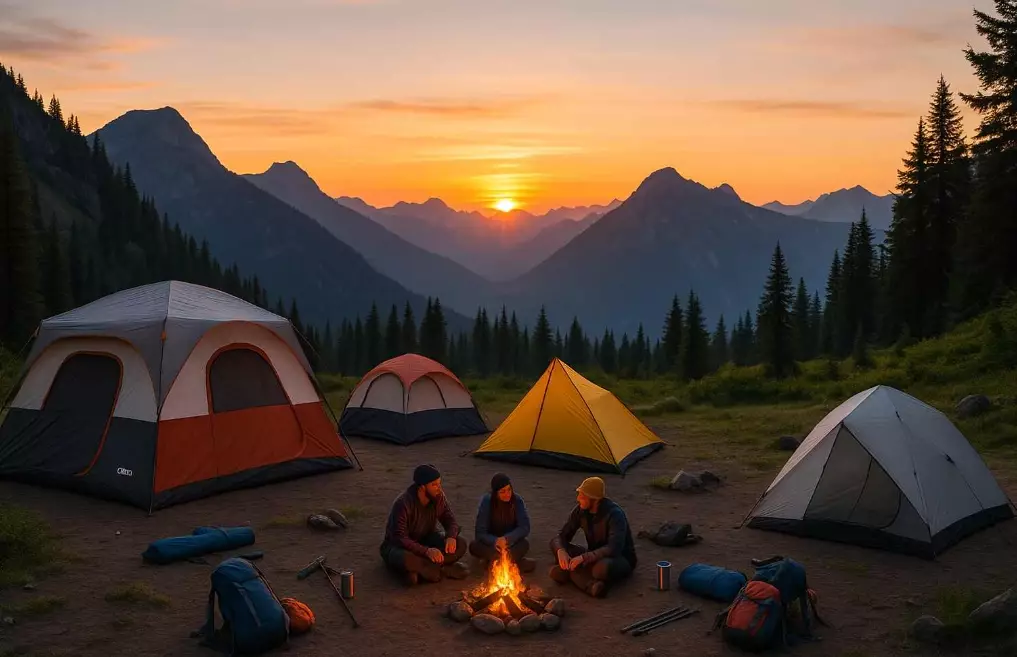
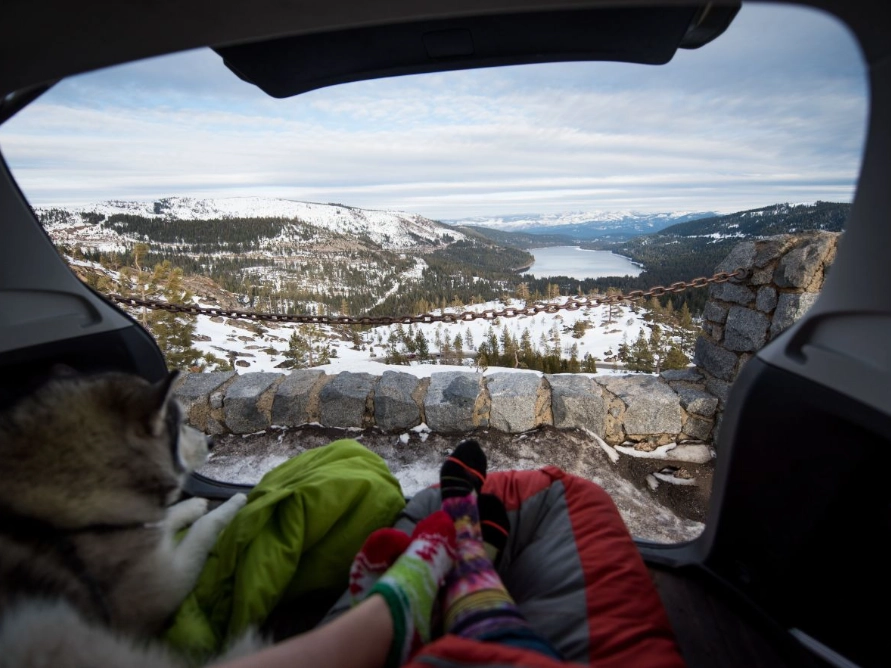
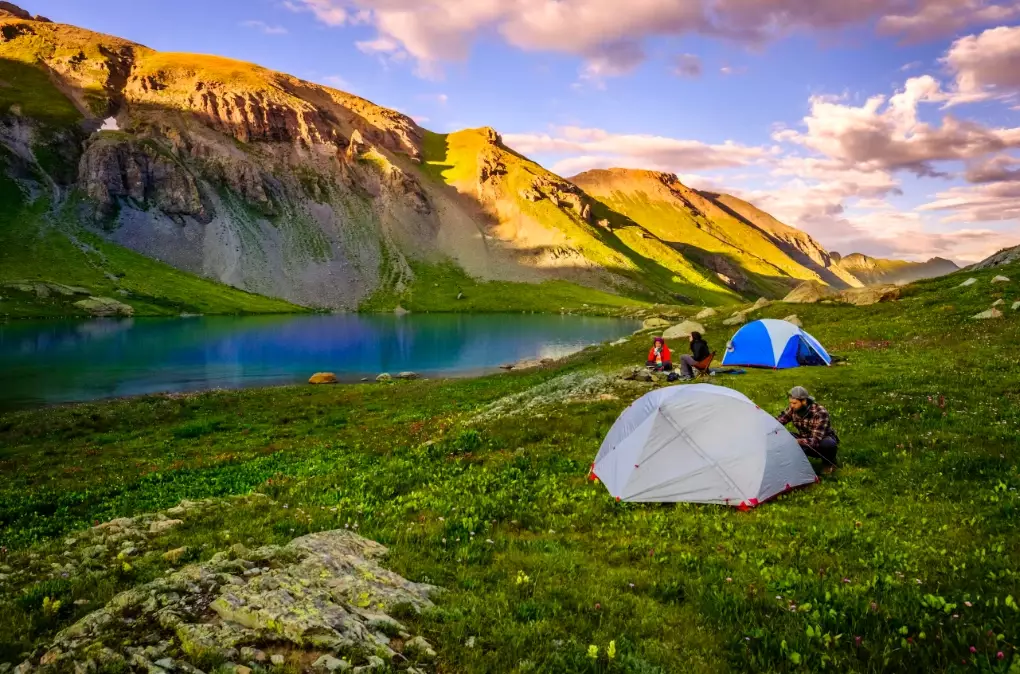
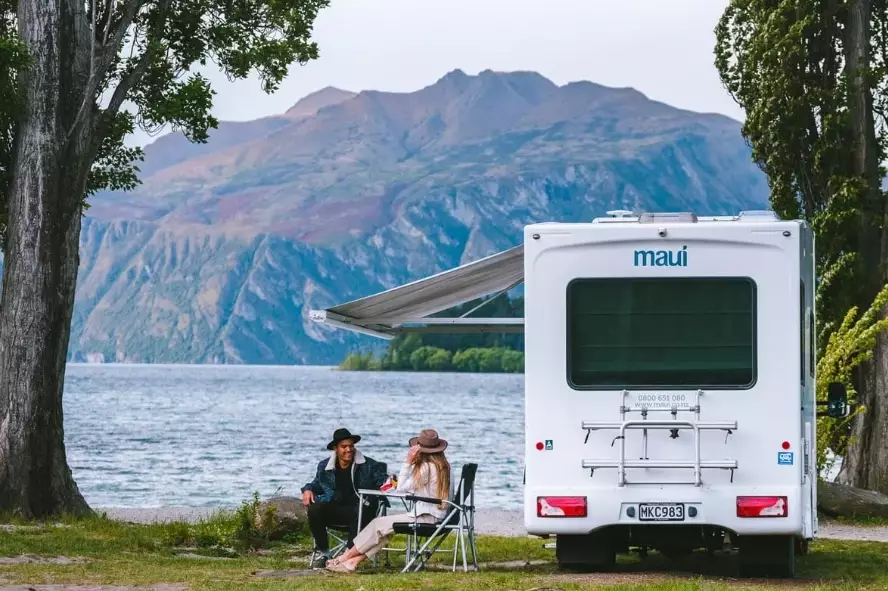
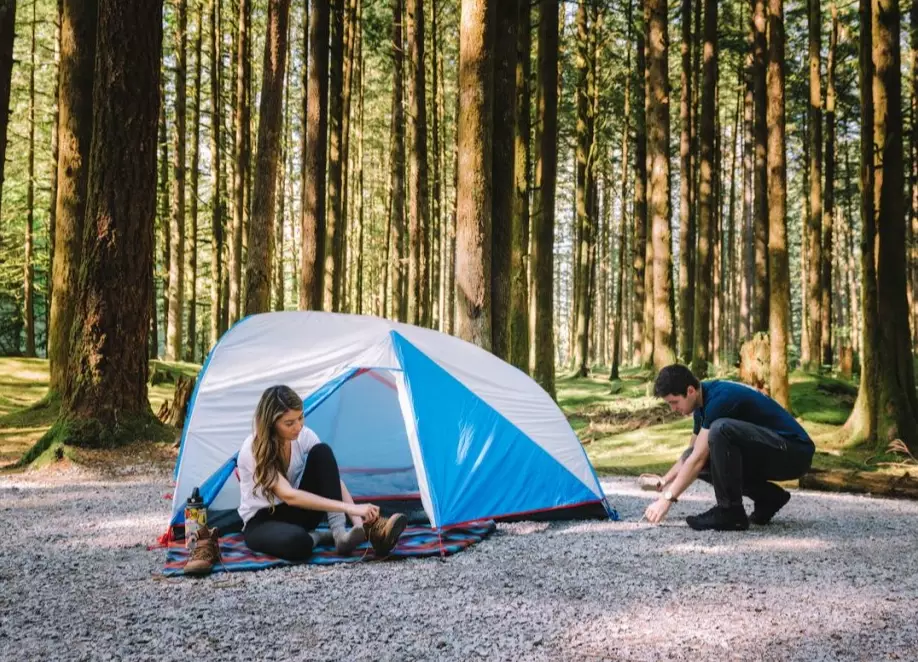
My first time camping in the forest was a disaster. I brought a cheap tent meant for backyard sleepovers, a single thin blanket, and a bag of chips for dinner. I spent the night shivering, listening to every rustle in the leaves, convinced a bear was just outside. I packed up at dawn, defeated. That experience taught me more than any guidebook ever could: forest camping isn't just about throwing gear in a car and heading to the woods. It's a specific skill set. Done right, it's the most profound reset button you can find—the smell of pine, the silence broken only by birdsong, the feeling of being truly away. Done wrong, it's a miserable, potentially risky ordeal. This guide is everything I wish I'd known before that first trip, packed with actionable advice to make your forest adventure unforgettable for all the right reasons.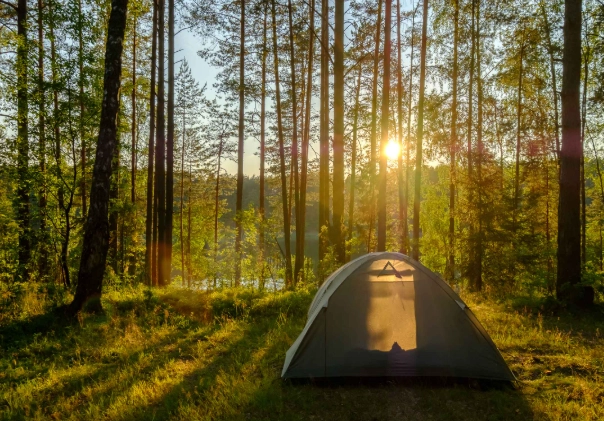
What's Inside This Forest Camping Guide
- Why Choose the Forest Over Other Campsites?
- How to Choose the Perfect Forest Campsite
- The Non-Negotiable Gear for Forest Camping
- Setting Up Your Forest Camp: A Step-by-Step System
- Forest Safety & Wildlife Etiquette You Can't Ignore
- Top Forest Camping Destinations in North America
- Your Forest Camping Questions, Answered by Experience
Why Choose the Forest Over Other Campsites?
You could camp by a lake or in an open field. So why the woods? The reasons go deeper than scenery. A forest environment offers natural shelter from wind and sun, making temperature regulation easier. The canopy provides shade during the day and can trap warmth at night. Scientifically, there's a reason the Japanese practice of Shinrin-yoku or "forest bathing" has gained global traction. Studies, like those referenced by the National Association of Forest Bathing, suggest time among trees can lower cortisol levels, reduce heart rate, and boost mood. It's not just peaceful; it's therapeutic. The forest also concentrates wildlife activity—from birdwatching to spotting deer at dusk—offering a front-row seat to ecosystems you miss in open campgrounds.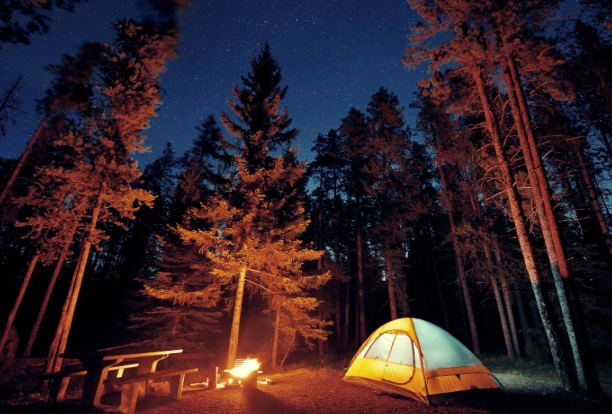
But it has its demands. The ground is often uneven, covered in roots and duff. Light fades faster. Sound behaves differently, sometimes muffled, sometimes amplified. You're playing by the forest's rules, not a campground manager's. That's the trade-off for the deep immersion.
How to Choose the Perfect Forest Campsite
Picking a spot is your first and most critical decision. It's not about finding the prettiest clearing. It's about finding the safest, most sustainable, and most comfortable one. Forget the old "look for a flat spot" advice. That's only step one.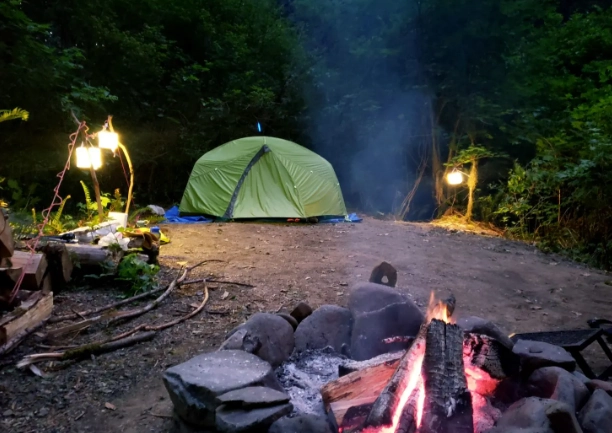
Use this checklist when you scout:
- Look Up First: Are there dead branches ("widowmakers") hanging in the trees above? Move.
- Ground Check: Is the ground relatively flat and free of large roots and rocks? Feel for lumps through your shoe. A sloped site means you'll slide to one side of your tent all night.
- Drainage: Is it on a slight rise? You want rain to run away from you, not through your tent.
- Wind Direction: Feel the breeze. Can you position your tent door away from the prevailing wind? Using a natural windbreak like a cluster of bushes (not single trees) helps.
- Sun Exposure: A spot that gets morning sun will dry dew off your tent faster. Afternoon shade is a blessing in summer.
- Privacy & Impact: Use existing, established campsites if available. If you must create a new one, choose a durable surface like dry grass or forest litter, not live vegetation. The principles of Leave No Trace are non-negotiable in the woods.
The Non-Negotiable Gear for Forest Camping
Your gear list for a forest trip has subtle differences from a general camping list. It's less about luxury and more about resilience and adaptation to a specific environment. You can get by with less, but these items are where you shouldn't cut corners.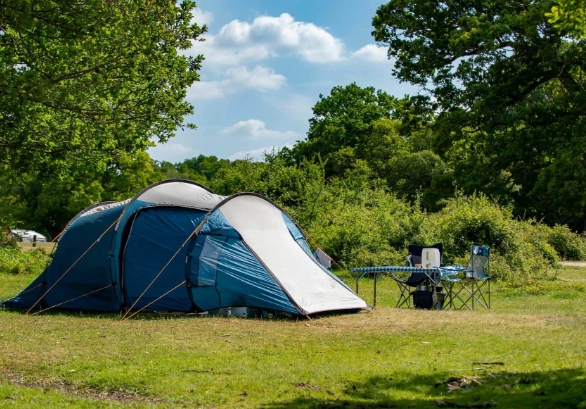
| Item | Why It's Crucial in the Forest | Pro Tip / Common Pitfall |
|---|---|---|
| A Sturdy, Weather-Resistant Tent | Forests are damp. Morning dew is heavy, and rain showers can pop up. A tent with a full-coverage rainfly and a high hydrostatic head rating (e.g., 3000mm+) is key. | Ventilation is just as important as waterproofing. A stuffy tent will condensate on the inside, making everything damp. Always use the vents. |
| Sleeping Pad with High R-Value | The forest floor is a giant heat sink. An inflatable pad with an R-value of at least 3 (4+ for colder seasons) insulates you from the cold ground far better than any air mattress. | Many beginners think a thick air mattress is warm. It's not—it's just air, which gets cold. Insulation is what matters. |
| Reliable Headlamp (plus extra batteries) | Under the canopy, darkness is absolute. Hands-free light is essential for cooking, reading, or navigating to the "bathroom" at night. | Use the red light mode to preserve your night vision and avoid blinding your campmates. It also attracts fewer bugs. |
| Bear-Resistant Food Canister | In many forested areas, especially in bear country, this is mandatory. It protects your food and protects wildlife from becoming habituated. | Even if bears aren't a major concern, raccoons, mice, and other critters are. A simple ratchet-strap barrel or a dedicated canister saves your food. |
| Topographic Map & Compass | GPS devices and phones can fail (dead battery, no signal under dense trees). A physical map and knowing how to use it is your ultimate backup. | Study the U.S. Geological Survey maps for your area before you go. Circle potential water sources and landmarks. |
One more thing: a small, folding handsaw. It's more efficient and safer than an axe for processing dead and downed wood for a campfire (where permitted).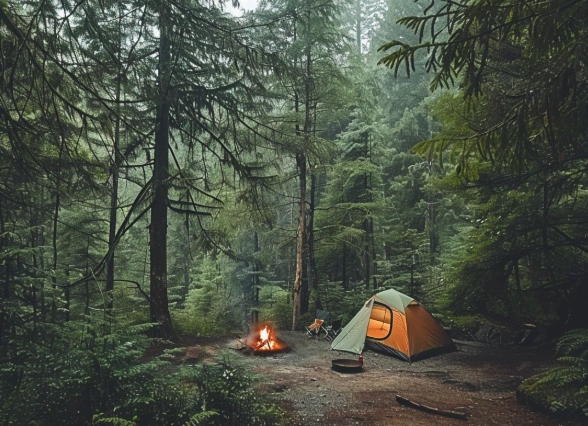
Setting Up Your Forest Camp: A Step-by-Step System
Arriving at your spot, don't just start hammering tent stakes. There's a logical order that saves time and hassle.
1. Scout and Claim (Without Impacting): Walk the area with your checklist from section two. Once you've chosen the exact tent spot, lay your pack down.
2. Kitchen Zone First: Seriously. Before the tent goes up, identify your cooking area. It should be downwind of your tent and sleeping area, at least 100 feet away in bear country. This keeps food smells from permeating your sleeping space. Find a stable, flat rock or clear a small area for your stove.
3. Pitch the Tent: Clear the ground of pinecones and sharp sticks. Lay your footprint or groundsheet. Pitch the tent, ensuring the rainfly is taut and vents are open. I always put my sleeping pad and bag inside immediately, so they start lofting.
4. Establish the "Bathroom": Find a private spot at least 200 feet from camp, trails, and water. For solid waste, dig a cathole 6-8 inches deep. Pack out your toilet paper in a zip-top bag—it's the gold standard now, even if burying it was once the norm.
5. Secure Food & Smellables:
Everything with an odor—toothpaste, sunscreen, snacks, trash—goes in the bear canister. Hang it or store it according to local regulations, far from your tent.
Forest Safety & Wildlife Etiquette You Can't Ignore
Fear shouldn't stop you, but healthy respect is mandatory. Your safety is your responsibility.
Wildlife Encounters
You're in their home. For bears, make noise on the trail (talk, clap) to avoid surprising them. Carry bear spray where appropriate, and know how to use it—it's not a keychain ornament. If you see a bear, speak calmly, back away slowly. Never run.
For smaller animals like raccoons or mice, the rule is simple: don't feed them, intentionally or not. A single dropped cracker teaches them that campsites equal food.
Weather & Getting Lost
Forest weather is micro-climatic. A sunny ridge can be a stormy valley. Check the forecast, but pack for cold and wet anyway. Hypothermia can happen even in summer if you're wet and tired.
If you get disoriented, STOP (Stop, Think, Observe, Plan). Don't wander. Use your map and compass. If you're truly lost, staying put near a water source is often the best advice for searchers to find you. A whistle is more effective than yelling.
Top Forest Camping Destinations in North America
To make this actionable, here are three distinct forest camping experiences. This isn't just a list of parks; it's a guide to the type of forest and what to expect.
1. The Ancient Giants: Redwood National and State Parks, California
Forest Type: Coastal temperate rainforest with the world's tallest trees.
The Vibe: Humbling, quiet, damp. Sunlight barely reaches the floor.
Key Campsite: Jedediah Smith Campground. Sites are nestled among massive redwoods right along the Smith River. Reservations are essential and open 6 months in advance on Recreation.gov. No hookups, but flush toilets and water are available. Waking up among 2,000-year-old trees is an experience that sticks with you.
Pro Tip: Everything is damp. Bring extra tarps and ensure your tent's waterproofing is impeccable. The Simpson-Reed Grove is an easy, less-crowded trail for your first immersion.
2. The Hardwood Haven: Green Mountain National Forest, Vermont
Forest Type: Northern hardwood forest (maple, beech, birch).
The Vibe: Rugged, classic New England, spectacular in fall.
Key Campsite: Moosalamoo Campground near Brandon. First-come, first-served, with a $20/night fee (cash/check). Vault toilets, no showers. It's a quiet basecamp for the extensive trail network. For more solitude, explore the forest's many dispersed camping areas along Forest Service roads—just be sure to follow posted regulations.
Pro Tip: Bug pressure (black flies, mosquitoes) can be intense from late spring to early summer. A head net and permethrin-treated clothing are worth their weight.
3. The High-Altitude Pines: San Juan National Forest, Colorado
Forest Type: High-elevation spruce-fir and aspen forests.
The Vibe: Crisp air, expansive mountain views through the trees.
Key Campsite: Transfer Campground near Pagosa Springs. At 8,000 feet, it's cool in summer. Sites are spacious and wooded. $24/night, reservations on Recreation.gov. Access to the Continental Divide Trail.
Pro Tip: Acclimate to the altitude. Drink twice as much water as you think you need. Afternoon thunderstorms are common—plan to be off high ridges by 1 PM.
Your Forest Camping Questions, Answered by Experience
The forest doesn't care about your plans. It just is. Your job is to adapt, to listen, and to tread lightly. That's where the magic happens—not in conquering nature, but in finding your quiet place within it. Start with a single overnight in a well-reviewed forest campground. Master your system. Then go deeper. The trees are waiting.