Let's be honest. The idea of camping in cold weather can seem daunting, even a little crazy. I remember my first attempt, a November trip where I shivered through the night in a summer sleeping bag, convinced I'd never do it again. But here's the thing – I was completely unprepared. Once you understand the rules of the game, winter camping transforms. The crowds vanish. The silence deepens. The stars feel closer. It's not about enduring misery; it's about mastering a new set of skills for a uniquely rewarding experience.
This guide isn't a list of generic tips. It's the hard-won knowledge from years of four-season camping, including the mistakes you don't have to make. We'll move beyond "wear a jacket" and dive into the physics of staying warm, the non-negotiable gear, and the subtle tricks that make all the difference.
What’s Inside This Guide?
- Why Bother with Cold Weather Camping?
- The Three Non-Negotiable Principles of Winter Warmth
- Cold Weather Camping Gear: The Ultimate Checklist
- How to Layer Clothing: The Art of Staying Dry and Warm
- Choosing and Setting Up Your Winter Campsite
- Cold Weather Camping Safety: Beyond Common Sense
- Your Cold Weather Camping Questions, Answered
Why Bother with Cold Weather Camping?
If you have to ask, you might not be ready. But for those who feel the pull, the rewards are immense. Summer campgrounds are noisy. Winter landscapes are serene, almost private. There's a clarity to the air, a sharpness to the light. Wildlife tracks tell stories in the snow. The challenge itself is satisfying – building a warm, secure home in the cold feels primal and accomplished. It's camping distilled to its essence: self-reliance in a beautiful, quiet world.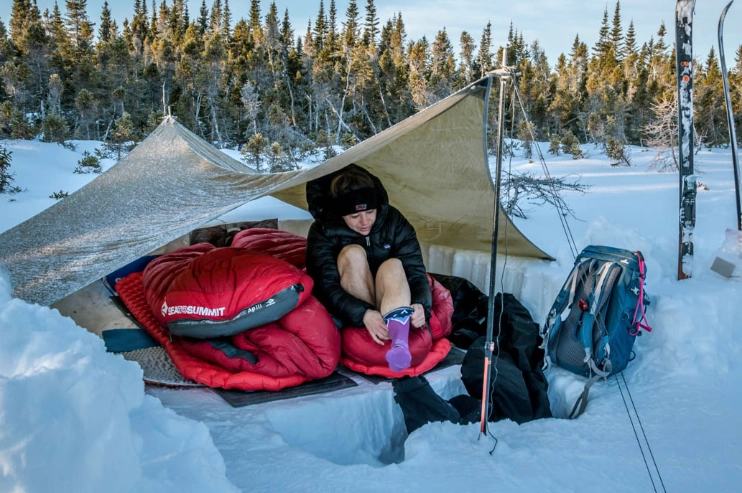
The Three Non-Negotiable Principles of Winter Warmth
Forget fighting the cold. Your goal is to manage your own microclimate. These three principles are your foundation.
1. Moisture is Your Enemy (Even Your Own)
Sweat will freeze you. It's that simple. When you're active, you generate heat and moisture. If that moisture gets trapped in your cotton shirt or, worse, your sleeping bag's insulation, it loses its ability to trap warm air. Once you stop moving, that dampness conducts heat away from your body at an alarming rate. The strategy is always: manage activity to minimize sweating, and use materials that move moisture away from your skin.
2. Insulate Yourself from the Ground
Conductive heat loss is a stealthy thief. The ground is a massive heat sink. Your body weight compresses the insulation in your sleeping bag underneath you, rendering it nearly useless. A high-R-value sleeping pad is not a luxury; it's your primary defense against the cold earth. I learned this the hard way on a 20°F night with a cheap foam pad – my back was cold no matter how thick my bag was.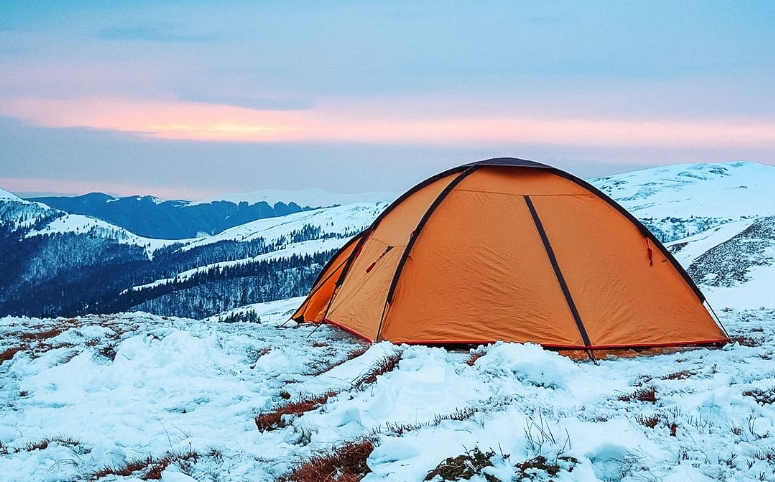
3. Protect Your Core, Your Extremities Will Follow
Your body's priority is keeping your vital organs warm. If your core temperature drops, it restricts blood flow to your hands and feet to conserve heat. The solution isn't just thicker socks. It's making sure your torso is consistently toasty. A warm core means relaxed blood vessels and warm fingers and toes. Start by putting on a hat and an extra insulating layer on your chest before you complain about cold feet.
Cold Weather Camping Gear: The Ultimate Checklist
This isn't your summer kit with an extra sweater. It's a specialized toolset. Here’s a breakdown of what you actually need.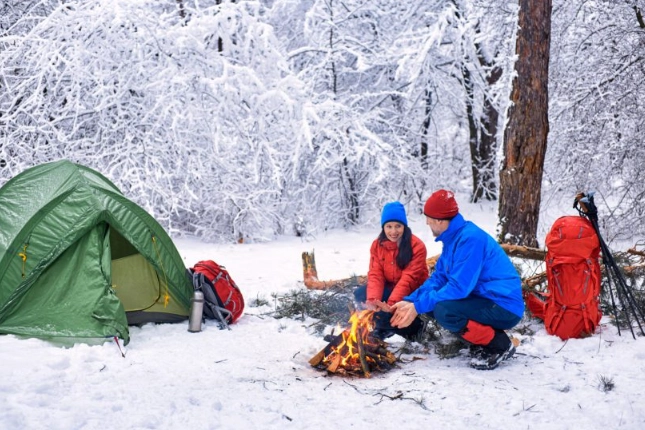
| Category | Essential Items | Key Specs & Notes |
|---|---|---|
| Sleep System | Sleeping Bag, Sleeping Pad, Liner | Bag: Rated 10-15°F lower than expected low. Pad: R-value 5+. Liner adds 5-10°F warmth and keeps bag clean. |
| Shelter | 4-Season Tent, Heavy-Duty Stakes, Footprint | Tent must handle snow load and wind. Stakes for frozen ground (snow stakes or deadman anchors). Footprint protects tent floor. |
| Kitchen | White Gas/Canister Stove, Insulated Bottle, Extra Fuel | Liquid fuel stoves (e.g., MSR WhisperLite) perform better in deep cold. Boil water for a hot water bottle at night. |
| Clothing | Baselayers, Insulating Layers, Shell, Accessories | NO COTTON. Merino wool or synthetic. Down for dry cold, synthetic for wet. Balaclava, thick gloves, spare socks. |
| Extras | Headlamp (Extra Batteries), Multi-tool, First-Aid Kit | Cold drains batteries fast. Include a chemical hand warmer in first-aid for emergency rewarming. |
A personal note on stoves: I swore by canister stoves until a trip in the Rockies where the temperature plummeted. The propane-butane mix just wouldn't vaporize properly. I spent 30 minutes warming the canister in my jacket before I could melt snow for water. Now for any trip forecast below 25°F, my reliable white gas stove is the only thing I pack.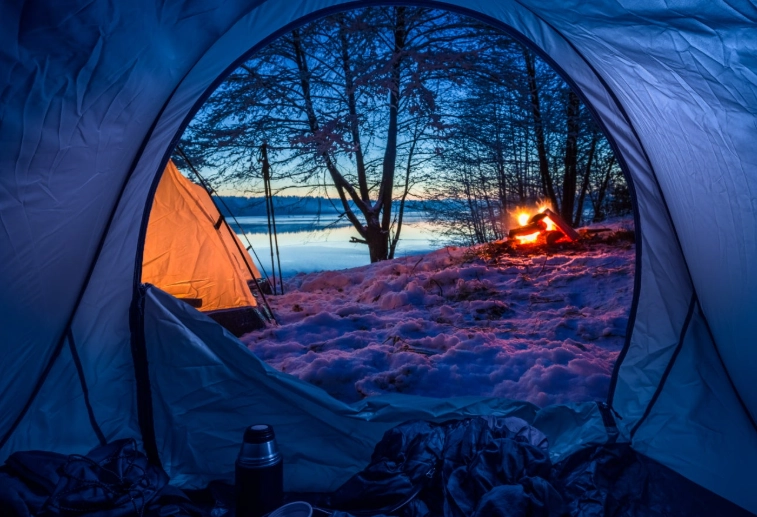
How to Layer Clothing: The Art of Staying Dry and Warm
Layering is a dynamic system, not a static outfit. You're constantly adjusting.
- Baselayer: This is your second skin. Its job is moisture management. Merino wool is fantastic—warm, odor-resistant, and still insulates when damp. Synthetics like polyester work well too and dry faster. Avoid cotton at all costs; it's a sponge that holds moisture next to you.
- Mid-Layer (Insulation): This traps warm air. Fleece jackets are versatile and breathe well. For intense cold, a puffy insulated jacket (down or synthetic) is key. Down is warmer for its weight but loses insulation if wet. Synthetic insulation retains some warmth when damp—better for wetter climates.
- Outer Layer (Shell): This shields you from wind, rain, and snow. A waterproof and breathable hardshell jacket and pants are essential. Look for robust zippers and sealed seams. In dry, cold climates, a windproof softshell can be more comfortable for high activity.
The trick is to add a layer before you get cold, and remove a layer before you start sweating. It feels fussy, but it's the core habit of comfortable winter camping.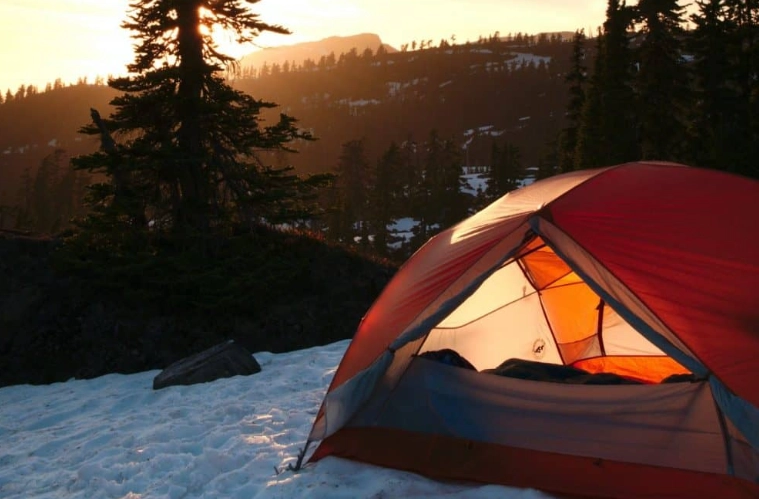
Choosing and Setting Up Your Winter Campsite
Location matters more than ever.
Look for natural windbreaks like a dense line of trees or a rock formation. Avoid valley bottoms where cold air settles—these are known as "frost pockets" and can be 10-15 degrees colder than a midslope site. A slight rise is often ideal. Ensure you're not under dead tree limbs ("widowmakers") that could fall under snow weight.
When you set up your tent, stomp down the snow platform and let it sinter (harden) for 20 minutes before pitching. This creates a firmer base. Use all guy lines to stabilize the tent against wind. Ventilation is critical—crack the vents or doors slightly to allow moisture from your breath to escape. Waking up to frost on the inside of your tent is normal; waking up to dripping condensation is a problem.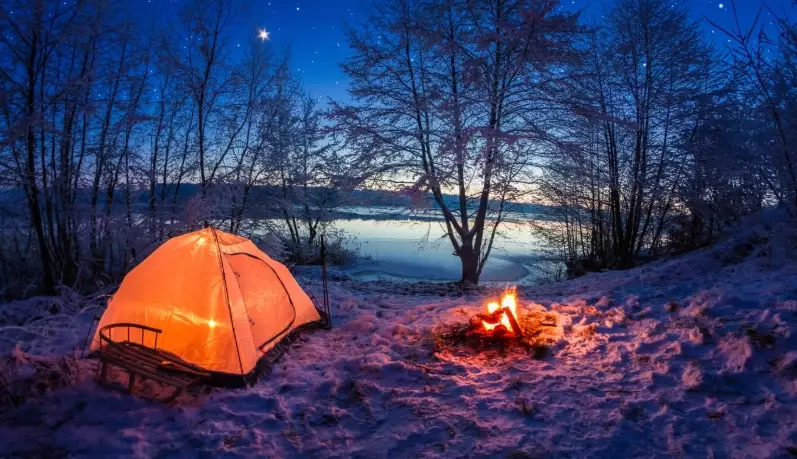
Cold Weather Camping Safety: Beyond Common Sense
Cold adds a layer of risk that demands respect.
Hypothermia starts subtly: uncontrollable shivering, slurred speech, clumsiness, confusion. The treatment is to stop heat loss (get shelter, remove wet clothes) and gently add heat (warm drinks, body-to-body contact, chemical warmers on core). Never rub frostbitten skin or use direct high heat like a fire; you can burn numb tissue. Slowly rewarm in lukewarm water.
Always have a communication device (satellite messenger or PLB) and tell someone your detailed plans and return time. Snow can obscure trails in hours. Carry more food than you think you need—your body burns extra calories just to stay warm. The Centers for Disease Control and Prevention (CDC) emphasizes the importance of recognizing early hypothermia signs and having an emergency plan.
My rule? If the weather forecast includes high winds, heavy precipitation, or a rapid temperature drop, I postpone. The mountains will still be there. Pushing your limits in winter has real consequences.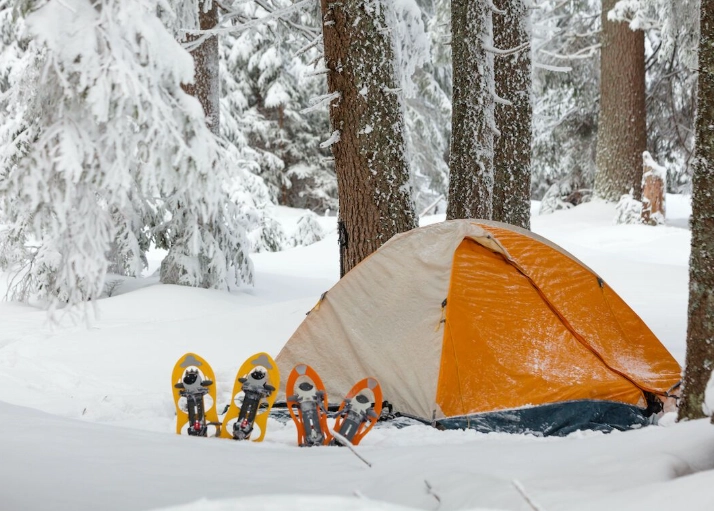
Your Cold Weather Camping Questions, Answered
How do I prevent my water filter from freezing and breaking?
Most modern filters are destroyed if the internal elements freeze. Keep it in a sealed plastic bag inside your sleeping bag at night. During the day, store it in an inner jacket pocket. For absolute reliability in deep cold, consider chemical treatment (iodine/chlorine dioxide tablets) or a dedicated backpacking stove to boil all your drinking water.
What's the biggest mistake people make with their sleeping bag in the cold?
They climb in with the day's clothes on, especially damp base layers. Those clothes are full of moisture from sweat and snowmelt. Change into a dedicated set of dry, loose-fitting sleep clothes (long johns and clean socks) before getting in your bag. This keeps your bag's insulation dry and maximally effective. Also, fluff your bag up well before use to restore its loft.
Can I use a regular 3-season tent for winter camping?
You can, but it's a calculated risk. A 3-season tent is designed for rain and mild wind, not snow load or 40+ mph gusts. In a calm, dry cold snap with no snow forecast, it might be fine. But if snow accumulates on the mesh-heavy roof or a storm rolls in, it can collapse or become unbearably drafty. For consistent winter use, a 4-season tent's stronger poles, fewer mesh panels, and steep walls are worth the investment for safety and comfort.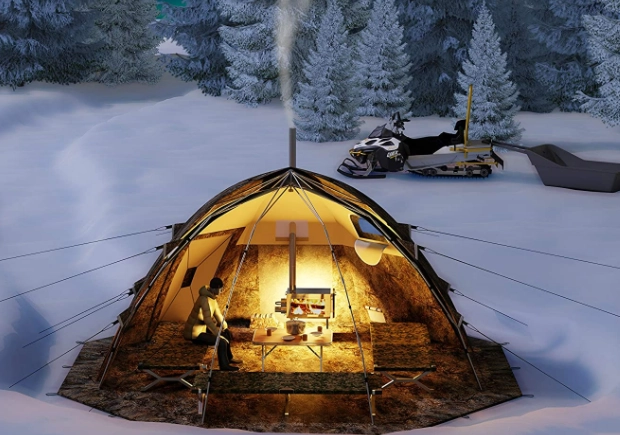
My feet are always freezing at night, even with thick socks. What am I doing wrong?
Thick socks can actually constrict blood flow, making your feet colder. First, ensure your sleeping pad has a high enough R-value (see Principle #2). Second, do some light exercise (like 20 calf raises) right before bed to get blood flowing. Third, wear a loose, clean pair of socks. Finally, place a down jacket or other soft insulation around the footbox of your sleeping bag for extra loft. If all else fails, a Nalgene bottle filled with hot (not boiling) water placed at your feet works wonders.