Quick Navigation
- The Unstoppable Rise of Boondocking and Off-Grid Freedom
- Sustainability: From Buzzword to Road Reality
- Technology: The Invisible Co-Pilot
- The Community: You're Not Alone Out There
- RV Design and Ownership: Smaller, Smarter, and More Flexible
- Your Questions Answered: The RV Camping Trends FAQ
- Looking Down the Road: What's Next for RV Camping Trends?
Let's talk about hitting the road. Not the old way, with crowded campgrounds and strict schedules, but the way people are doing it now. The RV camping scene has totally shifted in the last few years. It's not just about retirement anymore; it's a whole new world of freedom, tech, and community. If you're curious about what's really going on with RV camping trends, you're in the right spot. I've spent a fair bit of time on the road myself, and I've watched these changes up close. Some are brilliant, some are a bit overhyped, but all of them are reshaping how we think about travel.
Gone are the days when RVing was just a simpler version of a hotel stay. Now, it's a lifestyle choice, driven by a desire for independence and a deeper connection with places. The pandemic sure gave it a huge push—when planes felt risky and hotels were closed, a lot of people saw their vehicle as a safe bubble. But even as the world opened up, that desire to roam on your own terms stuck around. It evolved. Today's RV camping trends are a mix of practicality, sustainability, and a good dose of internet-inspired dreaming.
So, what are you actually going to find out here? We're going to dig into the real stuff. The move away from crowded parks to wild, quiet spots (they call it boondocking). The quiet revolution of solar panels and lithium batteries that let you stay off-grid for weeks. How technology, from apps to Starlink, is making remote work from a canyon floor not just possible, but pleasant. And maybe most importantly, the communities that have sprung up, both online and in person, to support this new wave of nomads. This isn't a surface-level list; it's a deep dive into the Rv camping trends that matter right now, with the good, the bad, and the "you-really-should-know-this-before-you-go" details.
The Unstoppable Rise of Boondocking and Off-Grid Freedom
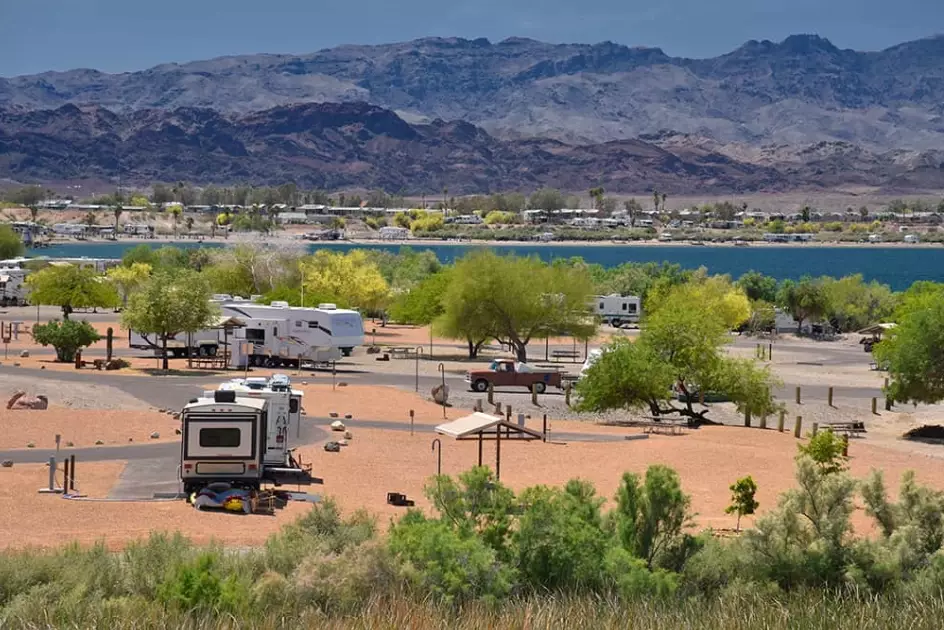
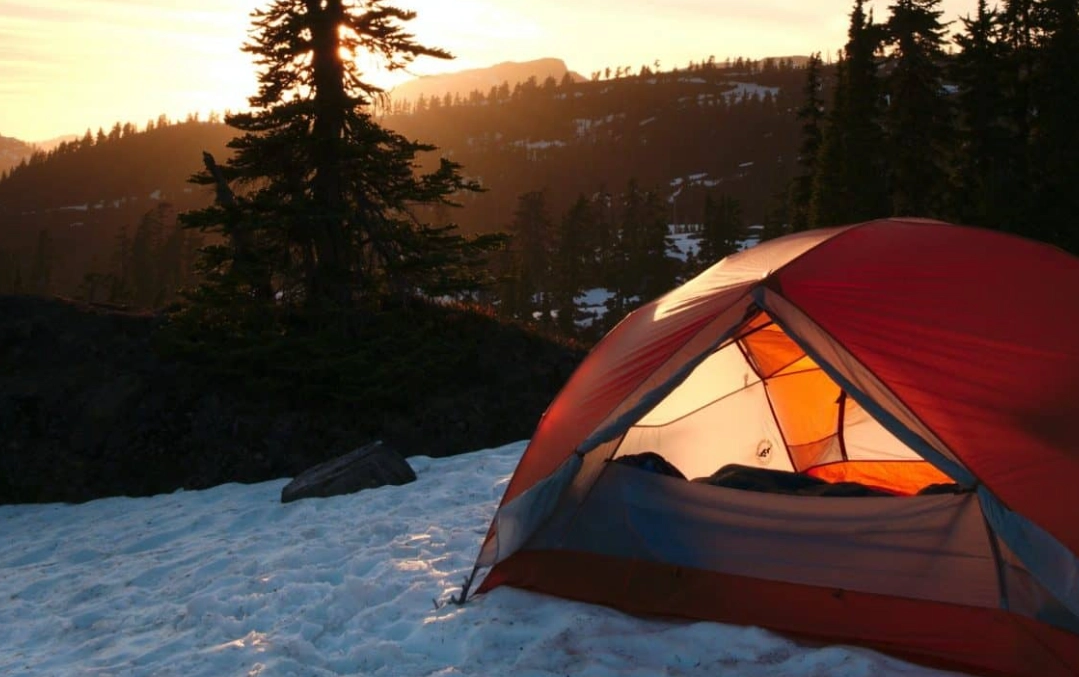
This is the big one. If you follow any RV social media, you've seen the pictures: a van or a trailer parked on a vast, empty stretch of public land with a stunning sunset in the background. No hookups, no neighbors on top of you, just... space. That's boondocking, or dry camping, and it's at the absolute heart of current RV camping trends.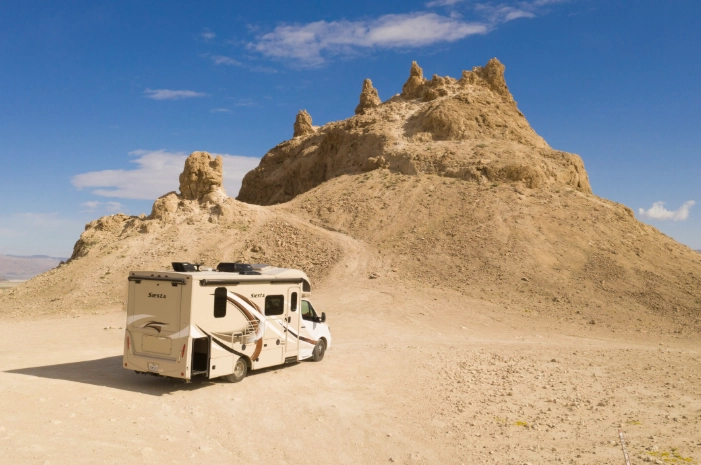
Why the surge? It's simple. People are craving authenticity and solitude. After years of being packed into cities and following itineraries, the appeal of choosing your own backyard for the night is powerful. It's also, often, free or very low cost. Agencies like the Bureau of Land Management (BLM) and the U.S. Forest Service manage millions of acres where dispersed camping is permitted, usually for up to 14 days at a spot. This isn't a secret anymore—apps like Campendium and iOverlander have made finding these spots accessible to everyone.
But here's the thing they don't always show in the glamour shots: boondocking requires a shift in mindset and preparation. You are your own utility company. This brings us to the most critical supporting trend within this trend: the off-grid power revolution.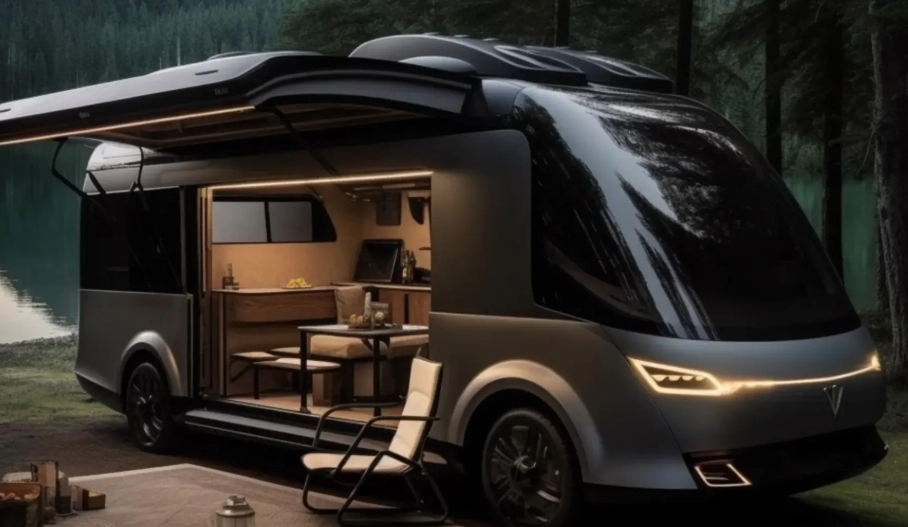
Powering Your Paradise: Solar and Lithium Batteries
You can't talk about modern boondocking without talking about power. The old-school method involved loud, fume-spewing generators. Not exactly peaceful. The game-changer has been the combination of affordable solar panels and Lithium Iron Phosphate (LiFePO4) batteries.
Solar panels have gotten cheaper and more efficient. People are mounting them rigidly on roofs or carrying portable suitcase-style panels to chase the sun. The real magic is in the batteries. Compared to traditional lead-acid, lithium batteries are lighter, last much longer (thousands of cycles), can be discharged almost completely without damage, and charge way faster. This means you can run a fridge, lights, a fan, and even a laptop all day and night from power you harvested from the sun.
It's a self-sufficient loop that perfectly enables the boondocking dream. The RV Industry Association has noted a sharp increase in RVs being pre-equipped with solar from the factory, responding directly to this demand. It's no longer a niche upgrade; it's becoming a standard expectation for serious travelers.
Of course, this freedom comes with responsibility. The popularity of these beautiful, free spots has led to issues like litter and waste dumping. The trend now is towards a strong ethos of "Leave No Trace." Pack out everything you pack in, be mindful of your impact, and respect the land that's granting you this incredible experience. It's a non-negotiable part of the new RVing code.
Sustainability: From Buzzword to Road Reality
Speaking of responsibility, the broader green movement has firmly parked itself in the RV world. This is more than just solar panels. We're talking about a holistic look at how to travel with a lighter footprint. It's one of those RV camping trends that's both practical and ethical.
Water is gold when you're off-grid. Greywater (from sinks and showers) and blackwater (from the toilet) management are huge points of focus. Many new RVers are installing composting toilets, which use no water and turn waste into usable compost, eliminating the blackwater tank entirely. For greywater, the rule is simple: if you wouldn't drink it, don't dump it on the ground. Simple, biodegradable soaps are a must, and some rigs are built with dedicated greywater tanks for proper disposal at dump stations.
Then there's consumption. The tiny space of an RV forces you to think about what you really need. This minimalism naturally leads to less waste. You buy less packaged food because storage is tight. You fix things instead of replacing them. You're more aware of every gallon of water and every watt of power. It's a crash course in conscious living.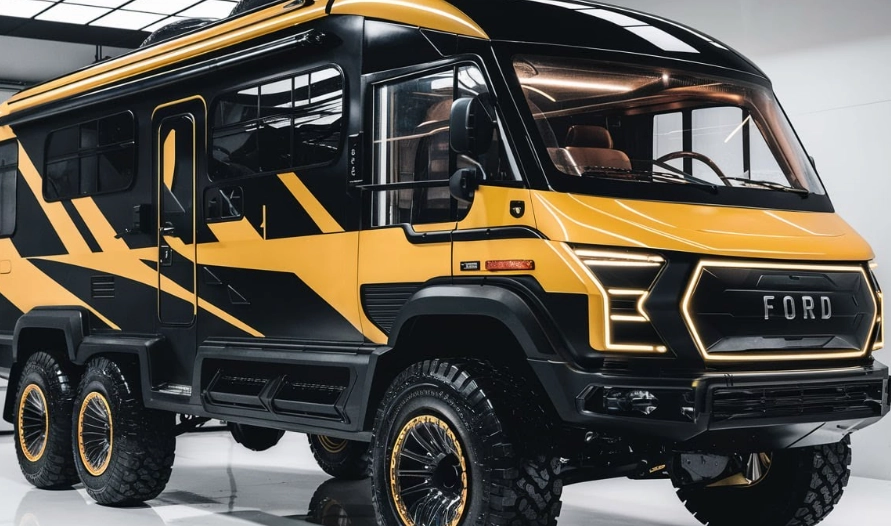
Even the vehicles themselves are getting a green look. While all-electric RVs are still on the horizon for most, there's growing interest in more fuel-efficient tow vehicles and smaller, lighter trailers that don't guzzle as much gas. The dream of a fully solar-powered, electric-drive RV is the holy grail for many in the community, and prototypes are getting closer to reality.
The irony of driving a large, gas-powered vehicle to find a pristine natural spot isn't lost on anyone. It's the central tension of this lifestyle. The trend is about mitigating that impact as much as possible—staying longer in one place ("slow RVing"), using renewable energy on-site, and being hyper-conscious of waste. It's about progress, not perfection.
Technology: The Invisible Co-Pilot
This might seem counterintuitive. Isn't RVing about getting away from screens? For some, yes. But for the new generation of remote workers and digital nomads, technology is the very thing that enables the escape. It's the ultimate paradox of modern RV camping trends.
Connectivity is king. Starlink, SpaceX's satellite internet service, has been a monumental game-changer. It provides high-speed, low-latency internet from almost anywhere. I've seen people taking video calls from the middle of the Mojave Desert. This has blown the doors off remote work and made full-time travel a viable option for millions, not just the retired or the trust-fund kids. It's expensive, but for those who need reliable internet for work, it's a non-negotiable business expense.
Beyond the internet, apps have become the nervous system of trip planning and navigation.
- Campendium & iOverlander: For finding campsites (both paid and free), reading reviews, and seeing photos.
- RV Life & AllStays: For trip routing that considers your RV's height and weight, and locating propane, dump stations, and laundromats.
- GasBuddy: For finding the cheapest fuel along your route—a critical cost saver.
And inside the RV, smart home tech is creeping in. Voice-controlled lights, smart thermostats you can adjust from your phone before you return to a hot rig, and tank monitors that send alerts to your phone are becoming common. It's about comfort, convenience, and peace of mind.
| Tech Need | Old Way | New Trend (The Game Changer) | My Take |
|---|---|---|---|
| Internet | Campground Wi-Fi (unreliable), Cellular Hotspot (spotty) | Starlink Satellite | Revolutionary for workers. Overkill for weekenders just wanting to disconnect. |
| Navigation | Paper maps, generic GPS | RV-Specific Apps (RV Life) with height/weight/low bridge alerts | An absolute safety essential. Worth every penny to avoid a costly mistake. |
| Power Management | Guessing, manual battery checks | Bluetooth Battery Monitors (Victron, Renogy) with detailed app data | Takes the anxiety out of off-grid power. You know exactly what you have left. |
| Finding Camps | Guidebooks, word of mouth | Crowdsourced Apps (iOverlander) with real-time updates and photos | Incredible resource. But remember, a popular spot on an app might not be quiet anymore. |
The downside? You can feel tethered. The pressure to be "always on" for work or to post the perfect sunset shot can follow you. The key trend within the trend is learning to set boundaries—to turn the tech off and just be there, in the moment, in that beautiful place you worked so hard to reach.
The Community: You're Not Alone Out There
One of the most beautiful aspects of these evolving RV camping trends is the sense of community. It might seem like a solitary pursuit, but it's anything but. The rise of social media platforms, especially Instagram and YouTube, has created a massive virtual water cooler for RVers. People share tips, troubleshoot problems, and inspire each other with their journeys.
This has spawned real-world gatherings. Events like the Escapade by Escapees RV Club or the various "Vanlife" meetups in places like Slab City, California, or Quartzsite, Arizona, draw thousands. They're part rally, part educational seminar, part social club. For newbies, they're invaluable for learning the ropes from experienced folks.
There's also a trend towards niche communities. You have groups for solo women RVers, for families traveling with kids ("roadschooling"), for pet owners, for fans of a specific brand of van or trailer. This targeted support is powerful. It answers specific questions and concerns that generic forums can't.
This community aspect directly tackles one of the biggest fears for people considering the lifestyle: isolation. The trend shows that while you have the freedom to be alone, you also have a ready-made, supportive network whenever you need it, whether online or at the next campground over.
RV Design and Ownership: Smaller, Smarter, and More Flexible
The vehicles themselves are changing to meet these new trends. The gargantuan, bus-like Class A motorhomes will always have their place, but the growth is in smaller, more agile, and more versatile options.
The Vanlife Phenomenon
Promoted heavily on social media, the converted van (Sprinter, Transit, Promaster) is the poster child of modern nomadic cool. Their appeal is their stealth and agility. They can fit into a normal parking spot, get better fuel mileage, and access places larger RVs can't. The DIY conversion trend empowers people to build a space exactly for their needs, which is incredibly satisfying. The downside? Space is extremely limited, and the build process can be a marathon of stress and expense.
Lightweight Travel Trailers and Truck Campers
For those who don't want to drive their home everywhere, small, lightweight trailers that can be towed by SUVs or even some larger cars are booming. Brands like Airstream (the classic) and newer ones like Happier Camper are focusing on clever, modular interiors that maximize space. Truck campers, which sit in the bed of a pickup, offer the ultimate in go-anywhere capability—once you detach the camper, your truck is free to explore rough roads.
The overarching design trend is multi-functionality. Tables become beds, couches have massive storage underneath, and every inch is considered. It's less about replicating a house and more about creating a highly efficient basecamp for adventure.
What's Overrated in Current RV Trends?
Let's be honest for a second. Not every trend is a winner. The obsession with ultra-minimalist, all-white, "Instagram-ready" van interiors is one. They look stunning in photos but are impractical for real life. Dirt, mud, and gear happen. A little color and durable, easy-clean materials are your friends. Another is the rush to buy the most expensive lithium/solar setup before your first trip. Start simple. See what you actually need. You might find a modest setup works perfectly for your style.
Your Questions Answered: The RV Camping Trends FAQ
Looking Down the Road: What's Next for RV Camping Trends?
So where is all this heading? The trends point towards even greater integration of technology and sustainability. We'll see more RVs come from the factory "off-grid ready." Vehicle electrification will slowly trickle into the RV market, reducing the travel carbon footprint. I also think we'll see a correction in the social media-driven "vanlife" hype, with a move towards more realistic portrayals of the lifestyle—the breakdowns, the bad weather days, the logistics—alongside the beautiful sunsets.
The core desire—for freedom, flexibility, and a deeper connection to the world outside our door—isn't going away. The Rv camping trends we see today are just tools and expressions of that desire. They make it more accessible, more comfortable, and more connected than ever before.
The best advice? Use these trends as a menu, not a mandate. Pick the ones that serve your dream. Want to boondock but hate the idea of a composting toilet? That's okay—plan trips near dump stations. Dream of a van but need to work online? Budget for Starlink. The beauty of modern RVing is that it's customizable. The trends have given you options. Your adventure is yours to build.
Now, the real question is: where will your first stop be?