Quick Navigation: What You'll Find Here
Car camping is my favorite way to enjoy the outdoors without sacrificing comfort. You drive up, unload your gear, and set up camp right next to your vehicle. It's accessible, flexible, and perfect for beginners or families. But here's the thing: I've seen too many people show up unprepared, ruining their trip with missing essentials. After a decade of car camping across national parks like Yosemite and remote BLM lands, I've refined a checklist that covers everything from shelter to sanity. This guide dives deep into the must-haves, backed by personal experience and practical advice you won't find in generic lists.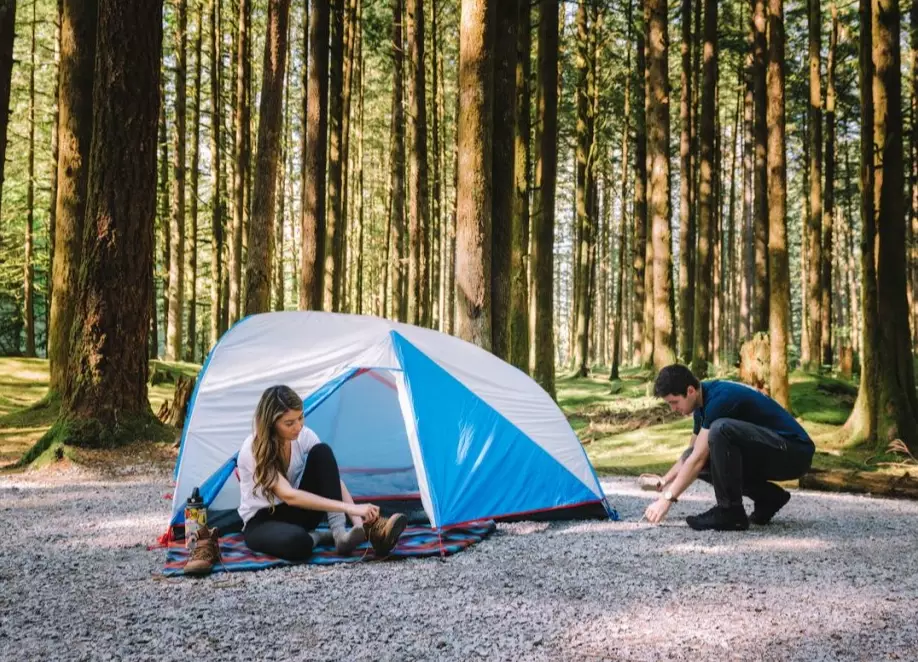
What is Car Camping and Why Essentials Matter?
Car camping means you park your vehicle at or near your campsite, so you're not hauling gear on your back. It's different from backpacking—you can bring more stuff, focus on comfort, and even include luxuries like a cooler full of fresh food. But that freedom can backfire if you pack randomly. Essentials matter because they ensure safety, comfort, and efficiency. Forget a sleeping pad, and you'll spend a night shivering on cold ground. Skip a headlamp, and fumbling in the dark becomes a hazard. The goal isn't to overpack but to bring items that serve multiple purposes and address real needs. According to the National Park Service, proper planning reduces environmental impact and enhances safety, so starting with a solid checklist is key.
The Complete Car Camping Essentials Checklist
This isn't just a list; it's a curated selection based on trial and error. I've organized it by category, with specifics on why each item matters and what to look for. Use the table below as a quick reference, but read on for nuances like brand recommendations and cost-saving alternatives.
| Category | Essential Items | Why It's Important | Recommended Types/Brands |
|---|---|---|---|
| Shelter | Tent, footprint, rainfly, stakes | Protection from weather and insects; a footprint extends tent life. | REI Co-op Half Dome for durability; Coleman for budget options. |
| Sleep System | Sleeping bag, sleeping pad, pillow | Insulation and comfort; pad R-value matters for cold ground. | Therm-a-Rest pads (R-value 4+); Kelty bags for temperature ratings. |
| Cooking Gear | Camp stove, fuel, cookware, utensils, cooler | Enables meal prep; cooler keeps food safe (aim for 40°F or below). | Jetboil for speed; Yeti or RTIC coolers for ice retention. |
| Lighting | Headlamp, lantern, extra batteries | Hands-free light for tasks; lantern creates ambient camp light. | Black Diamond headlamps; Luci solar lanterns. |
| Clothing | Layers, rain jacket, sturdy shoes | Adapts to temperature changes; waterproof layers prevent hypothermia. | Merino wool base layers; Patagonia rain shells. |
| Safety & First Aid | First aid kit, fire extinguisher, map, whistle | Handles minor injuries; navigation tools prevent getting lost. | Adventure Medical Kits; Garmin inReach for remote areas. |
| Comfort Extras | Camp chairs, table, rug, entertainment | Enhances relaxation; a rug keeps dirt out of tent. | Helinox chairs for portability; ENO hammocks for lounging. |
Notice I didn't include a fancy tent as top priority. Many beginners splurge there, but in car camping, your sleep system and cooking setup often make or break the experience. I learned this the hard way on a trip to Utah's Canyonlands: my cheap sleeping bag left me freezing, even with a decent tent. Invest in a bag rated 10°F lower than expected lows, and pair it with a pad that has an R-value of at least 4 for cold weather.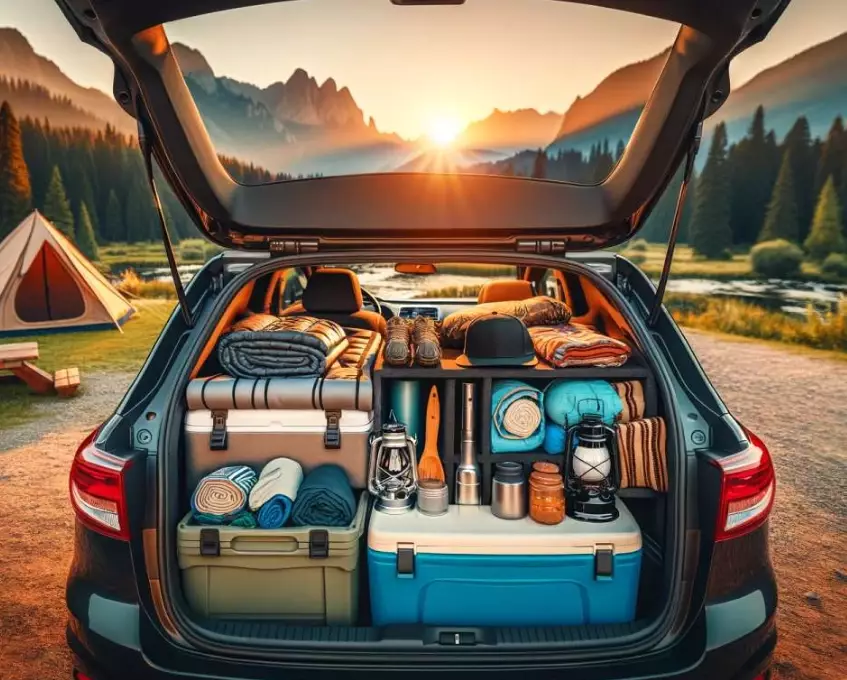
Breaking Down the Sleep System: A Common Oversight
Most lists gloss over sleep details, but it's where people mess up. Your sleeping bag's temperature rating is a survival limit, not a comfort level. If nights will drop to 30°F, get a 20°F bag. For pads, foam ones are cheaper but bulky; inflatable ones pack small but can puncture. I mix both: a closed-cell foam pad under an inflatable one for extra insulation. Brands like NEMO and Big Agnes offer integrated systems, but they're pricey. For budget-friendly options, check out Teton Sports on Amazon—their bags punch above their weight.
How to Choose the Right Gear for Your Trip
Your essentials shift based on season, location, and group size. Car camping in Florida's summer heat differs from a Colorado fall trip. Here's a quick guide:
- Summer Camping: Focus on bug protection (screen tent, repellent), shade (pop-up canopy), and hydration (extra water containers). A battery-powered fan can be a game-changer in humid areas.
- Winter Camping: Insulation is key—upgrade to a four-season tent, sub-zero sleeping bag, and thermal layers. Bring a shovel for snow and check road access, as some sites close.
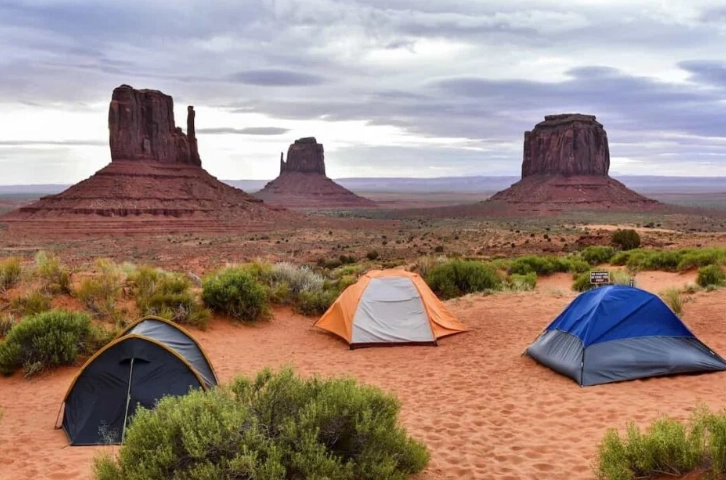
- Desert Trips: Water storage is critical; plan for 1 gallon per person daily. Sun protection (hat, sunscreen) and a reflective tarp for shade are musts. I once underestimated the Mojave sun and ended up with heat exhaustion—now I always pack electrolyte tablets.
- Forest Camping: Rain gear and waterproof bags are essential. A tarp overhead keeps rain off your cooking area. Bear-resistant containers may be required in areas like Yellowstone.
Group size matters too. For families, add kid-friendly items like glow sticks for night safety and extra snacks. Solo campers can prioritize compact gear, but don't skimp on safety—always share your itinerary with someone.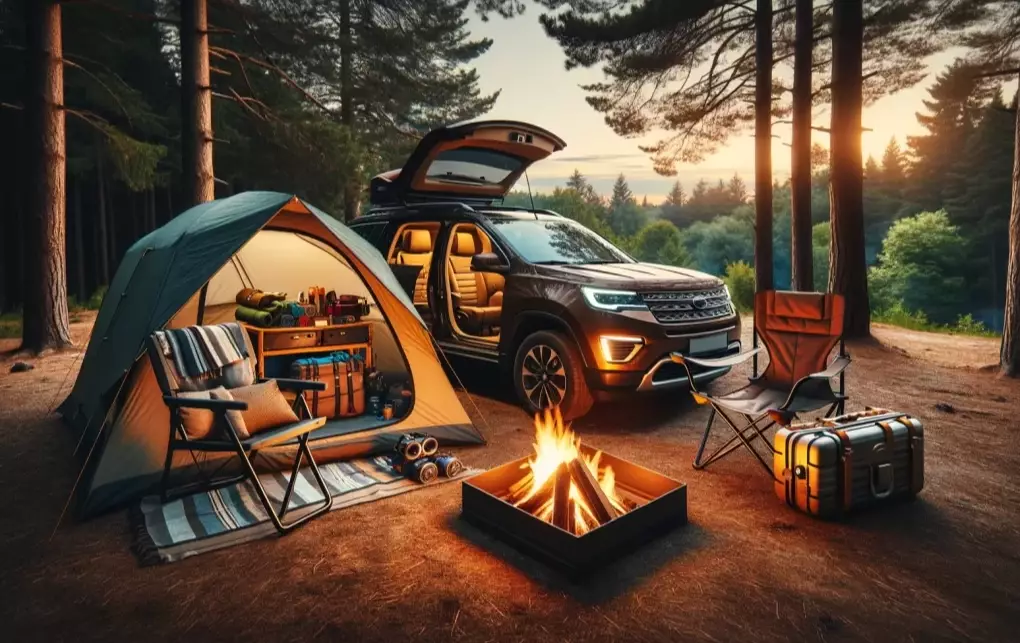
Expert Tips and Common Mistakes to Avoid
After years of guiding trips, I've noticed patterns. Here are mistakes even seasoned campers make, plus my non-obvious advice.
Another subtle error: not testing gear before leaving. Set up your tent in the backyard. Check stove fuel levels. I learned this when my new pump failed on a sleeping pad at midnight—now I always do a trial run. Also, many ignore car maintenance. Ensure your vehicle's tires, fluids, and spare are in shape. A flat tire in a remote area can strand you.
For packing, use a system. I categorize items into bins: kitchen, sleep, clothing. It speeds setup and prevents lost items. Label bins with duct tape. When loading the car, place frequently used items like chairs and coolers last, so they're accessible first.
Lighting is often an afterthought, but it shouldn't be. A headlamp with a red light mode preserves night vision and doesn't attract bugs. Hang a lantern from a tree branch to illuminate the whole site. I skip expensive options here—a $20 solar lantern from Home Depot works fine.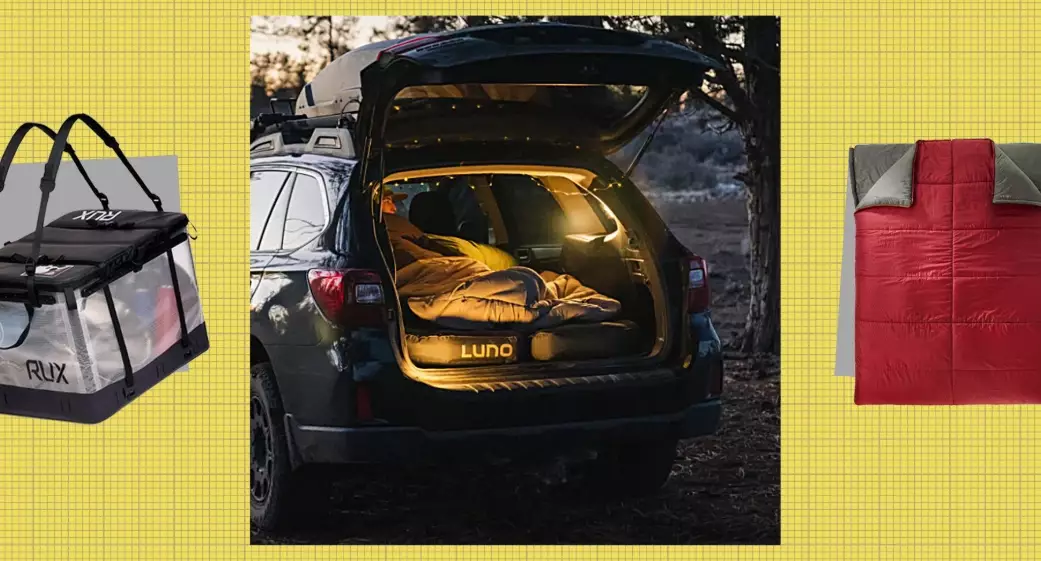
FAQ: Solving Your Car Camping Dilemmas
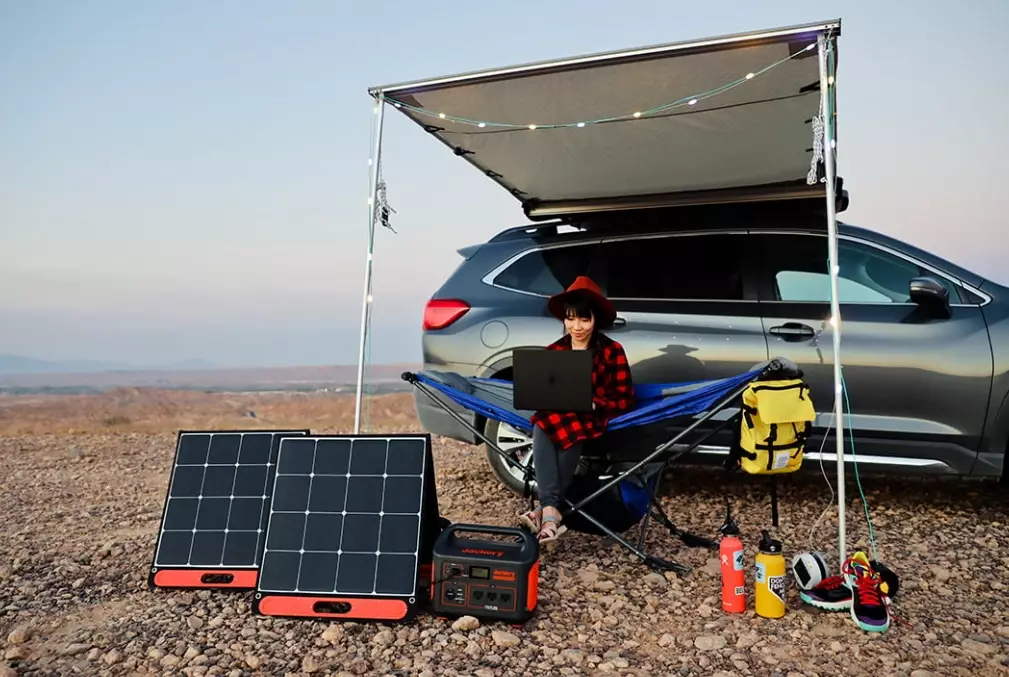 Is it worth investing in expensive camping gear for car camping, or can I use cheaper alternatives?
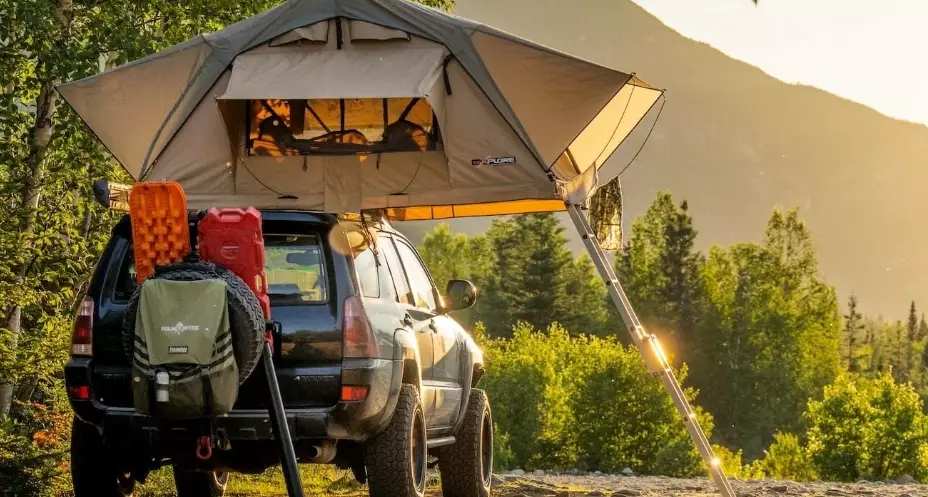 Car camping essentials boil down to preparation and adaptability. Start with this checklist, tweak it for your needs, and remember that the best trips come from learning as you go. I still forget things sometimes—last year, I left my coffee mug and had to use a pot—but that's part of the adventure. Pack smart, stay safe, and enjoy the simplicity of life on the road.