Let's be honest. Most of us have been there: staring at a near-empty water jug on day two of a three-day trip, a sinking feeling in your gut. You ration sips, skip cleaning, and the fun evaporates faster than a puddle in the desert sun. The common advice? "Just bring more water." That's a band-aid, not a solution. It's heavy, it's a hassle, and it doesn't teach you anything. Real camping water conservation isn't about deprivation; it's about smart management. It's the skill that turns a stressful resource scramble into a confident, light, and low-impact adventure. Whether you're at a developed campground or deep in the backcountry, how you handle your H2O defines your trip. This guide cuts through the generic tips to give you a practical, step-by-step system for making every drop count.
What's Inside This Guide?
Why Water Conservation is Non-Negotiable for Campers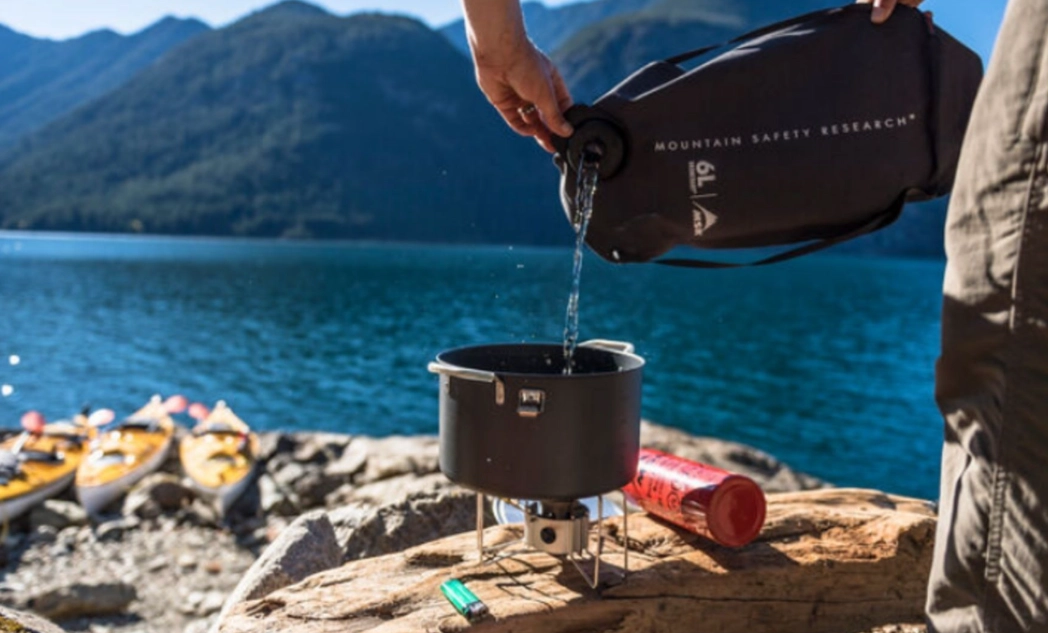
It's not just about saving a trip from disaster. The reasons are layered, impacting you, the environment, and other campers.
Your Safety and Comfort: Water is your number one priority. Dehydration creeps up fast, causing headaches, fatigue, and poor judgment. Conserving water means you have a reliable reserve for drinking, which is non-negotiable. It also means you can afford to wash your hands, clean a pot, or even have a quick rinse without guilt.
Environmental Impact: This is the big one that often gets glossed over. Popular camping areas suffer from overuse. Excessive water drawing from natural sources can stress fragile ecosystems. Improper disposal of soapy water (greywater) pollutes streams and soil, harming aquatic life. The U.S. Forest Service guidelines for Leave No Trace principles explicitly call for minimizing water use and carrying water 200 feet away from sources for washing.
Logistical Freedom: Carry less weight. A gallon of water weighs 8.34 pounds. If you can cut your planned water carry by 3 gallons for a weekend, that's 25 pounds you're not hauling from the car or on your back. That energy is better spent hiking and enjoying the view.
The Planning Stage: Your Pre-Trip Water Blueprint
Fail to plan, plan to fail. This is where most water woes start. Don't just guess.
The 1-2-3 Rule: A Realistic Daily Budget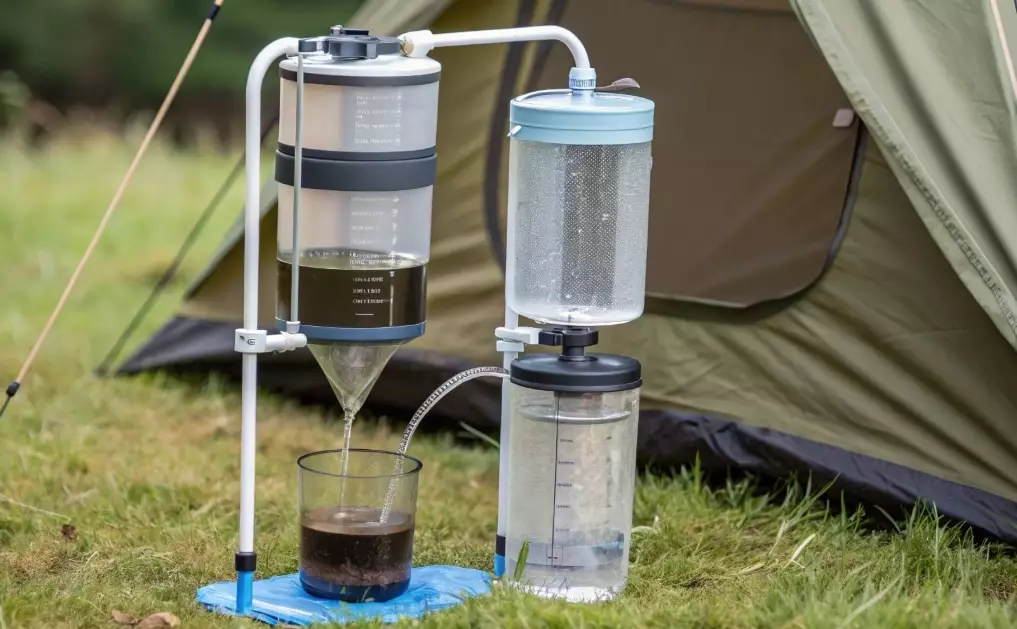
Forget the old "one gallon per person per day" rule. It's too vague. Break it down by use:
| Use Case | Conservative Estimate | Luxury/High Activity Estimate | Pro-Tip for Reduction |
|---|---|---|---|
| Drinking & Cooking | 2 liters (0.53 gal) | 4+ liters (1+ gal) | Hydrate well before hikes. Use insulated bottles to keep water cool and appealing. |
| Cleaning (Dishes, Hands) | 1 liter (0.26 gal) | 3 liters (0.8 gal) | Use a spray bottle for rinsing. Pre-clean plates with a scraper or napkin. |
| Personal Hygiene | 0.5 liter (0.13 gal) | 2 liters (0.53 gal) | Use biodegradable wipes for most cleaning. A damp washcloth is gold. |
| Total Per Person Per Day | ~3.5 liters (0.92 gal) | ~9 liters (2.4 gal) | Plan for the conservative number, and you'll always have a buffer. |
For a family of four on a 3-day car camping trip, the difference between a conservative and luxury plan is over 50 gallons of water to haul and store. That's massive.
Source Scouting: Know Before You Go
Is there a potable water tap at the campground? A stream you can filter from? Call the ranger station or check the campground website. If you're relying on natural sources, have a redundant water purification method—a filter and purification tablets. I once saw a group's trip ruined because their only filter broke on the first day.
Essential Gear for Efficient Water Use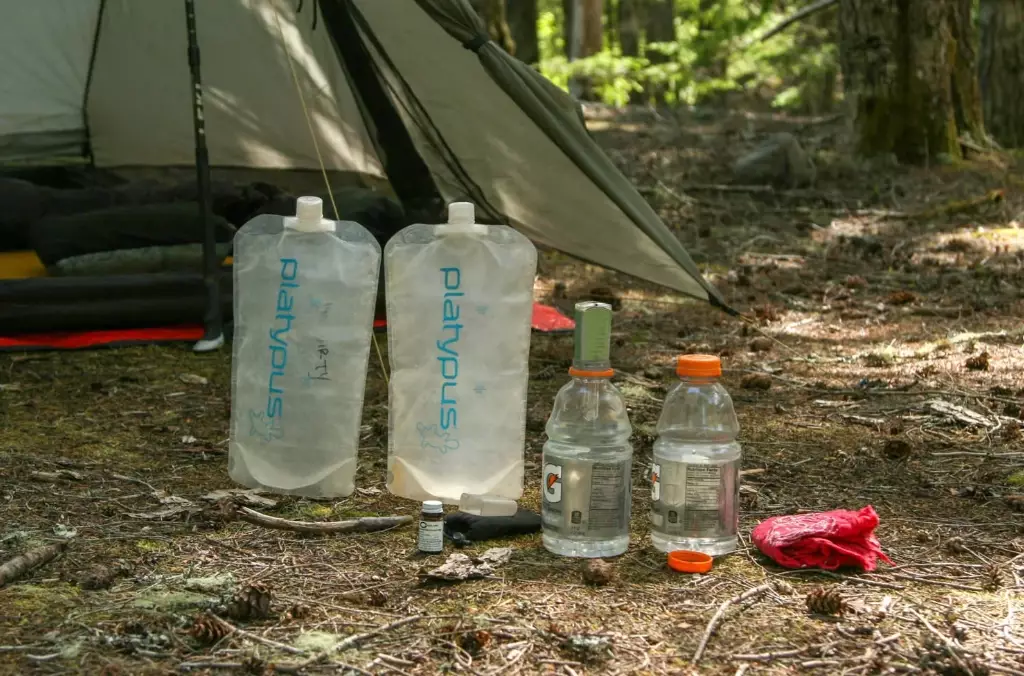
The right tools make conservation effortless.
Collapsible Water Containers (5-7 gallon): Better than rigid jugs. As you use water, they take up less space. Look for ones with a spigot at the bottom—gravity is your friend for filling bottles and pots.
Spray Bottle: The single most underrated piece of camp gear. Fill it with clean water. Use it for: wetting your toothbrush, rinsing soapy dishes (targeted spray uses 90% less water than pouring), washing hands, and cooling off. It gives you precise control.
Two-Basin Sink System: You can buy a collapsible one or use two large mixing bowls. One for hot, soapy wash water. One for clean rinse water (which can be your spray bottle). This stops the "running water" temptation.
Biodegradable Soap: Like Dr. Bronner's. Even though it's biodegradable, you still must dispose of the greywater properly (away from water sources). It's versatile for body, dishes, and clothes.
In-Camp Techniques: A System for Every Task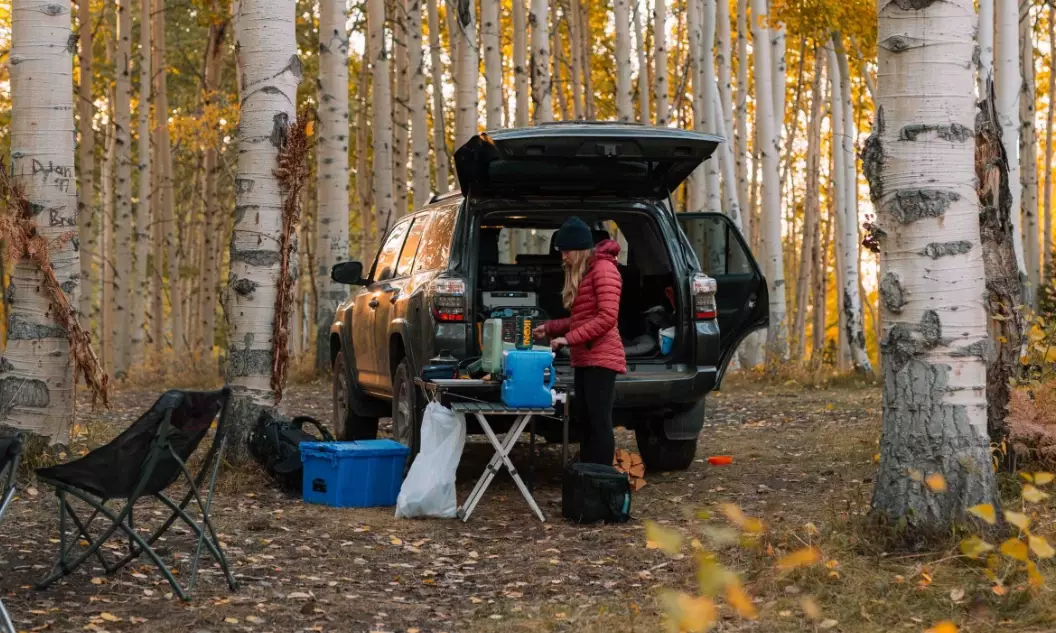
This is the daily practice. Turn these into habits.
Drinking and Cooking
Mark one water jug as "Drinking Only." This is your sacred reserve. For cooking, choose one-pot meals. Pasta that requires boiling and draining wastes water. Instead, go for rice or couscous that absorb all the water, or dehydrated meals where you just add hot water to the bag.
Cleaning Dishes: The Scrape, Wash, Rinse Method
1. Scrape & Wipe: Use a rubber spatula or a dedicated camp napkin to remove every bit of food residue into your trash bag. The cleaner the dish, the less water needed.
2. Wash: In your first basin, use a tiny amount of soap and a scrubby. A drop goes a long way.
3. Rinse: Use your spray bottle to give a quick targeted spray into the second basin, or dip the item briefly. No need for a waterfall.
Personal Hygiene: The Art of the "Camp Bath"
Forget the idea of a full shower with a portable camp shower unless you have water to spare. The efficient method: a small basin of warm water, a washcloth, and that biodegradable soap. Wash from the top down. Face, pits, privates, feet. You'll be surprised how refreshed you feel using less than a liter. For hair, dry shampoo is a backcountry savior.
The Greywater Question: How to Dispose of Waste Water Responsibly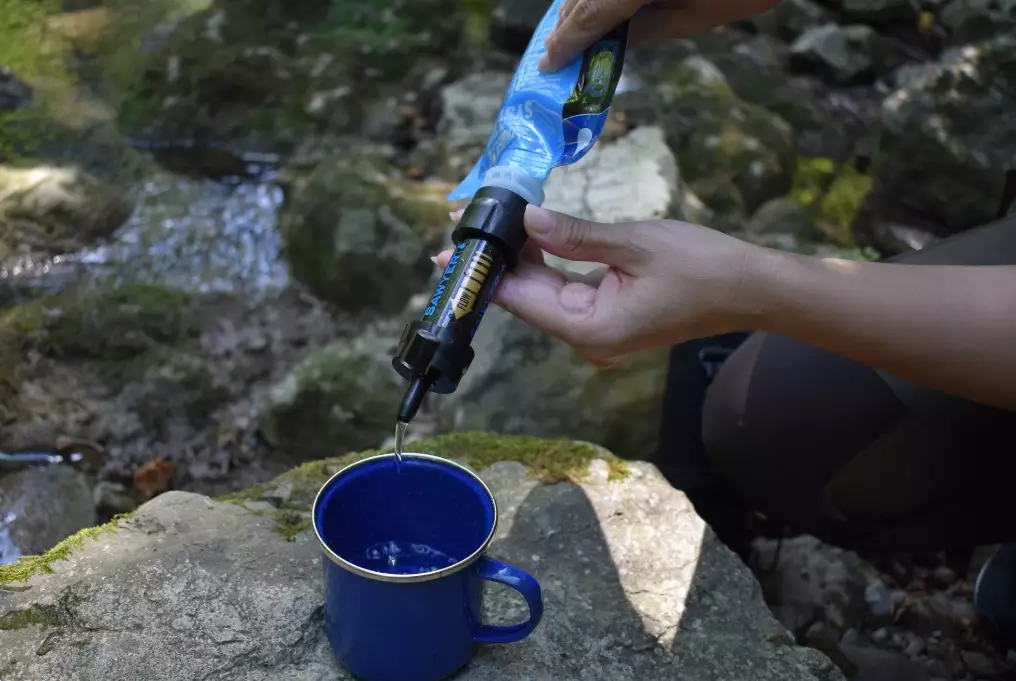
This is where knowledge separates the mindful from the messy. You can't just dump it.
Strain It First: Pour your greywater through a fine mesh strainer or bandana into a second container to catch food particles. These solids go in your trash.
Disperse Widely: Carry the strained greywater at least 200 feet (about 70 adult paces) away from any camp, trail, or water source. Scatter it over a wide area of soil or rocks where it can filter naturally. Sunlight and soil bacteria are great at breaking down the small amount of soap.
Never, Ever in a Stream or Lake: Even biodegradable soap harms aquatic life by removing oxygen from the water as it breaks down.
Common Mistakes Even Experienced Campers Make
I've made some of these myself over the years.
Over-reliance on Single-Use Bottles: They're inefficient to pack, create huge waste, and you lose track of your total supply. Switch to large refillable containers and personal bottles.
Leaving the Spigot Open: That slow drip from the communal campground tap or your own jug adds up to gallons lost overnight. Double-check closures.
Washing Under Running Water: It's a hard habit to break. Whether it's letting a water pump run while you soap your hands or holding a plate under a stream, it's the biggest single waste of water in camp. The two-basin or spray bottle method eliminates this.
Not Educating the Whole Group: If one person in your party is careless, the whole system fails. Brief everyone on the plan when you arrive. Make the spray bottle and wash station obvious.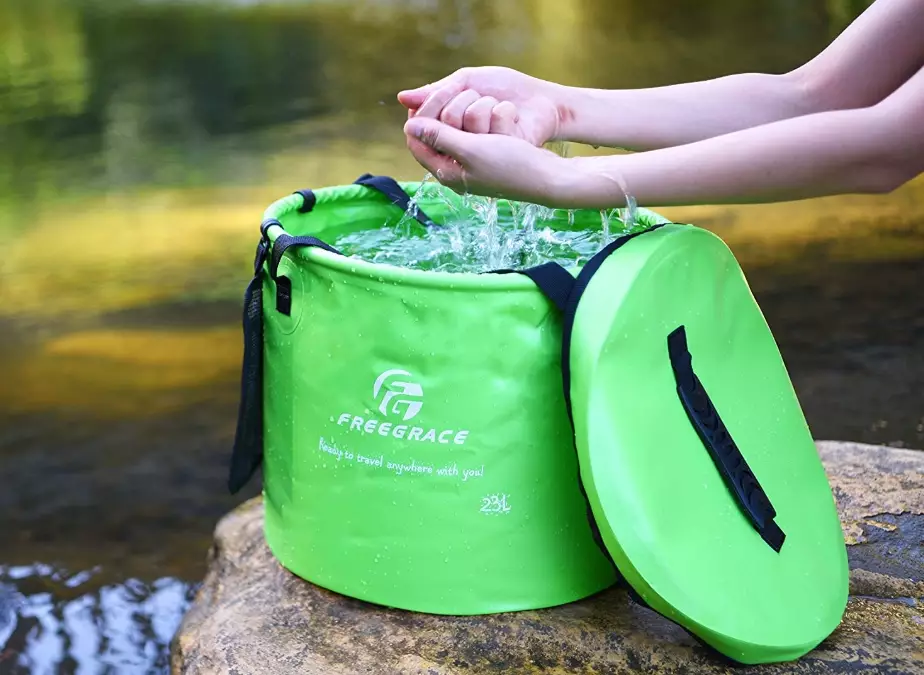
Your Camping Water Conservation Questions, Answered
How can I wash dishes while camping without wasting water?
The key is the pre-clean. Scrape every morsel of food into your trash bag with a spatula or paper towel. Then, use a two-basin system with a minimal amount of soap. The wash water can be reused for multiple items if you clean from least to most greasy. For rinsing, a quick dip in the second basin or a spritz from a spray bottle is all you need. The goal is to remove soap, not sterilize the plate for surgery.
What's the best way to stay hydrated while trying to conserve water?
This seems like a contradiction, but it's not. Your drinking water is your top priority—never conserve at the expense of hydration. The trick is to separate it mentally and physically from your "utility" water. Have a dedicated, clearly marked drinking water container. Sip consistently throughout the day, not just when you're thirsty. If you're active, electrolytes can help your body retain and use the water you drink more efficiently, meaning you might need slightly less volume.
 Is it okay to bathe in a lake or river if I use biodegradable soap?
No. This is a major misconception. "Biodegradable" means it will break down in soil over time, not that it's safe for direct introduction into aquatic ecosystems. Soap, even the eco-friendly kind, introduces nutrients and chemicals that disrupt the water's pH and can harm fish and plants. Always wash (with minimal soap) and rinse at least 200 feet away from the water source, using a bucket or basin to carry water if needed.
How do I handle water conservation with kids while camping?
Turn it into a game. Give them their own small spray bottle for handwashing. Make a chart for "water wins." Explain that saving water means more for making hot chocolate later. Be extra diligent with the pre-rinse scrape for their inevitably sticky plates. Pack more biodegradable wipes for quick clean-ups. The goal isn't perfection, but building awareness. Their small hands also mean they naturally use less water from a spray bottle than an adult would pouring from a jug.
My campground has unlimited water taps. Why should I still conserve?
Three reasons. First, it's a good habit that prepares you for more primitive trips. Second, it reduces the strain on the campground's infrastructure and water supply, which can be limited, especially in dry regions or peak season. Third, it minimizes the amount of greywater you produce, which you are still responsible for disposing of properly. Unlimited access doesn't mean unlimited responsibility.