Let's be honest. A lot of camping advice online feels generic. "Get outdoors!" "Connect with nature!" Sure, that's the goal. But the magic—and the frustration—happens in the details. The real question isn't just *where* to camp, but *which* spot matches your specific vibe, skill level, and tolerance for mosquitos.
I've spent over a decade chasing quiet sunrises and wrestling with tent poles from Maine to California. The best trips weren't always at the most famous parks. Sometimes they were in a forgotten corner of a national forest, or a state park that everyone else drove past. This guide cuts through the noise. We'll look at iconic spots and hidden gems, but more importantly, we'll talk about how to choose between them.
Your Camping Trip Roadmap
Top Picks for Family-Friendly Camping (Less Stress, More S'mores)
Camping with kids is a different sport. Your destination needs amenities, safety, and a heavy dose of distraction. Forget remote backcountry. Think: flush toilets, easy trails, and maybe even a playground.
Yellowstone National Park (Wyoming/Montana/Idaho)
It's iconic for a reason. For kids, it's like a live-action nature documentary. Bison jams, erupting geysers, and colorful hot springs. The spectacle does the entertaining for you.
The Practical Stuff: Best camping months are June-September, but book the *second* reservations open (months in advance). Madison Campground is a great central hub. No hookups, but it has flush toilets and is close to major sights. Address: Madison Campground, Yellowstone National Park, WY 82190. Getting there: Fly into Bozeman (MT) or Jackson Hole (WY) and drive. Inside the park, traffic is slow—plan for it.
A rookie mistake here? Trying to see everything in two days. You'll spend all day in the car. Pick two areas, like Old Faithful and the Grand Canyon of the Yellowstone, and explore them deeply.
Great Smoky Mountains National Park (Tennessee/North Carolina)
This is the most visited national park, and its campgrounds are designed for accessibility. It's lush, green, and feels wild but manageable.
The Practical Stuff: Elkmont Campground is my top pick for families. It's large, has flush toilets, and is near the fantastic Laurel Falls trail (paved, gentle incline). Big pro: It's first-come, first-served, which is rare and stressful, but if you snag a spot mid-week, it's gold. Address: Elkmont Campground, Townsend, TN 37882. Cades Cove Campground is another winner, offering bike-only access on Wednesday and Saturday mornings—a huge hit with kids.
Assateague Island National Seashore (Maryland/Virginia)
Wild horses on the beach. That's the hook. Kids are mesmerized. You camp right on the sand dunes, falling asleep to the sound of the ocean.
But here's the non-consensus tip everyone misses: The mosquitoes and biting flies from late spring to early fall are **brutal**. I'm talking head-net, 100% DEET brutal. The absolute best time to go is October. The bugs are gone, the horses are still there, and the crowds have thinned. Book the Oceanside Drive-In sites in the Maryland district for easiest access.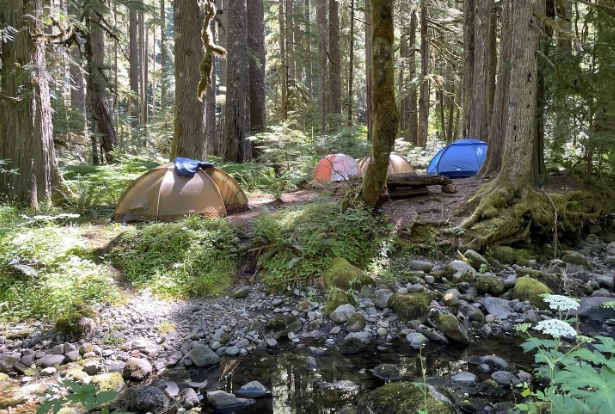
Destinations for Solitude Seekers (Your Own Quiet Corner)
If your ideal camping sound is silence broken only by birdsong, you need a different strategy. Avoid National Park main campgrounds. Look to their surrounding National Forests or target less-hyped regions.
Superstition Wilderness, Tonto National Forest (Arizona)
Just east of Phoenix's sprawl lies another world. Rugged canyons, towering cacti, and the legendary Lost Dutchman's Gold Mine lore. The key here is dispersed camping.
You won't find a formal campground. You'll find miles of forest roads (like the Apache Trail) where you can pull off onto a flat spot and set up camp for free. No reservations, no neighbors. The Tonto National Forest Motor Vehicle Use Maps (MVUM) are your bible—they show exactly where you can legally camp. Bring all your water, pack out all waste, and embrace the profound quiet of the desert night.
The North Shore, Lake Superior (Minnesota)
Forget the crowded parks down south. Head to Minnesota's arrowhead along Lake Superior. Judge C.R. Magney State Park is a gem. It's far enough from Duluth that the day-trippers thin out. The campsites are wooded and private, and a hike leads you to the dramatic Devil's Kettle waterfall.
The Practical Stuff: Address: 405 MN-61, Grand Marais, MN 55604. Reservations through the Minnesota State Parks system. The best sites are in the "River" loop. Stop at a local outfitter in Grand Marais for pasties (a local meat pie) for an easy first-night dinner. The lake is cold year-round, even in August.
Adventure-Core: For the Experienced Camper
You have the gear, you know how to read a topo map, and you're looking for a challenge that ends with a view you had to earn.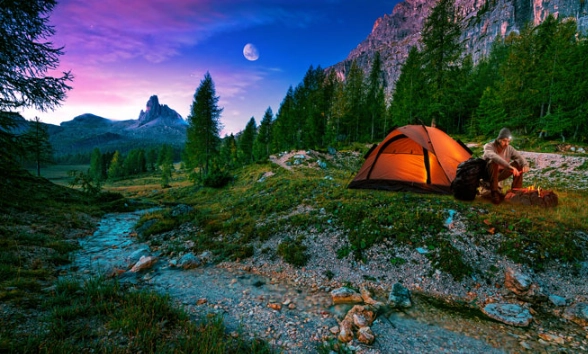
Yosemite National Park's Backcountry (California)
Everyone knows Yosemite Valley. It's a zoo. The real Yosemite is above it. Securing a Wilderness Permit for a trail like the Cathedral Lakes or the North Dome hike is your ticket to solitude amidst the icons.
The permit system is competitive. Apply in the lottery when it opens, but also check for cancellations the week before your trip—they release them at 7 AM PST daily. A classic 2-3 night loop starts at Tuolumne Meadows, hits Cathedral Lake, and comes back. You'll see Half Dome from a perspective 99% of visitors never do.
White Mountain National Forest (New Hampshire)
This is East Coast rugged. The Appalachian Trail runs through it, and the network of trails is immense. For a unique experience, aim for one of the Appalachian Mountain Club (AMC) high-mountain huts. You can camp at designated sites nearby (like at the base of Mount Washington) and do punishing day hikes without a full pack.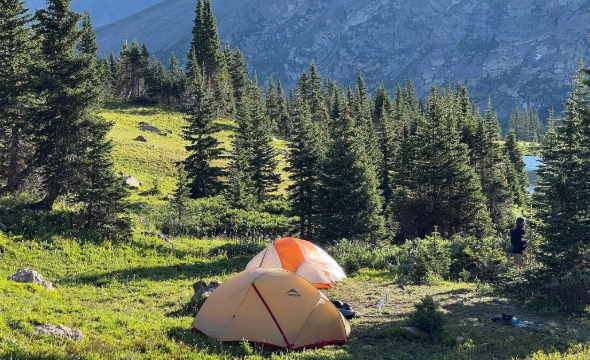
Weather changes instantly. Even in July, pack for freezing rain. The Mount Washington Observatory website is essential reading for conditions. A site like Dolly Copp Campground offers good access and a bit more comfort as a basecamp.
How to Plan and Book Your Trip: The Nuts and Bolts
Knowing where to go is half the battle. Getting a spot is the other half.
| Booking Platform | Best For | Key Tip |
|---|---|---|
| Recreation.gov | Federal lands (National Parks, many National Forests, BLM). | Create an account and have your info saved. Popular spots sell out in minutes. Use the "alert" feature on sites like Campflare to snag cancellations. |
| State Park Websites | State-specific reservations (e.g., ReserveCalifornia, NY State Parks). | Booking windows vary. Some open 6 months out, some 9. Mark your calendar. Look at the campground map—site size and privacy vary wildly. |
| First-Come, First-Served (FCFS) | Spontaneous trips, mid-week travel, less popular areas. | Never arrive on a Friday afternoon. Aim for Tuesday-Thursday, before 11 AM. Always have a backup plan (a private campground 30 minutes away). |
| Dispersed Camping (USFS/BLM) | Maximum solitude, zero cost, self-sufficient campers. | Get the official MVUM map. Follow Leave No Trace principles religiously. You are your own janitor, ranger, and safety officer. |
My personal packing hack? A dedicated "kitchen" bin. One plastic tub with my stove, fuel, utensils, spices, sponge, and soap. It never gets unpacked. It lives in the garage, ready to go. Saves so much mental energy before a trip.
Your Camping Questions, Answered