You've found the perfect campsite. The stars are about to come out, and tomorrow's sunrise promises to be epic. You reach for your camera bag... and that's when the anxiety hits. Did you pack the right lens? Is your tripod sturdy enough for long exposures? Will the morning dew ruin your gear? I've been there, staring into an overstuffed backpack, paralyzed by choice and fear of missing the shot. After a decade of hauling cameras into the backcountry, I've learned that the best camping photography gear isn't about having everything—it's about having the right things. This guide cuts through the noise. We'll build a kit that's lightweight, versatile, and tough enough for the trail, so you can focus on capturing the moment, not managing your equipment.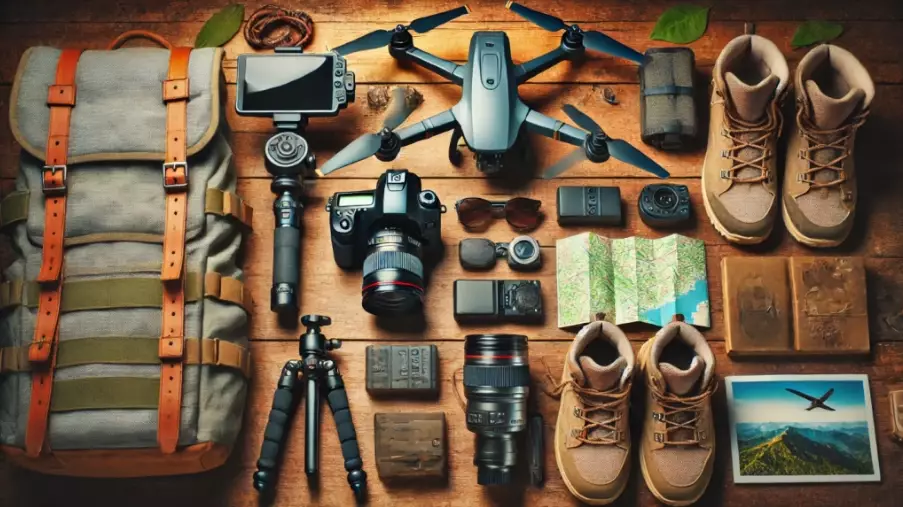
Your Quick Gear Guide
- The Core Camera Choice: Balancing Quality and Weight
- The Two-Lens Strategy for Maximum Versatility
- The Tripod: Your Most Important Non-Negotiable
- Essential Accessories You'll Actually Use
- The Art of Packing and Protecting Your Gear
- Gear for Specific Scenarios: Milky Way, Landscapes, Wildlife
- Camping Photography FAQs Answered
The Core Camera Choice: Balancing Quality and Weight
This is your biggest decision. Forget megapixel wars. For camping, your choice boils down to a simple trade-off: image quality vs. pack weight and bulk.
Full-frame DSLRs and mirrorless cameras (like the Canon R5, Sony A7IV, Nikon Z6 II) deliver incredible detail, especially in low light for astrophotography. But their bodies and lenses are heavy. Carrying one on a multi-day hike changes your relationship with your backpack.
APS-C or Micro Four Thirds cameras (like the Fujifilm X-T5, Sony A6700, OM System OM-1) are the sweet spot for many. The image quality is fantastic for 99% of uses, and the size/weight savings are massive. You can fit a capable two-lens kit in a small pouch. This is my personal go-to for any hike over 5 miles.
Don't dismiss high-end smartphones or advanced compact cameras (like the Sony RX100 VII). If your goal is social media and casual prints, and minimizing weight is critical, they are brilliant tools. Their computational photography (night mode, HDR) does in seconds what used to take a pro minutes in Photoshop.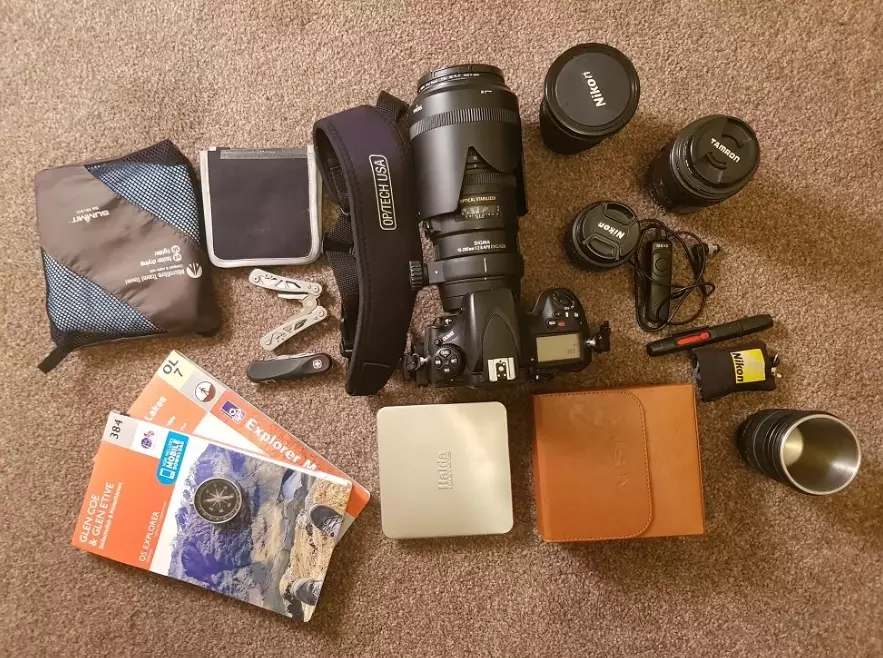
| Camera Type | Best For | Weight Consideration | Real-World Compromise |
|---|---|---|---|
| Full-Frame Mirrorless | Ultimate image quality, professional astro & landscape work. | Heavy. Think 2-3 lbs for body + one lens. | You might leave it in the tent for casual sunset walks. |
| APS-C / MFT Mirrorless | The balanced choice. Great quality for serious hobbyists and most pros. | Light. Kit can be 1.5-2 lbs lighter than full-frame. | You'll actually carry it everywhere. |
| Advanced Compact / Smartphone | Minimalist travel, documentary-style shots, weight-critical trips. | Negligible. Fits in a pocket. | Limited low-light performance and optical zoom. |
My take? If you're car camping or on a short walk-in, bring the big gun. For backpacking, choose the smaller system. The best camera is the one you have with you, not the one you left at the trailhead because it was too heavy.
The Two-Lens Strategy for Maximum Versatility
Lens choice is more critical than the camera body. You need to cover wide vistas and tighter details. I swear by a two-lens combo that hasn't failed me in years.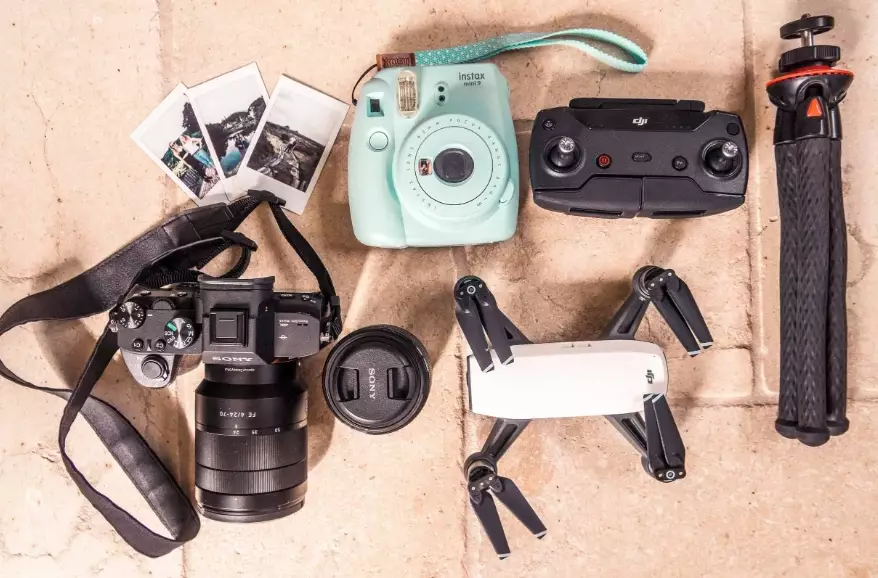
The Workhorse Zoom: A standard zoom like a 24-70mm (full-frame) or 18-55mm (APS-C) equivalent. This is on my camera 70% of the time. It's perfect for campsite scenes, medium-wide landscapes, and general storytelling. Get one with a fast aperture (f/2.8 if you can) for better performance at dawn and dusk.
The Specialized Lens: This is your second slot, chosen based on your priority.
- For Grand Landscapes & Astro: A wide-angle prime or zoom (e.g., 14mm f/2.8, 16-35mm). Essential for capturing vast scenes and the night sky.
- For Wildlife & Details: A telephoto zoom (e.g., 70-200mm or 100-400mm). Lets you photograph distant animals, compress mountain layers, or isolate intimate details like dew on a spiderweb.
- For Creative Portraits & Details: A fast prime (e.g., 35mm f/1.8 or 56mm f/1.4). Gorgeous for low-light shots of friends around the fire or dreamy close-ups of nature.
I usually pick between the wide-angle and the telephoto for my second slot. Trying to carry all three means you're carrying too much.
The Tripod: Your Most Important Non-Negotiable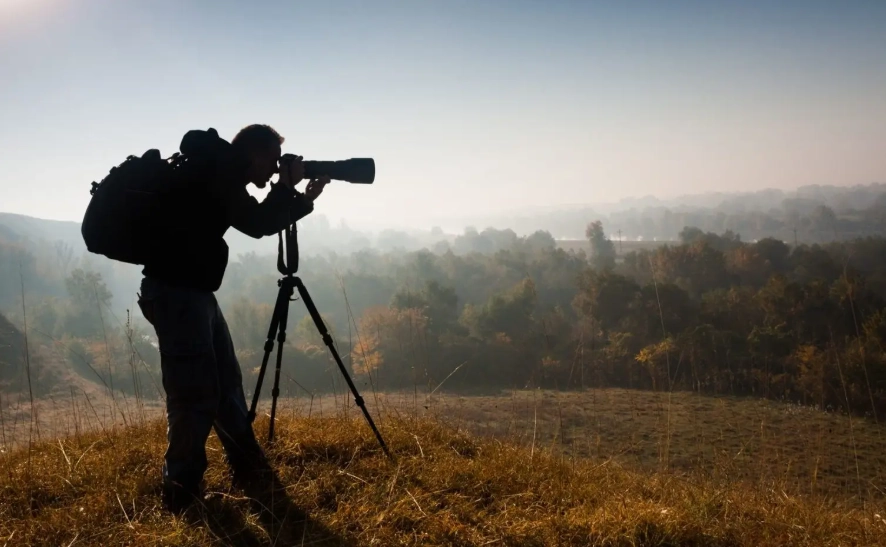
If you want photos of the stars, silky waterfalls, or sharp landscapes in low light, a tripod is not optional. But a cheap, wobbly tripod is worse than none at all—it will ruin your shots.
Material: Carbon fiber is light and dampens vibration but is expensive. Aluminum is heavier but more affordable and durable. For backpacking, carbon fiber is worth the investment if you can swing it.
Height: Get one that reaches your eye level without raising the center column. A raised center column turns your tripod into a sail in the wind.
Head: A ball head is the most versatile and compact for camping. Look for one with a separate panning lock if you do panoramas.
My specific recommendation for years has been something like the Peak Design Travel Tripod (carbon) or the MeFOTO RoadTrip (aluminum). They strike a great balance of stability, packed size, and weight.
When a Full Tripod is Too Much
On ultra-light trips, consider alternatives. A gorillapod-style flexible tripod can wrap around a tree branch or sit on a rock. A bean bag (you can fill an empty sack with campsite rice) provides stable support on uneven surfaces. Or, use your backpack as a makeshift support. It's not perfect, but it's better than nothing for a quick sunrise shot.
Essential Accessories You'll Actually Use
This is where most lists go overboard. Here’s what you truly need, in order of importance.
1. Extra Batteries & a Power Bank: Cold drains batteries fast. Bring at least two spares. A 10,000mAh power bank can recharge your camera and phone multiple times. Solar chargers sound great but are often too slow to be reliable.
2. Large, Fast Memory Cards: Bring two or three. Shoot in RAW. You don't want to run out of space as the Aurora starts dancing.
3. A Sturdy, Waterproof Bag or Pouch: I use a simple dry bag inside my backpack. A Ziploc freezer bag works in a pinch. Sudden rain or a spilled water bottle shouldn't be a disaster.
4. Lens Cleaning Kit: A microfiber cloth and a rocket blower. No liquid cleaners in the field—you'll just smear grime. I learned this the hard way after trying to clean a lens with a damp shirt.
5. A Headlamp with a Red Light Mode: Crucial for night photography. White light ruins your night vision and annoys everyone else. The red mode lets you see your camera controls without blowing out your eyes.
6. A Remote Shutter Release or Use Your Phone: Eliminates camera shake for long exposures. Most modern cameras can be triggered via a smartphone app, which is one less thing to pack.
What to skip? Fancy filters (except maybe a polarizer), multiple camera bodies, giant lens cases. Keep it simple.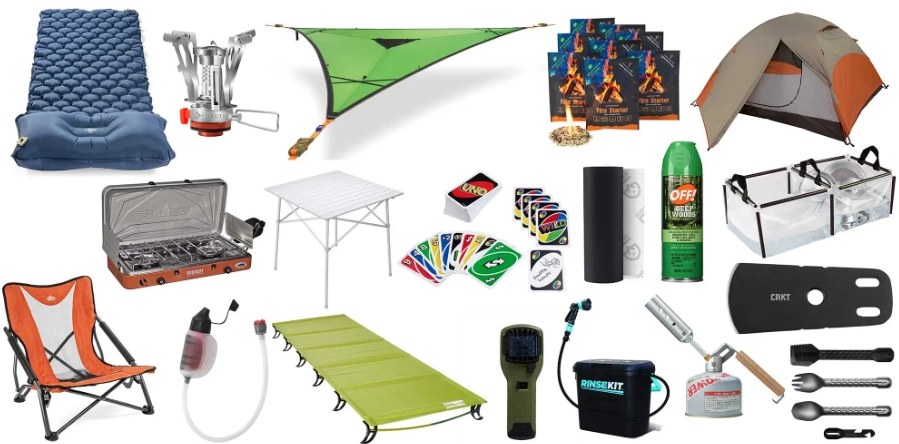
The Art of Packing and Protecting Your Gear
Your packing system is your first line of defense. I use a layered approach:
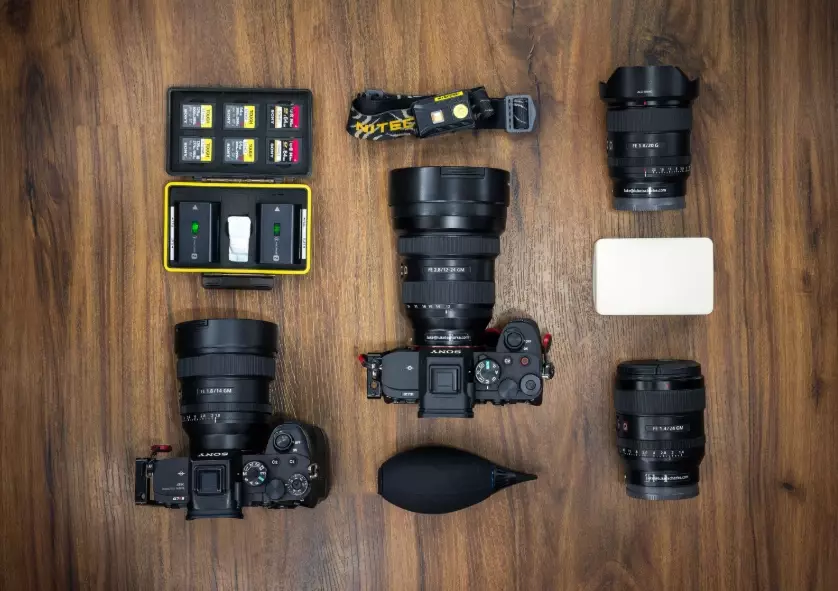
Layer 1: The Core Pouch. A padded insert (like from Tenba or Peak Design) holds my camera and two lenses. This goes into…
Layer 2: The Dry Bag. A 10-20L roll-top dry bag. The padded insert slides in here. This provides waterproofing and an extra layer of cushioning.
Layer 3: Your Backpack. Place the dry bag in the center of your pack, surrounded by soft items like clothing or a sleeping bag. Never put it at the very bottom or top where it can get crushed or take an impact.
Weight Distribution: Keep the heavy camera kit close to your back and centered between your shoulder blades. This makes your load feel lighter and more balanced while hiking.
For a weekend backpacking trip, my entire photography kit (Fujifilm X-T4, 16-55mm f/2.8, 10-24mm f/4, carbon tripod, accessories) adds about 7-8 lbs to my pack. It's significant, but manageable because every item has a purpose.
Gear for Specific Scenarios: Milky Way, Landscapes, Wildlife
Let's get tactical. What do you actually pack for specific shots?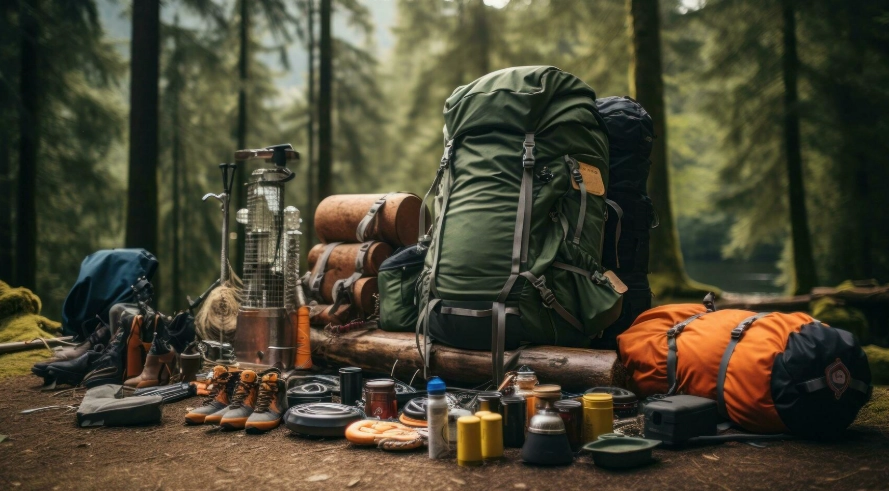
Scenario 1: The All-Night Astrophotography Session
Camera: Full-frame or APS-C with good high-ISO performance.
Lens: Fast wide-angle (f/2.8 or faster), e.g., 14mm f/1.8 or 24mm f/1.4.
Essential: Sturdy tripod, remote shutter, headlamp with red light, extra batteries (it's cold!), an app like PhotoPills to plan the Milky Way position.
Pro-Tip: Bring a lightweight camping chair. Waiting for the perfect celestial alignment is more comfortable sitting down.
Scenario 2: The Sunrise Landscape Hike
Camera: Any system you have.
Lens: Standard zoom (24-70mm) and/or a telephoto (70-200mm) for compressing layers of mountains.
Essential: Tripod, lens cloth (for morning dew), graduated ND filter (optional, can blend exposures later).
Pro-Tip: Pack your gear the night before. Fumbling with bags in the dark pre-dawn is a sure way to miss the first light.
Scenario 3: The Wildlife-Focused Backpacking Trip
Camera: APS-C or MFT for the extra "reach" (crop factor).
Lens: A long telephoto zoom is king (e.g., 100-400mm, 200-600mm).
Essential: Monopod for stability (lighter than a tripod for tracking animals), camouflage or neutral-colored camera cover, patience.
Pro-Tip: Research animal behavior via sources like the National Park Service websites. Knowing when and where they are active is more important than the longest lens.
Camping Photography FAQs Answered
How do I protect my camera from rain and condensation when camping?
I need to cut weight for a long backpacking trip. What photography gear should I leave behind first?
What's a good beginner-friendly camera kit for car camping that won't break the bank?
 How can I safely photograph wildlife while camping without disturbing the animals?
My smartphone takes great pictures. Is it worth bringing a dedicated camera camping?
Your camping photography gear list is a personal thing. It evolves with your trips. Start with the essentials outlined here—a reliable camera, a couple of lenses, a solid tripod, and a way to keep it all dry. Then get out there. The best way to learn what you need is to spend a night under the stars with your camera. You'll quickly discover what's indispensable and what's just dead weight. Now, go pack your bag. The light is waiting.