Let's cut straight to it. Free camping isn't a myth, and it's not about trespassing in a Walmart parking lot (though that's a last resort for some RVers). It's a legitimate, incredible way to experience the outdoors without spending a dime on campsite fees. We're talking about waking up to views no paid campground can offer, with nothing but the sound of the wind and maybe a distant coyote. I've been doing this for over a decade, from the deserts of Arizona to the alpine meadows of Colorado, and I'm here to give you the real guide—not just a list of spots, but the mindset and know-how to find your own.
Your Free Camping Roadmap
What Exactly Are Free Camping Spots?
Most free camping, officially called dispersed camping, happens on public lands managed by the federal government. Think vast, unfenced areas where you're responsible for yourself. The big players are the Bureau of Land Management (BLM) and the United States Forest Service (USFS). These agencies oversee millions of acres where camping is generally allowed for free, unless specifically posted otherwise.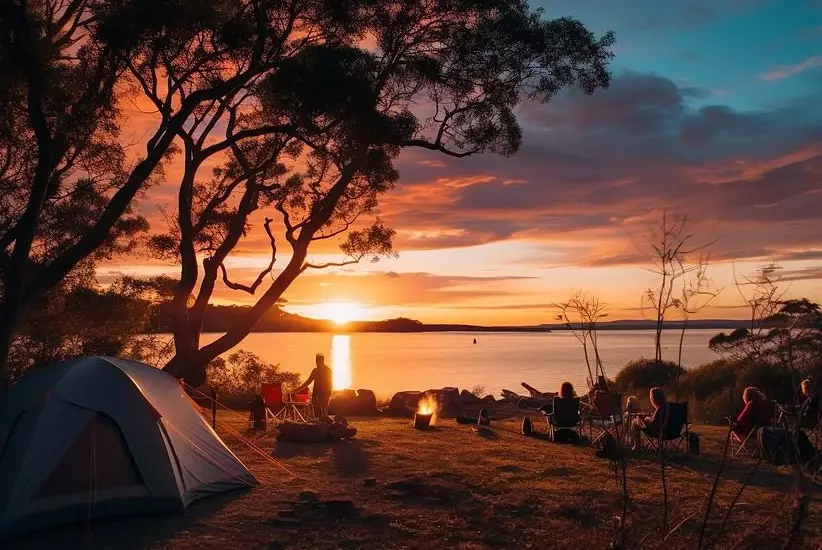
Boondocking is a term the RV community uses, essentially meaning camping without hookups (water, sewer, electricity) on public land. It's the same idea.
The Golden Rule: Free does not mean "no rules." It means you follow a different set: Leave No Trace, respect fire restrictions, and often, a 14-day stay limit within a 28-day period. Ignoring these is how spots get closed down for everyone.
Here’s the breakdown of where you can typically camp for free:
- BLM Land: Primarily in the western states. Often desert or scrubland, with incredible solitude. Rules are usually straightforward: camp at least 200 feet from water sources and away from developed areas.
- National Forests: My personal favorite. You can find forest service roads leading to stunning mountain meadows and lakeside spots. Always check for local district orders regarding fire bans or area closures.
- Some Wildlife Management Areas (WMAs) & State Trust Lands: These vary wildly by state. Some allow free camping, many require a cheap permit. Never assume.
- Parking Lots (as a last resort): Some truck stops, Cabela's, Cracker Barrel, and casinos allow overnight parking. This isn't "camping" in the scenic sense—it's pragmatic sleeping. Always call and ask the manager directly; corporate policy and local management differ.
How to Find Free Camping Spots: Tools and Tactics
Forget just driving around hoping to stumble on something. That's a surefire way to waste gas and daylight. You need a system.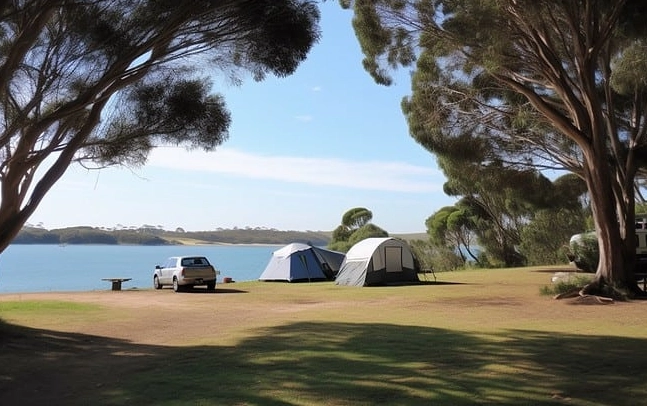
Step 1: Start with Maps
Your first stop should be the official source: the BLM website and the US Forest Service website. They have interactive maps showing land jurisdiction. Look for the vast swaths of land labeled "BLM" or "National Forest." That's your canvas.
A physical paper map, like a National Forest or BLM district map, is a priceless backup. Electronics fail. I've been saved more than once by a folded map when my phone died in Utah's canyon country.
Step 2: Use the Right Apps and Websites
These are research tools, not gospel. Crowd-sourced info can be outdated or lead to overused spots.
- FreeRoam & iOverlander: The best apps for this. They layer public land boundaries, cell coverage, and user reviews. Filter for "free" camping.
- The Dyrt & Campendium: Good for reviews and photos. Read between the lines. A review saying "easy access for big rigs" means it might be crowded. I look for the spots with fewer reviews.
- Google Earth/Satellite View: This is the pro move. Once you identify a forest service road on a map, zoom in on satellite view. You can often see pull-offs, existing fire rings, and whether the road looks passable.
Step 3: The Scouting Protocol
You've found a promising area. Now what? Arrive with plenty of sunlight left. Drive slowly down the forest road. Look for existing, established pull-outs with a worn fire ring. Camping in already impacted spots is better for the environment than creating a new one.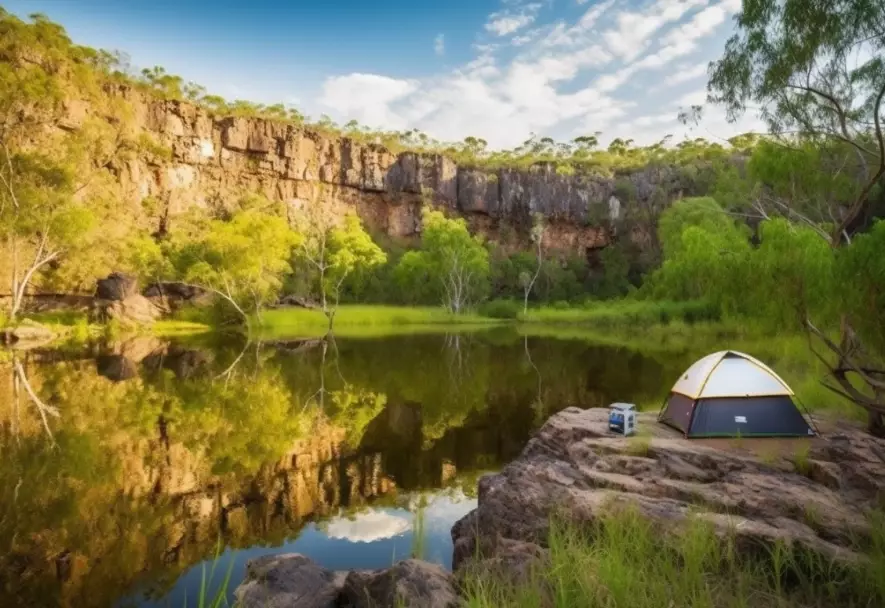
A common mistake? Driving too far down a rough road looking for "the perfect spot" and getting stuck as it gets dark. Your spot doesn't need to be perfect. It needs to be safe, legal, and leave room for improvement next time.
Top Free Camping Spots in the Western US
To give you a concrete starting point, here are three iconic areas. These aren't secret—but they're classics for a reason and have plenty of space to find your own niche.
| Area Name & General Location | Land Type / Management | The Vibe & What to Know |
|---|---|---|
| Alabama Hills, near Lone Pine, CA | Bureau of Land Management (BLM) | Otherworldly rock formations with jaw-dropping views of the Sierra Nevada. Dozens of dispersed sites along Movie Flat Rd and others. Critical: Camp only in previously disturbed sites with existing fire rings. The area is fragile. No services. Pack out ALL trash. Stunning for sunrise photography. |
| Grand Staircase-Escalante National Monument, UT | BLM | Vast, remote canyon country. Sites along Hole-in-the-Rock Rd (dirt, can be rough). You need to be self-sufficient. Carry all your water (2+ gallons per person per day). High-clearance vehicle recommended after rain. The solitude is absolute. |
| San Juan National Forest, near Durango, CO | US Forest Service (USFS) | Alpine meadows, aspen groves, and access to high-country trails. Countless forest roads (like FR 171) off Highway 550. Check fire restrictions religiously. Bears are active; use bear-proof storage. Often crowded on summer weekends—go mid-week or explore lesser-known roads. |
My personal favorite is a nameless pull-off in the Coconino National Forest, south of Flagstaff. I found it by following a faint track on a paper map. It had a view of the red rocks that cost $50 a night at the nearby resort. That's the magic.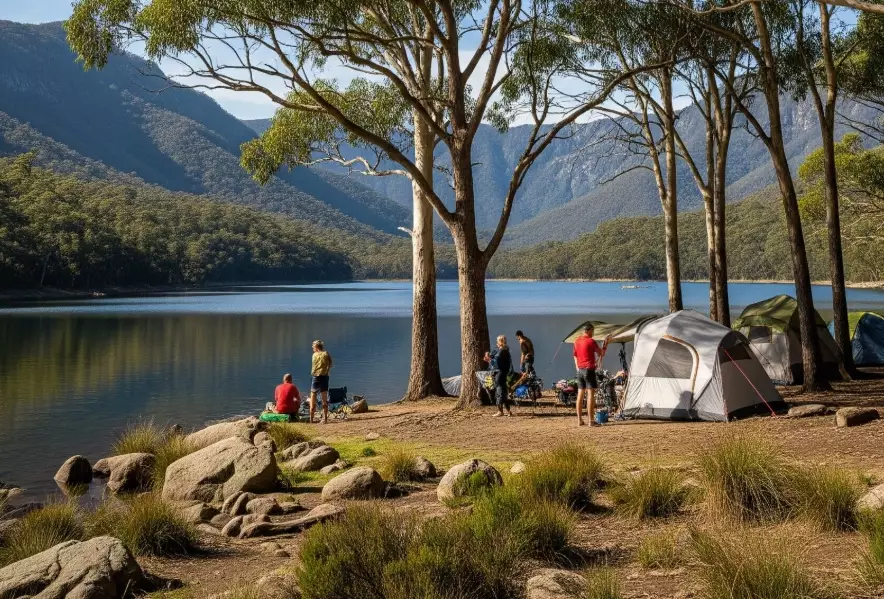
Essential Preparation: Gear, Safety, and Etiquette
Free camping demands more forethought than a developed campground. This isn't a downside; it's part of the appeal. You're more connected to the place.
Non-Negotiable Gear
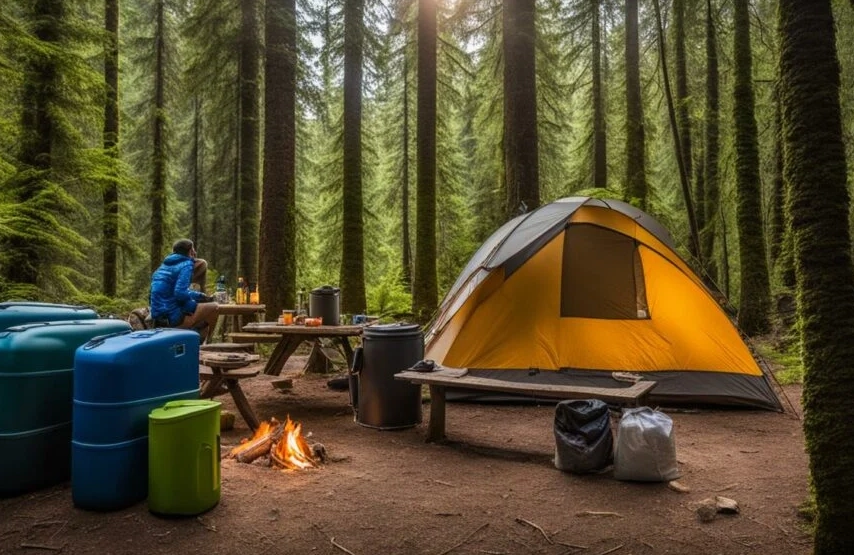
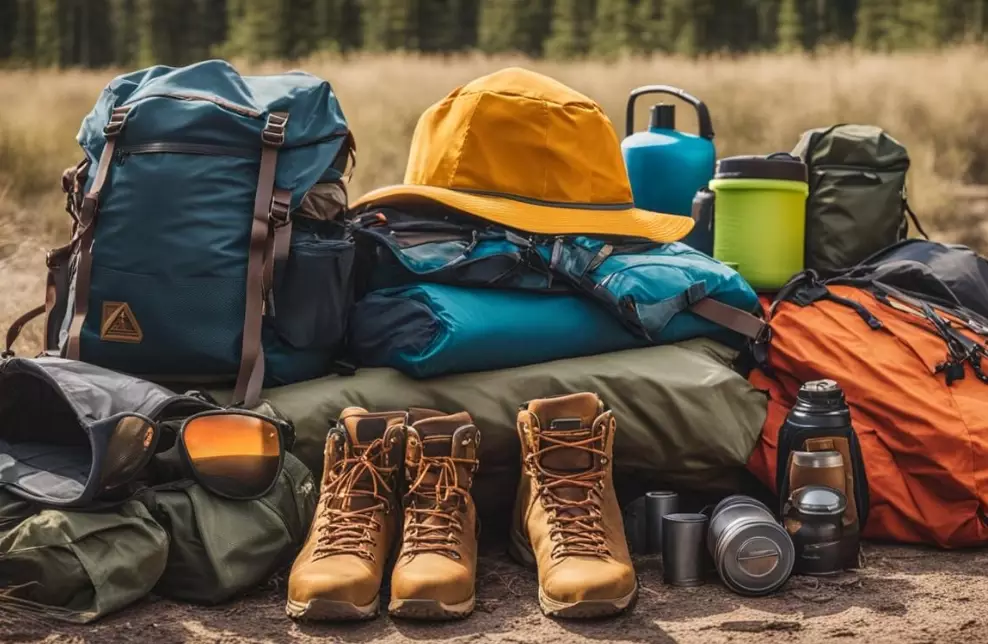
- Water & Storage: You must bring all your water. I carry a 7-gallon Aquatainer plus drinking bottles. A water filter (like a Sawyer Squeeze) is a backup for treating natural sources if absolutely necessary and legal.
- Power: No electrical hookups. A good power bank (20,000mAh+) for phones, and solar panels if you're out for more than a few days.
- Waste Management: This is huge. For RVs, you need a way to manage your tanks. For tent campers, you need a portable toilet system or knowledge of how to dig a proper cathole (6-8 inches deep, 200+ feet from water). Pack out your toilet paper in a zip-lock bag. Seriously.
- Navigation & Communication: Offline maps downloaded. A physical map. Tell someone your plan. Assume you'll have zero cell service.
The Unwritten Rules (Leave No Trace on Steroids)
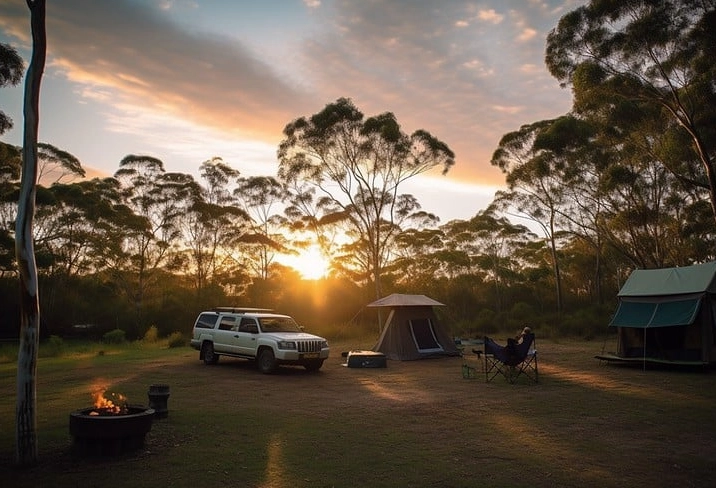
Camp at least 200 feet from lakes, streams, and trails. Drive only on established roads—don't blaze new trails to get a better view. Keep your camp small and low-profile. Noise carries incredibly far in the quiet. Your generator or Bluetooth speaker might be your vibe, but it's pollution to everyone else within a mile.
The biggest etiquette fail I see? People leaving behind makeshift fire rings built from rocks they pulled from the landscape. If you didn't build it, don't add to it. If you make a fire, drown it with water until it's cold to the touch, then scatter the cold ashes.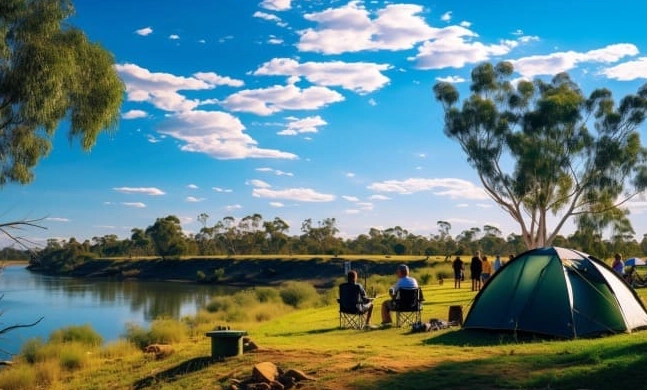
Expert Answers to Your Free Camping Questions
Free camping spots are out there, waiting. They offer a raw, authentic connection to the landscape that's becoming rare. It's not always comfortable or convenient. You might get dust in your shoes and have to pee in the dark. But you'll also get stars so bright they look fake and a silence so deep you can hear your own heartbeat. That's worth more than any campground fee. Start with the maps, respect the land, and go find your spot.