Your Reading Roadmap
Let's be honest. The modern world is a lot. It's a constant ping from your phone, a never-ending to-do list at work, and this low-grade buzz of anxiety that seems to have become the default background noise of life. We spend fortunes on meditation apps, stress supplements, and therapy sessions (all valuable, don't get me wrong). But sometimes, the most powerful reset button is the oldest one we have: getting out into nature. And not just a day hike, I'm talking about the full immersion of camping.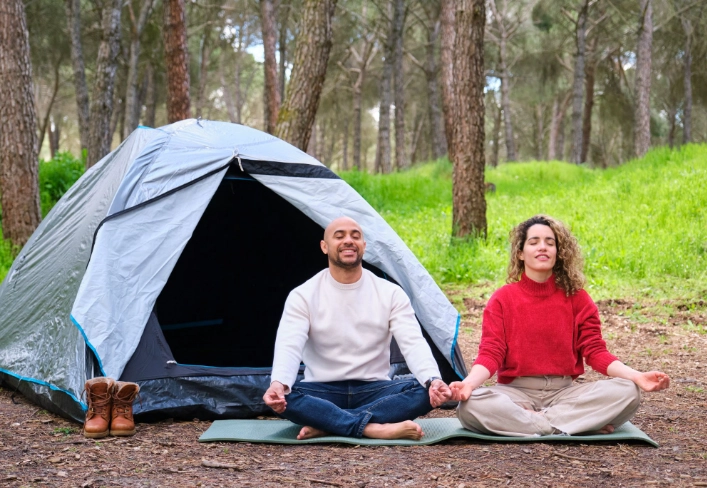
I used to think camping was just about bugs and bad coffee. Then, a few years ago, during a particularly rough patch, a friend dragged me out for a weekend in the woods. I complained the whole way there. But something shifted after that first night. The mental fog I'd been carrying around for months felt... lighter. It wasn't magic, but it felt close. That experience made me dig into the why. It turns out, the mental benefits of camping aren't just a vague feeling of "feeling good." They're concrete, science-backed changes that happen in your brain and body when you swap streetlights for starlight.
So, what are we really talking about when we discuss the mental benefits of camping? It's not one thing. It's a cascade of positive effects, from the moment you leave the asphalt behind. It's about stress melting away, creativity sparking back to life, and your brain finally getting the deep, restorative rest it's been screaming for.
Your Brain on Nature: The Science Behind the Calm
This isn't just hippie talk. Researchers have been putting numbers to this feeling for years. One of the leading theories is Stress Reduction Theory (SRT), proposed by Roger Ulrich. It suggests that natural environments trigger an automatic, positive physiological response. Our heart rate slows, blood pressure drops, and stress hormones like cortisol take a nosedive. It's an innate reaction—we're wired to find nature restorative.
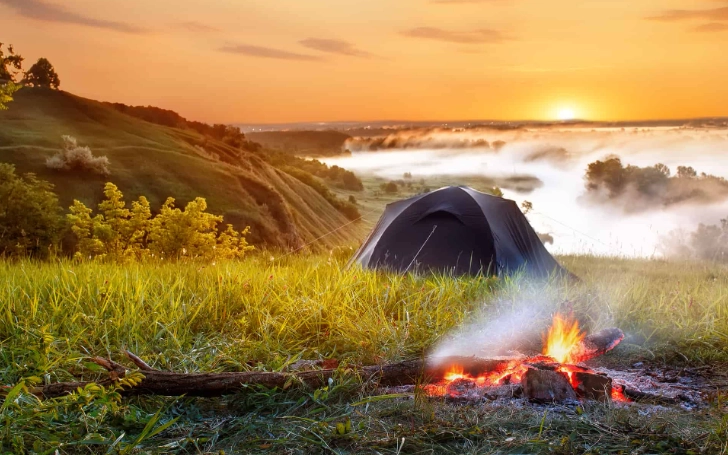
Another key idea is Attention Restoration Theory (ART) from Stephen and Rachel Kaplan. Modern life demands what they call "directed attention"—the hard, focused thinking you use for work or scrolling through dense emails. It tires your brain out. Nature, on the other hand, engages "soft fascination." Watching clouds drift, a fire crackle, or leaves rustle in the wind gives your directed attention a chance to rest and replenish. This is a core component of the mental benefits of camping: it's cognitive maintenance.
And let's not forget the simple act of moving your body. Hiking to a campsite, gathering firewood, setting up a tent—it's gentle, purposeful exercise. The American Psychological Association highlights how physical activity is a cornerstone of mental well-being, releasing endorphins and acting as a moving meditation.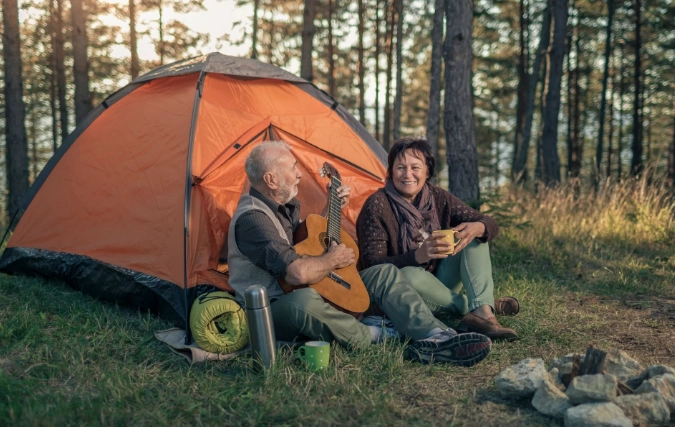
Breaking Down the Top Mental Benefits of Camping
Okay, so the theory makes sense. But what does this actually look and feel like in practice? Let's get specific.
1. The Great Stress and Anxiety Meltaway
This is the big one, the headline act. The mental benefits of camping for stress relief are almost immediate. Why? First, you physically remove yourself from your primary stress sources. That work email? Can't check it. That household chore? Miles away. You create literal distance.
Then, nature takes over. The rhythmic sounds (birds, wind, water) have a calming effect. The absence of jarring, man-made noises (sirens, construction, notifications) alone is a massive relief for your nervous system. Sunlight exposure helps regulate your circadian rhythm and boosts serotonin, a key mood stabilizer. Personally, I notice my shoulders literally drop about three hours into a trip. The constant tension just... evaporates.
I'll admit, the first few hours can sometimes have the opposite effect if you're not prepared. Forgetting a tent pole or struggling with a fire starter can be its own kind of stressful! But overcoming those small, tangible challenges often leads to a greater sense of accomplishment and calm later on. It's a different kind of stress—a solvable one.
2. Digital Detox: Rebooting Your Focus
Call it a digital detox, call it unplugging. This is a forced, glorious break for your brain. The constant multitasking and information overload of our screens fragment our attention. Camping strips that away. With spotty or no service, you're not just avoiding social media; you're giving your brain the space to think in a linear, deeper way.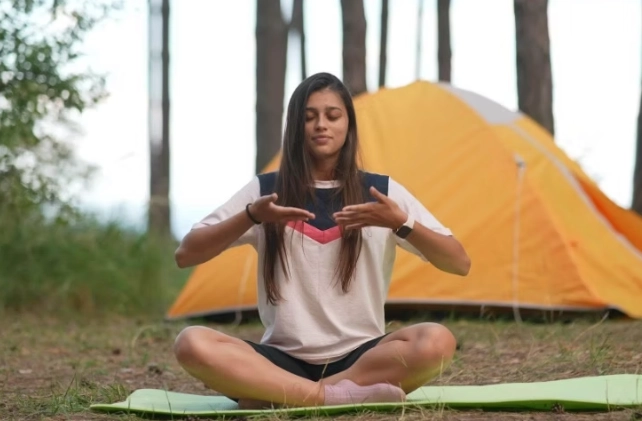
You'll be amazed at how your focus sharpens on simple tasks—reading a book, cooking a meal over the fire, identifying a bird call. This restoration of focus is one of the most underrated mental benefits of camping. You return home not just relaxed, but mentally clearer.
3. Sleep That Actually Restores You
Ever wake up after 8 hours of sleep in your bed still feeling tired? Now, think about the deep, heavy sleep you get after a day outdoors. There's a reason. Camping naturally resets your internal clock, or circadian rhythm. Exposure to natural light during the day and true darkness at night tells your body exactly when to produce melatonin (the sleep hormone). A study published in *Current Biology* found that a weekend of camping reset participants' melatonin cycles to align with sunrise and sunset, leading to better, more restorative sleep.
No blue light from screens, no street lamps bleeding through the curtains. Just the natural cycle of day and night. The mental benefits of this alone are huge—improved mood, better cognitive function, and more emotional resilience.
4. A Creativity and Problem-Solving Spark
When your brain isn't occupied with notifications and to-do lists, it starts to wander. It makes new connections. This "default mode network" is where creativity and big-picture thinking live. Staring at a campfire or a flowing stream is the perfect catalyst for this. Many people find solutions to problems they've been stewing over for weeks just pop into their heads out in the woods. It's not coincidence; it's your brain, finally free from clutter, doing its best work.
5. Building Resilience and "Real World" Confidence
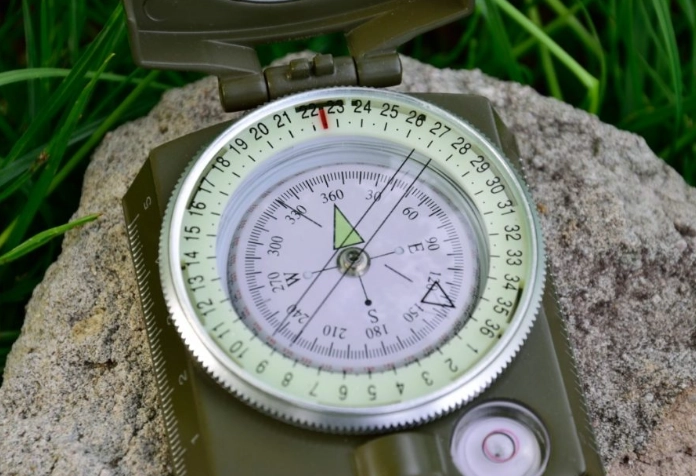
Camping presents little challenges: reading a map, pitching a tent in the wind, cooking without a kitchen. Successfully navigating these builds a tangible sense of self-efficacy. You prove to yourself you can handle discomfort and uncertainty. This translates directly back to everyday life as increased resilience. The small stressors of the office or home life feel more manageable because you've recently handled building a shelter in the rain.
6. Mindfulness on Autopilot
You don't need to force yourself to "be present" when camping. It happens automatically. Your senses are engaged—the smell of pine, the feel of cool air, the taste of food cooked outdoors, the vast panorama of stars. This is mindfulness in its purest form. You're not thinking about the past or worrying about the future; you're fully immersed in the sensory experience of the now. This practice, even for a weekend, can recalibrate your mindset for weeks to come.
Making It Work: A Practical Guide to Maximizing the Mental Payoff
Knowing the benefits is one thing. Actually getting them is another. You can't just throw a tent in a field and hope for enlightenment. A little planning goes a long way in ensuring your trip is restorative, not stressful.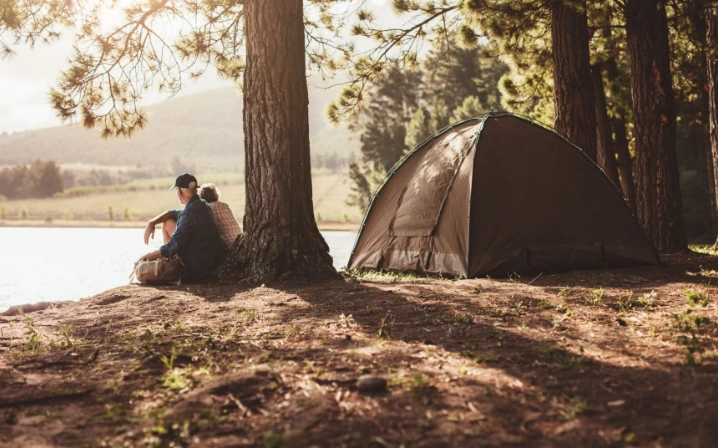
Are you seeking total solitude and silence? Look for dispersed or backcountry camping. Need a gentler introduction with facilities? A well-maintained state park campground is perfect. Don't overreach on your first trip. A miserable, cold, sleepless night will have the opposite of the intended mental benefits of camping.
| What You're Craving | Ideal Camping Style | Key Mental Benefit Focus |
|---|---|---|
| Total Digital Disconnect & Solitude | Backpacking / Dispersed Camping | Deep focus restoration, mindfulness, self-reliance |
| Stress Relief with Some Comfort | Car Camping at a State/National Park | Major stress reduction, community lite, easy nature immersion |
| Social Reconnection | Group Camping with Friends/Family | Combating loneliness, shared joy, building memories |
| Overcoming Anxiety in a Safe Way | "Backyard" or Frontcountry Camping | Exposure to novelty, building confidence, low-stakes practice |
Embrace the Boredom. This is crucial. Don't schedule every minute. Pack a book, a journal, or some sketching materials, but allow for large chunks of time with no plan at all. Let yourself be bored. That's when the mental magic often happens.
Leave the Work Talk at Home. If you're with others, make a pact to avoid shop talk. Discuss the clouds, the trees, memories, stories, or nothing at all. The goal is to create a psychological space separate from your daily identity.
My personal rule? I don't even bring a phone charger that works in the car. Once my phone dies, it's done for the trip. It's a bit extreme, but it completely removes the temptation to "just check one thing." The first time I did this, the anxiety of being disconnected lasted about an hour. Then, it was pure liberation.
Your Questions, Answered (The Stuff You Actually Google)
- Day-long hiking trips in natural areas.
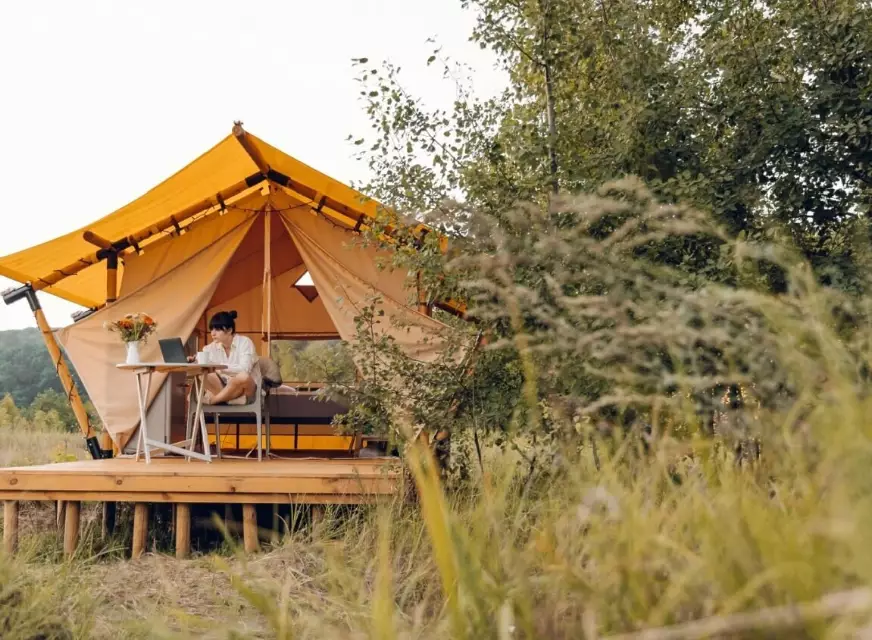
- Renting a cabin or yurt (you get the nature immersion with a solid roof).
- "Frontcountry" camping at a site with amenities.
- Simply spending full days at a park or beach and committing to leaving your phone in the car.
The goal is the experience, not the specific gear.
Bringing the Campsite Mindset Home
The real test isn't how you feel in the woods; it's how you feel when you're back. The mental benefits of camping can have a lasting effect if you consciously integrate some of the lessons.
Try to protect parts of your routine. Maybe it's a daily 20-minute walk in a park without headphones (a "micro-dose" of nature). Maybe it's instituting a strict no-phone rule for the first hour after you wake up to preserve that calm morning feeling. Perhaps you create a weekly campfire-like ritual—lighting a candle and having a real conversation with your partner, screen-free.
Notice what specifically made you feel good out there. Was it the physical accomplishment? The uninterrupted time to think? The deep sleep? Once you identify the core benefit, you can find smaller ways to weave it into your regular life.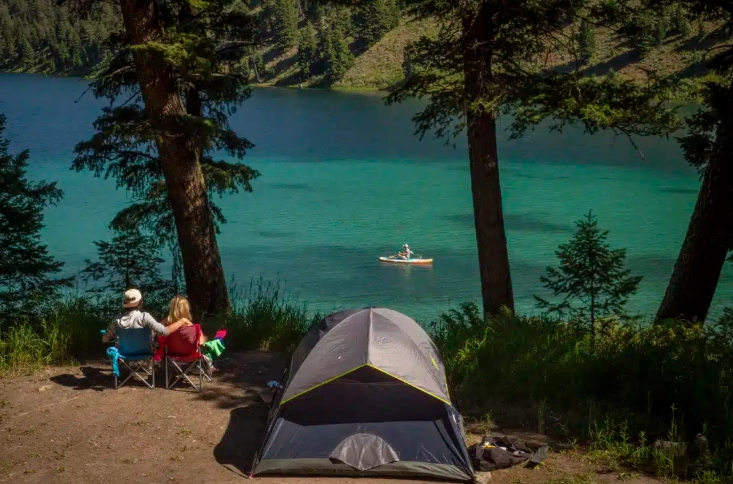
At the end of the day, the mental benefits of camping aren't a mystery or a luxury. They're a basic human need that we've designed out of our modern lives. It's about giving your brain the environment it evolved in, even if just for a weekend. It's a reset, a reminder that you're part of something bigger than your inbox, and a powerful way to recharge the mental batteries that run everything else in your life.
So, what's stopping you? The laundry can wait. The emails will pile up regardless. Your mind, however, is waiting for that long-overdue service. Pack the tent, leave the laptop, and go find your reset under the open sky.