Let's talk about the elephant in the tent. Or rather, the lack of a bathroom in the woods. Figuring out your camping toilet setup isn't glamorous, but it's arguably the most critical piece of planning you'll do. Get it wrong, and your trip turns into a stressful, smelly mess. Get it right, and you barely think about it. I've spent over a decade camping everywhere from crowded car-camping sites to remote backcountry, and I've made every mistake so you don't have to. This guide cuts through the marketing fluff and gives you the real deal on every camping toilet option, from fancy flushable units to the humble hole in the ground.
What You'll Find in This Guide
Portable Flushable Toilets: The RV-Style Solution
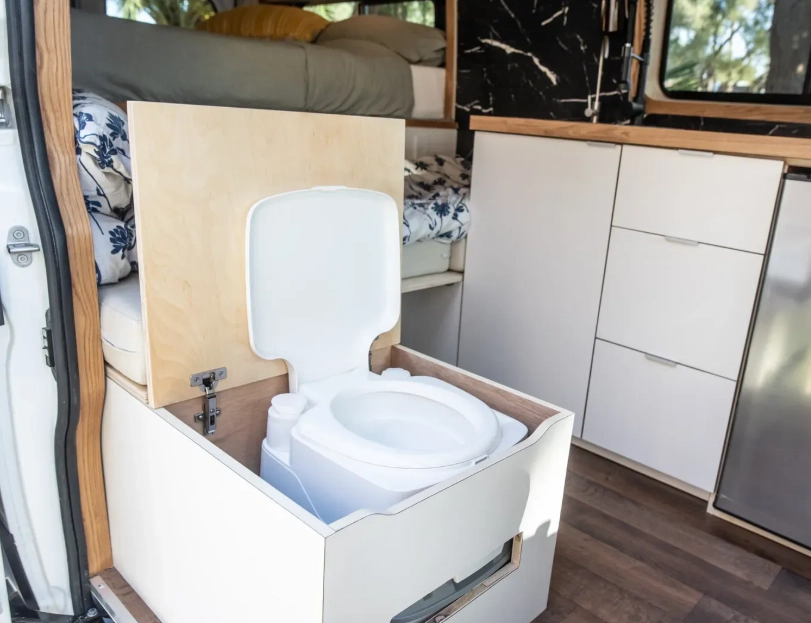
These are the kings of comfort for car campers, families, or anyone who wants a near-home experience. They look and function like a small household toilet, with a freshwater tank for flushing and a separate sealed waste-holding tank. Brands like Thetford and Camco dominate this space.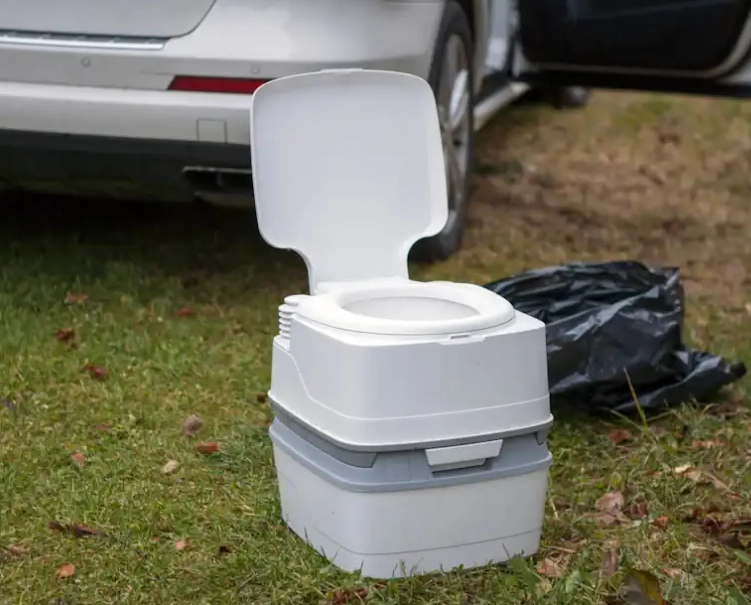
How They Actually Work (The Good and The Gross)
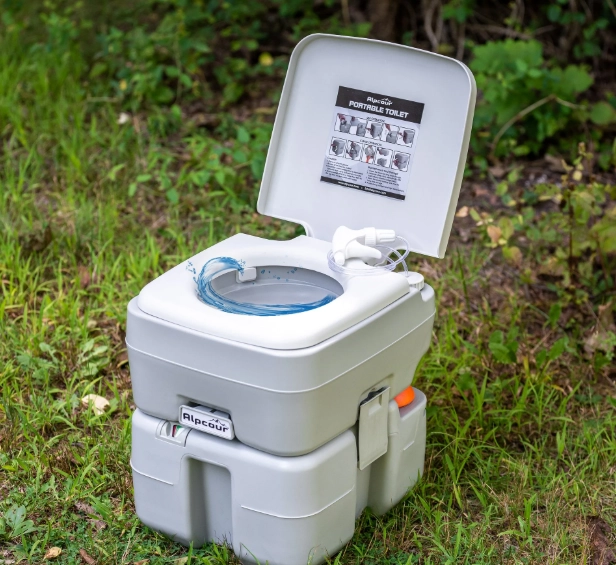
You add water and a special chemical/deodorizer to the lower waste tank. The upper tank holds clean water for flushing. After use, you pull a lever, a valve opens, waste drops into the sealed tank, and a small amount of fresh water rinses the bowl. The chemicals break down waste and control odors. Sounds perfect, right? Mostly, yes. But here's the expert nuance everyone misses: the seal on that valve is everything. A cheap model with a poor seal will let odors seep back up into the bowl area, especially on hot days. It's a design flaw that ruins the experience.
I learned this the hard way on a week-long summer trip with a budget model. By day three, a persistent, faint odor lingered around the unit no matter how much chemical I used. The problem wasn't the tank; it was the valve gasket.
Top Picks & What to Look For
| Model Type | Best For | Key Feature to Demand | Real-World Consideration |
|---|---|---|---|
| Standard 5-Gallon (e.g., Thetford 365) | Weekend trips for 2-3 people. | Bellow-style flush (uses less water). | Waste tank gets heavy when full. Practice emptying it at home first. |
| High-Capacity (e.g., Camco 5.5 Gal) | Families or longer trips without frequent dump stations. | Large sealed cap and sturdy carrying handle. | Its size eats up significant trunk space. Measure your vehicle. |
| Ultra-Compact (e.g., portable folding toilets) | Solo travelers or couples with tiny cars/SUVs. | Collapses nearly flat for storage. | Often uses bag systems instead of a liquid tank. Less “flush” feel. |
Bucket & Bag Systems: Simple, Effective, and Underrated
This is where practicality often beats fancy engineering. A simple 5-gallon bucket fitted with a snap-on toilet seat lid and lined with a heavy-duty disposable bag. You can buy complete kits like the Reliance Luggable Loo or make your own for half the price. The magic is in the bag and what you put in it.
Most people just use a bag and hope for the best. The secret is using a double-bag system with an absorbent medium. Line the bucket with a compostable bag, then add a layer of absorbent material before first use. I use a cup of coconut coir or even kitty litter. This instantly soaks up liquid, preventing sloshy, leak-prone bags—the number one complaint about this system.
For waste gel, skip the expensive brand-name packets. A more effective and cheaper solution is a mixture of a cup of water with a tablespoon of powdered laundry detergent (the bio-enzyme kind) and a half-cup of sawdust. It gels, deodorizes, and breaks down matter just as well.
Wag Bags & Catholes: For Backpackers and Leave-No-Trace Purists
When you're carrying everything on your back, your options shrink to two ethical choices: pack it out or bury it deeply.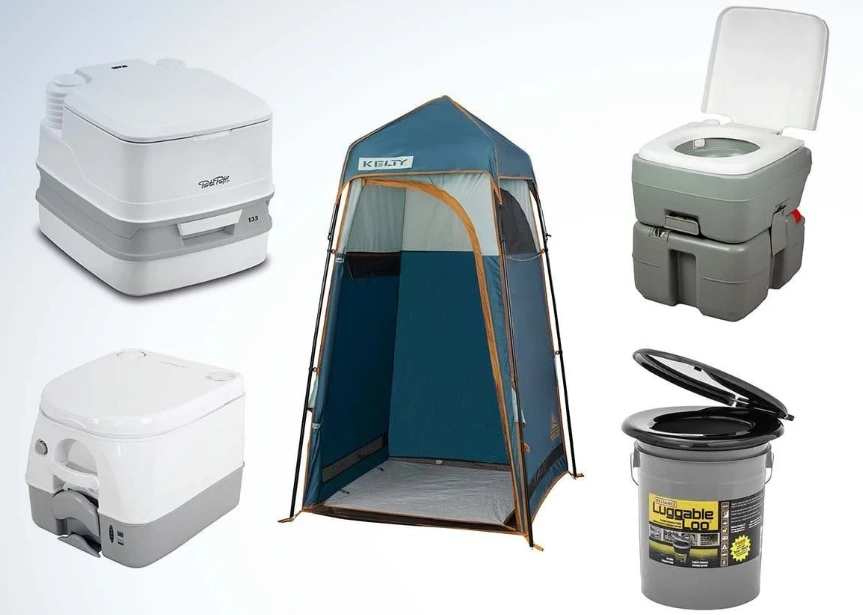
Wag Bags (or GO Anywhere Toilet Kits)
These are mandatory in many fragile alpine and desert environments. A Wag Bag is a tough, human-waste-specific bag containing a gelling/ deodorizing powder and a secure zip closure. You do your business directly in the bag, the powder solidifies it, you seal it, and pack it out. Yes, you carry your poop. It's not fun, but it's non-negotiable in places like Mt. Whitney or river canyons. The common mistake? Not folding the bag's opening correctly before sealing, leading to potential leaks in your pack. Practice at home.
The Humble Cathole
The classic backcountry method. Dig a hole 6-8 inches deep (about the length of a trowel blade) and 4-6 inches wide, at least 200 feet from water, trails, and camp. Do your thing, fill the hole back in, and disguise it. The 6-8 inch depth is critical—it's the active soil layer where microbes can break waste down quickly. Shallower, and it's a health hazard; deeper, and microbes can't reach it. Use a sturdy, dedicated backcountry trowel, not a tent stake.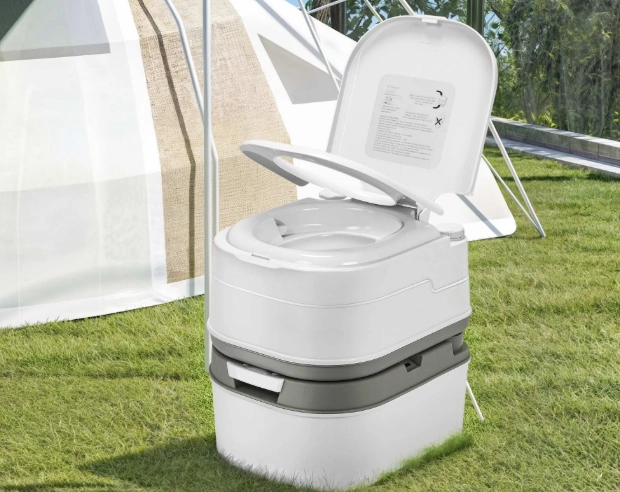
How to Choose Your Camping Toilet: A Decision Flowchart in Your Head
Stop comparing endless product reviews. Ask yourself these three questions in order:
1. What's my vehicle and campsite type?
Car/Truck Camper at a developed site: You have space. A portable flushable toilet or a sturdy bucket system is your luxury zone.
Backpacker/Hiker: Weight is everything. Your choice is between a trowel for catholes or Wag Bags, dictated by regulations.
Overlander/Boondocker: You're off-grid for days. You need a high-capacity, reliable system with a clear, sustainable disposal plan. A large portable toilet or a well-managed bucket system wins.
2. Who's in my group?
Solo adults can manage simpler systems. Families with young kids need something stable, familiar, and quick to access at 2 AM. Elderly campers will appreciate the height and comfort of a flushable unit.
3. What's my disposal plan?
This is the deal-breaker. If your campground has a RV dump station, you're golden for flushable toilets. If you're dispersed camping, you must plan for bag disposal at a later, appropriate facility. Never, ever bury plastic bags or chemical waste.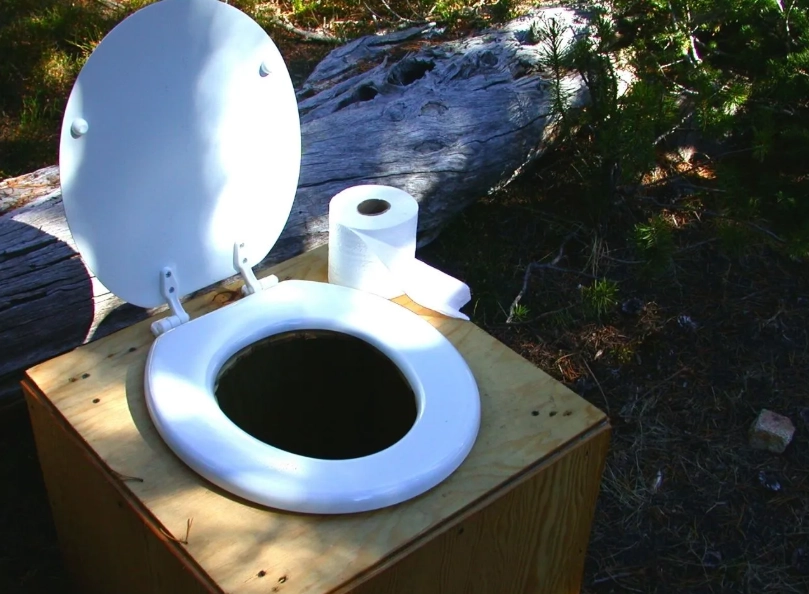
The Real Challenge: Waste Disposal Masterclass
This is the part most guides gloss over. Buying the toilet is easy. Getting rid of the waste cleanly is the skill.
For Portable Toilet Waste Tanks: Only dump at designated RV sanitary dump stations. These are often at campgrounds, truck stops, or some rest areas. Add fresh water and chemical to the tank immediately after dumping to prevent “holding tank bouquet”—a smell that's impossible to fully remove once it sets in.
For Bag Systems (Bucket or Wag Bags): You cannot throw these in regular trash cans at trailheads or campsites in most places—it's a biohazard. You must deposit them in specific “solid waste” or “human waste” disposal bins, which are increasingly common at popular trailheads. If one isn't available, you are responsible for transporting it to a suitable disposal facility, like a landfill that accepts it or the dump station (where you can sometimes dispose of sealed bags). Call ahead to confirm.
The Midnight Dilemma: You're in a remote site, your portable toilet is full, and dawn is hours away. This is where a backup plan is crucial. I always carry a few extra heavy-duty waste bags and a small amount of absorbent. You can perform an emergency transfer from the toilet's tank into a sealed bag for temporary holding. It's messy, but it beats an overflow. Plan your tank usage so it doesn't get full at the worst possible time.