Let's be honest. Nothing ruins a perfect camping trip faster than becoming a bug buffet. You're trying to enjoy a sunset by the lake, and suddenly you're swatting, itching, and wondering why you ever left the couch. I've been there—covered in bites after trusting the wrong spray. Choosing the right camping insect repellent isn't about grabbing any can off the shelf. It's a strategic decision that impacts your comfort, safety, and whether you'll want to camp again.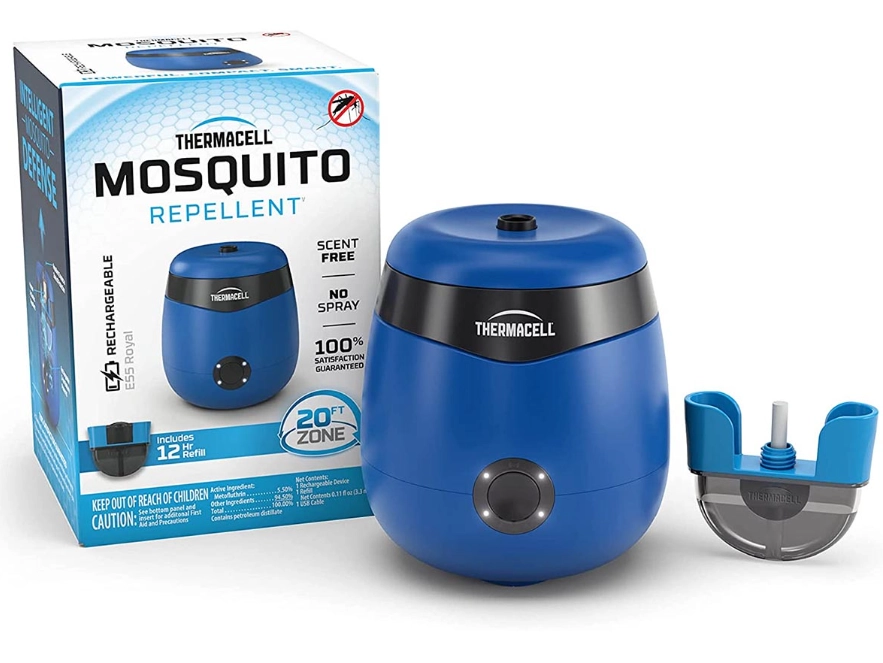
The market is flooded with options: DEET, picaridin, natural oils, wristbands, candles. It's confusing. This guide cuts through the noise. We'll compare the science-backed options, debunk common myths, and give you a clear action plan for your next trip. This isn't just theory; it's the distilled knowledge from years of trial, error, and talking to park rangers who've seen it all.
Quick Navigation: Find Your Answer
How to Choose the Right Camping Insect Repellent
Forget the fancy marketing. The effectiveness of a repellent hinges on its active ingredient and concentration. The Environmental Protection Agency (EPA) regulates these ingredients for safety and efficacy. Your choice should be based on the bugs you'll face, trip duration, and who's using it.
Here’s the breakdown of the major players you'll encounter:
| Active Ingredient | Best For | Duration (Typical 20-30%) | Key Notes & Cautions |
|---|---|---|---|
| DEET | Heavy mosquito & tick areas; Long trips | 4-6 hours | The gold standard. Can damage plastics/nylon. Use lower concentrations (10-20%) for kids. |
| Picaridin (Icaridin) | General camping; Family trips | 6-8 hours | Odorless, non-greasy, won't damage gear. Often preferred as a DEET alternative. |
| Oil of Lemon Eucalyptus (OLE) | Light to moderate bug pressure; Natural preference | 4-6 hours | Plant-based but EPA-registered. Not for kids under 3. Slight medicinal scent. |
| IR3535 | Light mosquito pressure; Sensitive skin | 4-6 hours | Gentle, used in some lotions. May require more frequent reapplication. |
| Permethrin | TICK PROTECTION (for gear/clothing only) | Lasts 6 washes | DO NOT APPLY TO SKIN. Treat clothes, tents, gear. Kills ticks & mosquitoes on contact. |
My personal go-to for most backpacking trips is a 20% picaridin spray. It works, doesn't melt my watch strap, and I don't smell like a chemical plant. For a known tick area in the Northeast, I combine that with permethrin-treated pants and socks. It's a one-two punch that's hard to beat.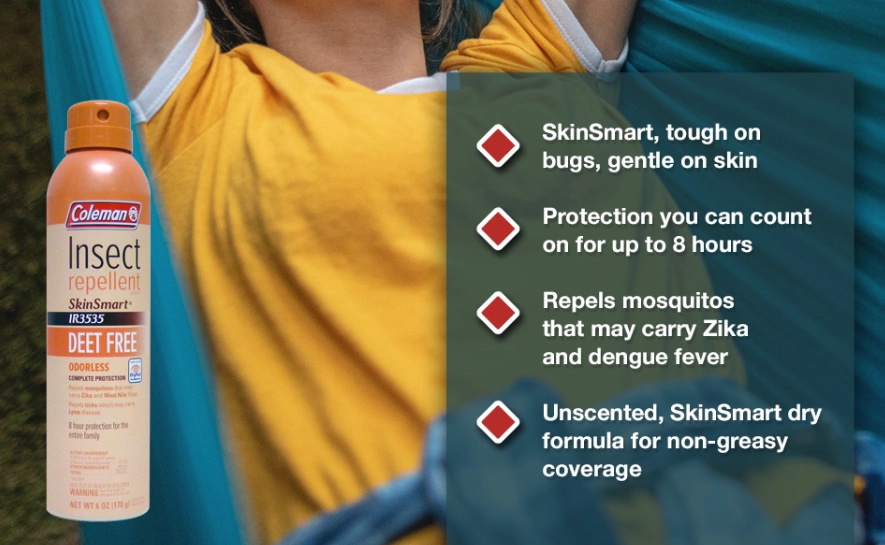
The Real Deal on "Natural" Repellents
Citronella candles, lavender oil, sonic devices—the natural aisle is tempting. Here's the straight talk: most are situational at best. A citronella candle might create a 3-foot zone of mild annoyance on a perfectly still night. In a breezy campsite with hungry mosquitoes, it's useless.
The only plant-derived repellent that gets consistent, near-DEET-level results in studies is Oil of Lemon Eucalyptus (OLE) or its synthesized version, PMD. It's registered with the EPA, which is a big deal. Others like soybean oil, citronella, and peppermint might offer short-term relief (think 30-90 minutes) in low-pressure situations. If you're car camping in a mild area and reapply constantly, they might suffice. For backcountry or bug-heavy seasons, I wouldn't rely on them as my primary defense.
How to Apply Insect Repellent Safely and Effectively
Applying bug spray seems simple. Spray and go. But doing it wrong wastes product, leaves you vulnerable, and can be unsafe. This is where most people slip up.
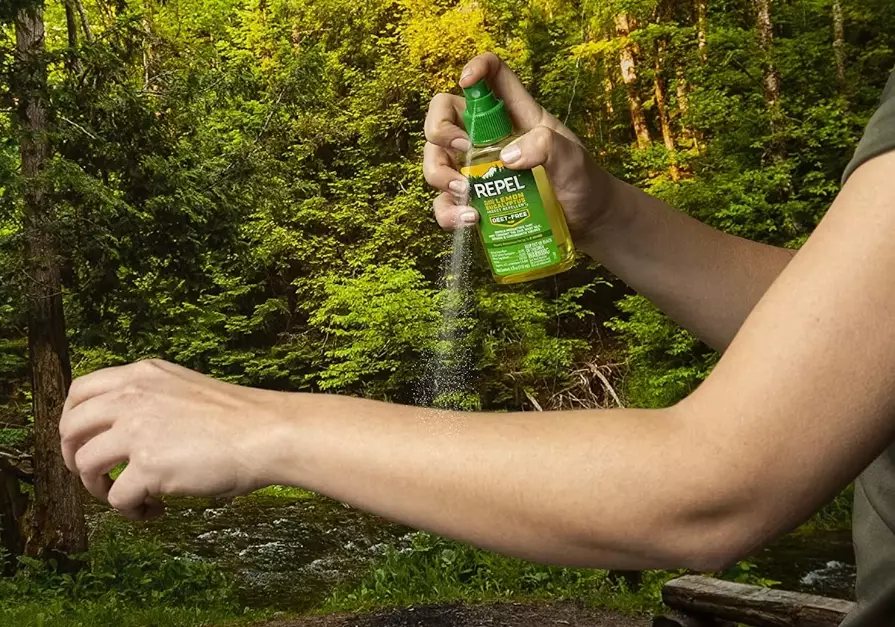
First, apply it outdoors or in a well-ventilated area. Inhaling the aerosol cloud in your tent vestibule is a bad idea. Second, spray on your hands first, then rub it on your face. Avoid eyes, mouth, and any cuts. For kids, keep it off their hands since they'll put them in their mouths.
- Coverage is key: Apply a thin, even layer to all exposed skin. Don't just do your arms and forget your ankles and neck. Mosquitoes are experts at finding the untreated spot.
- Clothing first? For skin-applied repellents, put on your clothes first, then apply to exposed skin. This prevents the product from being trapped and absorbed under clothing.
- The Permethrin Process: This is a pre-trip ritual. Spray your clothing, hiking socks, hat, and even tent mesh (from the outside!) in a well-ventilated area like a backyard. Let it dry completely—this usually takes 2-4 hours. Once dry, it's odorless and bonds to the fabric. It remains effective through several washes. This is a game-changer for tick country.
Beyond the Spray: Your Complete Camp Anti-Bug Strategy
Repellent is your personal shield, but you also need to control your environment. Think defense in depth.
Site Selection: When you arrive at a campground, look for a site away from standing water (ponds, marshes, even puddles). A breezy spot on a ridge is better than a sheltered, still hollow. Clear away tall grass and brush around your tent area to reduce tick habitat.
Gear Up: A tent with fine, intact no-see-um mesh is your sanctuary. Bring a head net for extreme bug conditions—they're lightweight and a lifesaver. Wear light-colored, long-sleeved shirts and pants. Tuck your pants into your socks. It looks dorky, but ticks can't crawl inside.
Evening Rituals: Bugs are most active at dawn and dusk. Before dusk falls, do a "tick check" on everyone. Change out of the clothes you wore hiking if you can. Use a thermacell device on the picnic table—they create a 15-foot zone of protection by vaporizing a synthetic pyrethroid. They work well for stationary camp activities but aren't for hiking.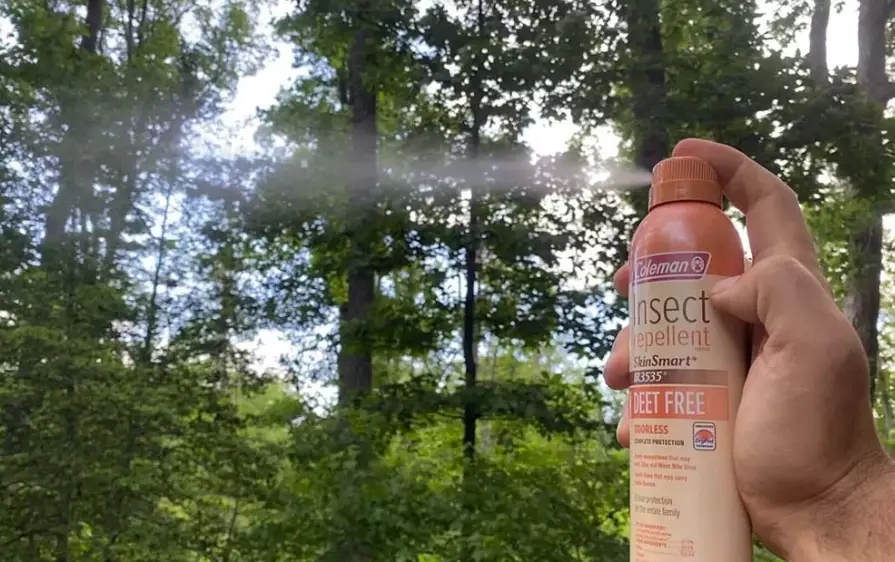
3 Costly Mistakes Campers Make with Bug Spray
After years of guiding trips, I see the same errors repeatedly.
1. The "One-Spray-Fits-All" Fallacy. Using the same weak, citronella-based spray for a backyard BBQ and a week in the Boundary Waters. Match the repellent's potency to the bug pressure and disease risk of your destination. Check the CDC's travel health notices for your camping area.
2. Under-Treating Clothing. People spray their skin but forget that mosquitoes can bite through thin fabric. If you're not using permethrin-treated gear, consider spraying a light layer of your skin repellent (like picaridin) on your shirt sleeves and pant legs. Just check it won't stain first.
3. Storing It Wrong. Leaving your bug spray in a hot car or tent all season degrades the active ingredients. Store it in a cool, dry place. And please, don't store it loose in your pack—a leaking bottle can ruin everything.
Your Camping Bug Spray Questions, Answered
 My 'natural' citronella wristband didn't work at the campground. Why?
The right repellent strategy transforms your camping experience. It's the difference between a trip remembered for stunning views and one remembered for relentless itching. Invest a few minutes in planning, pack the right tools, and apply them smartly. Your future, unbitten self will thank you as you enjoy that bug-free campfire.