Quick Guide
- So, What Exactly is a Camp Fee?
- Why Do Camps Charge So Much? Breaking Down the Cost Drivers
- The Camp Fee Breakdown: What's Usually Included vs. What's Usually Extra
- Common Questions Parents Ask About Camp Fees
- How to Evaluate if a Camp Fee is Fair and Fits Your Budget
- Pro Tips for Managing Camp Costs
Let's be honest, you see the price tag for a summer camp and your first thought might be, "Wow, that's a lot." Your second thought, if you're like most parents I've talked to, is usually a confused, "Okay, but what am I actually paying for?" What is a camp fee, really? It's not just a number they pull out of thin air, though I've definitely seen some that made me wonder.
I remember looking at brochures years ago, totally baffled. One camp charged $800 a week, another one that looked similar was $1200. Both just said "tuition" or "camp fee." It felt like comparing apples to mystery fruit. You're left guessing what's included, what's extra, and whether you're getting good value.
So let's break it down, plain and simple. No jargon, no fluff. We'll dig into what that fee typically pays for, the sneaky extra costs that can pop up (trust me, I've been surprised before), and how to figure out if a camp's price is fair. By the end, you'll be able to look at any camp's website and understand exactly what their "camp fee" means for your wallet and your kid's experience.
So, What Exactly is a Camp Fee?
At its core, a camp fee is the base price you pay for your child to attend the camp. Think of it as the camp's "tuition." It's the main cost that covers their participation in the camp's program for a set period—usually a week or multiple weeks. But here's the kicker: not all camp fees are created equal. The definition of "what is a camp fee" can vary wildly from one camp to the next.
For some camps, especially all-inclusive residential (sleepaway) camps, the fee is truly comprehensive. It covers the bed in the cabin, all meals and snacks, every single activity from archery to pottery, 24/7 supervision by trained staff, basic medical care from the camp nurse, and even laundry service for longer sessions. You pay one price, and that's it. What is a camp fee at a place like this? It's peace of mind. You know the total cost upfront.
For other camps, particularly day camps or specialty camps, the fee might be more of a base rate. It gets your child in the door and covers supervision and some core activities. But then you might pay extra for things like field trips, horseback riding, specialized art supplies, or extended care before and after the main camp hours. This is where parents get tripped up. You see a lower base price, get excited, and then the add-ons start piling up.
So the first rule of understanding camp fees is this: you must look beyond the big number. You have to ask, "What does this specific fee include?" The American Camp Association, a great resource for parents, emphasizes transparency in costs. Their guide for parents suggests making a detailed list of what's included when comparing camps. It's solid advice.
Why Do Camps Charge So Much? Breaking Down the Cost Drivers
It's easy to see a fee of $1,200 for a week and think it's pure profit. Having spoken to camp directors and looked at the numbers, I can tell you that's rarely the case. Running a safe, fun, and high-quality camp is incredibly expensive. Let's peel back the curtain on where your money actually goes.
The Big Three: Staff, Food, and Facilities
The largest chunk of your camp fee, often 60-70%, goes to people and basics.
Staff Salaries & Training: This is the biggest expense. You're paying for qualified, background-checked counselors, activity specialists, nurses, and directors. Good camps don't just hire any teenager; they invest in training. Think about it: you're trusting these people with your child's safety and happiness 24 hours a day. That costs money. They need fair wages, housing, and food. Many camps also have year-round administrative staff who plan for months before a single camper arrives.
Food & Dining Operations: Kids are eating machines at camp! Three meals a day plus snacks for hundreds of hungry campers and staff requires a massive kitchen operation. It's not just the cost of the food (and with allergies today, specialty foods are common), but also the chefs, kitchen staff, dishwashers, and the utilities to run it all. A good camp meal program is a huge logistical and financial undertaking.
Facility Maintenance & Insurance: Whether it's a rustic campground or a modern facility, upkeep is constant. Cabins need repairs, boats need maintenance, swimming pools need chemicals and lifeguards, ropes courses need safety inspections, and fields need to be mowed. Then there's insurance—a colossal cost for any organization responsible for children. Liability, accident, and property insurance premiums are a major line item in a camp's budget.
Activity Costs and Program Supplies
This is the "fun" part of the budget. Canoes, kayaks, climbing gear, archery equipment, arts and crafts supplies, science lab materials, theater costumes, sports equipment—it all adds up fast. And it doesn't last forever. Bows need new strings, canoes get cracks, paint runs out, soccer balls get lost in the woods. A portion of your camp fee is essentially a "wear and tear" fund that ensures the activities are safe and well-equipped.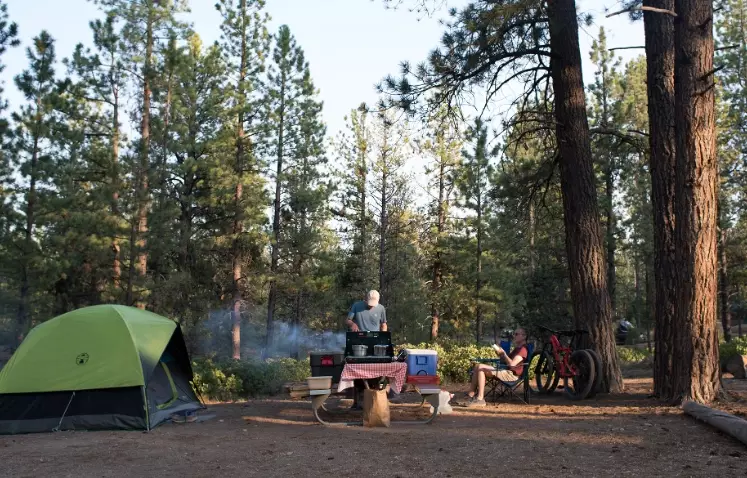
Specialty camps have even higher costs here. A robotics camp needs expensive kits and software licenses. A horseback riding camp has the immense cost of caring for and feeding the horses, farrier and vet bills, and saddle maintenance. So when you see a higher fee for a specialty camp, this is often why.
The Camp Fee Breakdown: What's Usually Included vs. What's Usually Extra
This is the most practical section. Let's get specific. Below is a table that lays out what you can typically expect a standard, all-inclusive camp fee to cover, and what items are commonly considered extras or parent responsibilities.
| Typically INCLUDED in the Camp Fee | Typically an EXTRA Cost / Parent's Responsibility |
|---|---|
| Lodging: Cabin, tent, or dorm bed with basic furnishings. | Bedding & Linens: Sleeping bag, pillow, sheets, blanket. (Some camps rent these.) |
| All Meals & Snacks: Prepared by camp kitchen, often with options for dietary needs. | Spending Money: For the camp store (t-shirts, snacks, souvenirs). |
| Core Activity Instruction & Equipment: Use of canoes, climbing gear, art supplies, sports equipment during scheduled activities. | Specialty Activity Fees: E.g., off-site horseback riding, special out-of-camp trips. |
| 24/7 Supervision: By trained counselors and staff. | Transportation to/from Camp: Some camps offer buses for an added fee. |
| Basic Health Center Services: Care from a camp nurse, first aid, dispensing of routine medications. | Medical Insurance: Camps have liability insurance, but your own health insurance covers camper illness/injury. |
| Program Materials: Craft projects they make and keep, t-shirt for camp-wide events. | Pre-Camp Medical Exam: Required physical form completed by your doctor. |
| Evening Programs & Camp-wide Events: Campfires, dances, talent shows, themed days. | Optional Photos/Packages: Professional photos taken during camp. |
See the pattern? The camp fee covers the essential, on-site, group experience. The extras are often personal items, optional upgrades, or very specialized services. The key is to get this list from the camp itself before you register. A reputable camp will have this detailed clearly in their parent handbook or on their website.
Common Questions Parents Ask About Camp Fees
Here are the real-world questions I've heard from parents (and asked myself) that often aren't clearly answered on camp websites.
Most camps don't expect you to pay a $5,000 fee in one lump sum. Almost all offer payment plans, breaking the cost into monthly installments leading up to summer. This is a huge help for budgeting. More importantly, many camps have robust financial aid or scholarship programs, often funded by alumni donations. These are usually need-based, and the application process is typically confidential. The ACA's camp fee assistance finder is a fantastic starting point. Never let the sticker price scare you away from asking about aid.
This is critical. When you register, you'll almost always pay a deposit (e.g., $200-500). This deposit is usually non-refundable. It secures your spot and covers administrative costs. The camp turns away other families once your child is enrolled. The refund policy for the balance of the fee varies widely. Some offer full refunds until a certain date (like May 1st), then a sliding scale. Others are very strict. You must read this policy carefully. Life happens—kids get sick, plans change. Know what you're committing to financially.
This is a big one. Counselor tipping is a tradition at many, but not all, summer camps. It's not usually included in the camp fee. At the end of the session, parents often give a cash tip to their child's primary counselors as a thank-you for their care. Amounts vary, but $50-100 per counselor is a common range. Some camps facilitate this through an online system; others leave it to you. Check the camp's guidance. Some camps have a strict "no tipping" policy and instead pay their staff higher wages, believing tipping creates inequity. Others consider it a vital supplement to staff income. This is a perfect example of a hidden cost not in the initial fee.
How to Evaluate if a Camp Fee is Fair and Fits Your Budget
Okay, you've got the breakdown. Now, how do you decide if Camp A at $900/week is a better deal than Camp B at $1,300/week? It's not just about the price.
- Do the Full Cost Math: Take Camp A's $900 fee. Add the cost of transportation, required gear (a new sleeping bag?), spending money, and any probable add-ons. Now do the same for Camp B, which might include everything. The gap might shrink or even reverse.
- Assess Value, Not Just Cost: What's the counselor-to-camper ratio? A 1:5 ratio is far more expensive to operate than 1:10, and it means more attention for your child. What are the staff qualifications? Are activity directors certified experts? This stuff matters.
- Consider the "Free Play" vs. "Structured Program" Balance: Some camps are highly programmed, with every minute scheduled. Others build in more unstructured time for kids to explore and socialize. Which is better for your child? A more relaxed schedule might not mean lower quality—it might mean a different philosophy you prefer.
I once chose a mid-priced camp over a cheaper one because the mid-priced camp had a lower camper-to-counselor ratio and included all field trips. The cheaper camp had a higher ratio and charged $40 per trip. For my two-week session, with three trips, the cheaper camp would have actually cost more. You have to look at the total package.
Pro Tips for Managing Camp Costs
Let's wrap up with some actionable advice. You want to make this work for your family.
- Register Early: "Early Bird" discounts are ubiquitous in the camping world. Saving 5-10% is huge on a large fee.
- Sibling Discounts: If you're sending more than one kid, ask. Many camps offer a break.
- Ask About Referral Credits: Some camps give you a credit if you refer a new family who registers.
- Look for Shorter Sessions: If a two-week fee is daunting, see if they offer a one-week introductory session.
- Buy Gear Secondhand: Check Facebook Marketplace or local consignment for sleeping bags, trunks, and other camp-specific items. Every little bit helps.
Finally, talk to your child about the cost. Not to guilt them, but to give them context. Explain that this is a special investment in their summer growth and fun. It can help them appreciate the opportunity more.
So, what is a camp fee? It's more than a price. It's the fuel for an engine that provides safety, fun, growth, and community for your child. It's the sum of a thousand details—from the food in the dining hall to the safety check on the zip line. By understanding exactly what it encompasses and asking the right questions, you can move from feeling confused and anxious to feeling confident that you're making a smart, informed choice for an unforgettable summer.
Now go find that perfect camp. Your kid's adventure is waiting.