Your Journey Starts Here
I still remember my first canoe camping trip – the peace of gliding across a mirror-like lake at dawn, and the panic when I realized I’d forgotten the bug spray. That was years ago, and since then, I’ve learned a lot through trial and error. Canoe camping combines the serenity of paddling with the adventure of wilderness camping, but it’s not just about throwing gear in a boat and heading out. If you’re new to this or looking to refine your skills, this guide is for you. We’ll dive into destinations, gear, planning, and those subtle mistakes that can make or break your trip.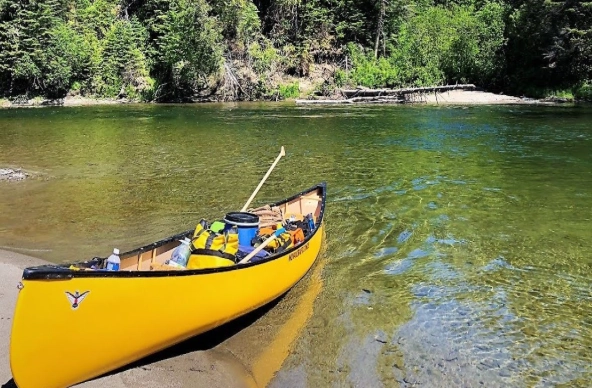
What Exactly is Canoe Camping?
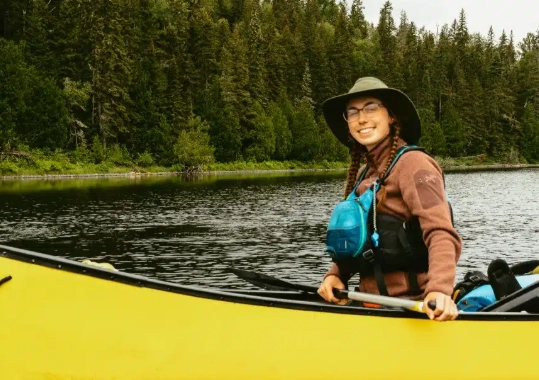
Canoe camping is essentially backpacking on water. You pack your camping gear into a canoe, paddle to remote sites, and set up camp along shorelines. It’s different from kayak camping because canoes offer more storage space, making them ideal for longer trips or group outings. The appeal? Access to pristine areas that are unreachable by foot, and the rhythm of paddling that lets you slow down and connect with nature. But here’s a thing many overlook: canoe camping requires a balance between packing light and bringing enough supplies. You can’t just overstuff the canoe; stability matters.
Why choose canoe camping over other forms? For me, it’s the versatility. You can cover more distance than hiking, yet carry more comfort items than backpacking. Plus, kids and pets often find it easier to join. But it’s not all sunshine – weather can turn quickly, and portaging (carrying the canoe over land between waterways) can be a workout. I once portaged a mile with a heavy pack and nearly gave up; now I always scout routes beforehand.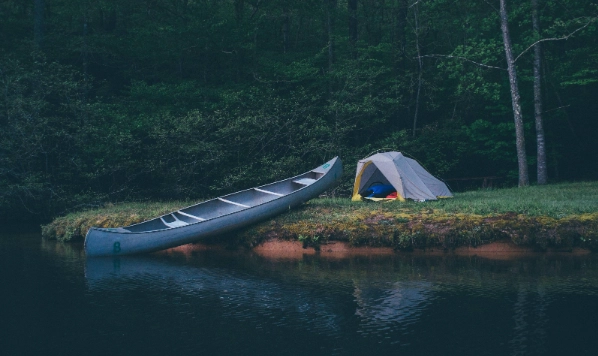
Top 3 Canoe Camping Destinations You Need to Try
Not all waterways are created equal for canoe camping. Some spots are legendary for their scenery and accessibility. Based on my trips and recommendations from paddling communities, here are three top destinations in North America.
Boundary Waters Canoe Area Wilderness, Minnesota, USA
This is a classic. Over a million acres of interconnected lakes and forests, with no motorboats allowed in most areas. You’ll need a permit from the U.S. Forest Service, which costs $16 per adult per trip (as of 2023, but check for updates). Entry points are scattered around Ely, Minnesota – a town that feels like it exists for paddlers. The best time is late spring to early fall, but avoid July if you hate mosquitoes. Routes vary from easy loops to challenging multi-day trips. I spent a week there last summer, and the silence at night, broken only by loon calls, was unforgettable. Pack a good map; cell service is nonexistent.
Algonquin Provincial Park, Ontario, Canada
Algonquin is a paddler’s paradise with over 2,000 lakes. Permits are required and can be booked online through Ontario Parks. Fees start at around $12 per person per night, plus camping fees. The access points are along Highway 60, about a 3-hour drive from Toronto. Summer is busy, so aim for September when the crowds thin and fall colors emerge. Campsites are first-come, first-served on the water, so start early. I’ve taken my family here; the kids loved spotting moose, but the portages can be rugged. Bring a canoe cart if you have one – it saved my back on the longer carries.
Everglades National Park, Florida, USA
For a different vibe, try the Everglades. It’s a maze of mangroves and open water, best for experienced paddlers due to tides and weather. Permits are required for backcountry camping, available through the National Park Service for $21 per trip plus fees. Launch from Flamingo or Gulf Coast visitor centers. Winter is the prime season to avoid heat and bugs. The wildlife is incredible – I’ve seen manatees and dolphins – but the mosquitoes are no joke. Plan routes carefully; some sites are chickees (raised platforms over water), which require booking months in advance.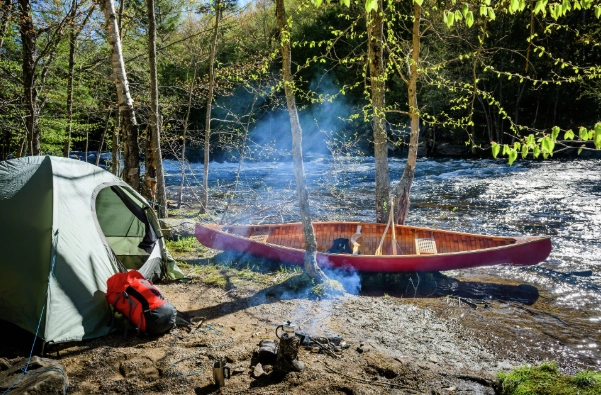
The Non-Negotiable Gear List for Canoe Camping
Packing for canoe camping is an art. You need enough to be comfortable, but not so much that the canoe sinks. I’ve seen people bring folding chairs and giant coolers – it’s a disaster waiting to happen. Here’s a breakdown of what you really need.
| Category | Essential Items | Why It Matters |
|---|---|---|
| Shelter & Sleep | Lightweight tent, sleeping bag rated for temps, sleeping pad | Canoe campsites can be rocky or damp; a good pad insulates from cold ground. |
| Paddling Gear | Canoe, paddles, life jackets (PFDs), waterproof bags | PFDs are legally required in most places. I prefer touring paddles for efficiency. |
| Kitchen & Food | Camp stove, fuel, cookware, bear-resistant food container | Open fires aren’t always allowed. A bear canister is crucial in many wilderness areas. |
| Clothing | Quick-dry layers, rain jacket, hat, sturdy shoes | Cotton kills – it stays wet and cold. Merino wool or synthetic fabrics are better. |
| Safety & Navigation | First-aid kit, map and compass, whistle, headlamp | GPS can fail; old-school navigation saved me once when fog rolled in. |
Avoid overpacking clothes. I used to bring multiple outfits, but now I stick to two sets: one for paddling, one for camp. Roll clothes in compression sacks to save space. And here’s a non-consensus point: skip the heavy cooler. Use a soft cooler bag with ice packs for perishables; it’s lighter and fits better in the canoe. I learned this after a trip where a hard cooler took up half the space and made the boat tippy.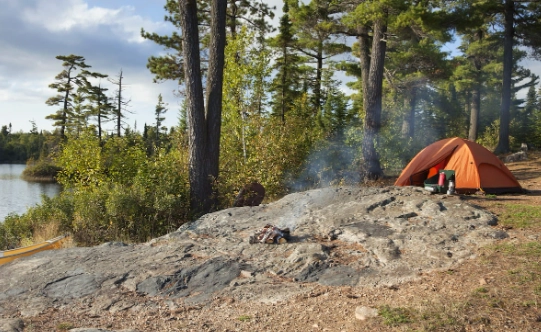
Planning Your Trip: A Step-by-Step Blueprint
How do you turn an idea into a smooth canoe camping trip? It’s not just about picking a lake. Follow these steps to avoid common pitfalls.
Step 1: Choose Your Destination – Match the route to your skill level. Beginners should opt for calm lakes with short paddles, like those in Algonquin’s interior. Use resources like Paddling.com for reviews. I once picked a river with strong currents without realizing it – we ended up portaging more than paddling.
Step 2: Get Permits and Permissions – Many popular areas require reservations months ahead. For Boundary Waters, permits open in January; for the Everglades, it’s 60 days in advance. Don’t forget parking passes at trailheads.
Step 3: Plan Your Route and Campsites – Map out daily distances. A good rule is 5-10 miles per day, depending on wind and portages. Mark potential campsites on your map; in busy seasons, have backups. I use Gaia GPS app for offline maps, but always carry a paper backup.
Step 4: Pack and Test Your Gear – Do a trial pack in your backyard. Load the canoe and check balance. Heavy items should be centered and low. Test your stove and filter water before you go – I’ve had a pump filter fail on day one.
Step 5: Check Weather and Conditions – Wind is a bigger enemy than rain. Forecasts can change; in the Boundary Waters, I’ve seen calm mornings turn into windy afternoons that make paddling tough. Have a layover day option.
Leave a trip plan with someone back home. Include your route, expected return, and emergency contacts. It’s a simple step that many skip, but it’s saved lives.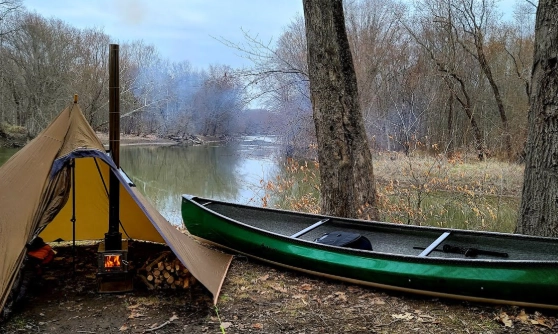
Safety First: Mistakes Even Experienced Paddlers Make
Safety in canoe camping isn’t just about wearing a life jacket. It’s about anticipating problems before they happen. Here are some subtle errors I’ve seen or made myself.
Underestimating Weather – On water, you’re exposed. A sunny day can turn stormy fast. Always check marine forecasts, not just general weather. I got caught in a thunderstorm on Lake Superior once; now I pack a weather radio and plan to be off water by early afternoon if storms are possible.
Ignoring Hypothermia Risks – Even in summer, water temperatures can be cold. If you capsize, hypothermia sets in quickly. Dress for the water, not the air. A wetsuit or drysuit is worth it for cold regions. I wear a synthetic base layer year-round.
Poor Loading and Balance – How you pack affects stability. Keep weight low and centered. Heavy gear like food barrels should be amidships. I once put a heavy pack at the bow, and the canoe plowed through waves instead of riding over them – it was exhausting to paddle.
Forgetting Basic Repairs – Duct tape and a multi-tool can fix a cracked paddle or leaky tent. I also carry a spare paddle tied to the canoe. On a remote trip, a broken paddle means you’re stuck.
Wildlife encounters are common. In bear country, store food properly. In the Everglades, alligators are usually shy, but don’t camp too close to the water’s edge. Mosquitoes and ticks are the real nuisance – permethrin-treated clothing is a game-changer.
Frequently Asked Questions
Canoe camping opens up a world of quiet lakes and starry nights, but it demands preparation. Start small, learn from each trip, and soon you’ll be planning longer adventures. Remember, the goal isn’t to conquer nature, but to be part of it. Pack light, paddle smart, and leave no trace. If you have more questions, drop a comment – I’m happy to share from my decade of mistakes and triumphs on the water.