What You’ll Find in This Article
Let's be honest. When you think about camping, you probably picture stunning views, fresh air, and maybe escaping your inbox for a couple of days. But what if I told you that the most valuable thing you bring back from a camping trip isn't in your photos, but in the quality of your connections? The social benefits of camping are profound, often overlooked, and honestly, a game-changer for how we relate to each other in this hyper-connected, yet strangely disconnected, world.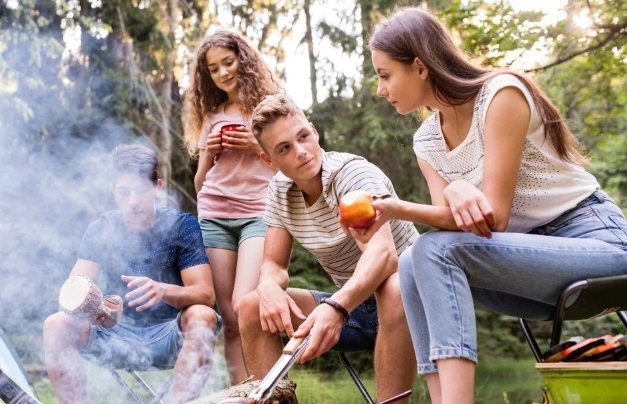
I've been camping with friends, family, and even large groups for years. There was this one trip up to the Rockies with three close friends. We'd known each other for a decade, shared apartments, been through job changes. But something shifted around that campfire on the third night. The conversations went deeper, the silences were more comfortable, and the stupid inside jokes from that trip still get referenced today. It wasn't magic. It was the environment doing its work. That experience got me thinking and reading, and it turns out, the science and the stories back it up. Camping is a powerful social catalyst.
Core Insight: The social benefits of camping stem from a perfect storm of conditions: shared, tangible goals (setting up camp, cooking), removal of digital distractions, a neutral and often awe-inspiring environment, and the necessity of cooperation. It's a forced, but wonderfully effective, social reset button.
The Shared Struggle: How Camping Breaks Down Social Barriers
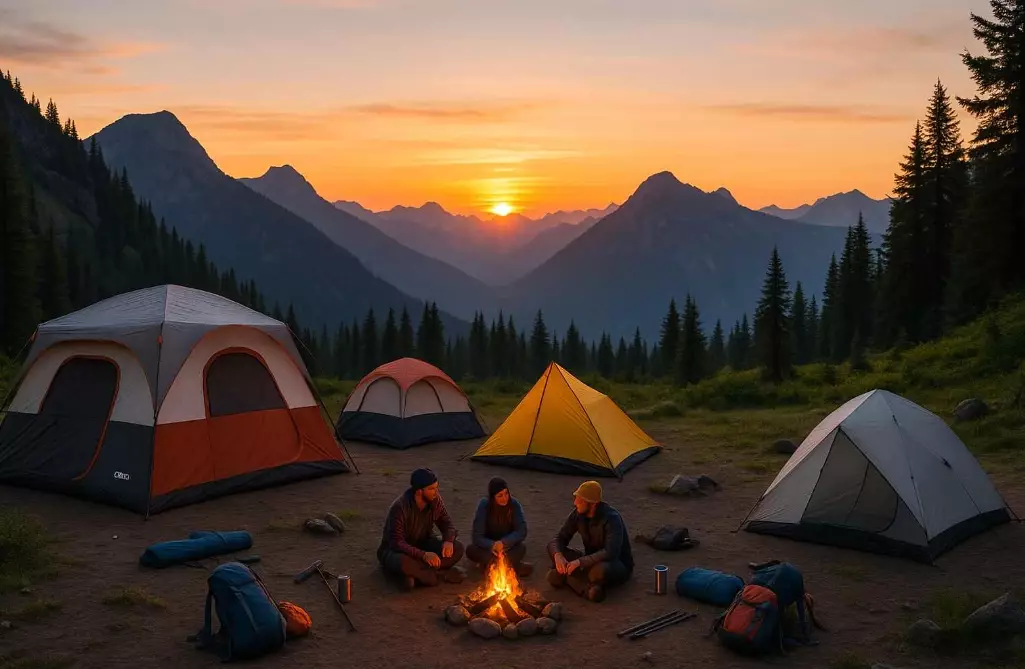
You don't really know someone until you've tried to put up a tent together in the wind. Or failed to start a fire with damp wood. Or huddled under a tarp waiting for a rain shower to pass. These aren't inconveniences; they're social gold. In our daily lives, interactions are often transactional and performed within our specific roles—coworker, parent, customer. Camping strips that away. Suddenly, you're all just humans trying to achieve basic survival-ish tasks: shelter, food, warmth.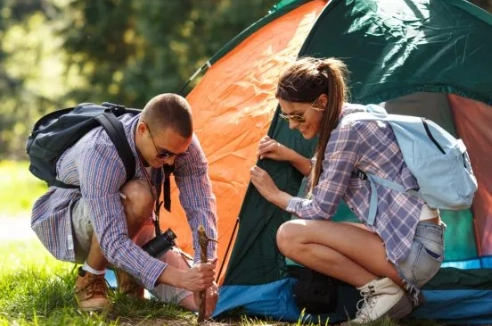
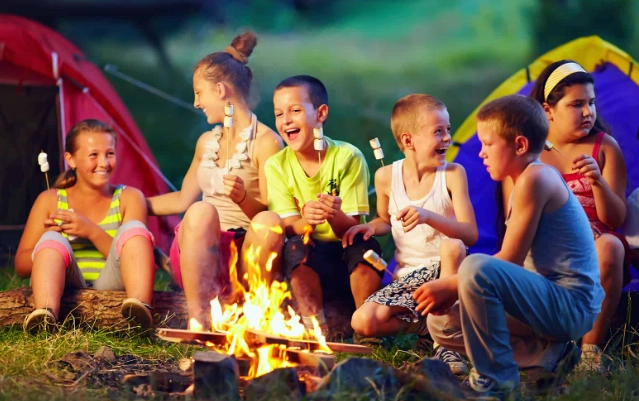
This shared, low-stakes “struggle” creates instant camaraderie. There's no hierarchy around the firepit. The CEO and the intern are equally clueless about how to perfectly toast a marshmallow. This leveling effect is one of the most immediate social benefits of camping. It fosters empathy and teamwork in a way a corporate retreat seminar never could. You're not role-playing teamwork; you're living it because you need to eat.
This process builds what psychologists call “shared situational identity.” You're no longer just a collection of individuals; you're “the group that conquered that muddy trail” or “the team that cooked spaghetti in a single pot.” These shared narratives become the glue for your relationships long after you've shaken the sand out of your shoes.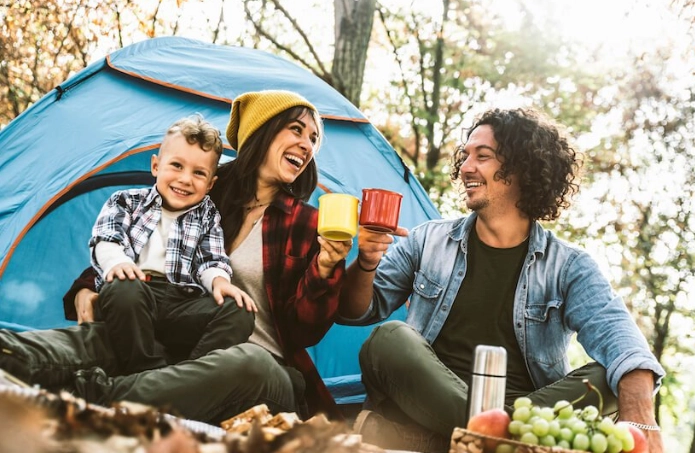
Communication Unplugged: Talking Around the Campfire
Here's the big one. Camping, by its nature, involves a degree of digital detox. Spotty service, conserving phone battery, or just a collective agreement to put devices away. When the screens go dark, something remarkable happens: people start talking. And I mean really talking.
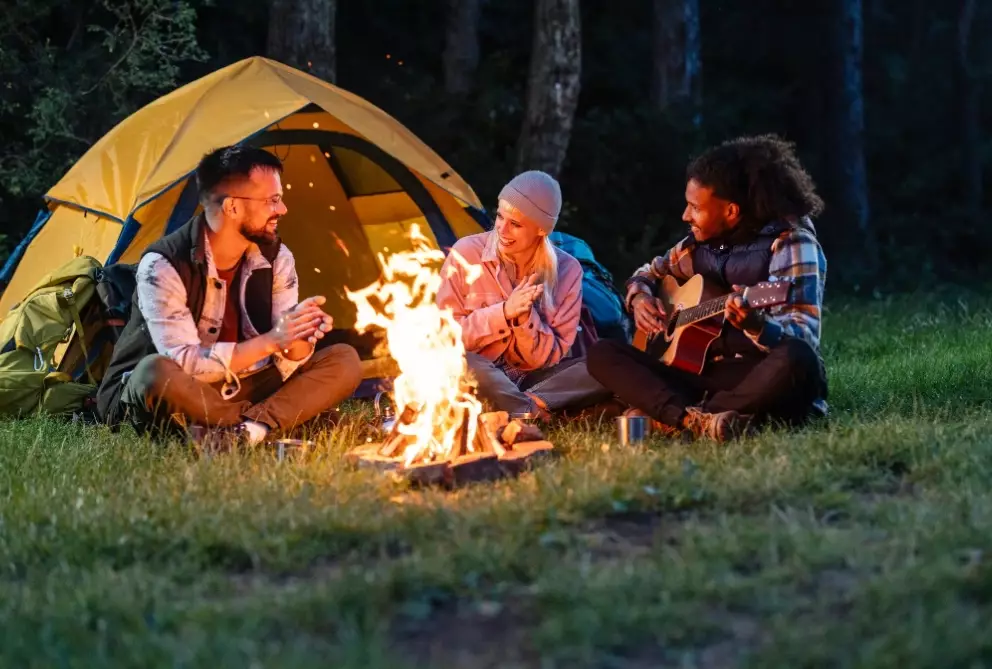
Without the constant ping of notifications, conversations can unfold slowly, meandering like a creek. There's space for pauses, for stories that take time to tell, for questions that dig a little deeper than “How was your week?” The campfire, in particular, is a ancient social technology. The flickering light, the shared focus, the cozy circle—it naturally encourages storytelling, confession, and philosophical musings. You talk about dreams, fears, funny childhood memories, or just speculate about the stars. This quality of communication is a rare commodity today and is central to the emotional social benefits of camping.
The U.S. National Park Service openly discusses the mental health benefits of nature, which directly feeds into social health. When we are less stressed and more present—states naturally induced by time in nature—we are better, more patient, more attentive listeners and communicators.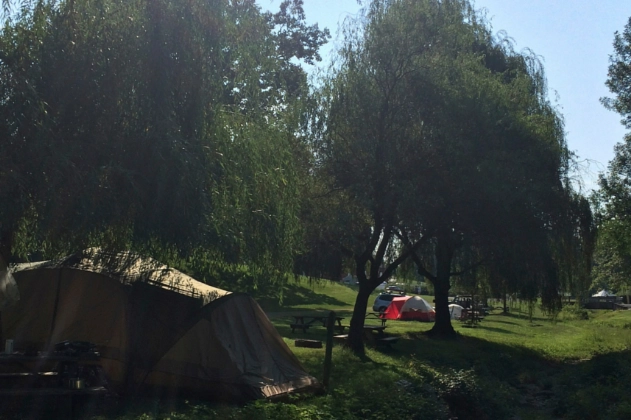
What Gets Talked About Around the Fire?
- Stories, not status updates: Instead of recapping work drama, you share the tale of the time you got lost in a foreign city or your grandpa's old fishing stories.
- Future plans and “what ifs”: Conversations naturally drift towards aspirations, travel ideas, or hypothetical scenarios in a low-pressure way.
- Appreciation: It's easier to say “This is really nice” or “I'm glad we're doing this” when you're surrounded by natural beauty and quiet.
Teamwork Makes the Camp Work
Modern life often lets us be incredibly independent. We order solo meals, work alone on laptops, consume entertainment individually. Camping gently forces interdependence. Setting up a campsite is a series of small, collaborative projects. This tangible teamwork is a cornerstone of the social benefits of camping for groups, families, and couples.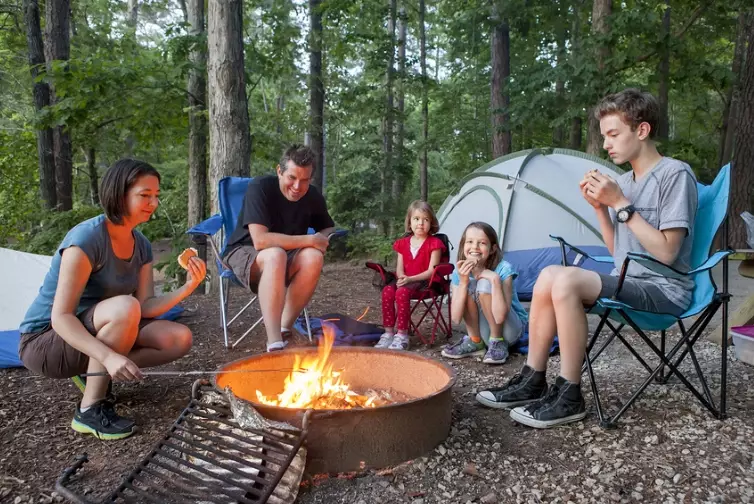
Let's break down the teamwork in a typical camping scenario:
| Camp Task | Teamwork Skills Involved | Social Outcome |
|---|---|---|
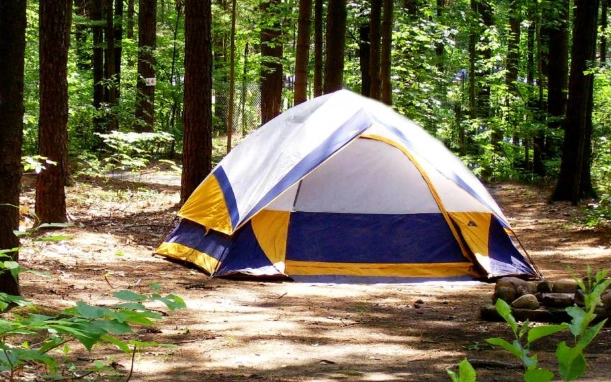
| Pitching the Tent | Clear communication, role assignment (who holds the pole, who threads the sleeve), patience, problem-solving. | Creates a shared sense of accomplishment and “home.” The tent becomes “our” space. |
| Preparing a Meal | Division of labor (chopping, cooking, cleaning), resource management, creativity with limited ingredients. | Shared responsibility leads to a shared reward. A meal cooked together always tastes better. |
| Navigating a Trail | Decision-making (which path?), pacing for the group, encouragement, sharing water/food. | Builds trust and a collective “we did it!” mentality upon reaching the destination. |
| Building & Maintaining a Fire | Gathering resources together, teaching/learning, shared vigilance for safety. | The fire becomes the communal heart of the camp, the literal and figurative center of gathering. |
These aren't abstract exercises. You succeed or you're cold, hungry, or wet. The feedback is immediate and real. For families, getting kids involved in these tasks teaches responsibility in a fun, contextual way. For work teams, it reveals dynamics and strengths in a neutral setting far from the office.
It's cooperation with a tangible, often delicious, payoff.
Building Memories and Shared Stories
The social benefits of camping have a incredibly long shelf life. The memories created are vivid and sensory—the smell of pine, the taste of charred food, the sound of a loon call, the ache in your muscles from a hike. These sensory anchors make the memories stick.
And what do friends, families, and couples do? They reminisce. The story about the raccoon that stole the bag of chips, the hilarious failed attempt at fishing, the breathtaking sunrise you all witnessed in silence—these become part of your group's folklore. They are stories you'll tell for years, reinforcing your bond each time. “Remember that time we camped at…” is one of the most powerful social phrases there is. It instantly transports you back to a state of connection.
This shared history is a buffer against the drift that can happen in relationships over time. It gives you a common language of inside jokes and references that outsiders don't get, which strengthens the sense of being a unique tribe.
Social Benefits of Camping for Different Groups
The magic works for almost any constellation of people, but the specific benefits can vary.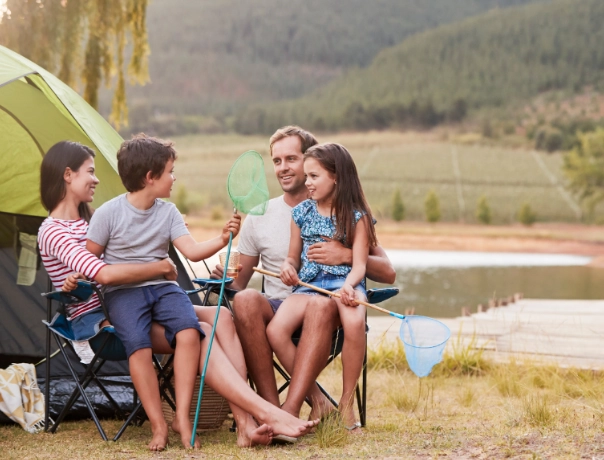
For Families
It's quality time on steroids. Without the distractions of house chores, screens, and separate schedules, families actually hang out. Parents and kids work side-by-side. Siblings (often) collaborate against a common “enemy” like assembling a tricky camp chair. The American Psychological Association highlights that shared recreational activities are key for family bonding. Camping is the ultimate shared activity. Conversations happen organically during a walk or while washing dishes. It's also a fantastic, low-cost way for kids to learn resilience, nature appreciation, and simple life skills from their parents in a hands-on way.
For Friends
As adults, it gets harder to maintain deep friendships. Camping trips become intentional gatherings. They move your friendship beyond just catching up over dinner. You create new, shared experiences that deepen the foundation. It's also a great equalizer—everyone pays their share, everyone contributes labor. It tests and ultimately strengthens the friendship in a low-drama environment. You learn who's a morning person, who's a whiz with a camp stove, and who always packs the best snacks.
For Couples
Think of it as a relationship tune-up. You have to communicate constantly, make small decisions together, and handle minor stresses as a unit. There's no retreating to separate rooms or getting lost in separate screens. You're together, navigating a simple adventure. It fosters partnership and often reveals new, admirable sides of your partner (like their surprising fire-building skills or their calm when the weather turns). The romance of a starlit sky doesn't hurt either.
For Team Building & Large Groups
Organizations like the American Camping Association have long understood the value of outdoor experiences for group development. For corporate teams or clubs, camping removes workplace hierarchies and puts everyone in a novel, challenging, and fun environment. The teamwork required for camp logistics translates directly back to workplace collaboration. It builds trust and reveals leadership and problem-solving styles in a context far removed from quarterly reports.
Overcoming the “But I'm Not Outdoorsy” Excuse
I hear this all the time. “I'd love the social part, but I hate bugs/can't sleep on the ground/own zero gear.” Fair. But maximizing the social benefits of camping doesn't require you to be Bear Grylls.
Start small. “Car camping” at a developed campground is the gateway. You drive right to your site, have a picnic table, often a fire ring, and sometimes even bathrooms nearby. The barrier to entry is low. You can bring comfy air mattresses, coolers full of good food, and even a pop-up canopy for shade. The goal isn't survival; it's social connection in a natural setting.
- Borrow or rent gear. Don't invest thousands before you know if you like it.
- Go with an experienced friend. Let them handle the logistics the first time while you focus on the experience.
- Choose good weather. Your first trip shouldn't be a test of endurance. A sunny weekend in a beautiful local state park is perfect.
- Focus on the company, not the “outdoorsiness.” Pack games, good food, and focus on hanging out. The location is just a bonus.
The point is to get out of your normal environment together. Even a slightly bumpy night in a tent can become a hilarious shared story, which is the whole point of seeking out these social benefits of camping in the first place.
Frequently Asked Questions (FAQs)
Look, camping isn't always perfect. Sometimes it rains. Sometimes you forget the can opener. Sometimes the mosquitoes are relentless. But it's in those imperfect, unscripted moments—the collective groan when the first raindrop hits, the shared triumph of MacGyvering a solution, the mutual suffering and subsequent laughter—that the real social magic happens.
It strips away the noise and lets us connect in the oldest way humans know how: by sharing a simple journey under an open sky.
The social benefits of camping aren't just a nice side effect; they're often the main event. In a world where we're more connected digitally than ever, but reports of loneliness are skyrocketing, an activity that forces real-world, cooperative, screen-free connection isn't just a hobby. It might just be a necessary remedy. So next time you're thinking of how to strengthen your bonds with the people who matter, maybe skip the fancy restaurant. Try a campground instead. The investment is smaller, and the returns—in laughter, stories, and a deeper sense of belonging—are immeasurably greater.