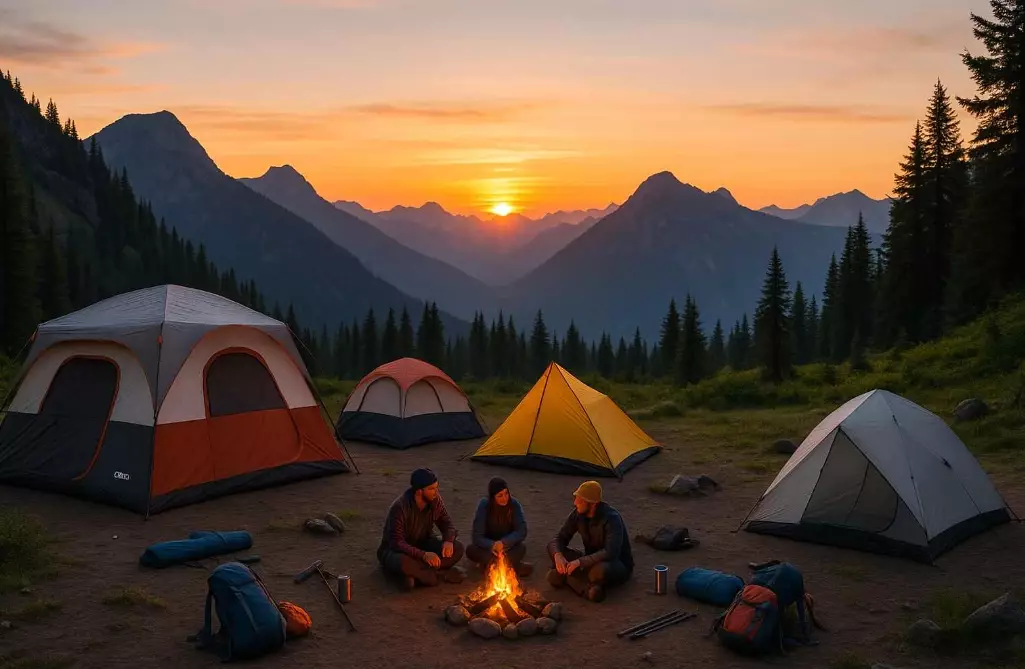
Packing your backpack for a multi-day hike shouldn't feel like a puzzle where half the pieces don't fit. I've been there—standing in my living room surrounded by gear, convinced I needed three different jackets for a three-day trip. The truth about backpacking camping gear is simpler: it's a balancing act between preparedness and weight, where every ounce matters more than you think. Forget the generic checklists. Let's talk about the why behind each item, the subtle mistakes that add pounds to your pack, and how to build a kit that lets you enjoy the trail, not just survive it. This guide cuts through the noise, focusing on a practical, lightweight backpacking gear list that works for most three-season conditions.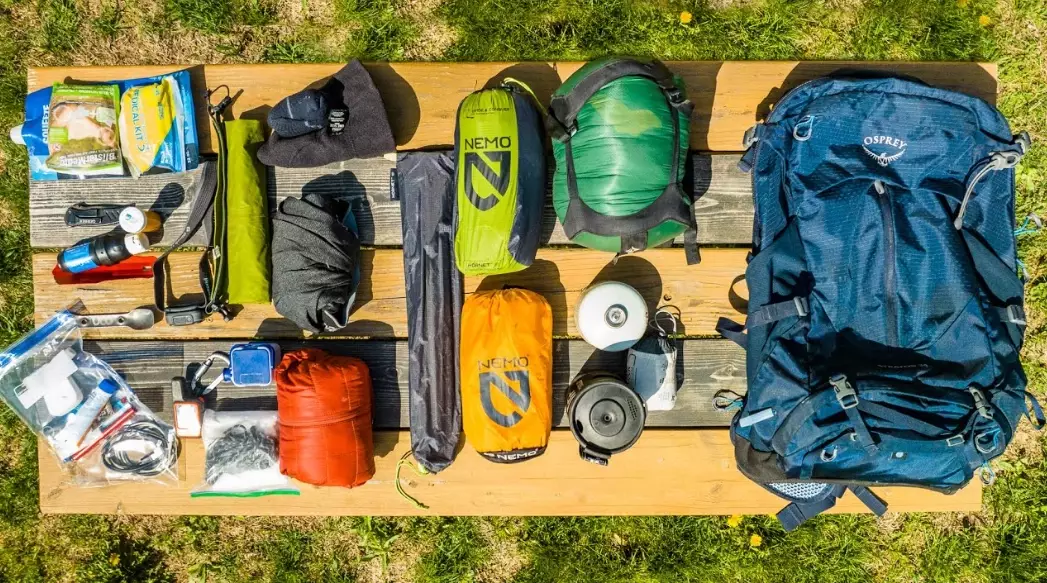
What You'll Find in This Guide
The Lightweight Backpacking Mindset
Lightweight backpacking isn't about suffering with minimalist gear. It's about efficiency. Carrying 25 pounds instead of 35 pounds over 10 miles is the difference between arriving at camp tired and arriving at camp utterly spent, with enough energy to actually enjoy the sunset. The goal is to scrutinize every item. Ask yourself: What's its function? Is there a lighter alternative that serves the same purpose? Could I combine functions? This mindset shift is more important than any single piece of gear.
How to Choose the Right Backpacking Gear
Start with the Big Three: your backpack, shelter, and sleep system. These account for most of your pack's weight and cost. Don't buy a 65-liter pack first; choose your shelter and sleep system, then get a pack that fits them. Here’s a breakdown of the decision process.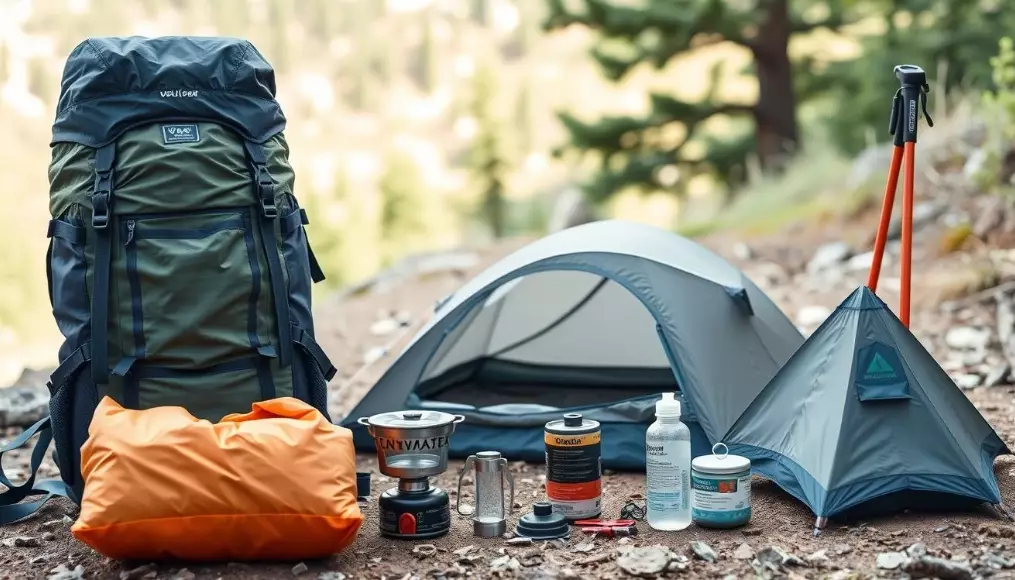
Backpack: The Foundation
Capacity is key. For summer weekend trips, 50-60 liters is often enough. For longer trips or colder weather where you need bulkier insulation, 60-70 liters is safer. The fit is non-negotiable. Go to a store, get measured for your torso length, and load the pack with weight. The hip belt should sit on your iliac crest (the top of your hip bones), transferring most of the load off your shoulders.
Shelter: Tent, Tarp, or Hammock?
This is where personal preference and environment clash. A freestanding tent is easiest for beginners on rocky ground. A trekking pole tent saves significant weight but requires skill to pitch. A hammock is heavenly in buggy, forested areas but useless above the tree line. For most people starting out, a lightweight double-wall tent is the most versatile choice.
Sleep System: Bag and Pad
Your sleeping bag's temperature rating should be at least 10°F lower than the coldest temperature you expect. A 20°F bag is a solid three-season choice. More important than the fill (down vs. synthetic) is how you store it—never compress it for long-term storage, as it kills the loft. Your sleeping pad provides both cushion and critical insulation (its R-value). Don't skimp here. An R-value of 3 or higher is good for three seasons.
| Gear Category | Key Consideration | Lightweight Target (per item) | Pro Tip |
|---|---|---|---|
| Backpack | Torso fit & capacity | 2 - 3.5 lbs | Buy this last, after you know the volume of your other gear. |
| Shelter (Tent) | Seasonality & floor space | Under 3 lbs (for 2P) | Practice setting it up at home. Rain at dusk is not the time to learn. |
| Sleeping Bag | Temperature rating & fill | Under 2.5 lbs (20°F down) | Store it loose in a large cotton sack, never the stuff sack. |
| Sleeping Pad | R-value & comfort | Under 1 lb (inflatable) | Higher R-value = warmer sleep. Side sleepers need thicker pads. |
| Cooking System | Fuel efficiency & simplicity | Under 1 lb (stove + pot) | Canister stoves are easiest. Alcohol stoves are lightest but slower. |
The Essential Backpacking Gear List
This isn't just a list; it's a curated system. I've organized it by function, noting where you can save weight without sacrificing safety or comfort.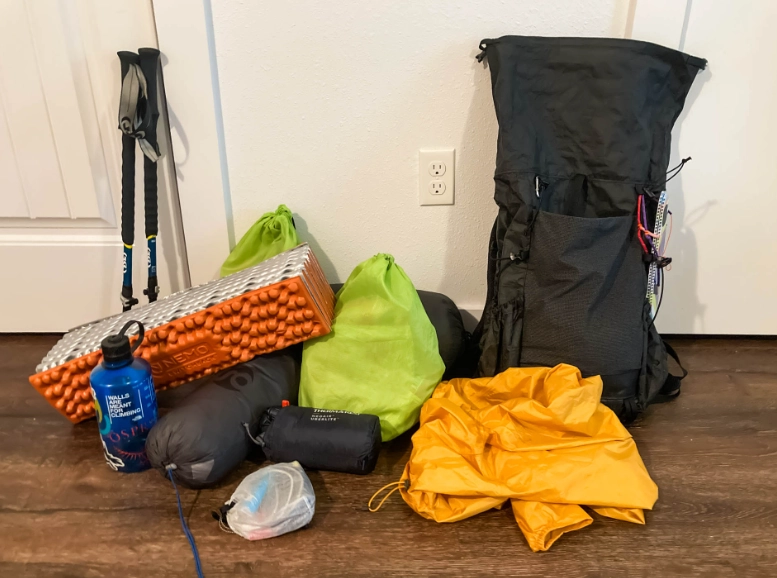
The Big Three & Sleep
- Backpack with a good hip belt and rain cover.
- Shelter (tent, poles, stakes, footprint/groundsheet).
- Sleeping Bag rated for the expected lows.
- Sleeping Pad with appropriate R-value.
- Pillow (inflatable or stuff-sack-with-clothes).
Kitchen & Hydration
- Stove, fuel, and lighter.
- Pot (often a 1-liter titanium pot does it all).
- Spork or utensil.
- Food (dehydrated meals, snacks).
- Water Bottles/Bladder (2-3 liter capacity).
- Water Filter/Purifier (like a Sawyer Squeeze or Katadyn BeFree).
I made the mistake early on of bringing a giant pot. Now I use a 750ml pot that fits my stove and gas canister inside it—saves space and weight.
Clothing & Footwear
- Hiking Shoes/Boots (broken-in!).
- Merino Wool or Synthetic Socks (2-3 pairs).
- Baselayer Top & Bottom (for sleeping).
- Insulating Layer (fleece or puffy jacket).
- Rain Jacket & Pants (non-negotiable).
- Hat (sun and beanie for cold).
- Extra Underwear.
Safety & Essentials
- First-Aid Kit (with blister care!).
- Headlamp with extra batteries.
- Navigation (map, compass, GPS device).
- Knife/Multi-tool.
- Sun Protection (sunscreen, lip balm, sunglasses).
- Emergency Shelter (space blanket/bivy).
- Fire Starter (lighter, waterproof matches).
How to Pack Your Backpack Like a Pro
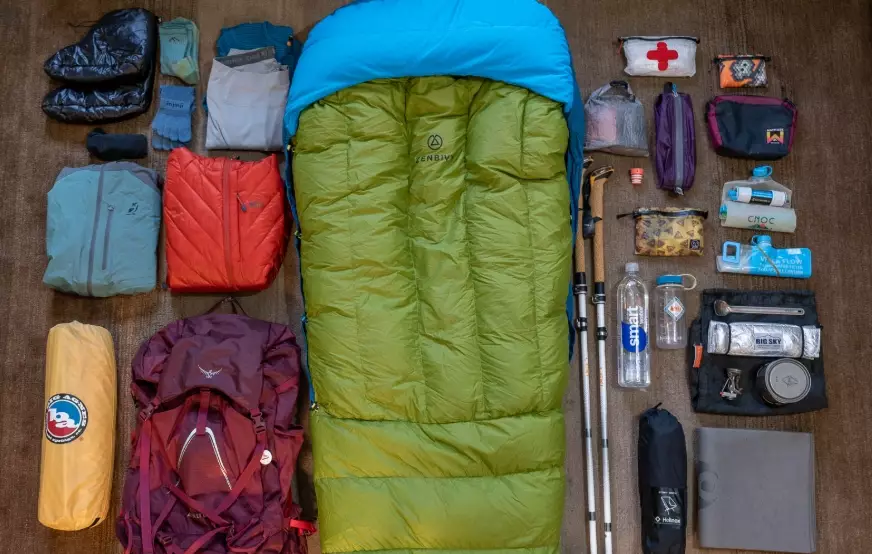 Packing order affects balance and accessibility. Heavy items (food, cookware, water) should be centered close to your back and higher up, between your shoulder blades. This keeps the weight over your hips. The bottom of the pack is for your sleeping bag and clothes—light, bulky items you won't need until camp. The top is for rain gear, puffy jacket, and snacks you might need during the day. Use the brain (top lid) or front mesh pocket for immediate needs: sunscreen, map, headlamp, snacks. Keep your rain jacket somewhere you can grab it in under 30 seconds.
Common Backpacking Gear Mistakes (And How to Fix Them)
I see these all the time on the trail.
Mistake 1: Overpacking Clothing. You don't need a clean outfit for each day. One set to hike in, one set to sleep in (clean and dry). Your rain layers are your backup. Merino wool doesn't stink quickly, so you can wear it multiple days.
Mistake 2: Bringing "Just in Case" Luxury Items. That heavy book, the full-size towel, the camp chair. Unless you're car camping, leave it. A small sit pad is a great compromise for comfort.
Mistake 3: Not Testing Gear Before the Trip. Never let your first time using a stove, filter, or tent be on the trail. Set it up in your yard. Cook a meal. Sleep in your bag on the floor. This prevents frustration and reveals missing pieces.
Mistake 4: Ignoring Foot Care. Blisters can ruin a trip. Wear proper socks, treat hot spots immediately with leukotape, and bring a small foot care kit.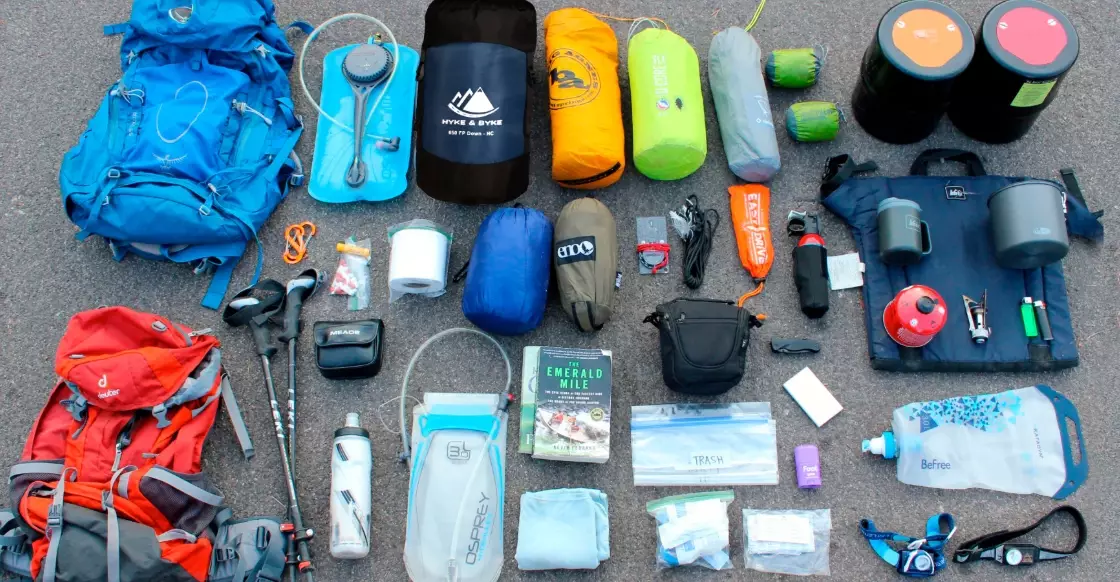
Your Backpacking Gear Questions Answered
 What's the one piece of gear most beginners forget?