In This Guide
Let's be real for a second. A successful hunt doesn't start when you see the buck. It starts weeks before, when you're staring at maps and scratching your head about where to pitch your tent. Good hunting camp ideas are the difference between a miserable, cold trip where you're counting the hours until you leave, and an adventure you'll talk about for years. I've had both kinds. More of the miserable ones early on, if I'm honest.
You're not just looking for a place to sleep. You're building a forward operating base. It's your shelter, your gear locker, your kitchen, and your morale center. Get it wrong, and everything feels harder. Get it right, and you're halfway to filling your tag before you even pick up your rifle or bow.
So, where do you even begin? The planning phase is where most people drop the ball. They think about the hunt, not the camp. Big mistake.
Laying the Groundwork: Planning Your Hunting Camp
You wouldn't build a house without a blueprint. Don't set up a hunting camp without a plan. This is where your best hunting camp ideas get their start. It's not glamorous, but it's everything.
Location, Location, Location (And Regulations)
This is the first and biggest hurdle. Public land? Private permission? Each comes with its own set of rules and headaches.
For public land, your first stop should be the managing agency's website. If you're looking at National Forests, the U.S. Forest Service site is your bible. Check for dispersed camping rules, fire restrictions, and any seasonal closures. I once drove six hours to a spot I'd scouted on a map, only to find a "No Camping - Restoration Area" sign. That was a long, quiet drive home.
Private land is a dream if you can get it. But remember, you're a guest. Your camp ideas need to be low-impact and respectful. Always get clear, written permission on where you can camp, have fires, and park.
What are you looking for in a spot? It's a balancing act.
- Proximity to Game: This seems obvious, but don't set up on top of the elk wallow. You want to be close, but not *in* their living room. A half-mile to a mile away is a good rule of thumb for a spike camp.
- Water Source: A clean creek or lake is gold. It means you don't have to haul in every drop. But always, always filter or treat it. Giardia is a terrible camp companion. A resource like the REI guide on water treatment is worth reviewing every season.
- Shelter from Wind: A slight depression or a stand of thick trees can block that relentless night wind. But avoid valley bottoms where cold air settles.
- Flat Ground: Sleeping on a slope is a special kind of torture. Check the ground for rocks and roots.
- Sun Exposure: A spot that gets morning sun can take the bite out of a frosty dawn. It's a small thing that makes a huge difference in morale.
The Legal Stuff You Can't Ignore
This is the boring, critical stuff. Fire permits. Camping permits. Bear country regulations. Check, double-check, then check again. State wildlife agency websites are your friend here. In some areas, you might need a permit just for a camp stove. Ignorance isn't an excuse, and a fine can ruin a trip faster than rain.
And while we're on the subject of bears and other critters, know the food storage rules. In many western states, bear-proof canisters are required by law. Even where they aren't, using one is just smart. Hanging a bag is an art form, and most of us are bad at it. A canister is foolproof. I switched years ago after a mouse chewed through my pack to get to a single energy bar. Never again.
Gear: The Stuff That Makes or Breaks Your Camp Ideas
Your gear list is where your hunting camp ideas become real. This isn't a casual backpacking trip. You have extra weight—weapons, ammo, processing gear, maybe meat to pack out. Every ounce counts, but so does reliability.
Let's break it down into a table. I find this helps visualize the priorities.
| Category | Essential Items (Non-Negotiable) | Nice-to-Have Upgrades | Luxury/Base Camp Items |
|---|---|---|---|
| Shelter & Sleep | 4-season tent, sleeping bag rated 10°F below expected low, sleeping pad (R-value 4+), ground tarp | Bigger tent for gear, inflatable pillow, battery-powered tent fan (for stuffy nights) | Cot, small wood stove for tent, large wall tent for group base camps |
| Kitchen & Food | Lightweight stove & fuel, pot, spork, water filter/bottle, basic spices, high-calorie freeze-dried meals | French press for coffee, small frying pan, dehydrated veggies to add to meals, compact spice kit | Two-burner camp stove, cooler, folding table, cast iron skillet, fresh food for first night |
| Camp Tools | Headlamp (extra batteries!), multi-tool, 50ft paracord, small shovel, duct tape wrapped on a lighter | Folding saw, mallet for tent stakes, compact camp chair, solar power bank | Full-size axe, large tarp for communal area, portable power station, camp lantern |
| Safety & Health | First-aid kit (blister care!), map/compass/GPS, fire starter, emergency whistle, personal locator beacon | More comprehensive med kit, satellite communicator, water purification tablets as backup | Weather radio, extensive trauma kit, communication for entire group |
See the column on the left? That's your core. If you're backpacking in, that's your world. The right column is for when you have a truck nearby. Don't mix up the lists. I've seen guys try to pack a cast iron skillet on a 5-mile hike-in. They didn't make it 5 miles.
The Food Question
Camp food doesn't have to be sad. Freeze-dried meals have come a long way. But you need calories—way more than you think. Aim for 3,000-4,000 per day when you're active in the cold.
My strategy? Heavy, fresh food for the first night (a steak, some potatoes). It's a morale booster. Then, lightweight, calorie-dense food for the rest. Olive oil is your friend—add a splash to every meal for easy calories. Instant coffee, jerky, nuts, chocolate. Keep it simple. Complicated recipes when you're tired and cold are a path to frustration.
Setting Up Camp: More Than Just a Tent
You've found the spot, you've hauled the gear. Now what? How you arrange things matters for safety, efficiency, and just plain old comfort.
Think in zones.
- The Sleeping Zone: Your tent. Pitch it on the flattest, cleanest ground. Use the ground tarp. Guy it out tight—wind always picks up at night. Keep your sleeping clothes dry at all costs.
- The Kitchen Zone: Downwind of your tent! You do not want food smells drifting into where you sleep. If you have a bear hang or canister spot, make it 100 yards downwind from both kitchen and tent. Clear the area of anything flammable before you start cooking.
- The Gear Zone: Under a rainfly or in a vestibule. Keep your pack organized. Nothing worse than fumbling for your headlamp in the dark because you dumped everything in a pile.
Water management. If you have a source, set up your filter station. Have a dirty water bag and a clean water bag. Don't contaminate your clean supply. It sounds basic, but in the dark, it's easy to mix them up.
Light. Have a headlamp for tasks, and a softer lantern or dim light for hanging out in camp. Blasting a bright headlamp at your buddy across the fire is a good way to ruin his night vision and get sworn at.
Beyond Survival: Camp Life and Morale
This is where good hunting camp ideas become great. You're not a robot. You need to keep your spirits up, especially on a multi-day trip when the weather turns or the game is scarce.
Camp Activities (When You're Not Hunting)
There's a lot of downtime. Dawn and dusk are prime hunting hours, but the middle of the day? That's camp time.
- Maintenance: Clean your weapon. Dry out your boots. Organize your pack. Sharpen your knife. These small tasks are productive and keep your mind engaged.
- Scouting from Camp: Study maps. Glass distant hillsides. Update your hunting journal. Sometimes the best spot reveals itself when you're not actively stomping around.
- Simple Comforts: A book. A deck of cards. Writing in a journal. I bring a small, lightweight notebook. Writing down thoughts, sketching the landscape—it connects you to the place.
- The Fire: If it's legal and safe, a small fire is the heart of camp. It's for warmth, light, and focus. Don't underestimate the psychological boost of staring into flames after a long day.
Weathering the Storm (Literally)
Bad weather will happen. Your hunting camp ideas must include a contingency for being stuck in your tent for 24 hours. Have a plan. Extra food, extra fuel, and a good mental attitude. Check the forecast before you go using a reliable source like the National Weather Service, but be prepared for it to be wrong. Mountains make their own weather.
Breaking Down Camp: Leave No Trace
How you leave is as important as how you arrive. This isn't just ethics; it's practicality. You want that spot to be good for you, or for another hunter, next year.
Pack out EVERYTHING you packed in. All trash, even micro-trash like wrapper corners and twist ties. Inspect your site meticulously. Dismantle any furniture you built (rock chairs, etc.). Scatter any leftover brush or pine needles you used for bedding.
If you had a fire, make sure it's dead out. Pour water, stir the ashes, pour more water, feel with your hand. It should be cold. Then scatter the cold ashes.
The goal is for the next person to have no idea you were there. That's the highest compliment you can pay to the woods.
Answering Your Hunting Camp Questions
I get asked a lot of the same things. Here are the quick hits.
What's the single most important piece of gear for a hunting camp?
For me, it's a tie between a reliable water filter and a warm sleeping bag. You can survive days without food, but dehydration or hypothermia will end your trip fast.
How do I keep my electronics charged?
Solar power banks have gotten good. A 20,000mAh bank with a small solar panel can keep a phone, GPS, and headlamp charged for a week-long trip if you're careful. Use airplane mode on your phone to save battery.
Any tips for keeping meat cool if I get an animal early in the trip?
This is a big one. If you can't pack it out immediately, get it quartered, bagged in game bags, and hung in the shade in a breezy spot. Keep it away from flies. In cold weather, it'll keep. In warmer weather, you may need to prioritize getting it to a cooler or processor, even if it means cutting your hunt short. The meat is the priority.
What's a common mistake beginners make?
Overpacking clothes and underpacking socks. You need layers, but you don't need five shirts. You do need multiple pairs of good wool or synthetic socks. Wet feet are miserable and dangerous.
Can you recommend hunting camp ideas for a father-son first trip?
Keep it simple and close to the vehicle. Focus on comfort and learning, not grueling survival. A car-camping style base camp with a good tent, chairs, and easy food lets you focus on spending time together and learning the basics without the stress of a long backpack.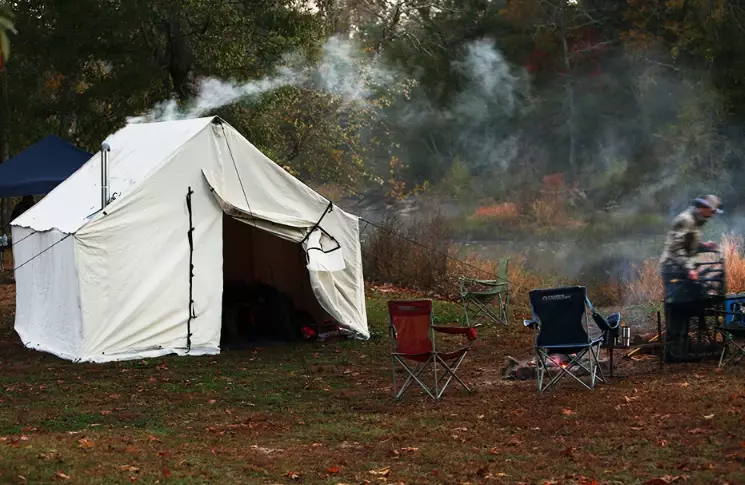
Wrapping It Up
Developing solid hunting camp ideas isn't about buying the most expensive gear. It's about thinking ahead, planning for comfort and safety, and respecting the place you're using. It's the foundation your hunt is built on.
The best camp is the one you don't notice. It works so well that it fades into the background, letting you focus on the hunt, the landscape, and the company. It keeps you dry, fed, rested, and ready.
Start with the basics in the planning table. Tailor it to your style of hunting. And then get out there and test it. You'll learn more on one overnight trip than from reading a dozen articles. Your own experience will become your best source of new and improved hunting camp ideas. Just remember to leave the place as good as you found it.
Now go look at a map. Your next camp is out there waiting.