Your Quick Guide
Let's be honest. You're not just looking for a place to pitch a tent. You're looking for that feeling. The one where you unzip the tent flap in the morning to a view that takes your breath away, where the only sounds are birds and a distant river. You want the best camping spots, the ones that make the drive, the packing, the occasional mosquito bite completely worth it. But here's the thing – "best" means something different to everyone. For a family with young kids, it might mean clean bathrooms and a lake for swimming. For a hardcore backpacker, it's total solitude deep in a national forest. My idea of a great spot once involved a sudden hailstorm that turned my tent into a sad, wet pancake. So, I've learned a thing or two about what makes a site truly great versus just... okay.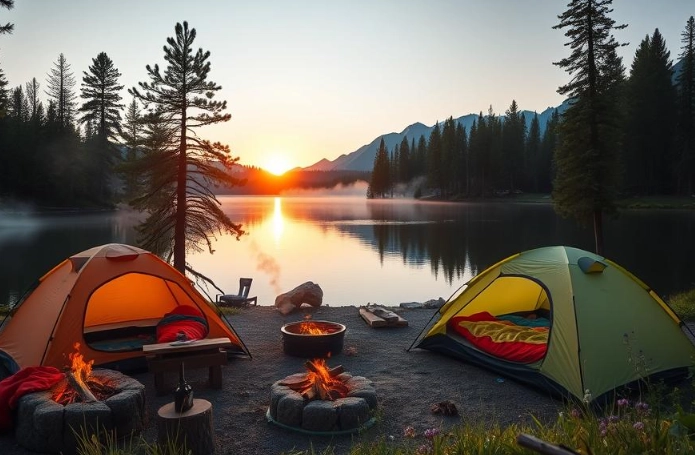
This guide isn't about just listing pretty places. It's about giving you the framework to find your best camping spots, whether you're in a 40-foot RV or stuffing a sleeping bag into a backpack. We'll talk locations, sure, but also the how and the why. Because knowing what to look for is more powerful than any single recommendation.
What You'll Get Here: We're moving beyond a simple list. We'll break down how to evaluate a campsite, explore different types of top camping locations (from beachfront to mountain peak), and give you the gritty details on planning, safety, and etiquette. Consider this your one-stop shop for going from "I want to go camping" to "That was the best trip ever."
What Actually Makes a Camping Spot the "Best"?
Before we name names, let's set the ground rules. A postcard view is nice, but if you're a mile from a noisy highway, the magic fades fast. I learned this the hard way near a seemingly remote lake that turned out to be a popular spot for midnight ATV riders. Not exactly serene.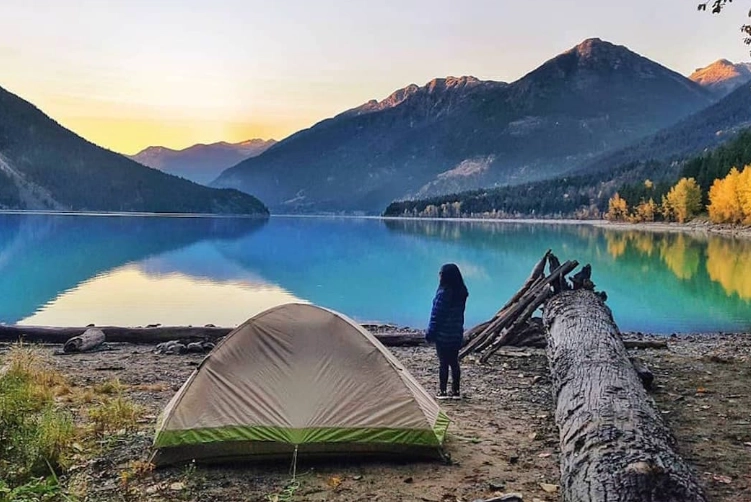
So, here's my personal checklist. The best camping spots usually nail most of these:
- The Vibe: This is intangible but key. Does it feel peaceful? Immersive? Does it give you that "away from it all" sensation? A cramped site in a crowded campground often misses this mark.
- Natural Beauty & Features: Is there a water feature (lake, river, ocean)? Interesting trees or rock formations? A great view? This is the main attraction.
- Practicality: Can you actually camp there legally and safely? Is the ground relatively flat? Is there access to water (even if you have to filter it)? Is there some natural shelter from wind?
- Accessibility vs. Solitude: This is a trade-off. Easy-to-reach spots are convenient but often busy. The truly secluded best camping spots usually require more effort—a longer drive on rough roads or a hike in.
- Purpose Alignment: Does the spot support what you want to do? Fishing? Stargazing? Hiking right from your tent? A spot perfect for rock climbing might be terrible for swimming.
See, it's a mix. Sometimes you sacrifice a perfect view for easy access with kids. Other times, you hike for miles to earn that solitude. There's no single answer, which is why having a variety of the best camping spots in your mental toolkit is so useful.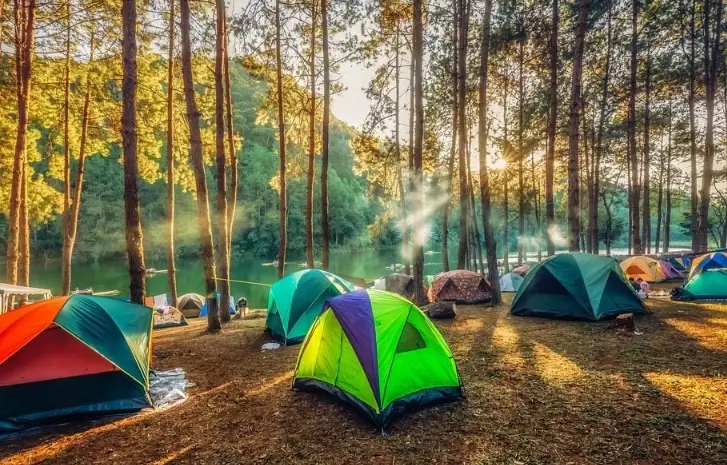
How to Hunt Down These Golden Locations
Google "best camping near me" and you'll get a million listicles. Some are good, many are generic. To find the gems, you need better tools.
Digital Sleuthing: Beyond the First Page of Google
Official resources are your best friend. I always start with the Recreation.gov site for federal lands (National Parks, some National Forests, BLM). For National Forests specifically, the U.S. Forest Service site is a goldmine for dispersed camping rules and maps. State park websites are also crucial—they often have detailed campground maps showing which sites are waterfront or more private.
Then, I hit the forums. Reddit communities like r/campingandhiking or r/overlanding are full of people sharing recent, firsthand experiences. You'll get unfiltered opinions like, "Site 45 at Yellowstone's Madison Campground is tight for a big tent," or "The road to this free BLM spot washed out last spring." This real-time info is priceless. Instagram and YouTube can be good for visuals, but take the "perfect" photos with a grain of salt—they rarely show the crowded parking lot just out of frame.
The Old-School Power of Paper Maps
Don't laugh. A physical map, especially a detailed topographic map or a National Forest Visitor Map, reveals what the internet sometimes hides. You can see trail networks, spot potential remote flat areas near water sources, and understand the lay of the land. I've found a couple of my all-time favorite, quiet best camping spots by just looking at a forest service map and noticing a small, unnamed loop road away from the main campground. Digital is great, but paper gives you the big picture.
Pro Tip: When researching, always look for the most recent trip reports you can find. Conditions change. A perfect spot two years ago might be closed for restoration or overrun today. Recency matters.
A Curated Look at Top-Tier Camping Destinations
Okay, enough theory. Let's talk about some specific types of incredible places. Remember, "best" is subjective, so I've categorized them by what they offer. This isn't an exhaustive list, but a starting point to show the diversity of amazing spots out there.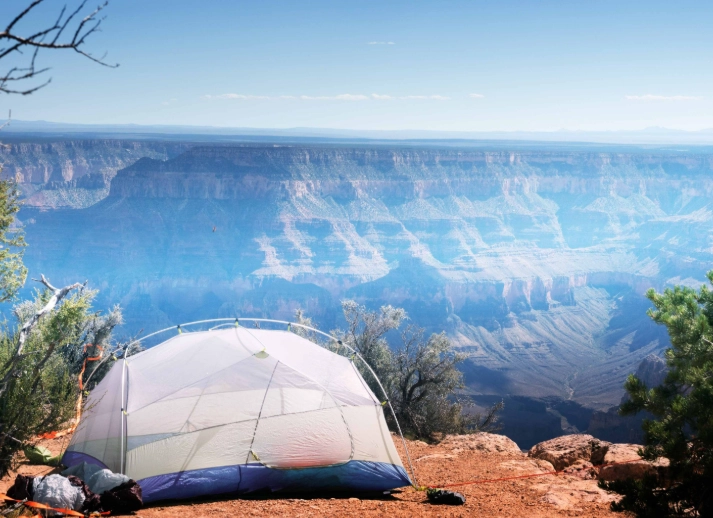
For the Mountain & Forest Seeker
If pine scent and alpine views are your thing, you're spoiled for choice.
- The High Sierra, California: Places like the area around Mammoth Lakes or dispersed camping off the Tioga Pass road (when open) offer staggering granite scenery. Mosquitoes in July can be biblical, though. I'm not kidding. Come prepared or go in late August.
- White Mountains, New Hampshire: The drive along the Kancamagus Highway is famous, but the real magic is hiking into the backcountry shelters or finding a tent site along a rushing stream. Fall here is unreal.
- Rocky Mountain National Park, Colorado (and the surrounding National Forest): The park itself has great reservable sites, but for more flexibility and often more space, look to the Arapaho or Roosevelt National Forests just outside the park boundaries. Higher elevation means cold nights even in summer—pack accordingly.
The key with mountain spots is to always check the elevation. A 5,000-foot site will have a very different climate (and bug situation) than a 10,000-foot site.
For the Desert & Canyon Dreamer
Vast skies, surreal geology, and incredible stargazing define these best camping spots.
- Moab Area, Utah: This is the mecca. You have established campgrounds in Arches and Canyonlands NPs, but the Bureau of Land Management (BLM) land around Moab offers vast areas for dispersed camping. Spotting a site along the Colorado River or tucked into a red rock cove is magical. It gets brutally hot in summer; spring and fall are ideal.
- Big Bend National Park, Texas: Remote, rugged, and incredibly dark at night. The Chisos Basin campground feels like you're camping in a bowl of mountains. The backcountry roadside sites along the river offer total solitude. It's a long drive to get there, which keeps the crowds somewhat manageable.
- Sedona, Arizona (Coconino National Forest): The red rock views are iconic. Finding a dispersed site in the national forest requires some searching and a vehicle that can handle dirt roads, but waking up to those formations is worth it. Be fanatical about fire restrictions here—they are serious and often in place.
Heads Up: Desert camping means no natural shade and huge temperature swings. You need a lot of water—way more than you think—and a plan for staying cool during the day. A good cooler and a sun shelter are non-negotiable.
For the Coastal & Lakeside Soul
The sound of water lapping at the shore is the ultimate white noise machine.
- Olympic National Park, Washington: Where else can you camp in a temperate rainforest (Hoh River), on a wild beach (Kalaloch or Shi Shi), and in the mountains all in one park? The beach camping is primitive and requires tide charts, but it's an unforgettable experience. It will be damp. Everything will be damp. Embrace the mist.
- The Great Lakes Shorelines (Michigan, Wisconsin, Minnesota): Sleeping Bear Dunes National Lakeshore, the Apostle Islands, Pictured Rocks National Lakeshore. These places have massive freshwater "seas" with dunes, cliffs, and crystal-clear water. Some shoreline campsites are hike-in only, preserving their peacefulness.
- Florida Keys (State Parks like Bahia Honda): Tropical camping. You fall asleep to the sound of the ocean in a hammock strung between palm trees. The trade-off? These are some of the most competitive reservations in the country. You need to book months in advance, exactly at 8 AM when sites open. Bugs can also be intense.
Coastal spots often have strict rules about food storage because of raccoons, bears, or other critters. A hard-sided cooler you can lock or a bear canister is a must.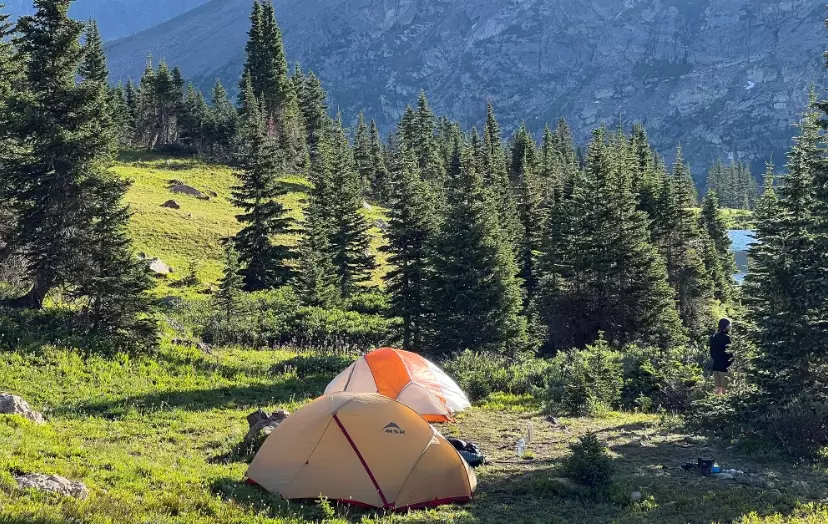
Breaking It Down: A Quick-Reference Table
To help you compare the vibes, here's a snapshot of what these different top camping locations offer (and demand).
| Type of Spot | Best For... | Biggest Challenge | Ideal Season | Reservation Need |
|---|---|---|---|---|
| High Mountain (e.g., Rockies, Sierra) | Hiking, Views, Cool Temperatures | Altitude Sickness, Unpredictable Weather | Late Summer / Early Fall | High (for campgrounds) |
| Desert (e.g., Moab, Sedona) | Stargazing, Photography, Off-Roading | Extreme Heat, Sun Exposure, Water Scarcity | Spring & Fall | Low-Moderate (Dispersed available) |
| Coastal (e.g., Olympic, Great Lakes) | Beachcombing, Sunsets, Water Activities | Wind, Moisture, Competitive Reservations | Summer | Very High |
| Forest (e.g., White Mtns, Appalachians) | Solitude, Fishing, Leaf-Peeping | Bugs (in season), Dense Tree Cover | Fall / Spring | Moderate |
Note: "Reservation Need" refers to developed campgrounds. Dispersed/backcountry camping often requires a permit but not a specific reserved site.
Your Game Plan: From Booking to Breaking Camp
Finding the spot is half the battle. Securing it and doing right by it is the other half.
The Reservation Rodeo
For popular national and state park campgrounds, you need to be tactical. Sites on Recreation.gov often book up 6 months in advance, exactly at 10 AM ET for many. Set a calendar reminder. Have your account logged in, payment info saved, and be ready to click the second the clock ticks over. It's stressful, but it's the system. For less competitive times, mid-week stays are always easier. If you strike out, don't forget about first-come, first-served (FCFS) sites. This requires flexibility—plan to arrive early, like Tuesday or Wednesday morning, to snag a spot.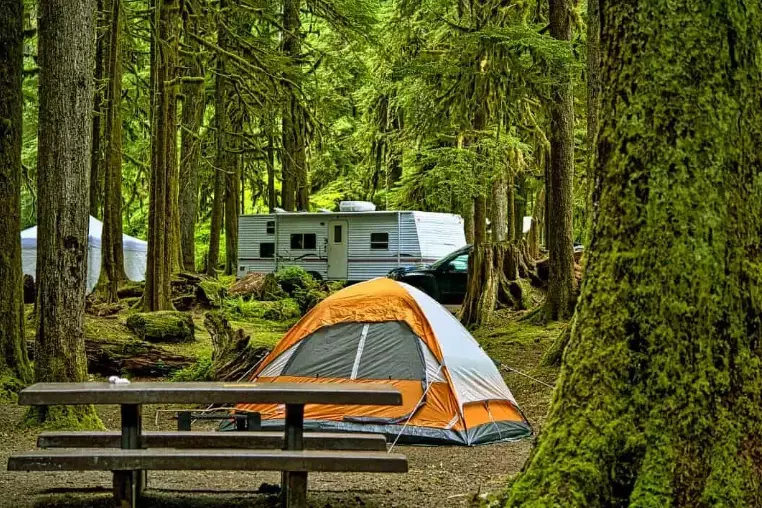
Leave No Trace: It's Not a Suggestion
This is how we keep the best camping spots from being loved to death. The seven Leave No Trace (LNT) principles are the rulebook. Pack out ALL your trash (yes, even food scraps and toilet paper in many places). Camp on durable surfaces—use established sites when they exist. Dig catholes for human waste 6-8 inches deep and at least 200 feet from water. Be respectful of wildlife—store your food properly (a hung bear bag or certified bear canister is essential in bear country) and observe from a distance. A fed bear is a dead bear, sadly. I've seen too many beautiful areas trashed by careless campers; it ruins it for everyone.
Safety: The Unsexy but Critical Stuff
Check the weather forecast, but trust that mountains and coasts can create their own weather. Always have a rain layer and insulation. Tell someone your exact plans and when you'll check in. Carry a basic first-aid kit and know how to use it. For water, a reliable filter or purification method (like chemical treatment) is a must for backcountry trips. I never rely on boiling alone unless I'm certain I'll have the time and fuel. Check for fire bans—they are increasingly common. And please, for the love of all that is good, don't burn your trash in the fire pit. It smells terrible and leaves a mess.
Answering Your Burning Questions (The FAQ)
Here are some things people always wonder when searching for the best camping spots.
How far in advance do I really need to book?
For iconic spots in peak season (Yellowstone, Yosemite, popular beach campgrounds), the full 6 months. For others, a few months. For dispersed camping on BLM or National Forest land, you usually don't book a site, but you may need a general area permit. Always, always check the specific managing agency's website. Assuming will leave you in a Walmart parking lot for the night (which, hey, has happened to the best of us).
What's the single most overlooked piece of gear?
A comfortable camp chair. Seriously. After a day of hiking or setting up, sitting on a log or the cold ground gets old fast. A good chair extends your enjoyment of the campsite exponentially. My second choice is a headlamp with a red light mode—it saves your night vision and doesn't blind your campmates.
Are free campsites (dispersed camping) actually good?
They can be fantastic—often more scenic and private than paid campgrounds. But "free" doesn't mean "no rules." You must know the regulations for that specific area (stay limits, fire rules, distance from water). They also have zero amenities: no water, no toilet, no trash service. You must be self-sufficient and commit to LNT. Finding them requires more research and sometimes a vehicle that can handle rough roads. They are one of the true keys to finding unique best camping spots.
How do I handle bad weather?
First, pick a good tent site—not at the bottom of a hill where water pools. Bring a tent with a good rainfly and a footprint/tarp underneath. Always have a "rainy day" plan: a book, cards, a podcast downloaded. A small tarp you can string up as a shelter over your picnic table or cooking area is a game-changer. Sometimes, you just have to embrace it. Some of my most memorable moments have been playing cards in the tent, listening to the rain.
What about bugs?
They're part of the deal. Research the bug season for your area (mosquitoes in early summer, black flies in northern springs). Bring a quality repellent (I prefer picaridin over DEET—it's less harsh on gear), a head net for severe situations, and consider treating your clothes with permethrin before you go. A tent with good no-see-um mesh is worth every penny. A smoky campfire can help, but isn't a guarantee.
Wrapping It Up: Your Adventure Awaits
Finding the best camping spots is a lifelong pursuit, and honestly, that's part of the fun. It's about the anticipation, the research, the slight gamble of trying a new place. Sometimes you score a perfect site with a sunset view you'll never forget. Sometimes you end up in a dusty parking lot adjacent to a campground. Both are stories.
The real secret isn't a secret location. It's your mindset. Go prepared, be flexible, respect the place, and focus on the experience—the crackle of the fire, the smell of coffee in a cool morning, the stars you can't see from home. Start with the resources and frameworks here, do your homework, and then go out and create your own list of personal bests. The wilderness is waiting, and your perfect spot is out there.
Now, go check Recreation.gov or pull out a map of your nearest national forest. Your next favorite memory is waiting to be made.