Let’s be honest. Life gets loud. Between the constant ping of notifications, the never-ending to-do list, and the general buzz of modern living, our minds rarely get a moment of true quiet. We scroll instead of sleep, we multitask instead of focus, and we’re constantly “on.” It’s exhausting. If you’ve ever felt that deep-seated urge to just unplug and disappear into the woods for a few days, that’s not just you being whimsical. That’s your brain screaming for a reset. And one of the most powerful, accessible resets available is something as simple as tent camping.
I’m not talking about glamping in a fancy RV or staying in a cabin. I mean real, old-school tent camping. Zipping yourself into a nylon shelter, cooking over a fire, and falling asleep to the sound of crickets, not traffic. For years, I dismissed it as just a hobby for outdoorsy types. Then, during a particularly brutal period of work stress and anxiety, a friend dragged me out for a weekend. I was skeptical, uncomfortable, and honestly, a bit grumpy about the bugs. But something shifted. By the second day, the tightness in my chest was gone. The mental chatter had quieted to a whisper. I came back feeling like I’d had a two-week vacation, not just two nights in a forest.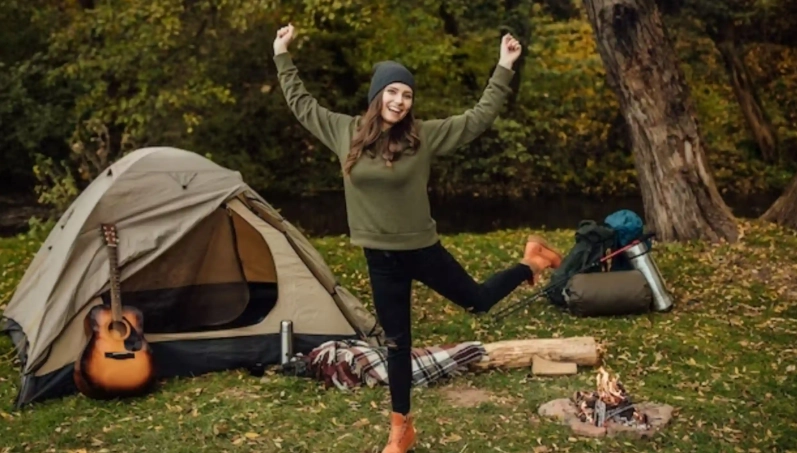
That experience made me dig into the “why.” It turns out, the connection between tent camping and mental health isn’t just folk wisdom or a nice feeling—it’s backed by a growing body of scientific research. We’re talking about measurable changes in brain chemistry, sleep patterns, and stress hormones. This article is a deep dive into that science, a practical guide for getting started (even if you’re a total beginner), and an honest look at how pitching a tent can become one of the best things you do for your psychological well-being.
In This Guide
The Mental Health Benefits of Tent Camping: More Than Just Fresh Air
People often say camping is “good for you,” but let’s get specific. What exactly does it do? The benefits of tent camping for mental wellness are multifaceted, hitting on everything from acute stress relief to long-term cognitive function. Here’s a breakdown of the most compelling advantages.
The Core Benefit: At its heart, tent camping forces a radical simplification of life. Your priorities shrink to the basics: shelter, food, water, warmth. This automatic simplification is a cognitive vacation. You’re not deciding between 50 streaming shows or navigating office politics. You’re deciding whether to gather more firewood. This reduction in “decision fatigue” and low-grade cognitive load is, in itself, profoundly restorative.
1. It’s a Hard Reset for Your Sleep Cycle (And Your Mood)
This might be the single biggest factor. We live in a world of artificial light that utterly confuses our internal clock, the circadian rhythm. Staring at screens late into the night suppresses melatonin, the sleep hormone, leading to poor sleep quality. Poor sleep is a direct pipeline to anxiety, irritability, and depression.
Tent camping fixes this with brutal efficiency. A landmark study published in the journal Current Biology found that after just a weekend of camping (with no artificial light), participants’ internal clocks synchronized almost perfectly with the natural sunrise and sunset. Their melatonin levels began rising earlier in the evening, preparing them for sleep, and they woke up feeling more refreshed.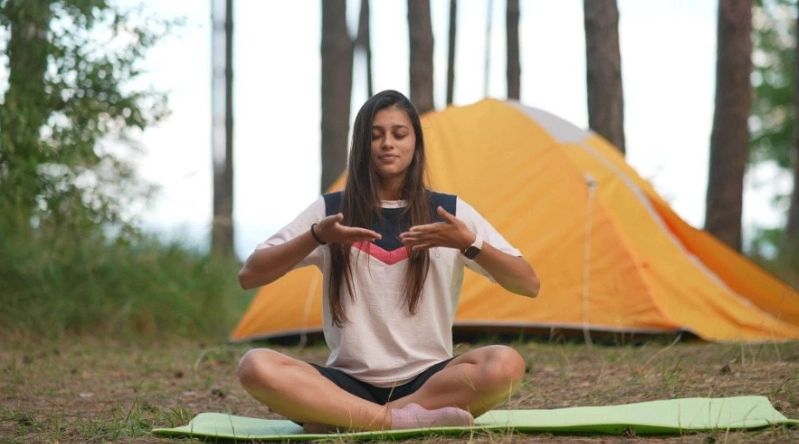
When you’re in a tent, sunset means it gets dark. Sunrise means it gets light. Your body has no choice but to listen. That reset can correct sleep patterns for days or even weeks after you get home. Better sleep means a more stable mood, clearer thinking, and greater emotional resilience. It’s a foundational benefit that makes all the others possible.
2. The Ultimate Digital Detox
We all know we’re addicted to our phones, but the compulsion is real. That constant checking creates a low-level anxiety—FOMO, comparison, information overload. Tent camping, especially in areas with spotty service, is a forced disconnection. You can’t check work email. You can’t doomscroll the news. You’re just… there.
This break isn’t just a vacation from distraction; it’s a chance for your brain’s default mode network (the part active during daydreaming and introspection) to finally get some airtime. This is where creativity sparks, where you process emotions, and where a sense of self apart from your online persona can re-emerge. The mental clarity that comes from even 48 hours offline is startling.
3. Nature Itself is Therapy (It’s Called Ecotherapy)
The Japanese have a term for it: Shinrin-yoku, or forest bathing. It’s the practice of immersing yourself in a forest atmosphere. Research, including studies aggregated by the American Psychological Association, shows that time in nature reduces cortisol (the primary stress hormone), lowers heart rate and blood pressure, and reduces feelings of anxiety and rumination (that obsessive overthinking).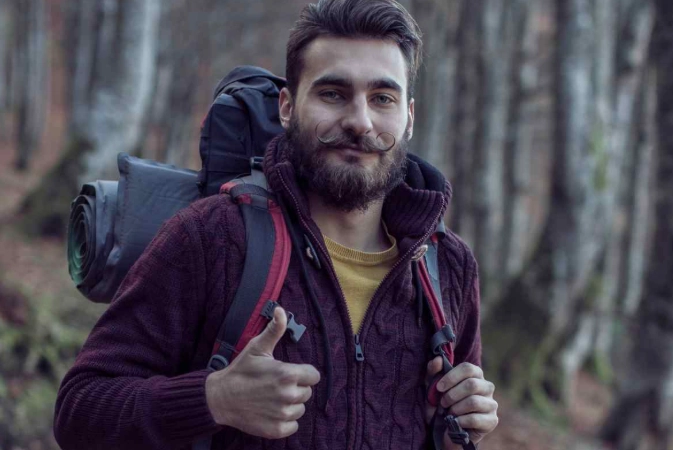
Tent camping is forest bathing on steroids. You’re not just visiting for an hour; you’re living in it. The sights (dappled light through leaves), sounds (wind, water, wildlife), and smells (pine, damp earth) provide a continuous, gentle stimulation that is calming rather than overwhelming. This isn’t just relaxation; it’s active engagement with an environment that humans are evolutionarily wired to find soothing. The APA’s overview of nature’s psychological benefits is a great resource that validates this deep-seated connection.
My personal take? The first night is always a bit weird. Every rustle is a bear. But by the second night, those same sounds become a comforting white noise, a reminder that you’re part of a living, breathing ecosystem, not just a cog in a machine. It puts your own worries into a much, much larger perspective.
4. Building Real Confidence and Resilience
There’s something uniquely satisfying about solving tangible problems. Putting up a tent in the wind, getting a fire going in the damp, navigating a trail. These are concrete challenges with clear outcomes. Success gives you a hit of genuine accomplishment that a completed spreadsheet or a cleared inbox often can’t match.
This builds what psychologists call “self-efficacy”—the belief in your own ability to handle situations. That belief transfers. If you can manage a sudden downpour in the woods, that upcoming difficult work meeting feels a bit more manageable. You’ve proven to yourself you can handle discomfort and unpredictability. That’s a powerful mental health asset.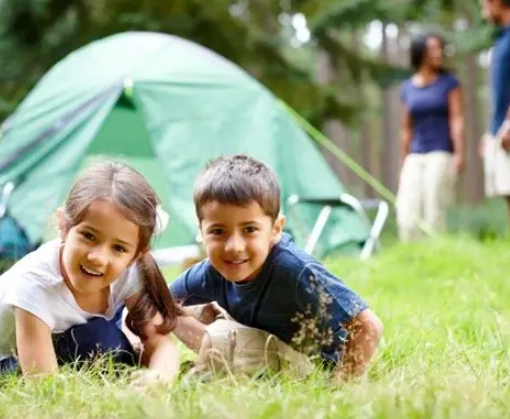
5. Social Connection Without the Noise
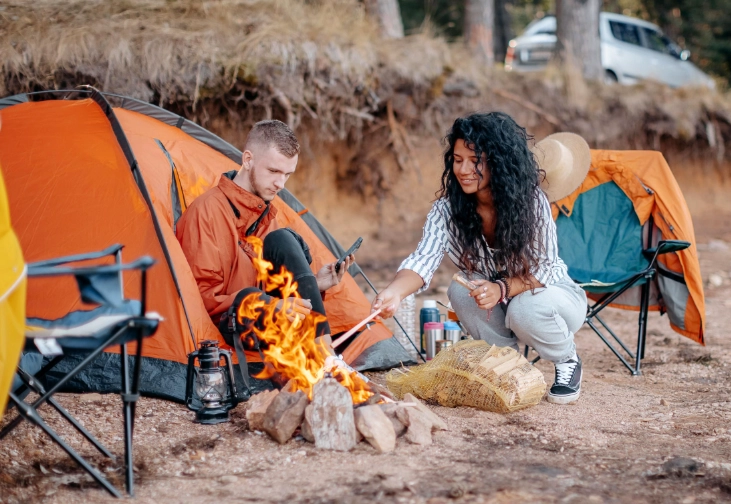
Camping with friends or family strips away the usual social distractions. No TVs, no phones pulling attention away. Conversation happens naturally around the fire. You work together on camp chores. You play cards by lantern light. The quality of interaction is deeper and more present. For families, it’s a chance for kids to see parents in a different, more capable and relaxed light. For adults, it’s a space for real conversation that isn’t squeezed between other appointments.
Even solo camping offers a profound connection—to yourself. The silence and solitude provide a rare opportunity for introspection and self-audit without external judgments or inputs.
6. Mindfulness on Autopilot
Everyone preaches mindfulness, but sitting still and focusing on your breath can feel like a chore. Camping makes mindfulness effortless. When you’re filtering water, you’re focused on the water. When you’re watching flames dance, you’re just watching flames. Your attention is naturally drawn to the present moment because the present moment is full of immediate, sensory-rich tasks and experiences. You’re practicing mindfulness without even trying.
7. The Awe Factor
Seeing a sky saturated with stars, untouched by light pollution. Watching a thunderstorm roll over a mountain range. Standing next to an ancient, towering tree. These experiences evoke awe—a feeling of being in the presence of something vast that transcends your own understanding. Research from UC Berkeley’s Greater Good Science Center shows that awe reduces stress, diminishes the focus on the self (and its worries), and increases feelings of connection and generosity. Tent camping places you directly in the path of awesome experiences.
The Science Behind the Serenity: How Camping Changes Your Brain
Okay, so it feels good. But what’s actually happening up there? The mental health benefits of tent camping aren’t magical; they’re physiological. Here’s a quick look at the key mechanisms.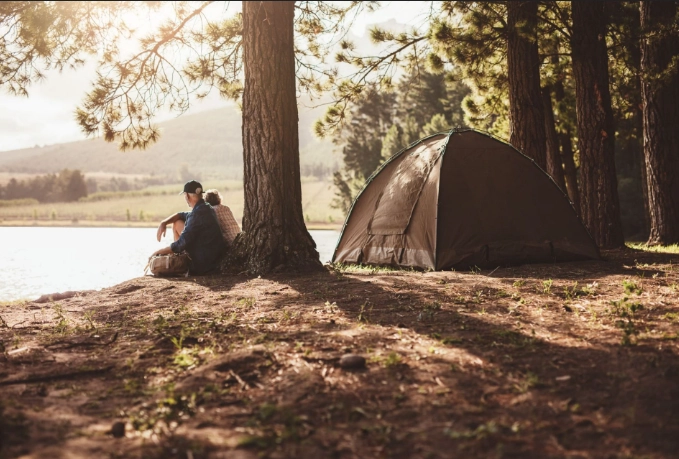
| What Changes | The Science / Mechanism | The Mental Health Outcome |
|---|---|---|
| Circadian Rhythm | Exposure to natural light/dark cycles suppresses evening melatonin later in summer-like light and promotes earlier release in sync with sunset. Removes disruptive blue light from screens. | Deeper, more restorative sleep. Improved mood stability, sharper cognition, reduced fatigue. |
| Cortisol Levels | Studies (like those on forest bathing) show measurable drops in salivary cortisol, a key stress hormone, after time in nature. | Lower overall stress and anxiety. Reduced physical symptoms of stress (e.g., tension, high blood pressure). |
| Prefrontal Cortex Activity | The brain’s “command center” for planning, worrying, and executive function gets a break. The default mode network (for introspection) and attention restoration networks become more active. | Reduced rumination (negative overthinking). Enhanced creativity, problem-solving, and a sense of mental “space.” |
| Nervous System State | The gentle, involuntary attention required by natural environments (soft fascination) helps shift the body from “fight-or-flight” (sympathetic) to “rest-and-digest” (parasympathetic) mode. | Feelings of calm and safety. Improved digestion and recovery. A genuine sense of relaxation. |
It’s a full-system upgrade. You’re not just avoiding stress; you’re actively engaging biological systems that promote calm and restoration. This is why a camping trip can feel more rejuvenating than a staycation on your couch—you’re changing your body’s operating environment.
Your First Therapeutic Camp Trip: A No-Stress Guide
Convinced but nervous? That’s normal. The idea of camping for stress relief can ironically cause stress if you’ve never done it. The key is to start simple and be kind to yourself. Here’s a phased approach.
Phase 1: The Mindset & Planning
Start Small: Don’t plan a week in the remote wilderness. Aim for one or two nights at a well-maintained, drive-in campground. State parks and national forest campgrounds are perfect. They often have amenities like potable water, restrooms, and designated fire pits, which remove a huge layer of complexity. The Recreation.gov site is fantastic for finding and booking federal campgrounds, while your state’s park website is the go-to for state parks.
Define Your “Why”: Are you going for silence? For star-gazing? For fun with friends? Keep that intention central. It’ll guide your choices and help you stay focused when planning feels tedious.
Check the Rules: Always check the specific rules for your chosen campground. Do you need a permit for fire? Are there bear-proof food storage requirements? Knowing this upfront prevents stressful surprises. The National Park Service’s “How to Camp” guide is an authoritative primer on basics and ethics.
Phase 2: Gear Without the Fear (The Bare Essentials)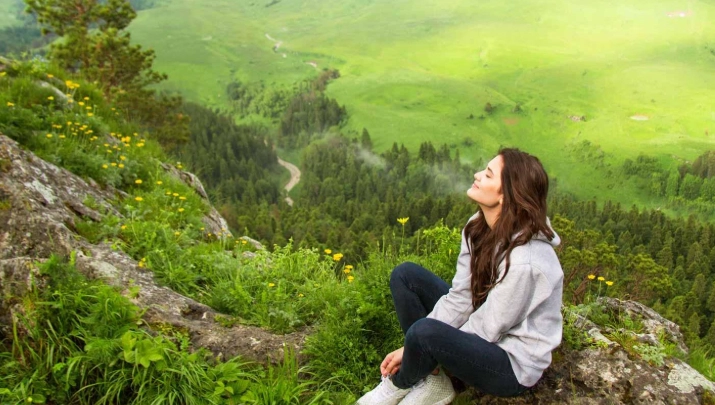
You don’t need a $2000 kit. Borrow, rent, or buy affordable basics. Here’s the non-negotiable shortlist for car camping:
- Shelter: A simple 3-season tent. Practice setting it up in your backyard first!
- Sleep System: A sleeping pad (for insulation and comfort) is MORE important than a fancy bag. An inflatable pad and a blanket from home can work for a summer start.
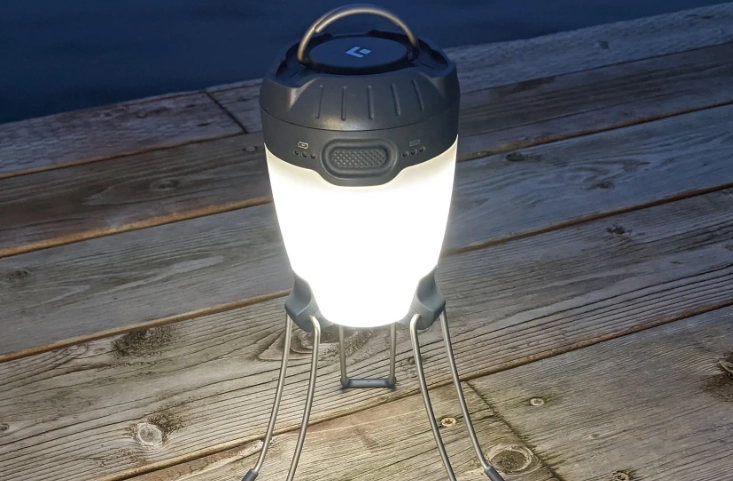
- Lighting: A headlamp (hands-free is a game-changer) and a lantern for the campsite.
- Cooking: A basic camp stove (a cheap propane burner) is easier and more reliable than relying on a fire. A pot, a spatula, a cooler, and reusable plates/utensils.
- Clothing: Think layers! Avoid cotton—it stays wet and cold. Synthetic or wool base layers, a warm mid-layer (fleece), and a rain shell are the holy trinity.
Phase 3: At the Campsite – Embracing the Flow
Set Up Early: Arrive with plenty of daylight left. Setting up a tent in the dark is a universal recipe for frustration.
Embrace the Pace: There will be downtime. Instead of feeling bored, see it as an opportunity. Read a book, whittle a stick, watch the clouds, journal. This is the point.
Food is Morale: Keep meals simple and satisfying. Pre-make and freeze chili or stew to simply reheat. Don’t experiment with a complicated new recipe while also learning to manage a camp stove.
Fire Safety & Ethics: If fires are allowed, keep them small and manageable. Always have water nearby to fully extinguish it. Drown it, stir the ashes, drown it again. It should be cool to the touch. Follow all local fire advisories.
Leave No Trace: This ethic is crucial for both the environment and your own sense of being a respectful guest. Pack out all trash, including food scraps and micro-trash. Leave your site cleaner than you found it. The official Seven Principles of Leave No Trace are the definitive guide.
Remember, the goal isn’t perfection.
It’s presence.
If it rains, you get wet. If you burn the sausages, you eat crackers and cheese. The ability to adapt and laugh it off is part of the mental training. That’s where the real tent camping mental health magic happens—not in a picture-perfect Instagram scene, but in the messy, real, unscripted moments of being outdoors.
Addressing Common Concerns & Questions (FAQ)
I’m not an outdoorsy person at all. Is this really for me?Probably, yes! “Outdoorsy” is a skill, not a personality trait. Start with the easiest possible version: a short trip, close to home, at a campground with facilities. Your goal isn’t to become a survivalist; it’s to experience nature in a manageable way. Many people discover they love it precisely because they weren’t “outdoorsy” to begin with—it’s a whole new world to explore.
What if I can’t sleep? Isn’t it uncomfortable?This is the #1 concern. The first night is often a bit restless as you adjust to new sounds and sensations. That’s normal. A good sleeping pad is the key to comfort. Bring earplugs if small sounds bother you, and a comfortable pillow from home. Often, by the second night, you’ll sleep more deeply than you have in months because your circadian rhythm is aligning.
Is it safe? (Animals, weather, strangers)Statistically, driving to the campground is the most dangerous part of your trip. In developed campgrounds, the risk from wildlife is extremely low if you follow rules about food storage (never keep food or scented items in your tent). Check the weather forecast and pack appropriate clothing. Trust your instincts about people, but most campers are friendly folks looking for the same peace you are. Informing someone of your plans and expected return is always a good practice.
What’s the best season to start for mental health benefits?Late spring through early fall is easiest for beginners, as temperatures are milder. However, don’t discount the profound quiet and beauty of camping in the off-season (like autumn). Winter camping is a major step up in skill and gear required.
How long of a trip do I need to feel the benefits?Even a single overnight can create a noticeable shift, particularly the circadian reset. A two-night trip is the sweet spot for most beginners—it gives you a full day in the middle to truly unwind without the pressure of immediate setup and breakdown.
Can I do this alone for mental health?Absolutely. Solo camping can be a deeply powerful and introspective experience. For a first solo trip, choose a popular, safe campground to build confidence. The self-reliance and quiet you gain are unparalleled. Just be extra diligent with safety planning and letting others know your itinerary.
Making it a Habit: Integrating the Camping Mindset at Home
The ultimate goal isn’t just a great weekend; it’s to carry some of that peace home with you. The impact of tent camping on your psychological state can have a lasting echo if you cultivate it.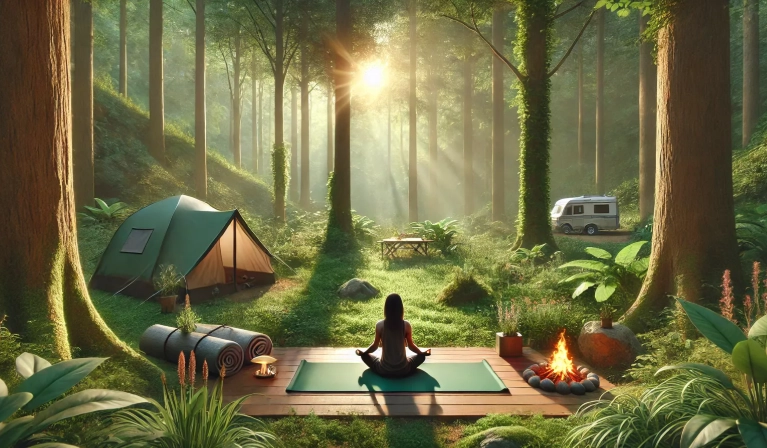
- Protect Your Sleep: After your trip, try to maintain a more consistent sleep schedule. Use blue light filters on your devices in the evening. Make your bedroom as dark as possible.
- Schedule Mini-Detoxes: Designate phone-free times or zones in your home. Maybe Sunday mornings are for coffee and a book, not scrolling.
- Find Your Local “Nature Dose”: You don’t need a forest. A daily 20-minute walk in a park, sitting by a river, or even gardening can tap into some of the same restorative mechanisms. It’s about regular exposure.
- Embrace More “Analog” Activities: Cook a meal without a podcast on. Sit outside and just watch the birds. These small practices reinforce the mindfulness you touched while camping.
The woods are not a cure-all. They won’t solve clinical depression or anxiety disorders on their own, and professional help is irreplaceable for those conditions. But for the accumulated stress, brain fog, and disconnectedness of modern life, they are a powerful, accessible, and profound antidote. Think of tent camping as preventive maintenance for your mind—a way to drain the swamp of daily stress before it overflows.
So, what’s stopping you? Dig that tent out of the garage or borrow one from a friend. Find a campground an hour away. Pack the basics, leave the expectations behind, and go listen to the quiet. Your mind already knows it needs this. It’s time to give it what it’s asking for. The path to better tent camping mental health might just be a zipper away.