Forget the fancy gadgets and the "nice-to-haves." After a decade of sleeping under the stars, from bug-infested swamps to windy mountain ridges, I've learned one thing: a successful trip hinges on a short list of non-negotiable items. Miss one, and your adventure can quickly turn into a miserable endurance test. This isn't just another generic list. This is the distilled, battle-tested core of what you actually need. Let's cut through the noise and talk about the 10 camping essentials that form the foundation of every safe and enjoyable outdoor overnight.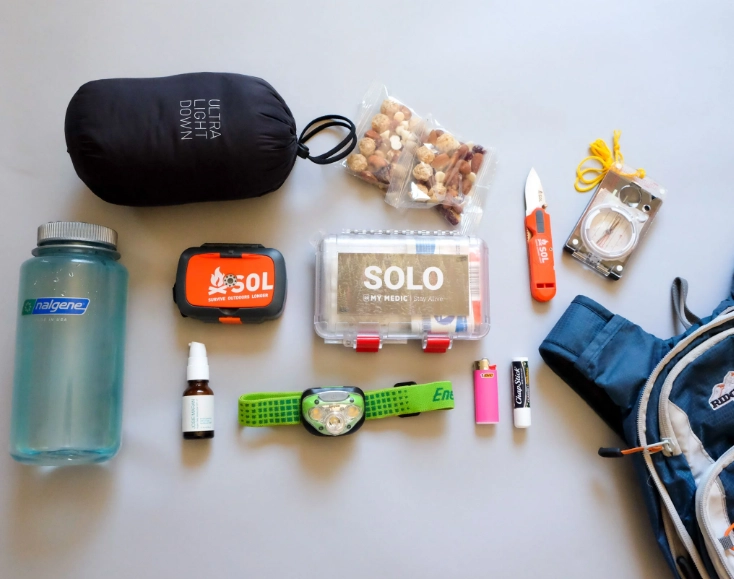
Quick Navigation: What's Inside This Guide
1. Shelter & Sleep: Your Home Base
This is where most trips are made or broken. Being cold, wet, or exposed isn't just uncomfortable; it's dangerous.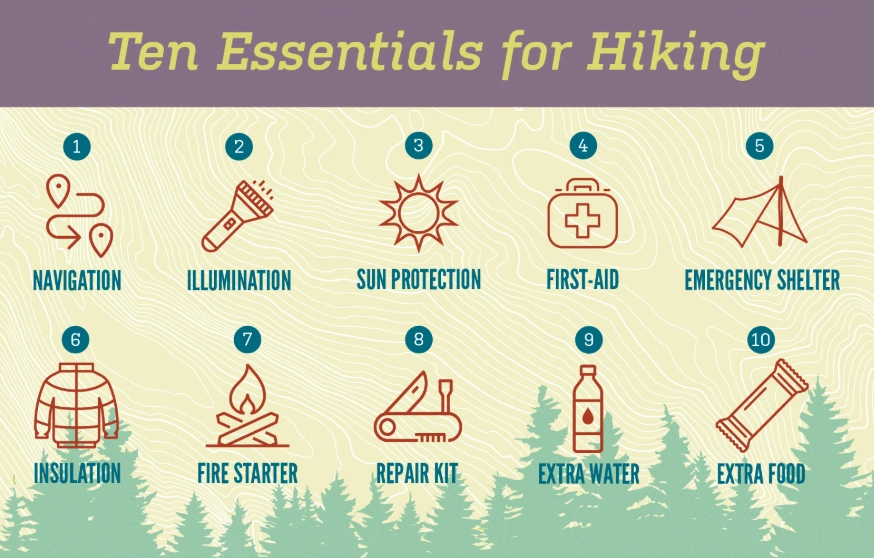
Your Tent: More Than Just a Rain Fly
A tent is your primary shelter. The common mistake? Buying based on the "person" rating. A 2-person tent fits two people… and nothing else. For comfort, add one person to the rating. Solo? Get a 2-person. Two of you? Look at 3-person models. You need space for your gear.
Pay attention to the season rating. A 3-season tent handles most conditions (rain, wind). For winter or alpine camping, you need a robust 4-season design. A good rainfly should extend close to the ground and have sealed seams. Practice setting it up at home first. Fumbling with poles in the dark while rain starts is a classic beginner nightmare.
Sleeping Bag: The Temperature Rating Lie
The number on the bag is a survival rating, not a comfort rating. If the forecast says 40°F (4°C), you need a bag rated for at least 30°F (-1°C) to sleep comfortably. I learned this the hard way on an early spring trip, shivering through a night with a "40-degree" bag when temps dipped to 38.
Down insulation is lighter and packs smaller but loses insulation when wet. Synthetic fill performs better in damp conditions and is cheaper. Your sleeping bag is one item where skimping costs you sleep, and sleep is everything out there.
Sleeping Pad: Your Unsung Hero
This isn't just for comfort; it's for insulation. The ground sucks heat from your body incredibly fast. An inflatable pad with a high R-value (insulation rating, aim for R-3 or above for three seasons) is the best bet for warmth and comfort. Closed-cell foam pads are cheaper, nearly indestructible, and provide a reliable insulating barrier, but they're bulkier.
2. Light & Cook System: Fuel and Function
When the sun drops, your world shrinks to the circle of your light. And a hot meal is more than calories; it's a morale booster.
Headlamp (With Extra Batteries)
Hands-free lighting is non-negotiable. A headlamp lets you cook, set up tent, or read without holding a flashlight. Look for one with a red-light mode to preserve night vision and not blind your camping partners. Always, always pack spare batteries. Tossing them in a small plastic bag keeps them from draining in your pack.
Camp Stove & Fuel
A reliable stove transforms your experience. Canister stoves (like those from MSR or Jetboil) are incredibly convenient and great for beginners. Liquid fuel stoves (white gas) perform better in cold weather and wind. Know your stove. Practice lighting it. A common pitfall is not bringing enough fuel—calculate based on meals and hot drinks. A simple backup like waterproof matches or a ferrocerium rod is smart.
Food & Water Storage
This isn't just about coolers. In bear country, it's a critical safety item. A hard-sided bear canister or a properly hung bear bag is essential to protect your food and, more importantly, to avoid attracting wildlife to your site. The National Park Service has clear guidelines for specific parks. Even in non-bear areas, an odor-proof bag or a simple rope to hang food away from rodents is a good practice.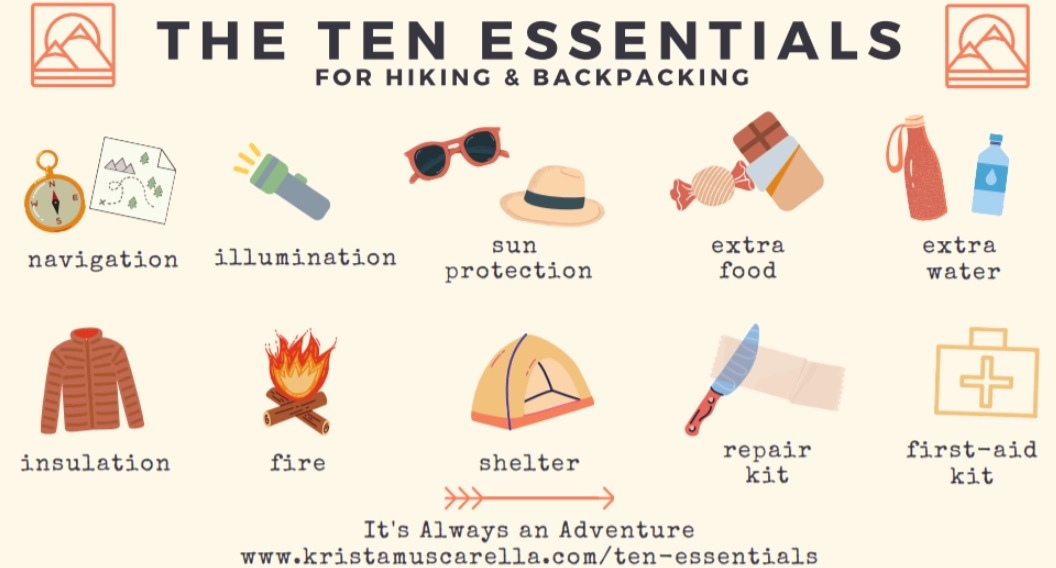
3. Water & Navigation: The Lifelines
Getting lost or dehydrated are two of the fastest ways to get into serious trouble.
Water Treatment & Storage
Never assume natural water is safe to drink. Giardia is a real and unpleasant souvenir. You have options: a pump filter (like a Katadyn or Sawyer), chemical treatment (iodine or chlorine dioxide tablets), or a UV purifier (like a SteriPEN). I prefer a Sawyer Squeeze filter for its simplicity and weight. Carry at least two 1-liter water bottles or a hydration bladder. Know your water sources on the trail before you go.
Navigation: Map & Compass (Yes, Really)
Your phone can die, get wet, or lose signal. A physical, detailed topographic map of the area and a compass are your unfailing backup. And they're useless if you don't know how to use them. Take a basic orienteering course or spend an hour on YouTube learning the fundamentals. Mark your planned route on the map before you leave. The U.S. Geological Survey and local outdoor shops are great sources for maps.
4. Safety & The Right Clothing
This category is about anticipating problems and dressing smartly for the environment.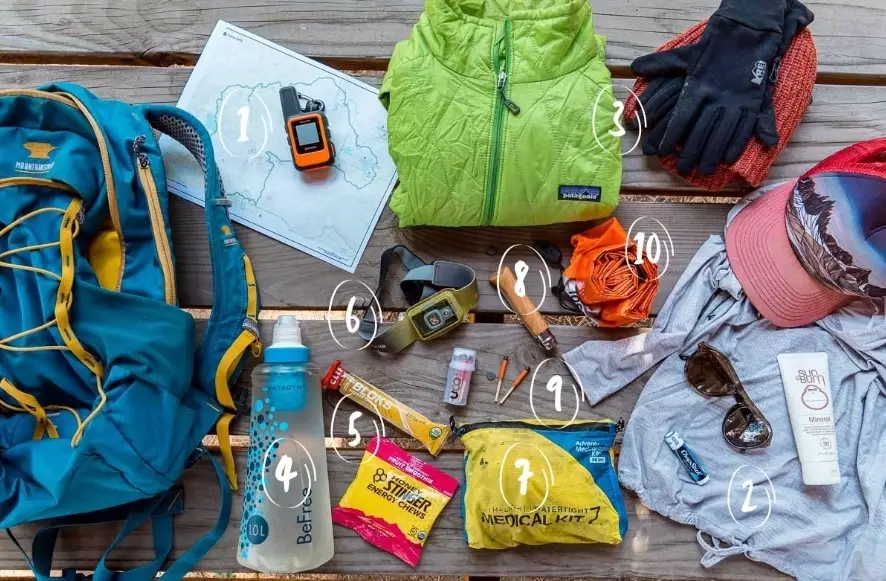
First-Aid Kit
Don't buy a pre-made kit and forget it. Tailor it. At a minimum, it needs adhesive bandages of various sizes, gauze pads, adhesive tape, antiseptic wipes, blister treatment (moleskin is a lifesaver), pain relievers, antihistamines, and any personal medications. Check it before each trip and replenish what you've used. The American Red Cross has a good basic checklist to start from.
Multi-tool or Knife
This is for a hundred small tasks: cutting cord, repairing gear, opening food packages, or even first-aid. A simple, sturdy folding knife or a multi-tool with pliers will cover most needs. You don't need a Rambo-style survival knife.
The Right Clothing System
This is the most common packing error. Avoid cotton at all costs—it absorbs moisture, loses insulation, and dries slowly ("cotton kills" is a saying for a reason). Instead, use a layering system:
- Base Layer: Moisture-wicking (like polyester or merino wool).
- Insulating Layer: Fleece or down jacket for warmth.
- Shell Layer: Waterproof and windproof jacket and pants.
Always pack an extra set of base layers, especially socks, in a waterproof bag. Wet feet lead to blisters, and blisters can ruin a hike.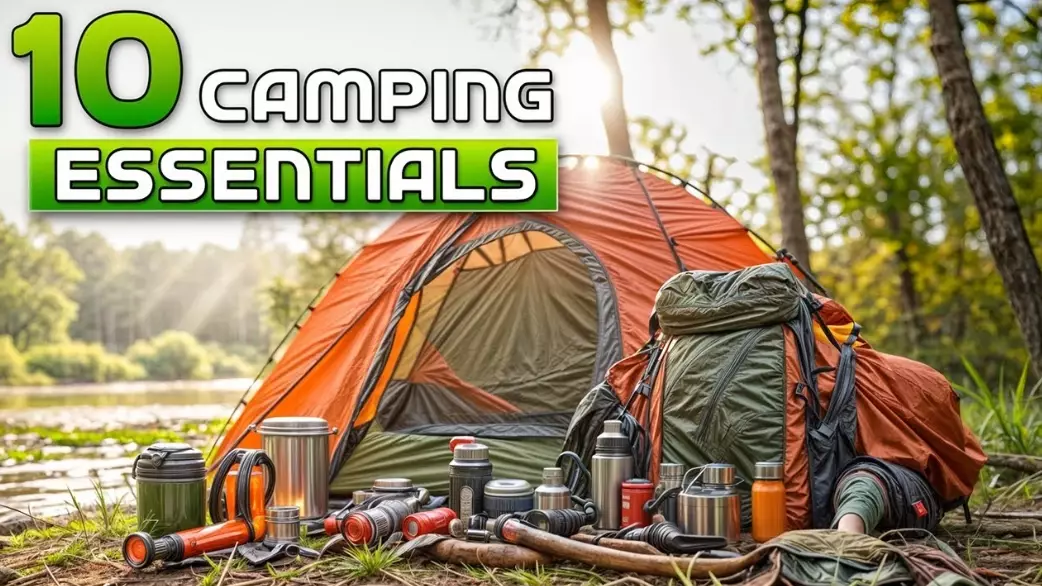
5. The Master 10-Point Checklist
Here’s your at-a-glance reference. Use this as your final pack check.
| Essential Item | Core Function | Key Considerations & Pro Tips |
|---|---|---|
| 1. Tent (+ Footprint) | Shelter from weather and insects. | Size up by 1 person. Check season rating. Practice setup. |
| 2. Sleeping Bag | Core body warmth and comfort. | Choose a temp rating 10°F lower than expected low. Store it loose. |
| 3. Sleeping Pad | Insulation from ground, comfort. | Prioritize R-value (insulation). Inflatable for comfort, foam for reliability. |
| 4. Headlamp | Hands-free illumination after dark. | Red-light mode is crucial. Pack extra batteries in a separate bag. |
| 5. Stove & Fuel | Prepare hot meals and drinks. | Test before trip. Calculate fuel needs. Have a fire-starting backup. |
| 6. Water Treatment | Make natural water safe to drink. | Filter, chemicals, or UV. Know your source. Carry capacity for 2+ liters. |
| 7. Navigation | Know your location and route. | Topo map + compass + knowledge. Don't rely solely on GPS. |
| 8. First-Aid Kit | Address minor injuries and ailments. | Customize it. Include blister care. Check and restock regularly. |
| 9. Multi-tool / Knife | Tool for repairs, food prep, tasks. | Simple, sharp, and functional is better than fancy and heavy. |
| 10. Weather-Appropriate Clothing | Regulate body temp, stay dry. | NO COTTON. Use synthetic/wool layers. Always pack extra socks. |
6. Expert Answers to Your Burning Questions
Can I just use a regular blanket from home instead of a sleeping bag?
You can, but you'll likely be cold and regret it. Blankets aren't designed to trap heat efficiently around your body like a mummy-shaped bag. They also lack the insulated pad barrier underneath. In anything but perfect, warm summer conditions, a proper sleeping bag and pad are a far wiser investment in your sleep quality and safety.
What's the one item from this list that beginners most often forget?
A dedicated headlamp. People think their phone light is enough. It's not. It drains your battery (your potential emergency device), requires a hand, and doesn't throw useful light for tasks. The moment you need both hands to manage a tent pole or cook dinner in the dark, you'll understand why a headlamp is essential gear.
 I'm going car camping, not backpacking. Can I skip some of this?
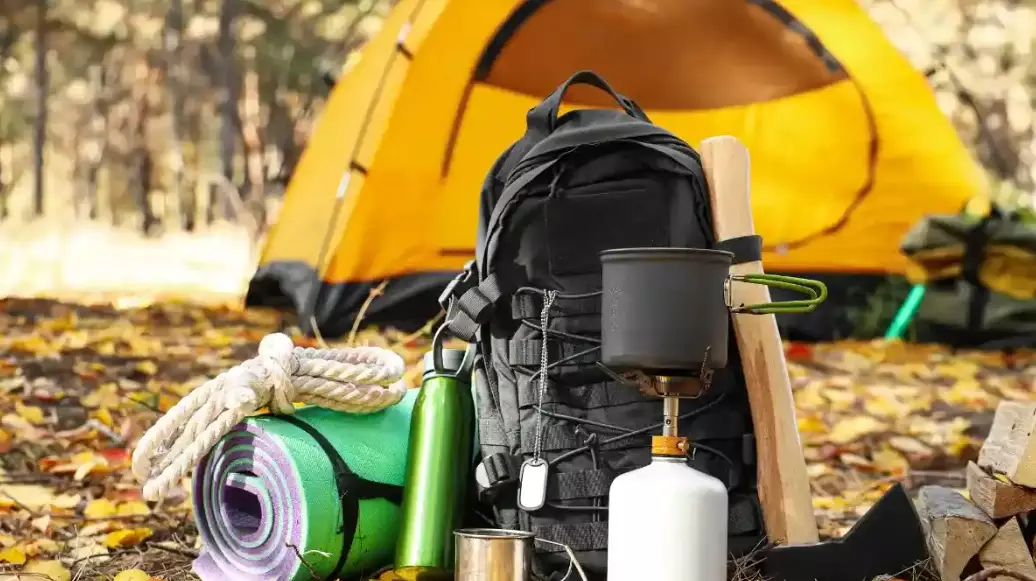
The list remains the same, but your choices can be heavier and more comfortable. Instead of an ultralight tent, you can bring a large cabin tent. Instead of a tiny canister stove, you might bring a two-burner propane camp chef. The *functions* (shelter, sleep, light, cooking, water, etc.) are all still required. The main luxury is you can bring more comfort items *in addition to* the essentials.
How do I handle food if I'm not in bear country?
You still need to store it properly. Raccoons, mice, and other small animals are clever and persistent. A simple, sturdy plastic bin with a tight lid (like a Rubbermaid tote) kept in your car or away from your tent is sufficient. Never, ever keep food or scented items (toothpaste, deodorant) in your tent.
What's the most overrated piece of camping gear that's not on this list?
Expensive, bulky "camping" coffee makers. A simple pour-over filter that sits on your mug or a French press attachment for your kettle makes great coffee for a fraction of the cost, weight, and space. Focus your budget and pack space on the core essentials first. The fancy coffee setup can come later.