Fishing camping isn't just fishing near your tent. It's the art of weaving two classic outdoor pursuits into one seamless, immersive experience. You wake up to the sound of water, your rod is already rigged, and the first cast happens with your morning coffee in hand. But getting it right means moving beyond a simple checklist. After years of trips that ranged from perfect to comically disastrous, I've learned the subtle differences that separate a good trip from a great one. Let's get straight into what you actually need to know.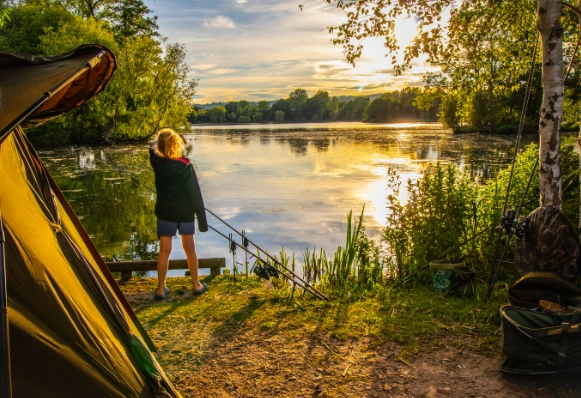
Your Quick Jump to Fishing Camping Success
The Non-Negotiable Fishing Camping Gear Checklist
Forget packing two separate kits. The goal here is synergy—every item should serve both activities or at least not hinder one. The biggest mistake I see is people bringing their full, heavy tackle box and a bulky four-person tent for a solo trip. You'll hate yourself on the hike in.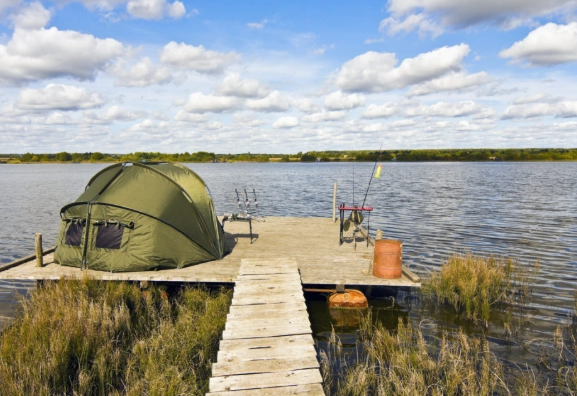
Core Items Most Lists Miss
A multi-tool with pliers is obvious. But is it a good one? Cheap pliers will snap on a tough hook bend. Get a tool with robust, needle-nose pliers and a line cutter. That cutter saves your teeth and your knife blade.
Your light source. A headlamp with a red light mode is non-negotiable. White light destroys night vision and attracts every bug in the county when you're trying to manage lines after dark. Red light lets you see your knots without going blind.
The Simplified Tackle Approach
You don't need 50 lures. You need 5 that work for the local fish. Before you go, spend 20 minutes on a forum like BassResource or check the regional reports on the state's Fish and Wildlife site. Ask: "What's hitting right now on Lake X?"
My condensed camping tackle kit always has:
- Inline spinners (rooster tails, mepps) – They catch everything.
- A couple of soft plastic jigs (grubs on jig heads).
- Topwater popper for dawn/dusk excitement.
- Pre-tied leaders and a small selection of hooks and weights.
- Line spool with fresh monofilament (sun degrades old line).
I keep it all in a small, waterproof soft-sided bag, not a hard box. It packs easier.
| Gear Category | Specific Item | Camping-Fishing Purpose |
|---|---|---|
| Shelter & Sleep | 3-Season Tent, Sleeping Bag (rated 10°F below expected low), Sleeping Pad | Prioritize quick setup and pack size. You want more time fishing, not wrestling with poles. |
| Kitchen & Food | Compact Stove, Pot, Spatula, Cooler (or insulated bag) | That spatula? It's also your fish turner. A cooler is critical if you plan to keep your catch. |
| Fishing Specific | Collapsible Rod, Small Tackle Bag, Landing Net, Stringer or Creel | Collapsible rods are safer for travel. A net helps safely land and release fish. A stringer keeps fish alive in the water. |
| Safety & Misc | First-Aid Kit, Water Filter, Bear Spray (if in bear country), Fishing License | The license is safety from a hefty fine. A water filter means you can drink from the lake and stay hydrated all day. |
Fishing Tips They Don't Tell Beginners
Okay, you've got the gear. Now let's talk about the water. Campground shore fishing can be tough—it's often over-pressured. The secret is timing and stealth.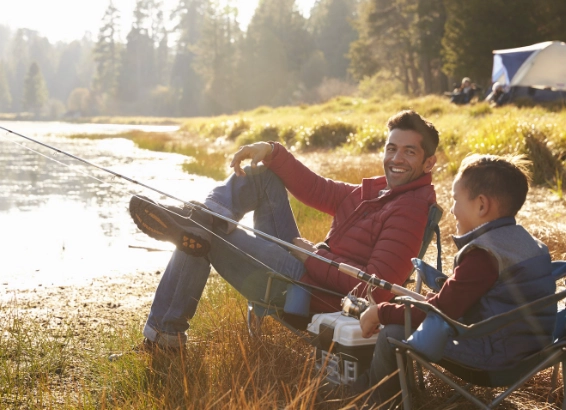
Fish at the campground at dawn and dusk. That's when they venture into shallower water to feed. During the midday sun, they're deeper or under cover. That's your time to hike, nap, or explore.
Walk 10 minutes down the shoreline, away from the RV generators and kids splashing. You'd be amazed how many fish hold just outside the busy areas. Move quietly, avoid casting a shadow over the water, and make your first cast count.
The Live Bait Dilemma
Worms in a container seem like a sure thing. But in summer heat, they die fast. And transferring invasive species in your bait bucket is a real ecological problem. Many states now ban live baitfish or require receipts. Check the regulations meticulously.
My go-to is artificial for simplicity, or I'll dig for worms or catch grasshoppers on-site. It's free, effective, and you're using what the fish already eat.
I once spent a whole morning getting skunked with fancy lures while an old-timer next to me, using a piece of hot dog on a hook, pulled in panfish one after another for his lunch. Sometimes the simplest approach, matched to what's available, wins.
Finding Your Perfect Fishing Camping Spot
Not all campgrounds are created equal for the angler. You want water access, obviously, but also the right kind of water. A roaring river right next to your tent is scenic, but tough to fish if you're not a skilled fly caster. A calm, weedy lake bay might be perfect.
Use filters on sites like Recreation.gov or The Dyrt, searching for "lakeside" or "riverfront" campsites. Then, cross-reference with fishing maps. Navionics or state-provided lake maps show depth, structure, and boat ramps.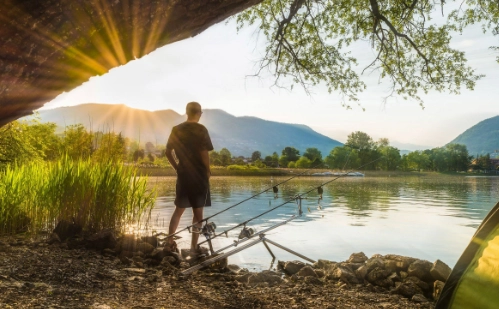
A Few Standout Examples
Let's get specific. Here are two types of stellar fishing camping destinations:
1. The Drive-In Classic: Glacier National Park's Fish Creek Campground
This place on Lake McDonald requires a reservation months in advance, and for good reason. You camp among massive cedars with the lake just steps away. The fishing here is for cutthroat and lake trout. It's not about hammering huge numbers, but the stunning backdrop. You need a Glacier National Park entrance pass and a Montana fishing license. The campground has potable water and flush toilets, making it family-friendly. The fish are deeper in summer; try trolling or deep jigging from a kayak if you have one.
2. The Backpacker's Dream: Alpine Lakes Wilderness, Washington
For the hiker-angler, this is paradise. You need a wilderness permit (self-issued at trailheads) and your gear on your back. The reward? Crystal-clear alpine lakes stocked with hungry rainbow and cutthroat trout. They rarely see lures. A small spinning rod or a tenkara fly rod is perfect. Camp at least 100 feet from the lake shore to protect the fragile ecosystem. The fish are often cruising the shorelines—a simple cast with a small spinner can be magic. Be prepared for rapidly changing weather.
The pattern? Research, reserve early, and know the specific rules. Call the ranger station. They'll tell you what's biting and what bugs are out.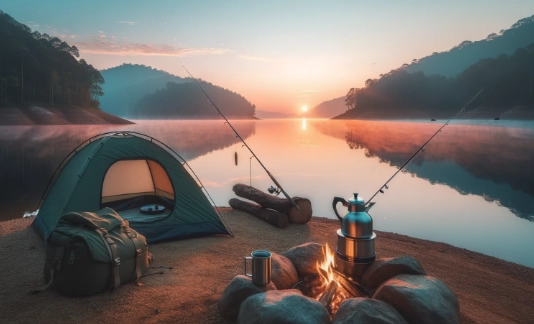
Answers to Your Burning Questions
How do I keep my fish fresh while camping without a cooler?
What's the one piece of fishing gear most campers forget that's a game-changer?
Do I need a special permit for fishing camping?
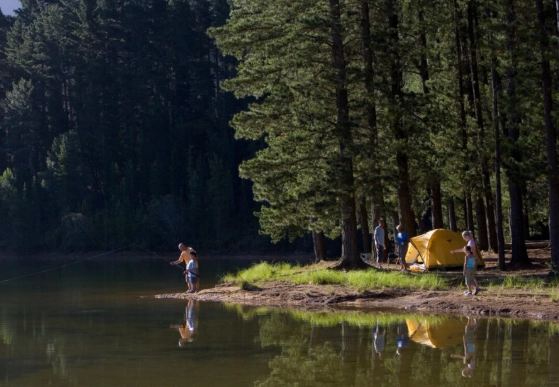
Is fishing camping safe for families with young kids?
The best fishing camping trip happens before you even leave home. It's in the research, the smart packing, and the mindset shift from being just a camper or just a fisherman to being someone who blends both. Start simple, maybe a single night at a local state park lake. Get the rhythm down. Then work your way up to those remote alpine waters.
Remember, a bad day fishing while camping still beats a good day doing most anything else. Now go get your lines wet.