What You'll Learn
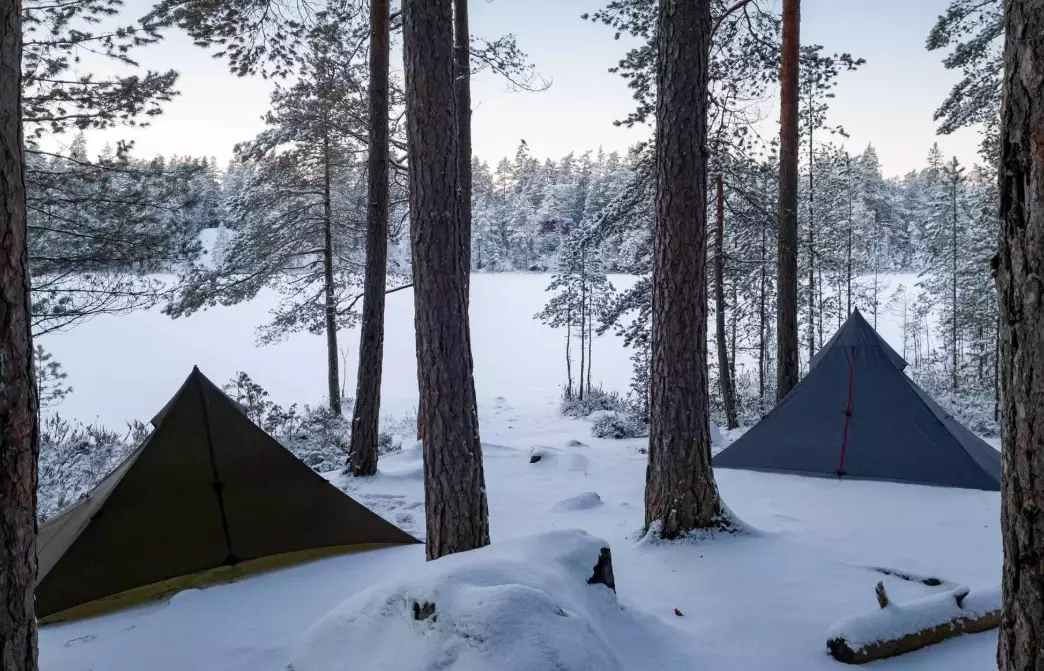
Remember that feeling of crisp mountain air filling your lungs, the crackle of a campfire under a sky dusted with stars, and the profound silence that only nature can provide? Camping offers a unique escape, a chance to reconnect with the wild world. But as outdoor enthusiasts, we have a responsibility to ensure our adventures don't leave a mark. Eco friendly camping, or sustainable camping, is the practice of minimizing your environmental footprint while enjoying the outdoors. It's about leaving the campsite better than you found it, respecting wildlife, and conserving natural resources for future generations.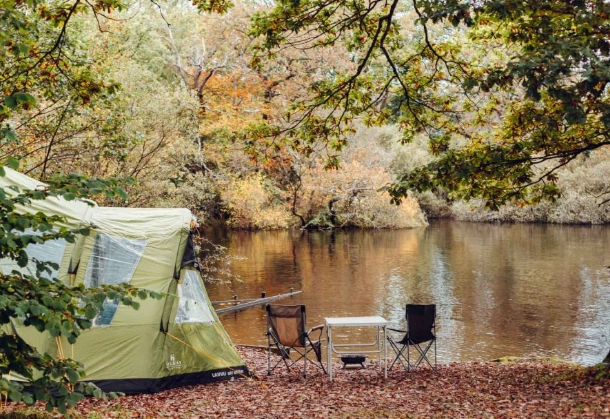
This isn't just a trend; it's a necessary shift in how we experience the wilderness. The surge in camping popularity brings a greater impact on fragile ecosystems. From overflowing trash bins at popular parks to damaged vegetation from off-trail hiking, the evidence is clear. But here's the good news: embracing eco friendly practices doesn't mean sacrificing comfort or fun. It's about making smarter choices that benefit both you and the environment.
I learned this the hard way on a trip to the Rockies a few years back. We packed what we thought was a modest amount of gear, only to wrestle with a car so full it resembled a clown car at a circus. The sight of plastic wrappers tumbling down a mountain trail from an overstuffed backpack was a wake-up call. That moment reshaped my approach to the outdoors. Since then, I've swapped disposable plates for a trusty titanium set, invested in a solar-powered charger that's seen more sunrises than I have, and made a ritual of planning meals to minimize waste. The difference isn't just in the weight of my pack, but in the weight on my conscience.
Eco Friendly Camping Gear Essentials
Your gear choices directly impact your environmental footprint. Let's break down the essentials.
Shelter and Sleep Systems
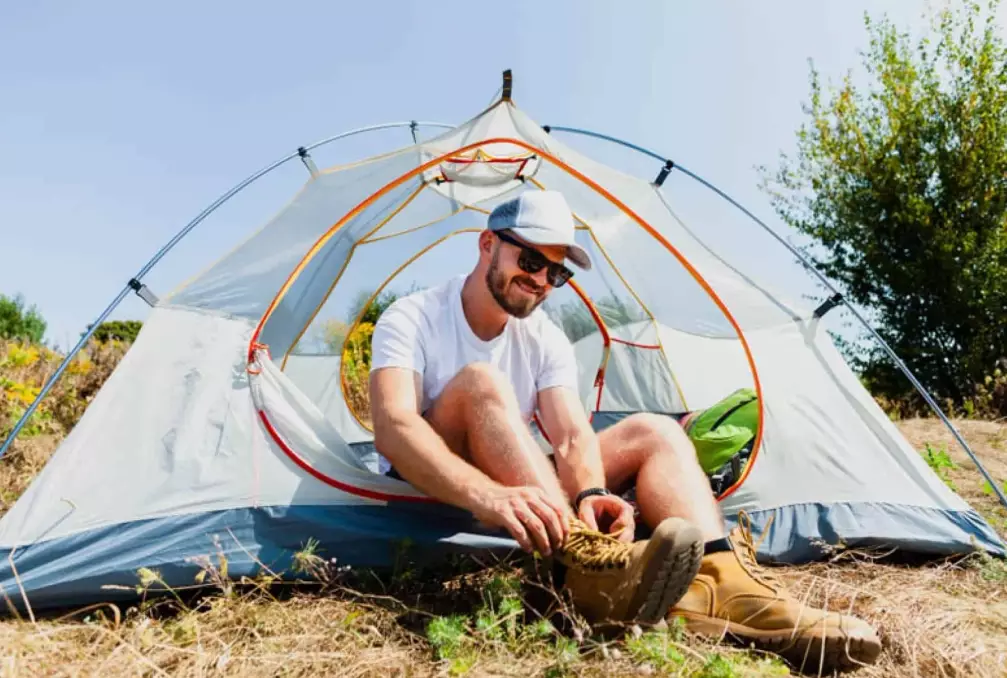
A tent is your home away from home, and its environmental impact starts long before you pitch it. Look for brands committed to sustainable practices. Recycled materials, such as recycled polyester or nylon, are a great starting point. Some companies even use discarded fishing nets to create durable tent fabric.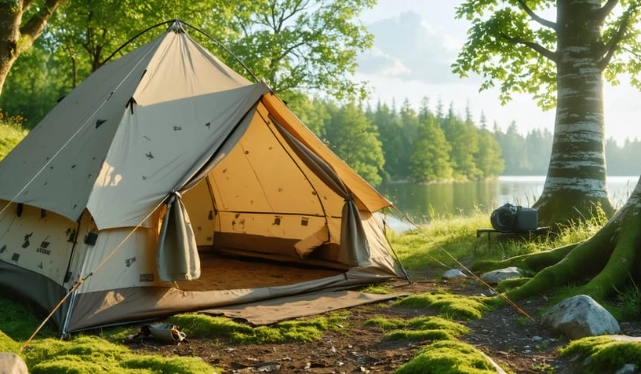
But the real game-changer? A tent with a low carbon footprint. Calculate the footprint based on materials, manufacturing process, and transportation. A tent made locally with recycled materials will have a significantly lower impact than one shipped from overseas.
Sleeping bags and pads are next. Down insulation, while warm, raises ethical concerns. Look for Responsible Down Standard (RDS) certification to ensure humane practices. Synthetic fills like PrimaLoft® offer a cruelty-free alternative that performs well even when wet.
For sleeping pads, closed-cell foam pads are durable and provide excellent insulation. Inflatable pads offer more comfort but require careful maintenance to prevent punctures.
Kitchen and Food Storage
Your camp kitchen is a hotspot for potential waste. Ditch disposable plates and utensils for a reusable set. Bamboo or stainless steel options are durable and often come with their own carrying case.
Invest in a quality cooler that maintains temperature without constant ice. Some models are now solar-powered, offering a silent, sustainable alternative to traditional coolers.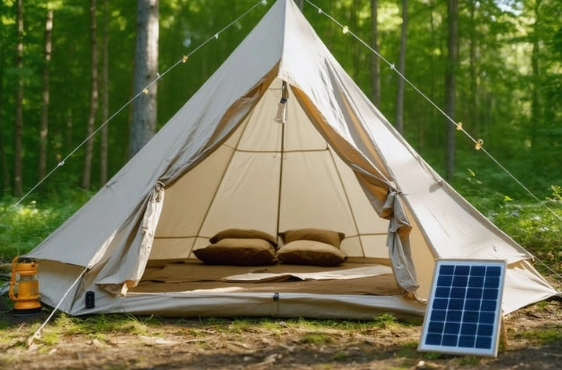
Food storage is crucial for both safety and environmental impact. Airtight containers prevent spills and keep scents contained. For cooler organization, use clear bins with labels. Plan meals to minimize waste, and consider dehydrating your own snacks for a personalized, low-waste option.
Quick Tip: The Reusable Water Bottle
Carry a reusable water bottle. It reduces plastic waste and often comes with built-in filters, making it easy to refill from natural sources. Look for bottles made from recycled materials for an extra eco-point.
Lighting and Power
Solar-powered lanterns and string lights are not just eco-friendly; they're also incredibly efficient. Modern solar lights can store enough energy to light up your campsite all night. For cooking, consider a solar-powered stove. It's silent, sustainable, and works as long as the sun is shining.
Portable solar panels can charge everything from phones to portable fridges. Look for panels with high efficiency and durability. A solar-powered camping shower heats water using the sun's energy, offering a luxurious, eco-friendly option.
Sustainable Camping Practices
Once you've gathered your gear, it's time to talk about practices. Sustainable camping is a holistic approach that considers your impact on the environment, local communities, and even yourself.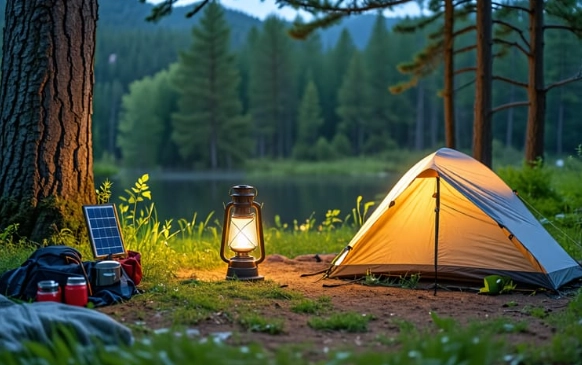
Leave No Trace Principles
The Leave No Trace principles are a framework for minimizing your impact. They include planning ahead, traveling on durable surfaces, disposing of waste properly, leaving what you find, minimizing campfire impact, respecting wildlife, and being considerate of other visitors.
Think of these principles as a camper's code of conduct. They're not about restricting your fun but about ensuring that the fun lasts for generations to come.
Waste Management
Pack out all trash, leftover food, and litter. Keep campsites and trails pristine. Use a bear-resistant food storage container. Dispose of waste water properly by digging a cathole 6-8 inches deep and at least 200 feet from water sources.
For soap, even biodegradable types need soil to break down. Avoid using it directly in water sources. Scatter wastewater widely to allow the soil to filter it.
Respecting Wildlife
Store food securely to avoid attracting bears and other wildlife. Observe animals from a distance, and never feed them. Keep noise levels down to avoid disturbing wildlife and other campers.
Follow local regulations to minimize your impact on the environment. Stay on designated trails to protect vegetation. Avoid disturbing wildlife by observing from a distance and never feeding animals.
Eco Destination Spotlight: Pine Ridge, Nebraska
Pine Ridge, Nebraska, offers a unique blend of rugged terrain and rich history. The area is part of the Pine Ridge region, known for its towering cliffs and deep canyons. It's a land that tells stories, from the fossil beds of Agate to the legacy of pioneers and Native Americans.
Camping here is about embracing the silence, the vastness, and the subtle dramas of the high desert. The region is a haven for biodiversity, with pronghorn antelope and golden eagles. The night sky is a spectacle, with stars so bright they seem within reach.
Local tribes offer guided tours that are both educational and respectful of the land. The area is also a haven for biodiversity, with pronghorn antelope and golden eagles calling it home.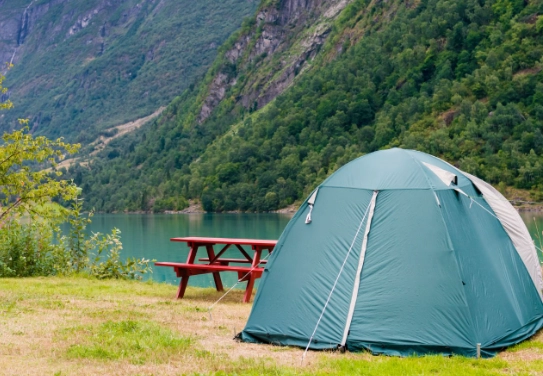
Getting There and Best Time to Visit
Pine Ridge is accessible via U.S. Route 20, with the nearest major city being Chadron. The drive offers scenic views, but ensure your vehicle is prepared for the terrain. Spring and fall are ideal, with mild temperatures and fewer crowds. Summer can be hot, while winter offers a different kind of beauty for those prepared for cold weather.
Activities and Adventures
Hiking trails range from leisurely walks to challenging climbs, each offering unique vistas. The area is also a haven for biodiversity, with pronghorn antelope and golden eagles calling it home. For those interested in history, the region offers tales of pioneers and Native Americans.
Guided tours are available for those looking to deepen their understanding of the area's rich history. The silence of the high desert is profound, offering a chance to disconnect and reflect.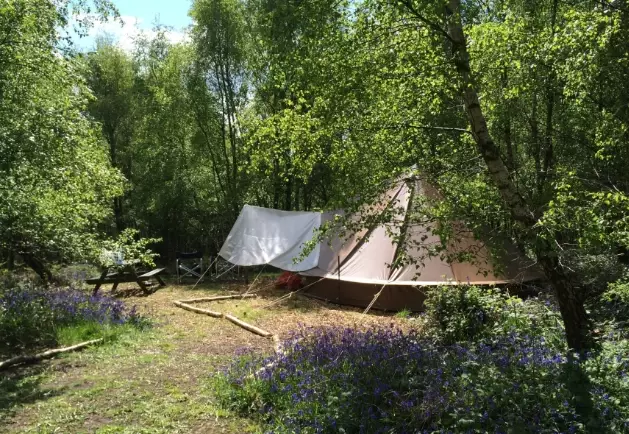
Planning Your Eco Camping Trip
Planning is the cornerstone of any successful camping trip, especially when eco friendly practices are your focus. Start by researching your destination. Understand the local ecosystem, any restrictions or permits required, and the best times to visit.
Pack smart. A checklist ensures you don't forget essentials while avoiding over-packing. Opt for gear made from sustainable materials. A tent made from recycled polyester or a sleeping bag insulated with responsibly sourced down makes a difference.
Plan your meals. This minimizes waste and ensures you have enough food. Consider dehydrating your own snacks for a personalized, low-waste option.
During your trip, be mindful of your impact. Stick to designated trails to protect vegetation. Store food securely to avoid attracting bears and other wildlife. Keep noise levels down to avoid disturbing wildlife and other campers.
Eco Friendly Food Storage Tips
Use airtight containers to prevent spills and keep scents contained. Pack out all trash, leftover food, and litter. Proper waste disposal is crucial for protecting wildlife and maintaining the natural beauty of the area.
For cooler organization, use clear bins with labels. This makes it easy to find what you need without rummaging. Plan your meals to minimize waste, and consider dehydrating your own snacks for a personalized, low-whelming option.
Eco Friendly Camping Gear Recommendations
Investing in quality gear pays off in the long run. Look for products made from sustainable materials and designed for durability. A tent made from recycled polyester or a sleeping bag insulated with responsibly sourced down makes a difference.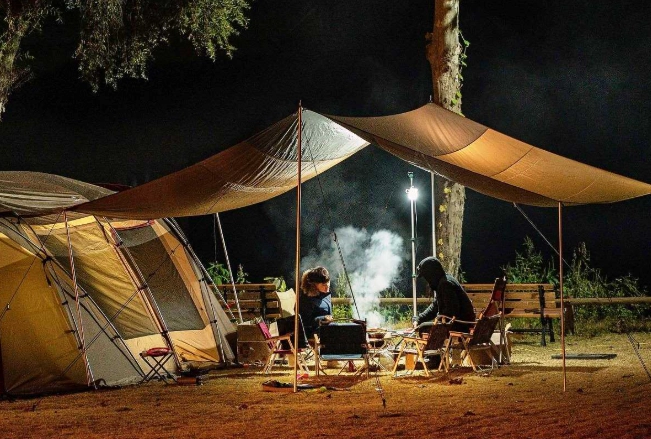
For cooking, consider a solar-powered stove. It's silent, sustainable, and works as long as the sun is shining. For lighting, solar-powered lanterns and string lights are efficient and eco-friendly.
Portable solar panels can charge everything from phones to portable fridges. Look for panels with high efficiency and durability. A solar-powered camping shower heats water using the sun's energy, offering a luxurious, eco-friendly option.
Leave No Trace Principles Overview
| Principle | Description | Examples |
|---|---|---|
| Plan Ahead and Prepare | Know the regulations and special concerns for the area you'll visit. | Prepare for extreme weather, hazards, and emergencies. |
| Travel and Camp on Durable Surfaces | Stay on designated trails to protect vegetation. | Avoid disturbing wildlife by observing from a distance. |
| Dispose of Waste Properly | Pack out all trash, leftover food, and litter. | Use a bear-resistant food storage container. |
| Leave What You Find | Preserve the past: examine, photograph, but do not touch cultural or historic structures and artifacts. | Leave rocks, plants, and other natural objects as you find them. |
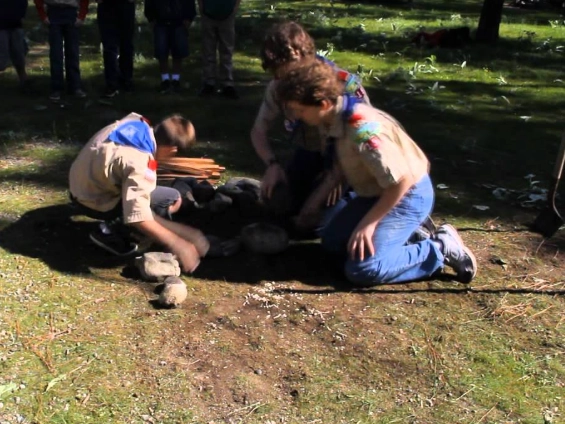
| Minimize Campfire Impact | Keep campfires small and use only sticks from the ground that can be broken by hand. | Burn all wood and coals to ash, put out campfires completely. |
| Respect Wildlife | Observe animals from a distance, and never feed them. | Store food securely to avoid attracting bears and other wildlife. |
| Be Considerate of Other Visitors | Respect other visitors and protect the quality of their experience. | Keep noise levels down to avoid disturbing wildlife and other campers. |
Eco friendly camping is a journey, not a destination. Each trip offers a chance to learn, adapt, and grow. So pack your gear, plan your meals, and set out on an adventure that leaves only footprints and takes only memories.
Frequently Asked Questions
Conclusion
Eco friendly camping is more than a trend; it's a commitment to preserving the natural world. By adopting these practices, you're not just enhancing your own experience; you're contributing to a legacy of conservation and respect for the environment.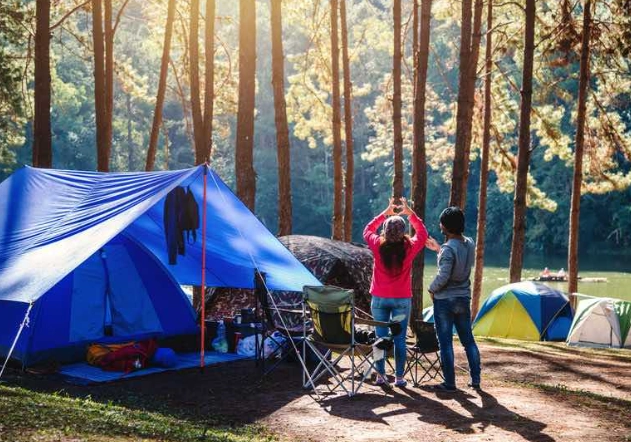
So pack your gear, plan your meals, and set out on an adventure that leaves only footprints and takes only memories. The wilderness is calling, and it's a call worth answering—responsibly.