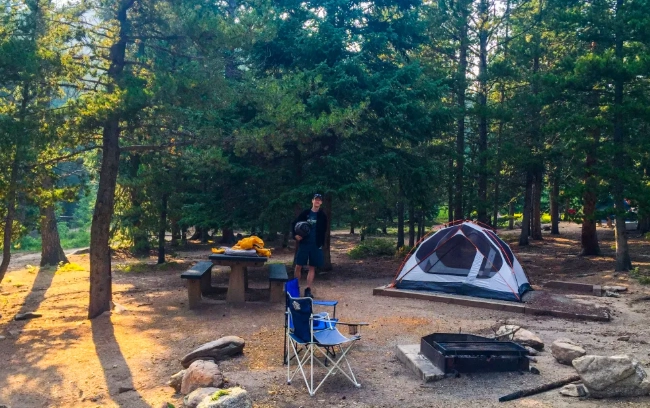
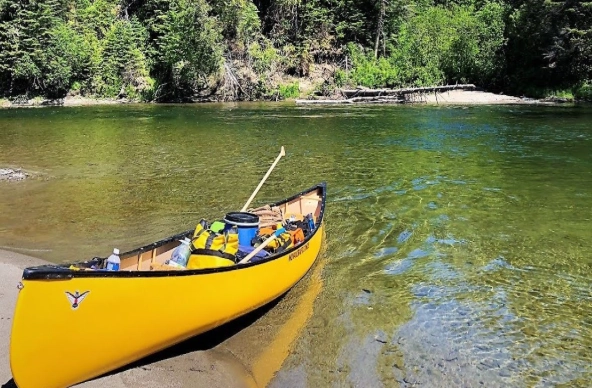
Let's be honest. When you picture camping in Florida, you're probably thinking of two things: perfect white-sand beaches and… mosquitoes the size of small birds. You're not wrong on either count. But after a decade of hauling my tent and later my small camper van across the Sunshine State, I've learned that Florida camping is a unique beast. It's not just about the destination; it's about mastering a specific set of challenges to unlock some of the most stunning and diverse outdoor experiences in the country. Forget the generic advice. We're going deep on what you actually need to know, from securing a spot in paradise to avoiding a midnight rendezvous with an alligator (yes, it's a thing).
Your Florida Camping Roadmap
Where to Pitch Your Tent: Top Florida Camping Spots
Florida's camping scene splits into three worlds: the incredibly popular and well-managed State Parks, the vast and wild National Parks, and the amenity-packed private RV parks and campgrounds. For a true Florida nature experience, the state parks are often your best bet, but they require strategy.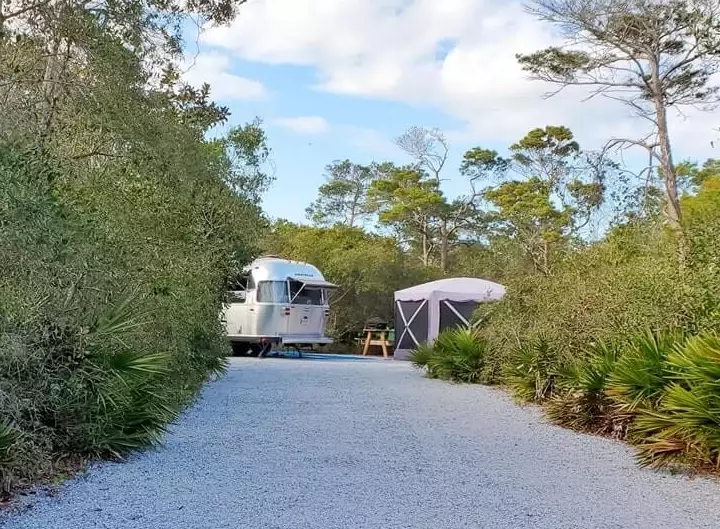
Can't-Miss Florida State Parks for Camping
These three represent the absolute pinnacle of diversity and beauty. I've spent nights at all of them, and each offers something completely different.
| Park Name & Location | The Vibe & Campsite Details | Key Info & Booking |
|---|---|---|
| Bahia Honda State Park 36850 Overseas Hwy, Big Pine Key, FL 33043 |
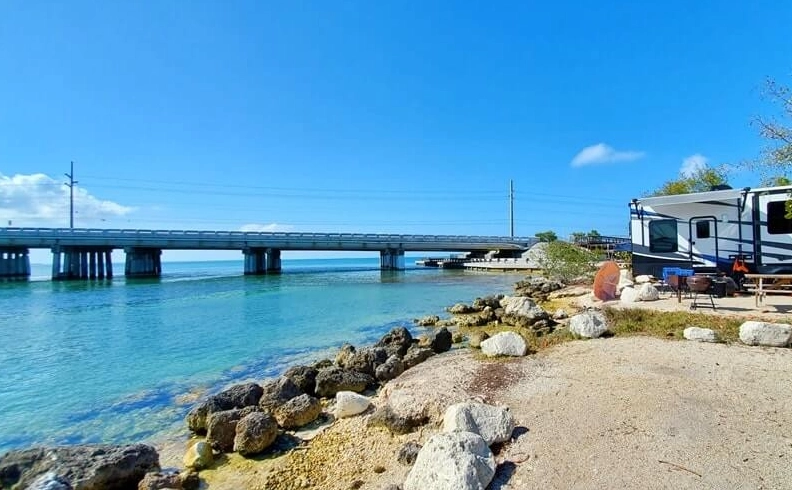
This is the postcard. You camp on a sliver of land between the Atlantic Ocean and the Gulf of Mexico. The water is a surreal shade of turquoise. Sites are tight and offer little privacy, but you're here for the view and beach access. The Sandspur Beach sites are the most coveted. | Address puts you in the Florida Keys. 48 sites for RVs/tents, 6 cabins. No RV hookups. Bathhouses are clean. Park entry fee: $8 per vehicle (2-8 people). Camping fees: ~$36-$42/night. Book via Florida State Parks. |
| Grayton Beach State Park 357 Main Park Rd, Santa Rosa Beach, FL 32459 |
Sugar-white quartz sand dunes and rare coastal dune lakes. The campsites are nestled in a beautiful coastal forest, a short walk or bike ride from the stunning beach. More spacious and shaded than Bahia Honda. Great for families. | On the Emerald Coast (Panhandle). 59 sites, 30 with full hookups (water/electric/sewer). Dump station. Camping fees: ~$30 (primitive) to $42 (full hookup). Park entry fee included with camping. |
| Fort DeSoto Park Campground 3500 Pinellas Bayway S, Tierra Verde, FL 33715 |
A massive, award-winning park with miles of trails and multiple beaches. The 238-site campground is divided into three loops. Aim for the East Beach Loop or Bayside Loop for easier beach access. Lots of amenities, feels more like a resort. | Near St. Petersburg. All sites have water/elec. Dump station. Requires a separate reservation through Pinellas County. Fees: ~$45-$55/night. Extremely competitive; book as soon as your dates are allowed (up to 6 months out). |
National Park Adventures: Beyond the Beach
If you want raw, untamed Florida, this is it.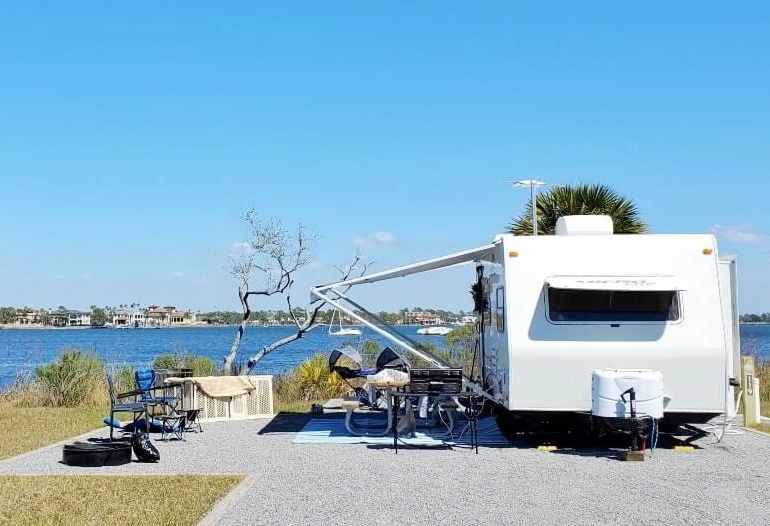
Everglades National Park: Camping here is about wildlife. At the Flamingo Campground (23961 FL-9336, Homestead, FL 33034), you're at the southern tip. I've woken up to raccoons trying to unzip my cooler and seen manatees from the dock. It's buggy, hot, and absolutely magical. Sites are first-come, first-served in summer, reservable in winter. No hookups. Fees start at $30/night. The real secret? The backcountry chickees (wooden platforms over water). You need a permit and a boat/kayak, but sleeping over the mangrove waters with stars above is unreal.
Dry Tortugas National Park: This is the ultimate splurge adventure. You can only get there by ferry or seaplane. The Garden Key Campground is primitive (tents only, no water, no electricity, compost toilets) with just 10 sites. You bring everything in and out. Why do it? You have a 19th-century fort (Fort Jefferson) and a pristine coral reef as your backyard after the day-trippers leave. Book the ferry through Yankee Freedom or a seaplane through Key West Seaplane Adventures. The campsite is $15/night plus the hefty transport cost. It's a logistical puzzle, but the payoff is a top-5 life experience.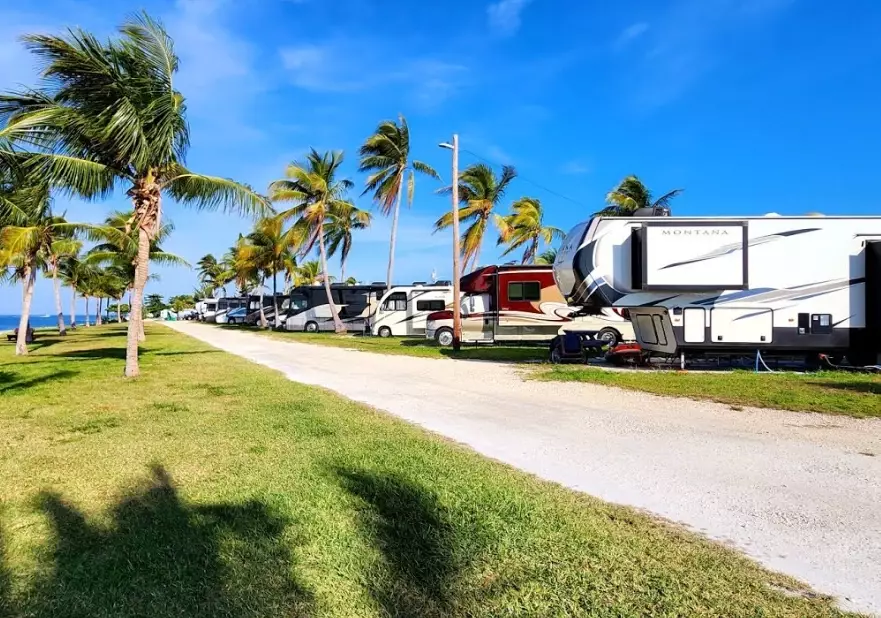
The Non-Negotiable Florida Camping Gear List
Your standard camping kit won't cut it here. Florida's environment demands specific gear. This isn't a full packing list; it's the Florida-specific additions that will make or break your trip.
- Rain Fly & Footprint: Not just a "maybe." Afternoon thunderstorms are a daily ritual in summer. Your rain fly must be bomber and fully cover your tent. A footprint is critical to protect your tent floor from sharp shell fragments and sand spurs.
- Bug Management System: A three-pronged attack: Permethrin for treating your clothes and tent exterior (do this at home before you leave), a reliable DEET or Picaridin-based repellent for skin, and a Thermacell device for creating a 15-foot mosquito-free zone around your camp chair. Skip one, and you'll be donating blood all night.
- Climate Control: Even in "winter," nights can be humid. A battery-powered fan is a lifesaver inside a tent. For RVers, ensure your AC is in top shape. Also, pack more moisture-wicking clothing than you think you need. Cotton will stay wet and chafe.
One subtle mistake I see constantly: people bring heavy, insulated sleeping bags. You'll sweat through it. A lightweight sleeping bag liner or a thin blanket is often enough for South Florida winters. For the Panhandle in Jan-Feb, a 40-50°F bag is sufficient.
For food storage, a standard cooler isn't secure. Raccoons are geniuses. You need a hard-sided cooler with locking latches, and you must store it in your vehicle or a provided locker (at some parks) at night. An alligator won't bother you at your site, but a raccoon will steal your hot dog buns in seconds.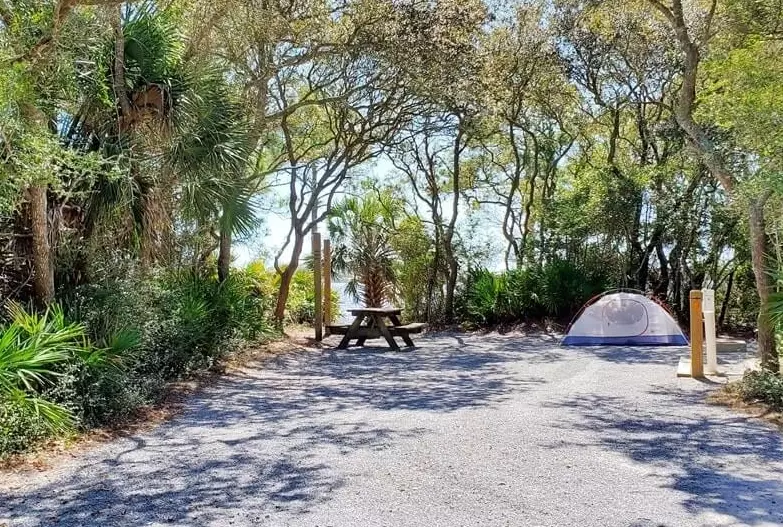
Planning Your Florida Camping Trip: A 7-Day Sample Itinerary
Let's make this concrete. Here’s a balanced one-week loop starting in Tampa/St. Pete area, mixing beach, springs, and wild spaces. This assumes you have a car and are tent or RV camping.
Day 1-2: Gulf Coast Beaches. Base at Fort DeSoto Park. Spend a day exploring the fort, kayaking the mangroves, and biking to North Beach. Next day, take a short drive north to Honeymoon Island State Park (fee) or the free public beaches of St. Pete Beach.
Day 3: Inland to Springs. Drive ~2 hours north to the Ocala National Forest area. Snag a first-come, first-served site at Juniper Springs Recreation Area (24821 FL-40, Silver Springs, FL 34488). No hookups, but you're camping next to one of Florida's most beautiful natural springs. Fee: $26/night.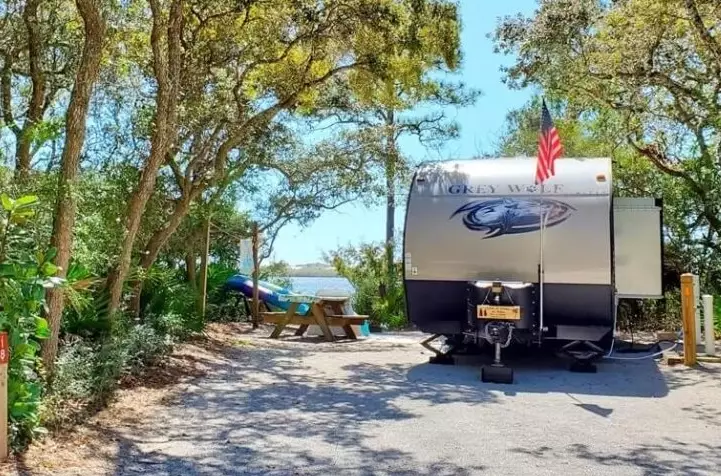
Day 4: Spring Hopping. Paddle the Juniper Springs Run (rent kayaks there, book ahead). Later, drive 30 mins to Silver Springs State Park (1425 NE 58th Ave, Ocala, FL 34470) for glass-bottom boat tours or more paddling where you'll almost certainly see monkeys (descendants of a 1930s film set escape).
Day 5-6: The Atlantic Coast. Drive ~2 hours east to the Space Coast. Camp at Jetty Park Campground in Cape Canaveral (400 Jetty Park Rd, Cape Canaveral, FL 32920). It's a county-run park with full hookups, a beach, and a pier. Why here? You have a front-row seat for rocket launches from Kennedy Space Center. Check the launch schedule. If nothing's scheduled, it's still a great beach camp. Fees: ~$40-$65/night.
Day 7: The Wild Card. Choose your adventure: Drive south for a day trip into the northern edges of the Everglades (Shark Valley Visitor Center) or head back towards your starting point, stopping at a citrus stand for some fresh fruit for the road.
This itinerary gives you a taste of everything without brutal driving days. You can flip it, start on the Atlantic, or extend it by adding days in the Keys (but book Bahia Honda *months* in advance).