Let's be honest. When you picture a camping trip, you think of crackling fires, starry skies, and that perfect morning coffee. You don't picture a snapped tent pole in a thunderstorm, a kid with a deep cut from a pocketknife, or the gut-sinking feeling of being utterly lost. But after 15 years of guiding and personal trips from the Rockies to the Appalachians, I can tell you this: the difference between a great story and a disaster often comes down to a few minutes of preparation and one clear-headed decision.
Most articles on camping emergencies list the same gear. I want to talk about the mindset and the subtle, costly mistakes I've seen—and made myself.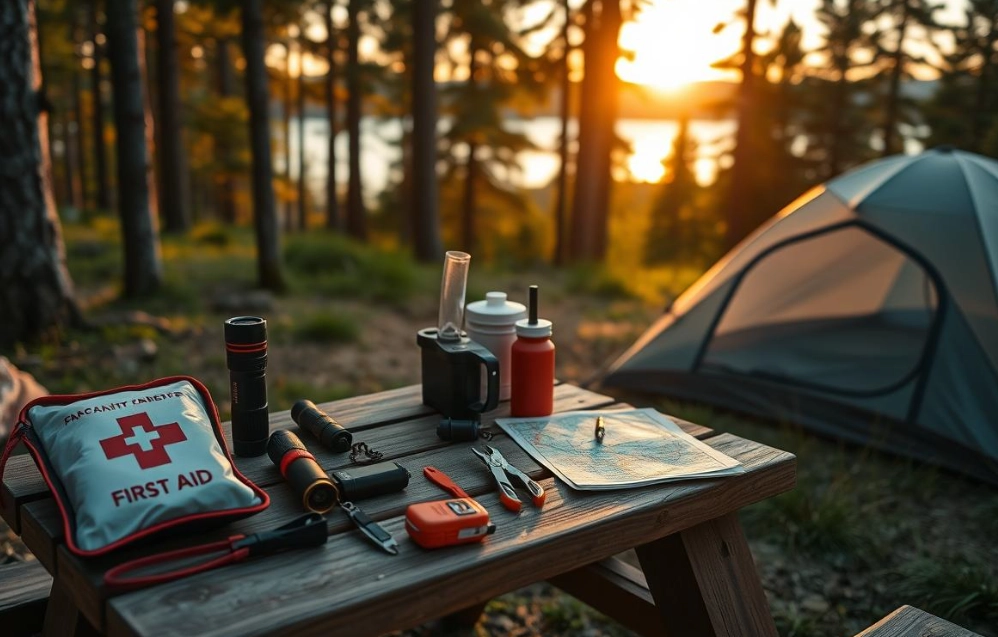
What You'll Find in This Guide
The Prevention Mindset: More Than a First-Aid Kit
Prevention isn't just packing a bandage. It's a series of choices that start before you leave your driveway.
The Itinerary Rule Someone Must Know
This is non-negotiable. Text a friend or family member: the exact trailhead name, your planned route (with map links if possible), your car's make/model/license plate, and your hard return time. Specify: "If you don't hear from me by 6 PM Sunday, call [local ranger station number]." I use the US Forest Service or National Park Service website to find the direct line for the district I'm visiting. A generic 911 call wastes precious hours.
Gear Check: The Night Before Ritual
Don't just check it's in the bag. Check it works. Inflate that sleeping pad. Light that stove. Test every headlamp and flashlight battery. A dead headlamp at night turns a simple bathroom trip into a hazardous stumble. My personal fail? A brand-new water filter that clogged instantly because I didn't backflush it at home first. We spent an anxious afternoon boiling water.
Step-by-Step: Responding to 5 Common Camping Crises
Panic is the real enemy. Here's how to push it aside and act.
1. Severe Weather Roll-In (Lightning, High Winds, Flash Flood)
You feel the temperature plummet. The sky turns that eerie green.
Do this now: Get off high ground and away from water. Avoid isolated tall trees. If in a tent, stay put—the poles can attract lightning, but you're lower than the trees. Get into your sleeping bag for insulation. If in a car, that's your safest shelter. The mistake is trying to outrun it or staying in a hammock. I once watched a group scramble to take down their tents in 50mph winds; they lost two tents to the trees. It's better to have a wet, intact tent than no tent at all.
2. Animal Encounter (Bear, Moose, Snake)
Forget the dramatic movies. Most problems are from food-seeking bears or startled moose.
Bear in camp: Make yourself look big, talk firmly, back away slowly. Never run. Have your bear spray unclipped and in hand if in known bear country—not buried in your pack. A study cited by the National Park Service shows bear spray is more effective than firearms at preventing injury.
Snake bite: The old “suck out the venom” is dangerous nonsense. Wash the area, keep it at or below heart level, stay still, and get help. Note the snake's color/pattern for antivenom ID. What most don't tell you? Panic and running skyrocket your heart rate, spreading venom faster. Breathe.
3. Medical: Cuts, Burns, Hypothermia
Deep cut: Apply firm, direct pressure with a clean cloth for a full 15 minutes. No peeking. Most people lift after 30 seconds, restarting the bleed. If it soaks through, add more cloth on top; don't remove the first layer.
Hypothermia: The victim starts shivering uncontrollably, then stops. That's severe. Get them out of wet clothes, into dry layers, and in a sleeping bag. Skin-to-skin contact in a bag with a warm person is a legitimate, life-saving technique. Give warm (not hot), sugary drinks only if they are fully conscious.
Your Emergency Kit, Deconstructed
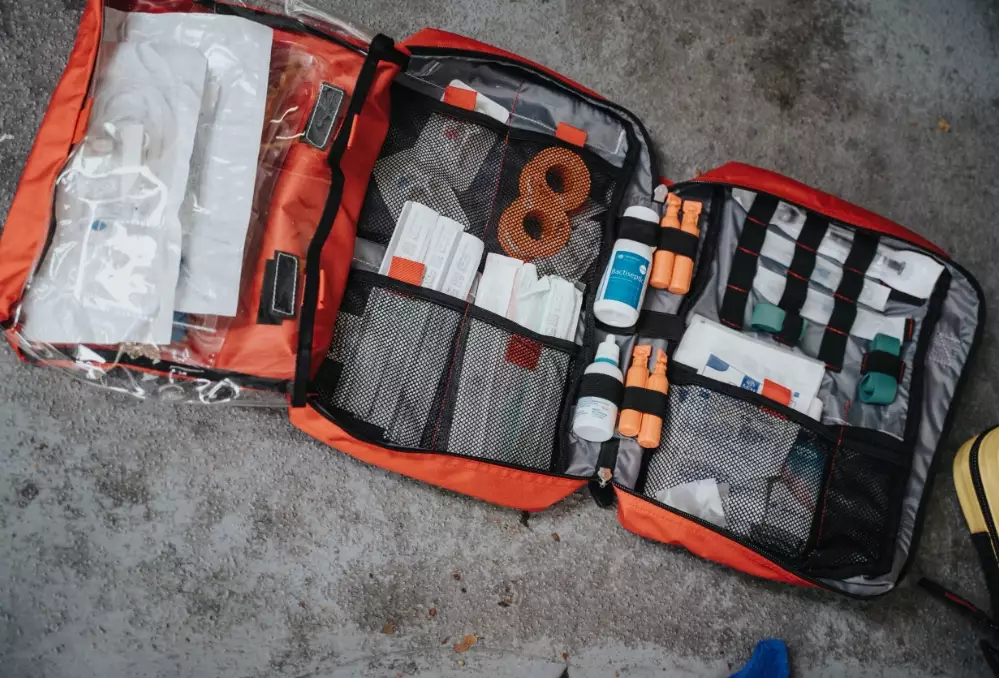
This isn't a pre-packaged $20 kit from the pharmacy. It's a curated collection. Here’s what mine looks like, and why each item earns its place.
| Item Category | Specific Items & Why | Common Mistake / Pro Tip |
|---|---|---|
| Medical | QuikClot or Celox gauze: For serious bleeding. Tourniquets (and knowing how to use them). Blister-specific: Moleskin, Leukotape. Medication: Ibuprofen, antihistamines (both child/adult dose), personal prescriptions, loperamide. | Generic band-aids are useless for blisters. Leukotape sticks for days. Most people under-dose antihistamines for allergic reactions. |
| Tools & Repair | Multi-tool with pliers: Not just a knife. Tenacious Tape: For tents, packs, sleeping pads. 50ft Paracord. Spare tent pole section & pole repair sleeve. Lighter & waterproof matches in separate bags. | Duct tape is bulkier and less durable than Tenacious Tape for gear repair. Wrap some around your water bottle or trekking pole to save space. |
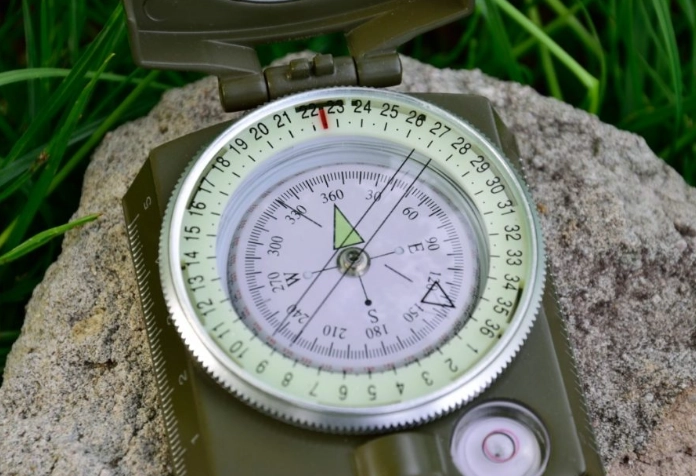
| Navigation & Signal | Physical map & compass. Whistle (it carries farther than yelling). Signal mirror. Headlamp with extra batteries. Power bank (10,000mAh minimum). | Three short whistle blasts is the universal distress signal. A mirror can signal aircraft 10+ miles away on a sunny day. |
| Sustenance & Shelter | Emergency space blanket (the thicker, foil-lined kind). Water purification tablets as a backup to your filter. High-calorie bar (just for emergencies). Large orange trash bag (makeshift poncho/shelter/signal). | The cheap, flimsy space blankets tear instantly. Spend $10 on a durable one. A trash bag is the most versatile, overlooked item for rain and wind protection. |
The Aftermath: What to Do When the Crisis Passes
It's over. The storm passed, the cut is bandaged, you found the trail. Now what?
First, debrief calmly. What went wrong? Was it a gear failure, a knowledge gap, or just bad luck? Don't assign blame—figure out the root cause. Did you not check the weather? Was the first-aid kit inadequate for the actual injury?
Second, document it. Take a photo of the gear that failed, note the location and conditions. This isn't for social media; it's for your own memory and to help others. I keep a simple camping journal for this.
Finally, restock and revise. When you get home, immediately replace anything used from your emergency kit. Then, based on what happened, consider one upgrade. After that hypothermia scare, did you need a warmer sleeping bag? A better rain jacket? This turns a negative experience into a long-term safety upgrade.
Camping emergencies aren't about fear; they're about respect. Respect for the weather, the wilderness, and your own limits. With the right mindset and a well-considered kit, you're not just hoping for the best—you're prepared for the realistic worst. And that lets you truly relax and enjoy those starry nights.
Quick Answers to Real Questions
What is the single most important item for preventing camping emergencies?
It's not a single item, but a system: communication. A fully charged power bank for your phone, a physical map of the area, and telling someone your itinerary and expected return time. Gear fails, but a clear plan for if you get lost or delayed is irreplaceable. A personal locator beacon (PLB) or satellite messenger is the gold standard for remote trips.
I'm car camping with kids. What's a common first-aid emergency most parents overlook?
Allergic reactions. Camping exposes you to new plants, insects, and foods. Many generic first-aid kits have weak antihistamines. Pack children's Benadryl (diphenhydramine) and adult-strength, and know the dosage. Watch for swelling, especially around the mouth or throat, after bee stings or trying wild berries. It's the speed of the reaction that catches people off guard, not the severity of the initial sting.
 How do I handle a sudden severe storm during a backpacking trip?
Your priority is to avoid hypothermia and lightning. Get off ridges and away from isolated tall trees immediately. If you can't make it to your planned site, look for a dense growth of smaller, uniform trees for shelter. Pitch your tent, get into dry clothes (always pack a dedicated set for sleeping), and get into your sleeping bag to conserve heat. Don't wait until you're cold to act. Cook a hot drink if it's safe to use your stove. The mistake is pushing on to reach your destination; survival means stopping early.
My camping stove fuel canister is leaking. Is this a campsite fire hazard?
It's a potential explosion hazard, not just a fire. Do not use it. Move it away from any heat source, tent, or people. If it's a slow leak, you can sometimes submerge it in water to check (bubbles will show). In a remote area, the safest practice is to vent it completely in an open, well-ventilated area away from camp, then pack it out as trash. Never puncture or burn it. This is why checking all connections and seals before you leave home is a non-negotiable step most people skip.