South Africa isn't just about safari lodges or city tours. Camping here drops you right into the heart of the wild—think lions roaring at night, stars so bright you forget about city lights, and mornings that start with coffee over a campfire. I've spent years exploring these spots, and let me tell you, it's a mix of awe and occasional frustration. But get it right, and it's life-changing.
Jump to What Matters
Why Camping in South Africa Beats Everything Else
You might wonder why bother with a tent when there are cozy hotels. Well, camping South Africa lets you experience biodiversity up close. The country has over 20 national parks, each with unique landscapes—from arid deserts to lush coasts. According to South African National Parks (SANParks), camping visitors have doubled in the past decade, and it's no surprise. The cost? A fraction of luxury stays. For example, a night at a Kruger campsite averages ZAR 300 (about $16), while a lodge can hit ZAR 2000. But it's not just about money. Waking up to elephants grazing nearby? Priceless.
I remember my first trip to the Drakensberg. I set up camp near a river, only to realize the ground was rock-hard. Lesson learned: always scout your spot. That's the thing—camping here teaches resilience. You'll deal with weather swings, insects, and sometimes unreliable facilities. Yet, the rewards outweigh the hassles. The sense of isolation, the camaraderie at communal braais (barbecues), and the wildlife encounters you'd never get from a car window.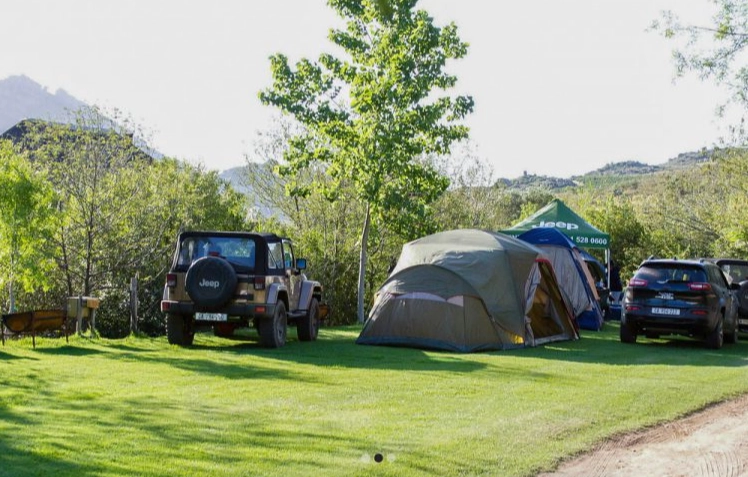
Top 3 Camping Destinations You Can't Miss
Not all camping sites are created equal. Based on my trips and local chatter, here are three that deliver on promise. I've included specifics so you can plan without guesswork.
1. Kruger National Park – The Wildlife Giant
Kruger is the poster child for South Africa camping sites. It's massive, covering nearly 20,000 square kilometers. I've camped at Skukuza Rest Camp multiple times—it's well-run but can feel crowded in peak season (June to August).
Key Details: Entrance fees are ZAR 400 per adult per day for international visitors. Skukuza's address is Skukuza Rest Camp, Kruger National Park, 1350, South Africa. It's open year-round, but bookings via SANParks website are essential. From Johannesburg, drive east on the N4 for about 5 hours; alternatively, fly to Skukuza Airport and rent a car. Campsites have power, ablutions, and sometimes WiFi, but don't expect luxury.
Why it's special: The game drives are unmatched. I've spotted the Big Five within a day. But here's a tip most miss: avoid campsites near the perimeter fences if you're noise-sensitive—hyenas can be loud at night.
2. Garden Route Campgrounds – Coastal Bliss
The Garden Route stretches from Mossel Bay to Storms River. It's milder climate-wise, perfect for year-round camping. I favor Tsitsikamma National Park for its forests and ocean views.
Key Details: Tsitsikamma's camping fee is around ZAR 250 per night. Address: Tsitsikamma Section, Garden Route National Park, 6308. Open daily, but check for seasonal closures during heavy rains. From Cape Town, take the N2 highway east for about 6 hours. Facilities include showers and braai areas, but some sites lack shade—bring a tarp.
The hiking trails here are stunning, but I've seen tourists underestimate the terrain. Pack sturdy shoes. Also, book ahead December through January; it gets packed.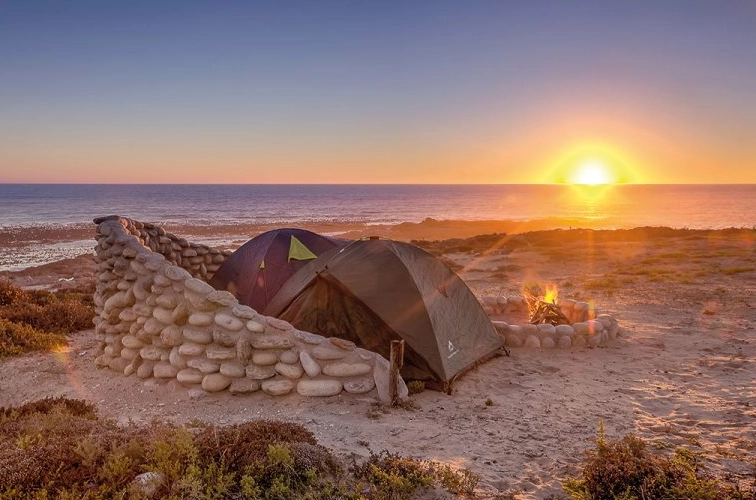
3. Drakensberg Amphitheatre – Mountain Majesty
For altitude lovers, the Drakensberg offers rugged camping. The Amphitheatre is a cliff face that'll humble anyone. I camped at Sentinel Car Park once—basic but breathtaking.
Key Details: No formal entrance fee, but camping costs ZAR 150 per site. Address: Near Witsieshoek Mountain Lodge, Free State, 9870. Access is weather-dependent; winter (May to August) can bring snow, so check conditions. From Durban, drive north via the R74 for about 4 hours. Facilities are minimal: pit toilets and no power. You're on your own for water.
This is for the adventurous. I've had nights so cold my water froze. But sunrise over the peaks? Worth every shiver. A common mistake: not acclimatizing to the altitude. Take it slow the first day.
Essential Camping Gear for South African Conditions
Packing wrong can ruin your trip. South Africa's weather is unpredictable—hot days, chilly nights, sudden rains. Based on my mishaps, here's what you need.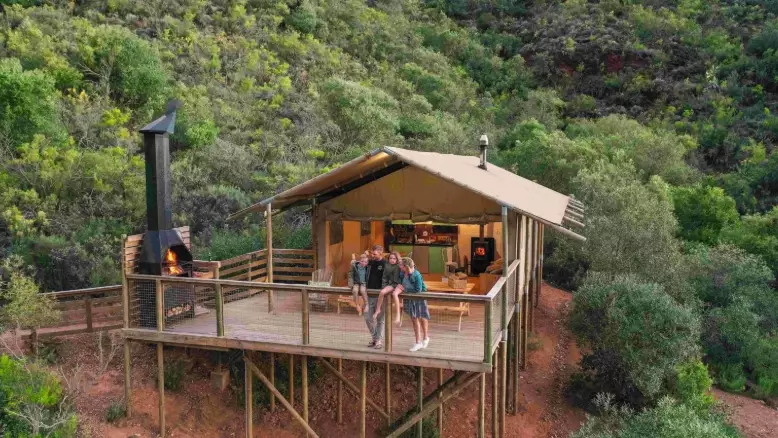
| Gear Item | Why It's Crucial | Personal Recommendation |
|---|---|---|
| Quality Tent with Rainfly | Summer thunderstorms are intense; a cheap tent leaks. | I use a 3-season dome tent—tested in Kruger downpours. |
| Sleeping Bag Rated for 0°C | Highland areas like Drakensberg drop below freezing. | Down-filled bags pack light but can be pricey. |
| Portable Water Filter | Not all campsites have potable water; giardia is real. | A Sawyer filter saved me on remote hikes. |
| Solar Charger | Power outlets are scarce; you'll need phone for maps. | Anker models work well in sunny spots. |
| Wildlife-Safe Food Storage | Baboons and monkeys are clever thieves. | Use hard-sided coolers or lockable containers. |
I once forgot a headlamp and fumbled in the dark—annoying and unsafe. Also, pack a basic first-aid kit with antihistamines; insect bites are common.
How to Plan Your South Africa Camping Itinerary
Throwing a dart on a map won't cut it. You need a plan that balances drive times and experiences. Here's a sample 10-day itinerary I've used with friends.
Day 1-3: Kruger National Park – Fly into Johannesburg, rent a 4x4 (essential for gravel roads), drive to Skukuza. Spend days on game drives and night walks. Book guided walks through SANParks—they offer insights you'd miss alone.
Day 4-6: Garden Route – Drive south via the N4 and N2 to Tsitsikamma. Stop at Knysna for oysters if you fancy. Hike the Otter Trail or shorter routes. I found the Storms River Mouth rest camp noisy due to highway proximity, so opt for quieter inland sites.
Day 7-10: Drakensberg – Head inland to the Amphitheatre. Acclimatize with short hikes before attempting the Chain Ladders route. End with a descent and drive back to Durban for flights.
Budget-wise, this itinerary costs around ZAR 8000 per person excluding flights, covering campsites, food, and fuel. It's doable for mid-range travelers. For budget camping South Africa style, cut guided tours and cook all meals.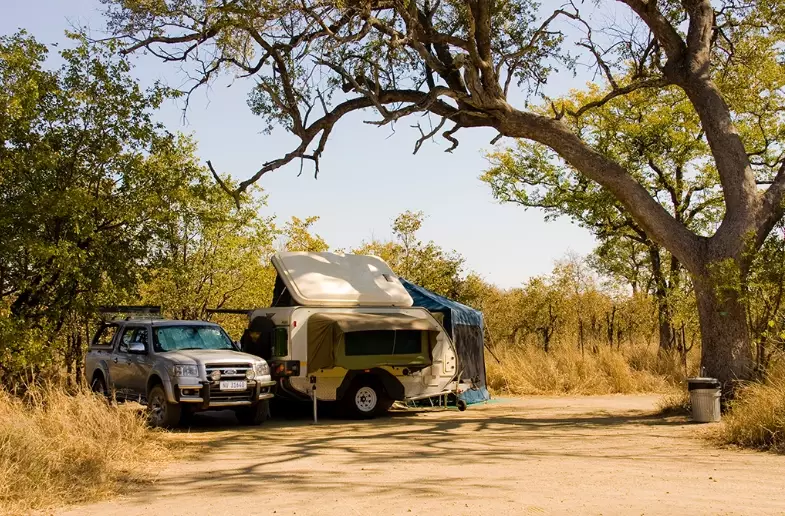
Safety Tips and Common Mistakes to Avoid
Safety isn't just about wildlife. I've seen tourists slip up on simple things. First, always register at park offices—it's not optional. Rangers need to know you're out there.
- Wildlife: Keep a distance of at least 30 meters from large animals. No feeding—it's illegal and dangerous. In Kruger, I watched someone toss food to a warthog; it charged. Not smart.
- Weather: Check forecasts daily. Sudden floods in summer can trap you. I got stranded once in Limpopo after a storm; now I carry a weather radio.
- Crime: Urban areas have issues, but campsites are generally safe. Still, don't leave valuables in tents. Use lockers if available.
- Health: Malaria is a risk in lowveld regions like Kruger. Take prophylaxis and use mosquito nets. I skipped pills once and got lucky, but it's not worth the gamble.
A subtle mistake: overpacking. You'll end up lugging stuff you don't need. Focus on layers and multipurpose items.
Frequently Asked Questions (FAQ)
 How can I practice sustainable camping in South Africa to minimize environmental impact?
Camping South Africa isn't just a holiday; it's a plunge into raw nature. With the right prep, you'll come back with stories that last a lifetime. Start planning, stay flexible, and embrace the unexpected—that's where the magic happens.