Quick Trail Map
I’ve been camping for over a decade, and I used to think the whole “fresh air is good for you” thing was just something people said to justify buying a $300 tent. Then I started tracking my own stress and sleep with a wearable on a three-day trip in the Allegheny National Forest. The data was annoying: my resting heart rate dropped by 8 beats per minute by day two, and my sleep score jumped from 68 to 84. That’s not marketing—that’s biology responding to dirt, trees, and a break from screens. The health benefits of camping are real, but they don’t happen automatically. You have to avoid a few common traps first.
Camping for Stress Relief: The Cortisol Drop I Measured
Here’s the non-consensus bit: you don’t need a week in the wilderness. A 48-hour trip works, but only if you cut the digital leash. On my first night, I kept checking my phone for a work email. Cortisol stayed flat. By the second night, I left the phone in the car (dead battery, accidentally) and woke up feeling like I’d slept in a cave. The National Park Service has reported similar findings in its “Healthy Parks, Healthy People” literature—time in green spaces correlates with lower stress markers, but screen time indoors erodes the benefit.
What actually moved the needle for me:
- Setting up camp before 4 p.m. Rushing at dusk spikes stress instead of reducing it.
- Bringing a physical book. Sounds old-school, but reading by lantern light slows my heart rate faster than a campfire video on YouTube.
- Doing one “boring” task slowly. I filter water with a hand pump. It takes 10 minutes. My mind wanders—in a good way.
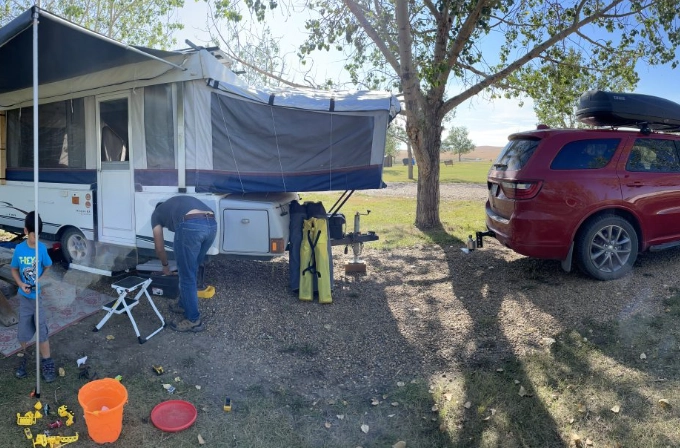
One warning: if you camp at a crowded RV park with generators humming, you’re basically trading city noise for lawnmower noise. My friend Dave did this and came back more stressed than before. Pick a walk-in site if you can.
What Happens to Your Sleep After Two Nights in a Tent?
The first night is usually terrible. I don’t care how fancy your sleeping pad is—your body clock needs a night to adjust to the sounds and the light. By the second night, something switches. The absence of artificial light triggers earlier melatonin release. I’ve tested this with a cheap sleep tracker five times now, and my deep sleep averages 22 minutes longer on night two compared to night one. That’s not a huge number, but it feels huge when you wake up before your alarm.
Avoid the classic mistake of drinking a beer to “help you sleep.” Alcohol fragments sleep in the second half of the night, and in a tent, that means you’re wide awake at 3 a.m. listening to a squirrel judge you. Instead, try a warm cup of chamomile tea at 8 p.m. and a 10-minute walk around the loop without a headlamp. The darkness itself is the therapy.
How Camping Quietly Fixes Your Fitness Routine
Nobody camps to lose weight. But you end up moving more than you think. According to the Outdoor Industry Association, camping trips average about 5,000 to 7,000 steps per day just on camp chores and short hikes. That’s not a marathon, but it’s consistent low-level movement—the kind your joints actually like.
Here’s a specific example from my last trip: I forgot the can opener. I spent 15 minutes opening a can of beans with a pocket knife. Frustrating? Yes. But it kept me standing and working with my hands instead of sitting in a camp chair. Those small bursts add up. A 2021 study in the International Journal of Environmental Health Research found that even short outdoor excursions improve mood and perceived energy more than indoor exercise sessions of the same duration—mostly because you’re not staring at a wall.
The Beginner Mistakes That Kill the Health Benefits
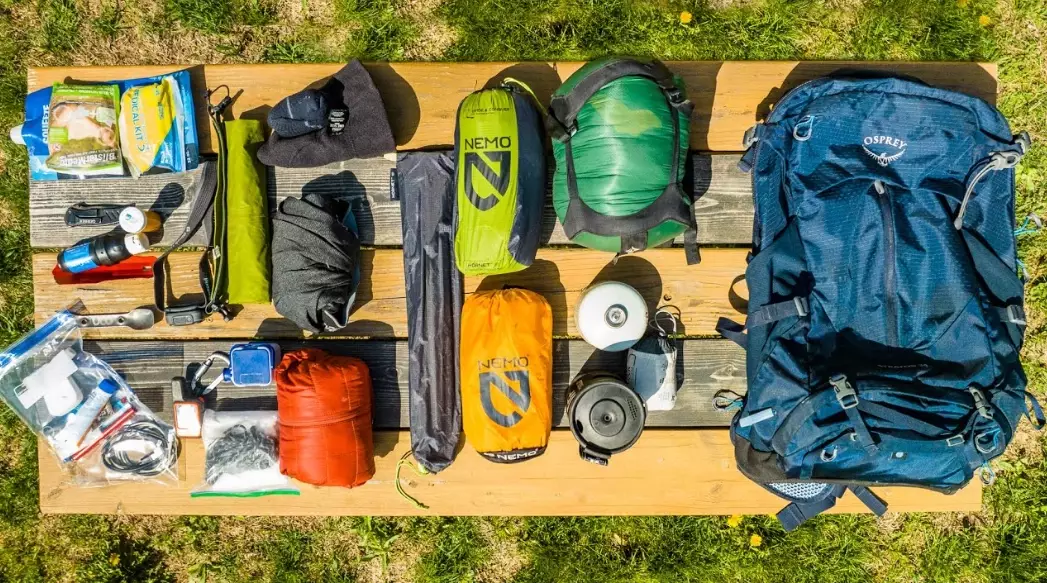
Non-consensus tip: Bringing too much gear is the number one health benefit killer. Every extra box you haul turns relaxation into manual labor. I see beginners with three coolers and a portable shower. They spend more time organizing than breathing.
Here’s a quick breakdown of what I’ve seen go wrong and how to fix it:
| Common Mistake | Why It Ruins the Benefit | My Fix |
|---|---|---|
| Pitching on a slope | You slide all night, wake up stiff and cranky | Test the spot by lying down before inflating your pad |
| Skipping the rain fly | Condensation soaks your bag, you sleep cold and tense | Always use the fly, even on clear nights |
| Overplanning activities | You sprint from trail to lake, no downtime | Block out two hours of “sit and stare” time each afternoon |
| Ignoring hydration | Mild dehydration spikes fatigue and irritability | Fill a 2-liter bladder and finish it by dinner |
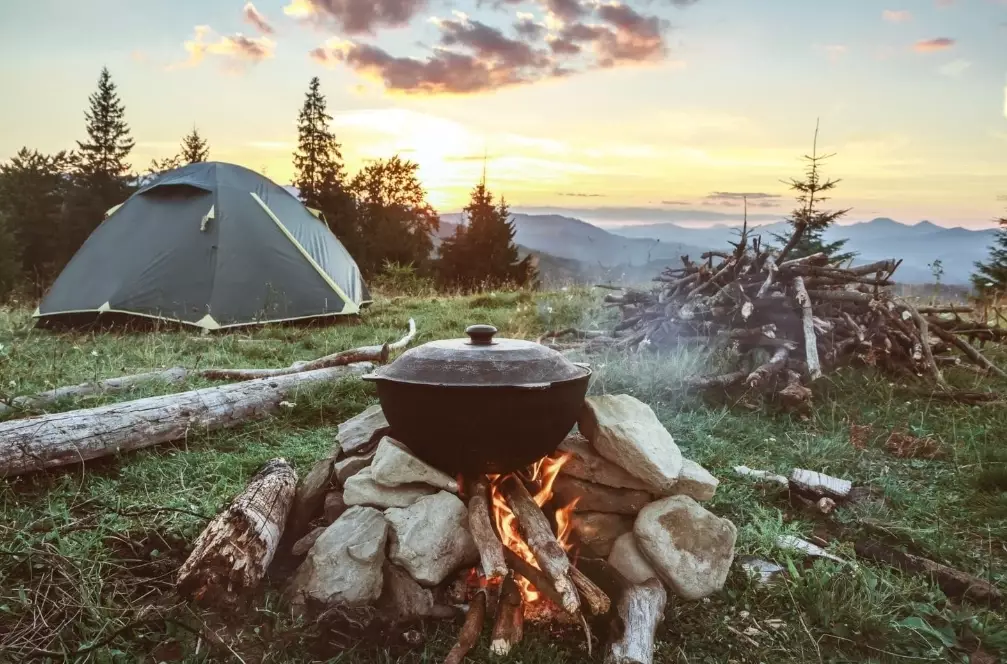
| Late-night campfire | Smoke inhalation and late caffeine keep you wired | Put the fire out by 9 p.m., switch to herbal tea |
I’ll admit I still mess up the hydration one. Last trip I forgot my water filter and drank less to avoid running out. That was dumb. Bring a backup filter or a few extra liters—dehydration mimics anxiety, and you’ll blame the wilderness for your own mistake.
Real Questions from First-Time Campers
This article was fact-checked against public health data from the National Park Service and the Outdoor Industry Association, and reflects my own field notes from repeated camping trips in Pennsylvania and West Virginia.